
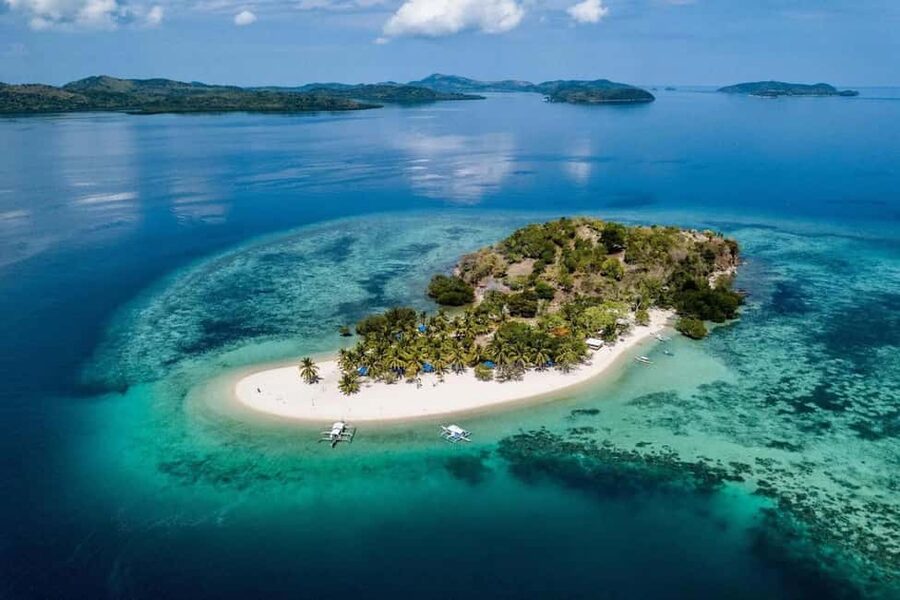
REVIEW · CORON
Coron: Reefs and Wrecks Tour with Snorkeling Equipment
Coron’s wrecks make snorkeling feel like time travel. I like the mix of WWII shipwreck snorkeling and coral viewing at Lusong Coral Garden, and I also like that you get a guide, snorkeling gear, and lunch in one simple half-day plan. One thing to plan for is the day’s boat time, especially the long return stretch from Pass Island.
This is a 6-hour tour in Palawan that runs with pickup between 8:00 and 8:30 AM (traffic dependent). You’ll be on English and Tagalog support, with a small-group feel or private options, and you’ll need to be a confident swimmer since the activity is water-based. In a recent booking, the crew, including Bong, was described as very nice and attentive, which matters when you’re fitting gear and trying to stay comfortable in open water.
If you’re looking for great snorkeling and you don’t mind spending a chunk of the day on a boat, this tour is easy to get excited about. If your back acts up or you’re pregnant, this one is not recommended, and that’s not negotiable here. Bring sunscreen, a hat, and a towel, then go in with realistic expectations about travel time on the water.
In This Review
- Key things to know before you go
- Why this snorkeling tour works in Coron
- Lusong Coral Garden: fish spotting and a photographer’s rhythm
- Lusong Gunboat: learning WWII as you swim above it
- East Tangat Wreck: a second wreck stop for variety
- Pass Island: the beach break that comes with a boat-time reality check
- Timing and transportation: when your morning starts
- Price and value: what you really get for $45
- What to bring so the day feels easy
- Rules in the water: how to protect the reef and stay comfortable
- Who should book this Coron reefs and wrecks tour
- Should you book this tour?
- FAQ
- How long is the Coron Reefs and Wrecks Tour?
- What is included in the price?
- Is hotel pickup and drop-off included?
- What time does pickup happen?
- What snorkeling stops will I visit?
- Do I need to know how to swim?
- What should I bring?
- Is the tour suitable for everyone?
Key things to know before you go
- WWII wreck snorkeling, Lusong Gunboat and East Tangat Wreck for a history-meets-fins experience
- Lusong Coral Garden where you can spot tropical fish and photograph reef life
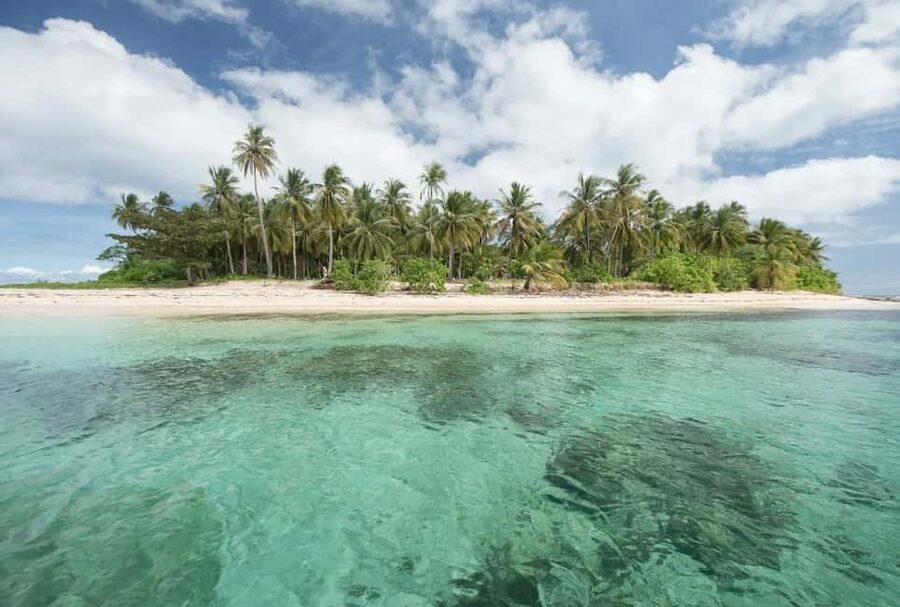
- Pass Island beach time with white sand and turquoise water, then a long boat ride back
- Included snorkeling gear and lunch so you can pack light
- Bong and the crew focus on attention, especially with group needs in the water
- You must be able to swim and you cannot touch marine life or plants
More lakes and wrecks around Coron
- Coron: Reefs and Wrecks Tour with Snorkeling Equipment★ 4.7 · 4 reviews
- Coron Reef and Wrecks Tour (Private Tour)★ 4.5 · 3 reviews
Why this snorkeling tour works in Coron
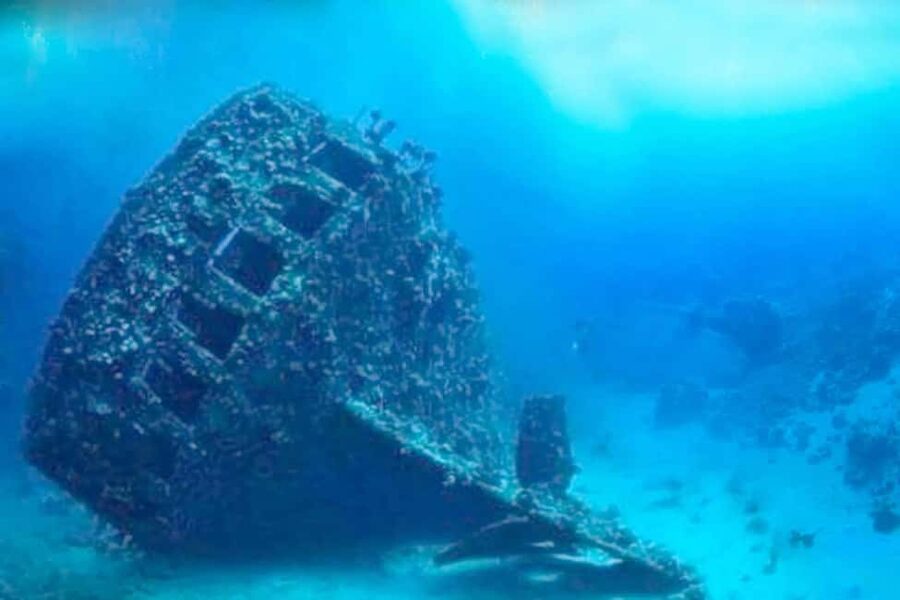
Coron’s underwater scene is one of the reasons people keep coming back to Palawan. This tour is built around two different kinds of underwater rewards: the living stuff (coral and fish) and the story pieces (WWII shipwrecks). That balance is what makes the day feel more than just a swim with fins.
The tour also keeps things practical. Snorkeling equipment is provided, and you get lunch plus round-trip boat transfers. That matters because snorkeling days can get pricey when you add boat fees, gear rentals, and food separately.
What you should know up front: you’ll spend time on boats, and that can feel like the price you pay for snorkeling in places that are not right off the pier. The payoff is that you get multiple underwater stops in one outing, instead of one short swim session.
Lusong Coral Garden: fish spotting and a photographer’s rhythm
Your morning snorkeling centers on Lusong Coral Garden. The goal here is simple: swim over coral and watch the tropical fish that make this area special. For many people, this is the most relaxing stop, because coral gardens tend to be calmer and more visually interesting in a way that is easy to enjoy even if you’re not a hardcore swimmer.
Here’s how to make the most of it:
- Go slow in the water. Faster kicks stir things up and can scare smaller fish.
- Keep your camera stable. If you have a waterproof camera, use it on a wrist strap or secure it the moment you get in the water.
- Watch the coral first, then the fish. Fish often hang near structure, so your eyes adjust quickly once you spot the pattern.
A coral garden stop is also great for your first adjustment period. If you’re new to snorkeling, this is where you can get comfortable with breathing, floating, and staying aware of your air and the boat.
One consideration: coral areas often mean you’re responsible for not touching marine life or plants. The rules are clear for this tour, so treat it like a viewing experience, not a souvenir hunt.
Lusong Gunboat: learning WWII as you swim above it
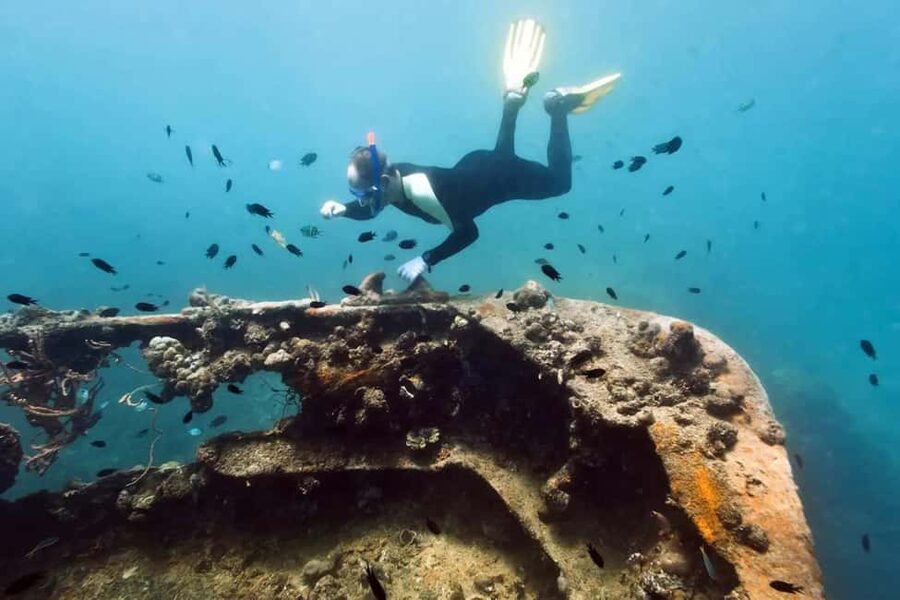
Next comes the Lusong Gunboat. This is where the tour shifts from scenery to history. WWII shipwreck snorkeling is not just visual, it also gives you a story to connect with while you’re looking at metal shapes and reef growth.
Even if you are not a military-history person, the underwater wreck layout helps you orient your attention. You naturally start looking for outlines, then you notice the way coral and fish have turned old metal into living habitat.
What I like about this stop for planning purposes is that it gives meaning to the effort. You’re not just traveling across water to see something pretty. You’re also seeing how a wreck becomes part of the marine ecosystem over time.
Practical tip: keep your movements steady and avoid hovering in one spot for too long if you start to feel tired. Wreck snorkeling can tempt you to stay fixed on details, but your comfort matters more than getting the perfect angle.
East Tangat Wreck: a second wreck stop for variety
Then you get the East Tangat Wreck. A second wreck stop is a smart move because it reduces the chance that the day feels repetitive. Even though both sites are wrecks, each one gives a different view of what’s left behind and how the reef has grown.
For many snorkelers, this is where you start spotting more marine life because the coral growth patterns can vary by structure and exposure. If you’re the type who likes to compare, this stop makes it easier to notice differences between metal, coral growth, and fish behavior.
Also, because the tour includes snorkeling equipment and a guide, you’re not stuck trying to manage everything alone in open water. That’s especially useful when conditions change and you need clear direction to stay with the group.
Pass Island: the beach break that comes with a boat-time reality check
After the underwater stops, you shift to Pass Island. This is the calm, sandy reset. The description is exactly the kind you want after a morning in saltwater: powdery white sand, turquoise water, and an easy tropical vibe.
Pass Island time is also where you recover. Your body goes from fins and goggles to sun and relaxation, and you get a chance to dry off. Just remember, you’ll likely still be in swimwear for some of that time, so pack your towel ready.
There’s one reality check you should plan for: the return boat ride is long. One detailed booking noted about a 2.5-hour return boat ride from Pass Island. That makes sense given the half-day structure, but it’s still something you should consider if you get motion sickness or you’re sensitive to long rides.
If long boat time is your main concern, bring extra water beyond what you might expect to get, and try to position yourself comfortably on the boat during the return trip if there’s a choice.
Timing and transportation: when your morning starts
This tour runs for 6 hours and includes round-trip boat transfers. Pickup starts between 8:00 and 8:30 AM depending on traffic, so you’ll want to be ready early rather than planning a slow start.
Hotel pickup is not included, so you’ll need to be at the pickup point organized by the operator. If you’re staying far from the meeting area, build in buffer time so you don’t end up rushing.
Group style matters too. You can choose private or small groups, which can help if you want a more personal pace or if you’re traveling with friends who snorkel at the same comfort level. Shared tours may not be the best fit for cruise ship guests, since this is not set up for short, tightly scheduled cruise windows.
Price and value: what you really get for $45
At $45 per person for a 6-hour outing, the big value is that the price bundles the essentials:
- professional guide
- snorkeling equipment
- lunch
- round-trip boat transfers
That matters because snorkeling in remote areas quickly adds up once you factor in gear rental and transport. In other words, you’re not paying just for a guide and hoping the rest is handled.
The one thing that can affect overall value is what’s not included: hotel pickup and drop-off. If you have to arrange your own transport to the meeting point, that cost is on you. Still, compared to tours that charge separately for gear and boat rides, this one is designed to be straightforward.
If you want a high-output snorkeling day without turning it into a full-day marathon, $45 for gear, lunch, and boat transfers feels fair.
What to bring so the day feels easy
This tour gives you snorkeling equipment, so your packing list is mostly about comfort and sun protection. Bring:
- hat
- swimwear
- towel
- camera
- sunscreen
A waterproof camera is recommended for underwater photography, and that’s a good match for a plan that includes both coral and wreck viewing. If you try to take photos with a normal phone setup, you’ll likely spend more time worrying than seeing.
Also, prepare for sun and salt. Even a half day can burn you if you only rely on shade. Sunscreen that stays put while you swim is worth it, and a hat helps even when you’re on the boat.
Rules in the water: how to protect the reef and stay comfortable
The tour rules are clear and they’re there for a reason. You cannot touch marine life or plants, and smoking is not allowed.
For your own comfort, follow these practical versions of the rules:
- Keep your hands and fins away from coral.
- Use your eyes, not your fingers, to get close.
- If you need to adjust gear, do it carefully and avoid contacting the reef.
You’ll also want to note that participants must be able to swim. This is not a casual beginner activity where you stay safely at ankle depth. If you’re unsure, honestly assess your comfort before booking.
Not recommended:
- travelers with back problems
- pregnant women
And it’s a good idea to be aware that the day involves open water. So if you have any health concerns, check with a professional before you commit.
Who should book this Coron reefs and wrecks tour
This tour is best for you if:
- you want a half-day snorkeling plan with multiple underwater stops
- you like the combination of coral viewing and WWII wreck history
- you are comfortable swimming and don’t mind boat time
It might not be ideal if:
- you hate long boat rides, because Pass Island can mean a long return
- you need an activity with minimal physical movement
- you are not comfortable with the no-touch reef rules
If you’re traveling as a pair or small group and want the day to feel organized, private or small-group options can be a smart upgrade. If you’re on a cruise, look at private trips, since shared tours are not suitable for cruise ship guests.
Should you book this tour?
Book it if your top priority is snorkeling quality and you want both coral life and wreck history in one 6-hour block. The value is strong because the price includes snorkeling equipment, a guide, lunch, and boat transfers, so you spend less time planning logistics and more time underwater.
Think twice if boat time is a dealbreaker for you, since the return ride from Pass Island can be long. Also be strict with the swim requirement. This is a snorkeling tour, and it works best when you’re confident in the water.
If you’re ready for fins, sun, and a WWII story you can see with your own eyes, this is a solid Coron choice.
FAQ
How long is the Coron Reefs and Wrecks Tour?
The tour duration is 6 hours.
What is included in the price?
It includes a professional guide, snorkeling equipment, lunch, and round-trip boat transfers.
Is hotel pickup and drop-off included?
No. Hotel pickup and drop-off are not included.
What time does pickup happen?
Pickup is between 8:00 and 8:30 AM, depending on local traffic conditions.
What snorkeling stops will I visit?
You’ll explore Lusong Coral Garden, the Lusong Gunboat, and the East Tangat Wreck, plus time at Pass Island.
Do I need to know how to swim?
Yes. Participants must be able to swim.
What should I bring?
Bring hat, swimwear, a towel, a camera, and sunscreen. A waterproof camera is recommended for underwater photos.
Is the tour suitable for everyone?
It is not recommended for pregnant women or people with back problems, and smoking is not allowed. You also must not touch marine life or plants.
More Tours in Busuanga
- Coron Reef & Wrecks Tour★ 4.7 · 5 reviews
- Coron Reef and Wrecks Tour (Private Tour)★ 4.5 · 3 reviews
More Tour Reviews in Busuanga
- Coron Reef & Wrecks Tour★ 4.7 · 5 reviews
- Coron Reef and Wrecks Tour (Private Tour)★ 4.5 · 3 reviews
Coron Beyond This Boat
- Coron Reef & Wrecks Tour★ 4.7 · 5 reviews
- Coron Reef and Wrecks Tour (Private Tour)★ 4.5 · 3 reviews
More of Busuanga, reviewed
- Coron Reef and Wrecks Tour (Private Tour)
★ 4.5 · 3 reviews - Coron: Reefs and Wrecks Tour with Snorkeling Equipment
★ 4.7 · 4 reviews
Coron and Busuanga Island Tours, start to finish.
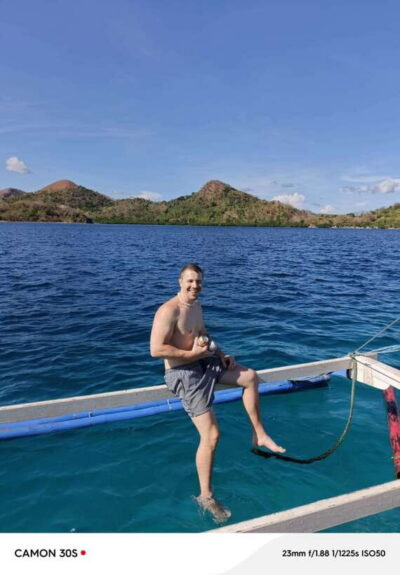 ★ 4.8Coron Ultimate Tour: 7 Destinations with Lunch & TransfersFrom $46754 reviews
 ★ 4.9Coron: Private Boat Hire with Guided Tour and Lunch on BeachFrom $142658 reviews
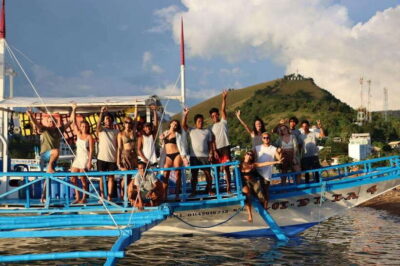 ★ 4.7El Nido to Coron: 3-Day 2-Night Island-Hopping ExpeditionFrom $339343 reviews
 ★ 4.4Coron Tour A: Kayangan Lake & Quin Reef Tour with LunchFrom $28285 reviews
Coron: Barracuda Lake, Skeleton Wreck, Twin Lagoon Boat TourFrom $32260 reviews
★ 4.4Coron Tour A: Kayangan Lake & Quin Reef Tour with LunchFrom $28285 reviews
Coron: Barracuda Lake, Skeleton Wreck, Twin Lagoon Boat TourFrom $32260 reviews
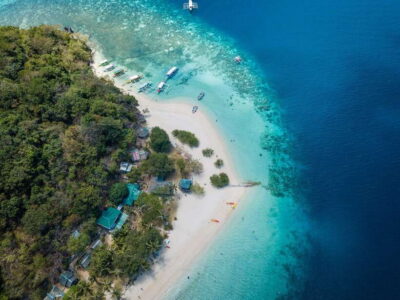 ★ 4.4Coron: Coastal Cliffs, Beach & Malcapuya Island Hopping TourFrom $4586 reviews
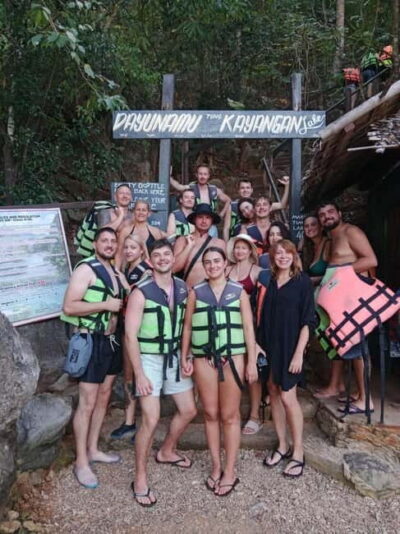 ★ 4.7Coron: Super Ultimate 7 Destination with Lunch & TransferFrom $4583 reviews
Coron: Off-Bay Islands, Lagoons and Lakes Hopping TourFrom $2779 reviews
★ 4.7Coron: Super Ultimate 7 Destination with Lunch & TransferFrom $4583 reviews
Coron: Off-Bay Islands, Lagoons and Lakes Hopping TourFrom $2779 reviews
Where this one shows up