
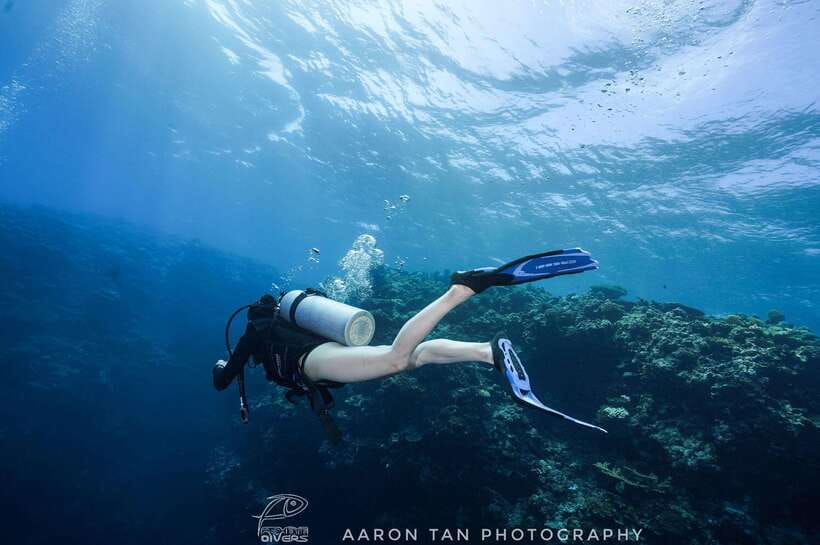
REVIEW · SCUBA DIVING AND FREEDIVING
Fisheye Divers: Discover Scuba Diving
First time in open water feels intimidating. In Boracay, Fisheye Divers keeps it practical, with PADI 5-Star Discover Scuba structure and a staff that focuses on comfort and safety. I especially like the hands-on shallow-water skills you practice before you head out, and you also get photo and video coverage. One thing to consider: the session includes a 12-hour no-flying rule afterward, so it can affect flight plans.
What makes this program worth your time is how much it teaches you in a short window. You do a classroom briefing after paperwork, then you get in the water to learn gear basics, buoyancy control, breathing routine, and ear equalization, plus real exercises like regulator cleaning and recovery and mask cleaning. English, Chinese, and Japanese support are available, and the instructor I heard named Butch is known for clear, patient explanations that put first-timers at ease.
In This Review
- Key things that make this Boracay scuba session work
- Boracay Coral Reefs, Guided by a PADI-Style Plan
- Price and Timing: A 3-Hour Schedule That Fits Most Days
- Pickup, Check-In, and Getting Your Gear Sorted
- Confined-Water Skills: Buoyancy, Breathing, and Ear Equalization
- The Reef Boat Ride and About 45 Minutes Underwater
- Photos, Snacks, and Hot and Cold Showers After
- Safety, Language Support, and Comfort Tips for First-Timers
- Should You Book This First-Session Program?
- FAQ
- How long is the Fisheye Divers experience?
- What time does the activity start?
- Is pickup included?
- What scuba equipment is included?
- Do I need prior scuba experience?
- How long will I be underwater?
- Who is this experience not suitable for?
Key things that make this Boracay scuba session work
- PADI 5-Star Discover Scuba format that starts with a briefing, then skills practice in shallow water
- Equipment covered end to end, including mask, fins, wetsuit, BCD, regulator, and tank
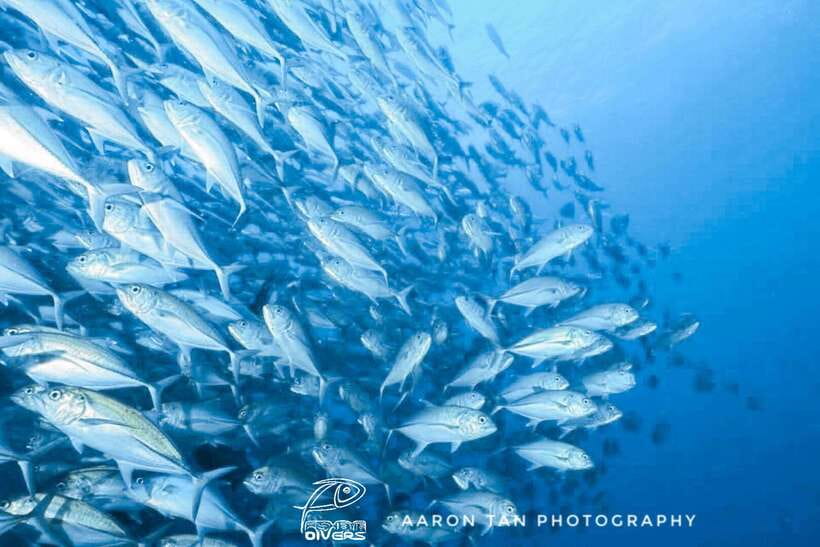
- A guided coral reef session of about 45 minutes, with a photographer capturing photos and videos
- Safety-first teaching style, with in-water instruction built around control and comfort
- Hot and cold shower plus a dry towel after you’re done
- Pickup from Station 1 to 3, so you are not figuring out logistics half-dazed in the morning
Other dives and courses around Boracay
- Boracay: Helmet Diving Experience with Photos and Videos★ 4.7 · 155 reviews
- WaterColors – Discover Scuba Diving in Boracay★ 5.0 · 127 reviews
- Boracay: Introduction to Scuba Diving Experience★ 4.8 · 104 reviews
- Discover Scuba Diving in Boracay★ 4.9 · 22 reviews
Boracay Coral Reefs, Guided by a PADI-Style Plan
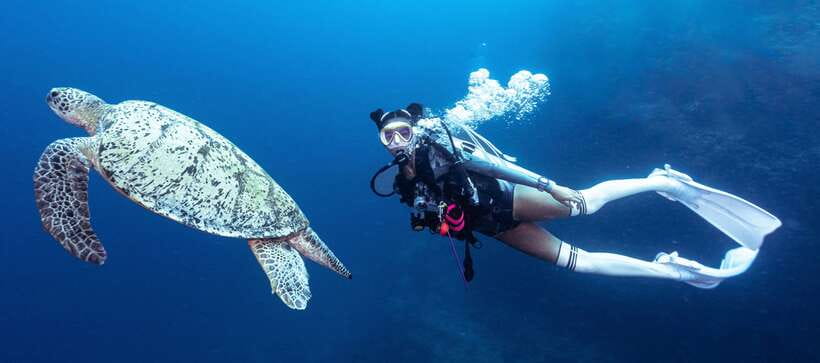
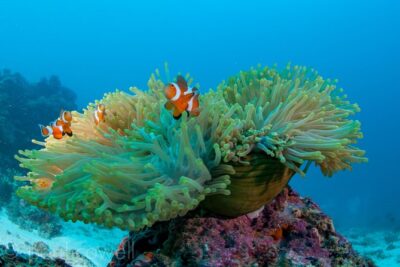
Boracay is famous for clear water and colorful reef life, but the real win here is the training flow. This is not a “follow us and hope” kind of outing. You start with a classroom briefing, then you practice the basics where conditions are more manageable, and only after that do you move into the reef area for a guided underwater session.
That sequence matters. When you know what you are supposed to do with your breathing and how to control your buoyancy, the experience becomes about noticing the reef, not fighting your gear. The goal is simple: you should leave feeling like you can handle the equipment and your body at the same time.
I also like that the program is built for beginners. The info is clear that no prior experience is needed, which usually means the instructor is prepared for the real first-timer questions, not just a checklist. In one account, the instructor was named Butch, and the feedback emphasized his calm explanations and the way he made communication easy even when language could have been a concern.
You are not just paying for an underwater look. You are paying for a structured first lesson that teaches you how to behave underwater.
Price and Timing: A 3-Hour Schedule That Fits Most Days
The price is $126 per person for a 3-hour experience. That can sound steep if you compare it to a basic snorkel, but it includes much more than “time in the water.” You get professional instruction, scuba equipment provided, skills training, a guided reef session, and photo and video coverage. It also includes pickup within Station 1 to 3, plus light snacks and drinks between parts of the program, and showers afterward.
Timing is another practical part. You have multiple start options at 9:00am, 11:00am, 1:00pm, and 3:00pm. If your day in Boracay already has a few moving pieces, this flexible schedule helps you pick the slot that best matches your plans.
One planning note to take seriously: you’ll want to honor the 12 hours non-fly time after the underwater session. That means this is not something to book if you are planning a same-day flight. If you are flying in and out the same day, you may have to reorganize your itinerary.
Also, the program says free pickup is included for first-time guests in Station 1 to 3. That’s a huge value add, because it removes the “Where do I meet, exactly?” stress.
Pickup, Check-In, and Getting Your Gear Sorted
The day usually starts with pickup from one of three options: Station 3, Station 2, or Station 1. If you are staying in those areas, it is a straightforward way to begin. You provide your hotel name and room number when booking, and the crew picks you up before the activity starts.
Once you arrive, you handle documents, then you move into the briefing. That order is important. If you jump straight into the water without the right context, your brain has too much to process at once. Here, you get the intro first, then you practice.
Then comes the equipment side. You do not have to rent gear yourself. The package includes the basics you’ll need to feel stable and breathe properly: mask, fins, wetsuit, BCD, regulator, and tank. Having everything included is part of the value, especially for first-timers who might not even know what to request.
If you are worried about comfort, focus on fit and clear instruction. Ask the instructor to confirm that your mask sits correctly and that your regulator feels manageable. The best part of this style of program is that the instructors are actively teaching you how to use the gear, not just handing it to you and hoping you figure it out.
Confined-Water Skills: Buoyancy, Breathing, and Ear Equalization
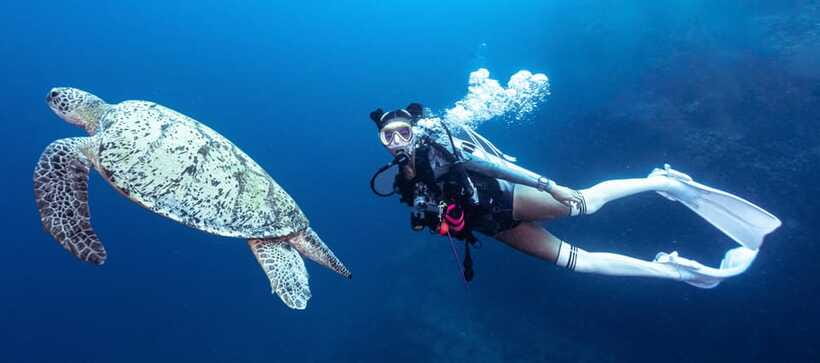
The shallow-water training is where this experience earns its keep. You get a structured set of skills that cover the basics most first-timers need to feel confident.
In the confined water portion, you practice:
- how to use your equipment
- buoyancy control so you do not float or sink wildly
- a breathing routine that feels steady
- ear equalization so pressure changes are handled safely and calmly
- regulator cleaning and recovery
- mask cleaning
- swimming while wearing the gear
This is also where you learn the “why” behind the moves. If you understand buoyancy control, you can conserve energy and relax your body. If you can equalize your ears correctly, you spend less time focused on discomfort. If you know what mask cleaning is for, you can treat it as a skill rather than panic.
A good sign is that the program includes multiple specific troubleshooting exercises, not just “sit on the bottom and try not to panic.” Regulator cleaning and mask cleaning sound technical, but in reality they teach you what to do if something feels off.
One more practical point: you’re learning in shallow water, which is easier on your nerves and on the overall learning curve. Even if you are a little anxious at first, this setup gives you time to build basic habits before you head out for longer underwater viewing.
Other Boracay outings that kept coming up while we researched this one
The Reef Boat Ride and About 45 Minutes Underwater
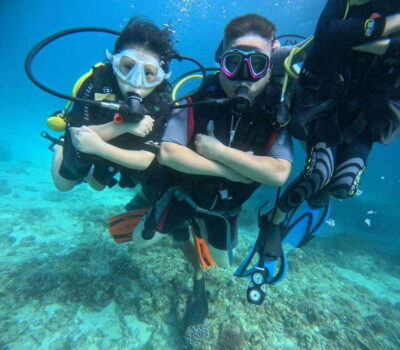
After skills practice, you head out on a boat trip to a coral reef area. This part is built around you seeing marine life while your training is still fresh in your mind.
The plan is simple:
- you sail to the reef
- you spend around 45 minutes underwater
- a photographer takes photos and videos during the session
- you explore the coral garden area with a guide
Why this is a smart format: it keeps the underwater time long enough to matter, but short enough to stay comfortable for first-timers. If you have never used scuba gear before, the first priority is controlling breathing and buoyancy. A shorter, guided window reduces the stress while still giving you something real to remember.
In the highlights, the focus is on coral reefs and crystal-clear water, and the experience is described as safety-first. That safety-first approach usually shows up in how the guide monitors you in the water, how you’re positioned, and how often you’re reminded on key points like breathing and slow movements.
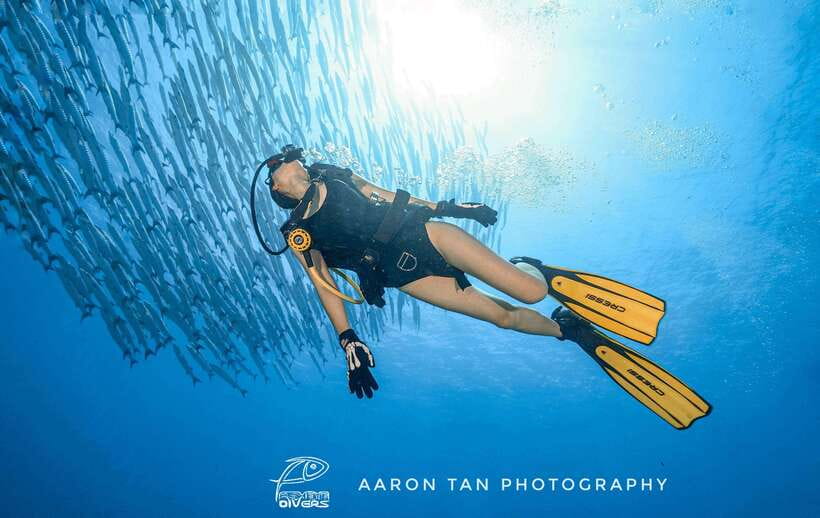
What will you likely notice underwater? Your attention will shift from “how do I do this” to “what is moving here.” Coral gardens tend to reward patient looking, and the training portion helps you slow down instead of flailing around.
Tip for your brain: keep your movements calm. Fast arm waving burns air and makes buoyancy harder. If you act like you’re underwater in slow motion, the whole session feels smoother.
Photos, Snacks, and Hot and Cold Showers After
Some tours forget the small stuff. This one does not.
Between the parts of the program, you get light snacks and drinks, which is a basic comfort win if you start in the morning or mid-day. After you finish, you get a hot and cold shower and a dry towel. That’s the kind of detail that makes you feel human again, not like you have to rush off immediately after getting wet.
Then there is the photo and video piece. A photographer takes media during your underwater session, which helps you capture the coral and marine life without needing to carry anything yourself. If you are new to scuba gear, it is especially nice because you are already busy learning and staying relaxed. You should be focused on your breathing and buoyancy, not on remembering to hold your camera steady.
The program also notes that you can be in a small or big group, but the idea is personalized attention. Realistically, group size can change based on the day. If you are hoping for maximum individual coaching, you may want to choose a time slot with fewer bookings. The 9:00am and 11:00am options often feel like they attract morning-focused people, but you would need to check current availability.
Safety, Language Support, and Comfort Tips for First-Timers
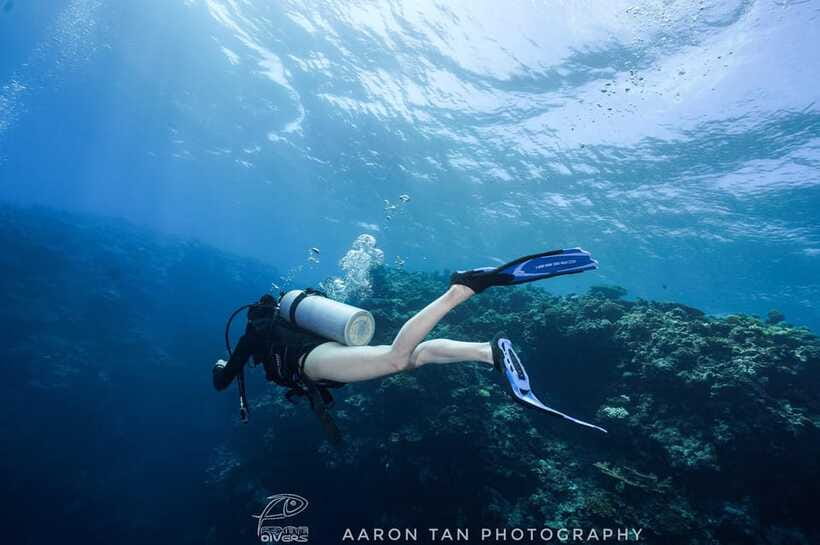
Safety is not listed as a vague promise here. It is described as top priority, and the entire sequence reflects that: briefing first, shallow skills second, guided reef session third.
What you should watch for when you arrive is instructor clarity. In feedback connected to this program, one instructor named Butch was highlighted for being clear and pedagogical, with reassurance throughout the morning and time for questions. That is exactly what you want on a first attempt. If you have questions, don’t hold them back. Ask early, even if it feels silly. The “silly” questions are usually the ones that prevent stress later.
Language support is also a meaningful value add. Instruction is available in English, Chinese, and Japanese, which helps a lot if you are not fluent in English. If you are traveling with limited language skills, this reduces the risk that key safety concepts get lost.
My practical comfort tips:
- Go to the briefing ready to ask questions about ear equalization.
- Think of buoyancy control as staying calm, not “perfect.”
- Wear the wetsuit comfortably, and do not skip the fit checks.
- In the reef session, move slowly. Slow movements make air use easier.
One more consideration: the program is not suitable for children under 9 years, pregnant women, and babies under 1 year. If you fall into any of those categories, you’ll need a different option.
Should You Book This First-Session Program?
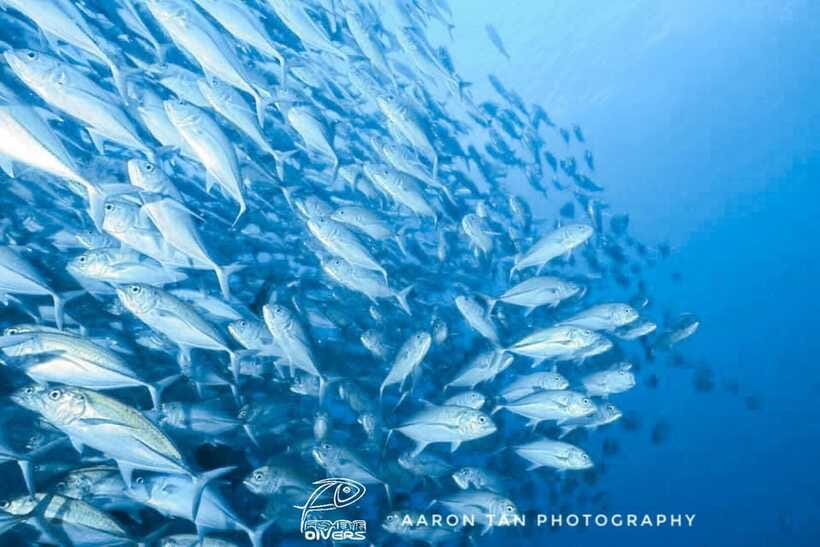
If you want a first scuba experience that is structured, safety-focused, and beginner-friendly, I think this is a strong choice. The value comes from the full package: skills training in shallow water, guided reef time of about 45 minutes, equipment included, and photo and video coverage, all in a tight 3-hour window.
Book it if:
- you are a true first-timer and want real instruction before you go out
- you care about safety and want a clear learning sequence
- you like the idea of getting photos and videos without handling gear
- you’re staying near Station 1 to 3 and want pickup included
Skip or rethink it if:
- your schedule depends on flying within 12 hours after the session
- you do not want to do the classroom briefing and shallow-water practice
- you are not eligible based on the stated age and pregnancy guidelines
One last thought for decision-making: the $126 price makes sense only because you are getting instruction, equipment, guided underwater time, and media. If you were just trying to see reef life casually, snorkel-only might be cheaper. But if you specifically want to learn how scuba equipment works and why control matters, this format gives you that learning, not just a photo.
If you book, go in with a calm mindset. You are there to learn. The reef will still be beautiful, but the real win is leaving knowing what you did right.
FAQ
How long is the Fisheye Divers experience?
The experience lasts 3 hours.
What time does the activity start?
Starting times are 9:00am, 11:00am, 1:00pm, and 3:00pm.
Is pickup included?
Yes. Free pickup is included for first-time guests from Station 1 to 3. You’ll need to provide your hotel name and room number when booking.
What scuba equipment is included?
Equipment included is mask, fins, wetsuit, BCD, regulator, and tank.
Do I need prior scuba experience?
No prior experience is needed. You do a briefing and then practice basic skills in shallow water.
How long will I be underwater?
You stay underwater for around 45 minutes during the guided reef session.
Who is this experience not suitable for?
It is not suitable for children under 9 years, pregnant women, and babies under 1 year.
More Scuba Diving in Boracay
- Boracay: Helmet Diving Experience with Photos and Videos★ 4.7 · 155 reviews
- WaterColors – Discover Scuba Diving in Boracay★ 5.0 · 127 reviews
- Boracay: Introduction to Scuba Diving Experience★ 4.8 · 104 reviews
- Discover Scuba Diving in Boracay★ 4.9 · 22 reviews
More Tour Reviews in Boracay
- Boracay: Island and Beach-Hopping Boat Tour with Snorkeling★ 4.3 · 587 reviews
- Boracay: Sunset Cruise with Water Activities★ 4.7 · 276 reviews
- Boracay: Helmet Diving Experience with Photos and Videos★ 4.7 · 155 reviews
- Boracay: Island Boat Tour with Crystal Cove Entry★ 4.2 · 151 reviews
Below the Surface in Boracay
- Boracay: Helmet Diving Experience with Photos and Videos★ 4.7 · 155 reviews
- WaterColors – Discover Scuba Diving in Boracay★ 5.0 · 127 reviews
- Boracay: Introduction to Scuba Diving Experience★ 4.8 · 104 reviews
- Discover Scuba Diving in Boracay★ 4.9 · 22 reviews
More of Boracay, reviewed
- Soar & Explore: Boracay Parasailing + Island Hopping
★ 5.0 · 3 reviews - Boracay Kiteboarding Discovery Course
★ 5.0 · 3 reviews - Boracay: Island Hopping with Lunch, Crystal Cove, Snorkeling
★ 4.0 · 3 reviews - Boracay: Island Hopping with Hot Kawa Bath
★ 3.3 · 3 reviews - Boracay Island Hopping Experience
★ 3.5 · 3 reviews
Scuba Diving and Freediving, start to finish.
 ★ 4.7Boracay: Helmet Diving Experience with Photos and VideosFrom $22155 reviews
 ★ 4.9Cebu: Beach Scuba Diving ExperienceFrom $47130 reviews
 ★ 4.8Boracay: Introduction to Scuba Diving ExperienceFrom $50104 reviews
 ★ 5.0Cebu: Scuba Diving Experience beach entry in MactanFrom $4545 reviews
 ★ 4.7El Nido: Discover Scuba Diving with Manta Rays in SibaltanFrom $12624 reviews
 ★ 4.9Discover Scuba Diving in BoracayFrom $4922 reviews
 ★ 5.0Scuba Diving in Boracay: SSI Basic Diver for BeginnersFrom $6120 reviews
 ★ 5.0Scuba Diver Course (PADI)From $27018 reviews
Where this one shows up