
REVIEW · BORACAY
Learn kitesurfing in Boracay
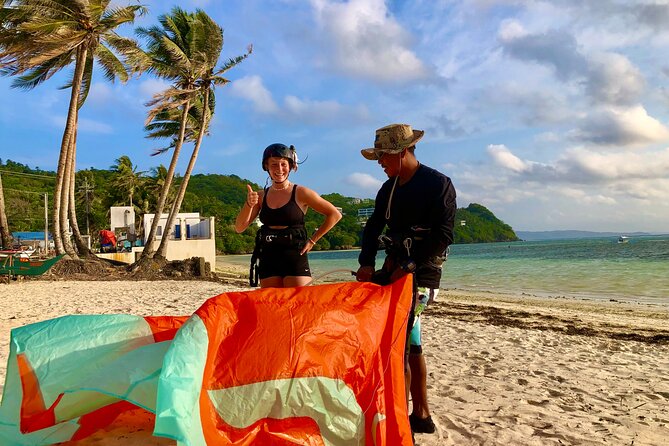
Hook: learning kitesurfing should feel guided, not random. That is what makes this Boracay lesson so appealing, you start with wind direction and kite control, then you move into water skills like body dragging. You are on Bulabog Beach, where conditions are built for learning rather than just watching.
I also like the practical focus on fundamentals, not fancy tricks. The included gear kit (kite, bar, booties, harness) means you are not scrambling at the last minute, and the coaching aims to get you comfortable fast. Instructors such as Chris, Jen, Arıkan, Dennis, Ton Ton (Stefan), and Gido are repeatedly highlighted for patient, clear teaching.
One consideration is that time and flow can shift with group size and weather. The session is about 2 hours with 2 people, and about 1.5 hours if you are solo, plus the activity depends on good conditions.
In This Review
- Key takeaways before you book
- Why Bulabog Beach is a smart classroom for kitesurfing
- Gear included at Isla Kitesurfing, plus what you should bring
- What your beginner session actually teaches, step by step
- 1) Kite basics and wind direction
- 2) Easy exercises that build control
- 3) Body dragging for control on the water
- How long is it?
- Safety habits that make a beginner course feel sane
- The instructor team, from clear cues to patient teaching
- Price and value, what $102.45 buys you in Boracay
- Logistics that matter, without the hassle
- Weather and wind, the reality check (and why it is still worth it)
- Who should learn here, and who might want a different plan
- Should you book kitesurfing lessons at Isla Kitesurfing in Boracay?
- FAQ
- How long is the kitesurfing lesson?
- What’s included in the price?
- What should I bring with me?
- Where do I meet for the lesson?
- When is the school open?
- How many people will be in my group?
- Does the lesson run in any weather?
- What is the cancellation policy?
Key takeaways before you book
- Small group size (max 2 travelers) helps you get more direct attention
- Gear included covers kite, bar, booties, and harness, so you can travel lighter
- Beginner skills that matter: wind direction, water relaunch, and body dragging
- Safety habits are emphasized with close coaching and protective gear like helmets
- Instruction support is consistent with multiple instructors praised by name at Isla Kitesurfing
Other Boracay days we have written up
- Boracay: Island and Beach-Hopping Boat Tour with Snorkeling★ 4.3 · 587 reviews
- Boracay: Sunset Cruise with Water Activities★ 4.7 · 276 reviews
- Boracay: Helmet Diving Experience with Photos and Videos★ 4.7 · 155 reviews
- Boracay: Island Boat Tour with Crystal Cove Entry★ 4.2 · 151 reviews
Why Bulabog Beach is a smart classroom for kitesurfing
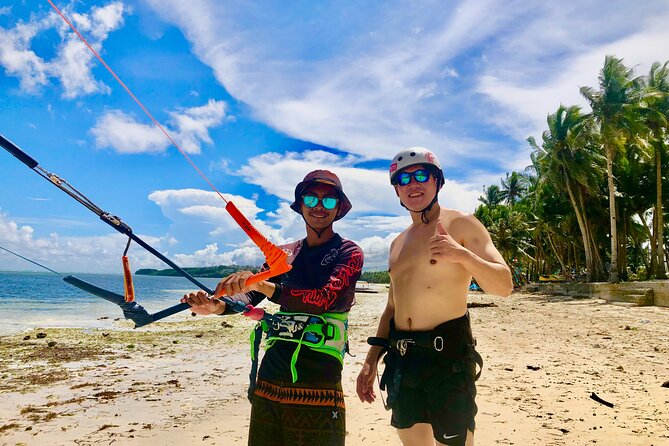
Boracay is known for beach time, but Bulabog Beach has a learning vibe for kite sports. You will be dealing with real wind and real kite power, which is exactly what you need as a beginner. The lesson is built around understanding that wind, then using the kite on purpose, not by luck.
I like how the course is framed as an introduction, not a vague “go have fun” session. You get a structured progression that starts with fundamentals, then moves into body control in the water. If you want the quickest path to feeling in command, this kind of step-by-step matters.
Also, Bulabog is where you can keep it simple: show up, gear up, and get focused on the day’s wind. There is a real difference between learning in a windy zone where instructors can teach kite handling, and trying to guess at conditions from a beach that is not set up for the sport.
Gear included at Isla Kitesurfing, plus what you should bring
This lesson includes the core kit you do not want to purchase or rent on your own: kite, bar, booties, and harness. That is a big value factor, because buying or renting the wrong size or wrong type of equipment is a common beginner headache in beach sports.
You still need to show up ready for sun and water. Isla recommends practical clothing like swimming shorts, a lycra top or t-shirt, plus suncream and sunglasses with a strap. In real life, strap sunglasses are not optional, they save you from constantly adjusting or losing them.
If you are thinking about comfort, booties help with water feel and foot protection, and the harness is part of learning kite power safely. You might also want a strap for your phone or a small waterproof bag, since you will be around water and sand all day. Just keep it simple and pack like you are at the beach first, sport second.
What your beginner session actually teaches, step by step
The course is designed as a true skills introduction. The lesson goal is that you understand the wind, you can pilot the kite with basic control, and you can execute early water exercises without panic.
1) Kite basics and wind direction
You start with the fundamentals of how wind direction affects the kite. This is the point where a lot of beginners either get it or they get lost. When you understand wind, you stop treating the kite like a mystery object and you start treating it like a tool.
You also learn the basics of kite power control. This is where students usually feel surprised by how quickly things can move. A good instructor will keep you calm while you build the right habits, and Isla’s teaching style is repeatedly described as patient and safety-first.
Faster things to do on the water in Boracay

2) Easy exercises that build control
After the initial concepts, you practice kite handling with drills that are meant to be manageable. The lesson includes water relaunch exercises, which are key because kites do not always stay in the air perfectly when you are learning.
Water relaunch teaches you what to do when the kite needs help getting back. That matters because kitesurfing is partly about recovery skills, not just one perfect run.
3) Body dragging for control on the water
Then you move into body dragging exercises. This step is important because it helps you understand pull, balance, and the feeling of being dragged safely. You are not trying to ride yet in a dramatic way, you are learning how your body works with the kite.
For beginners, body dragging can be the moment things click. Multiple instructors are praised for getting students to the point where they can transition and ride continuously over multiple days, which is a sign the teaching builds momentum rather than stalling at the first hurdle.
How long is it?
You can expect around 2 hours if there are 2 people in your group, and about 1.5 hours if there is only 1 person. That difference sounds small on paper, but it affects how many reps and how much time you get to repeat the basics. If you are booking solo, plan to use your time efficiently and ask questions early.
Safety habits that make a beginner course feel sane
Kitesurfing is exciting, but it is also power sport physics. That is why safety practices matter more than any hype.
From what you can learn about the way Isla operates, safety is not treated like a checkbox. Instructors are praised for staying close and watching what is happening, plus protective habits like wearing a helmet are specifically mentioned. There is also mention of using walkie-talkies for coordination, which tells you someone is actively monitoring and communicating rather than freelancing.
Safety-first teaching also shows up in the way the course focuses on basics before bigger steps. Water relaunch and body dragging are taught as building blocks. When you learn recovery early, you are less likely to panic when something goes sideways, which is a big deal in windy conditions.
One honest consideration, though: even with strong safety procedures, accidents can still happen in wind sports. There is at least one serious complaint in the broader feedback about an equipment damage incident tied to kite placement under supervision and how a rule set prioritized students in a conflict. I cannot judge how that case played out for you, but it is worth taking seriously: if compensation and rules matter to you, ask how they handle incidents and equipment issues before your session.
The instructor team, from clear cues to patient teaching
A huge part of whether kitesurfing feels achievable is the instructor’s teaching style. This school has earned a lot of credibility by consistency across different coaches.
Names that come up in the feedback include Chris and Jen, with multiple people credited for getting them up and riding quickly. Ton Ton, also noted as Stefan, is highlighted for patience and walking students through sessions in a calm, step-by-step way. Arıkan and Dennis are also mentioned for giving concise, clear advice and unlimited patience.
If you are the kind of learner who needs repetition, you will probably appreciate instructors described as adjusting the setup and teaching to the student’s needs. That kind of customization matters, because kite handling is personal, your body position, your balance, and your comfort all change the learning curve.
I also like the tone you see in the way instructors are described. It is not just “follow me,” it is guidance and feedback, which is what you need when you are learning a sport with lots of moving parts.
Price and value, what $102.45 buys you in Boracay
At about $102.45 per person, you are paying for an intro lesson that includes a meaningful amount of equipment and instruction time. For beginners, the value is not just the hour count, it is that you get supervised time with a kite and the right gear already sorted.
A big value point is that you do not need to rent a harness, booties, or a kite setup on your own. The included gear reduces your friction and makes it more likely you show up ready to learn. If you have ever watched beginners struggle because they are missing the right fit or the right equipment, you know why that matters.
Booking about 33 days in advance on average also suggests demand is steady. That is helpful if you like to plan, and it gives you a window to pick a time when wind conditions are likely to cooperate.
One practical value tip: since the class is short and small group focused, treat your first session as a foundation builder. If you want to progress fast, you may be better off planning at least a couple of days of instruction rather than trying to absorb everything in one go. The feedback you can find around Isla’s coaching style strongly leans toward steady, day-by-day progress.
Logistics that matter, without the hassle
Your meeting point is the Isla Kitesurfing and Wingfoiling School on Bulabog Beach in Boracay. The activity ends back at the meeting point, which keeps your day from turning into a long transport shuffle.
The school is open daily during the hours listed (8:00 AM to 6:00 PM across the season shown). That matters because wind conditions often favor certain times, and flexibility helps you catch the better window.
Also, near public transportation is listed, which can be useful if you are staying around the main areas and do not want to rely entirely on private rides.
Weather and wind, the reality check (and why it is still worth it)
This experience requires good weather. That is not a random warning, it is the core of learning kitesurfing. If wind is too weak, you cannot practice control. If conditions are not right, instructors have to adjust the lesson for safety.
The upside is that a serious school will not push a beginner course when conditions are unsafe or ineffective. When the activity is canceled due to poor weather, you are typically offered a different date or a full refund. That is the kind of policy that protects your money while also respecting that wind sports are weather-driven.
If you are planning a tight vacation schedule, keep a little buffer time. You will have a better chance to fit the session when your itinerary can flex.
Who should learn here, and who might want a different plan
This course is well suited if you are a true beginner or near-beginner. The curriculum is built for kite basics, wind direction understanding, and early water exercises like water relaunch and body dragging.
It is also a strong choice if you want small group attention. A maximum of 2 travelers means the instructor can spend time correcting technique instead of spreading attention across a bigger class.
Who might pause and think first? If you have strong concerns about how incidents are handled, or you need guaranteed compensation terms in writing, ask those questions up front. Also, if you are the type who hates unpredictability, weather dependency is the biggest tradeoff of any kitesurfing lesson. Plan around wind, not against it.
Should you book kitesurfing lessons at Isla Kitesurfing in Boracay?
If you want a beginner course that focuses on real control skills, I think you should strongly consider booking. The mix of small group size, gear included, and a teaching team praised for safety-first coaching is exactly what you want when you are learning a power sport on water.
Book this if:
- You are serious about learning wind direction and kite control, not just doing a one-off tryout
- You value patient instruction and close coaching
- You want an efficient intro that includes the basic equipment you need
Hold off or ask extra questions if:
- You are traveling with strict time limits and cannot accommodate weather delays
- You have specific needs around incident handling and equipment damage policies, and you want clarity before you go
In Boracay, kitesurfing is one of those experiences where the quality of instruction matters as much as the beach. Isla’s approach, with instructors named across multiple feedback notes and a strong safety emphasis, is a solid reason to trust your learning day.
FAQ
How long is the kitesurfing lesson?
The activity lasts about 2 hours when there are 2 travelers. If there is only 1 traveler, the activity is about 1.5 hours.
What’s included in the price?
The price includes the kite, bar, booties, and harness.
What should I bring with me?
Isla recommends swimming shorts, lycra (or a t-shirt), suncream, and sunglasses with a strap.
Where do I meet for the lesson?
You meet at Isla Kitesurfing and Wingfoiling School on Bulabog beach, Boracay, Aklan, Philippines. The activity ends back at the meeting point.
When is the school open?
The listed opening hours are 8:00 AM to 6:00 PM, Monday through Sunday, for the season shown.
How many people will be in my group?
This activity has a maximum of 2 travelers.
Does the lesson run in any weather?
No. The experience requires good weather. If it is canceled due to poor weather, you will be offered a different date or a full refund.
What is the cancellation policy?
You can cancel for a full refund if you cancel at least 24 hours before the experience’s start time. If you cancel less than 24 hours before, the amount paid will not be refunded.
More Tour Reviews in Boracay
- Boracay: Island and Beach-Hopping Boat Tour with Snorkeling★ 4.3 · 587 reviews
- Boracay: Sunset Cruise with Water Activities★ 4.7 · 276 reviews
- Boracay: Helmet Diving Experience with Photos and Videos★ 4.7 · 155 reviews
- Boracay: Island Boat Tour with Crystal Cove Entry★ 4.2 · 151 reviews
Faster Water in Boracay
- Boracay: Sunset Cruise with Water Activities★ 4.7 · 276 reviews
- Boracay: Crystal Kayak Photo-op Experience★ 4.7 · 72 reviews
- Boracay: Parasailing, Island Hopping, ATV Ride and Kawa Bath★ 4.5 · 67 reviews
- Boracay: Solo or Tandem Parasailing Experience★ 4.5 · 58 reviews
Boracay, More of It
- Boracay: Island and Beach-Hopping Boat Tour with Snorkeling★ 4.3 · 587 reviews
- Boracay: Sunset Cruise with Water Activities★ 4.7 · 276 reviews
- Boracay: Helmet Diving Experience with Photos and Videos★ 4.7 · 155 reviews
- Boracay: Island Boat Tour with Crystal Cove Entry★ 4.2 · 151 reviews
More of Boracay, reviewed
- Soar & Explore: Boracay Parasailing + Island Hopping
★ 5.0 · 3 reviews - Boracay Kiteboarding Discovery Course
★ 5.0 · 3 reviews - Boracay: Island Hopping with Lunch, Crystal Cove, Snorkeling
★ 4.0 · 3 reviews - Boracay: Island Hopping with Hot Kawa Bath
★ 3.3 · 3 reviews - Boracay Island Hopping Experience
★ 3.5 · 3 reviews
Boracay Island Tours, start to finish.
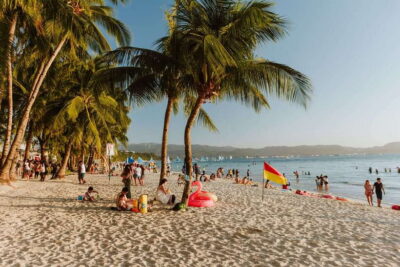 ★ 4.3Boracay: Island and Beach-Hopping Boat Tour with SnorkelingFrom $20587 reviews
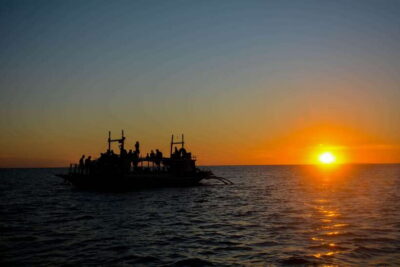 ★ 4.7Boracay: Sunset Cruise with Water ActivitiesFrom $16276 reviews
 ★ 5.0Boracay Sunset Cruise with Party DJ & Unlimited Food and DrinksFrom $70211 reviews
 ★ 5.04 Hour Private Boracay Island Hopping TourFrom $95167 reviews
 ★ 4.7Boracay: Helmet Diving Experience with Photos and VideosFrom $22155 reviews
 ★ 4.2Boracay: Island Boat Tour with Crystal Cove EntryFrom $28151 reviews
 ★ 4.3Boracay: Island Hopping with Snorkeling and Crystal CoveFrom $30109 reviews
 ★ 4.8Boracay: Introduction to Scuba Diving ExperienceFrom $50104 reviews
Where this one shows up