
REVIEW · SCUBA DIVING AND FREEDIVING
Beginner Freediving Course (with Bonus Session)
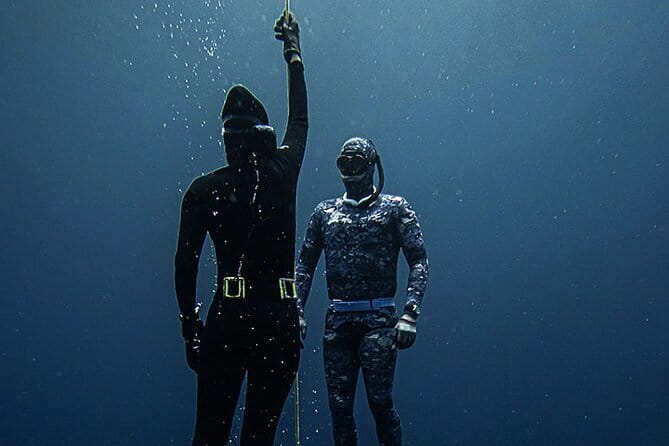
Breath control beats tanks, every time. This SSI Level 1 freedive course on Panglao Island turns underwater curiosity into real, step-by-step breathing and safety skills, with classroom, pool practice, and open-water sessions. You are aiming for confidence to depths up to 20 meters, without scuba gear.
I especially like the small-group size, max 4 travelers, because you get more personal coaching during drills. I also like that the essentials are included, equipment, a certificate, and even unedited photos and videos, so you can focus on learning instead of tracking gear.
One practical consideration: lunch is not included. You can order it in advance for about 250 PHP, so plan for that cost and timing.
In This Review
- Key things to know before you go
- SSI Level 1 in Panglao, what you are really signing up for
- Price and value: what $416.70 includes, and what that means for you
- Day-by-day structure: how your 2.5 days become confident open-water time
- Meeting at Freedive Academy Panglao: where the course starts
- Classroom training: safety procedures and breathing skills you will use again
- Pool sessions: where you learn to relax instead of panic
- Open-water sessions at Napaling Reef, plus how the bonus session helps
- Included gear and media: small things that make learning smoother
- Who this course fits best, and who should plan extra care
- Practical tips to get the most out of your 3 days
- Should you book this SSI Level 1 freedive course in Panglao?
Key things to know before you go
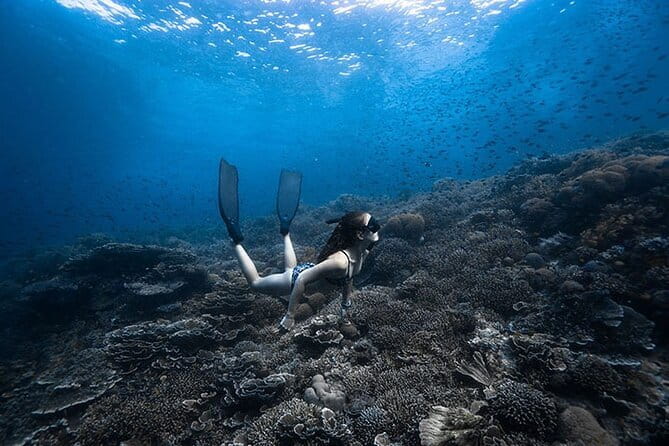
- SSI Level 1 for beginners, with instruction designed for first-time freedivers aiming toward 20 meters
- Small groups (max 4 travelers), which makes it easier to get corrections on breathing and relaxation
- Everything you need is included, including equipment use and a certificate after completion
- Panglao Island convenience, with hotel, airport, or port pickup included
- Napaling Reef open-water time, supported by earlier classroom and pool sessions
- Bonus session included, giving you extra repetition to improve between the main training blocks
Still weighing up the options? These Panglao Island trips came out well when we reviewed them.
- Bohol: Boat Tour to Sandbar and Snorkeling with Turtles★ 4.3 · 186 reviews
- Bohol Chocolate Hills, Tarsiers & Loboc River Shared Tour★ 4.5 · 35 reviews
- Private Bohol and Chocolate Hills with Loboc River Cruise★ 4.5 · 29 reviews
- Bohol Chocolate Hills, Tarsiers & Loboc River Private Tour★ 4.5 · 13 reviews
SSI Level 1 in Panglao, what you are really signing up for
This is a structured beginner freedive course based on SSI Level 1 training. The big idea is simple: you learn how to manage breathing and breath-hold in a controlled way, with a strong emphasis on safety and pressure-related issues. Instead of using tanks, you focus on technique, calm, and staying within your limits.
Why that matters is that a lot of first-time underwater experiences are either too loose or too gear-heavy. Here, the whole course is built around learning on your own, step by step, with instructor-led guidance and practice sessions that build confidence before you head into open water.
If your goal is learning something transferable, not just taking a one-off snorkel trip, this format makes sense. You leave with a certificate, and you have a base skill set you can grow later with advanced courses.
Price and value: what $416.70 includes, and what that means for you
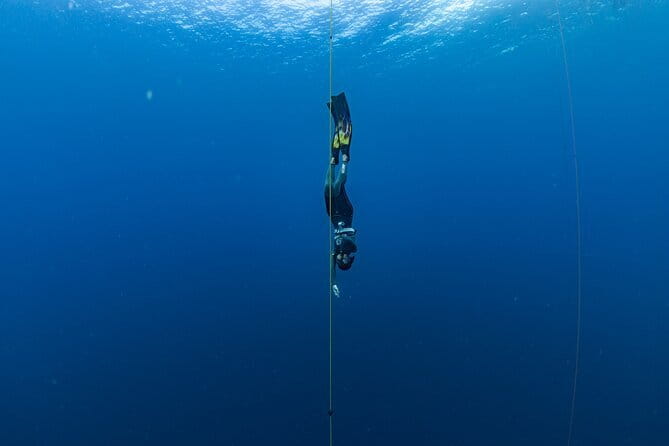
At $416.70 per person for an experience that runs about 3 days, the pricing only feels fair if key training pieces are truly included. In this case, they are.
You get:
- Small-group classes (max 4)
- Equipment use during the experience
- A certificate upon completion
- Classroom time, pool practice, and open-water sessions
- Pickup from your Panglao hotel, or from the airport or port
- Unedited photos and videos
- All fees and taxes
That is a lot of “hidden value” bundled into one price. Think about it like this: learning freediving depends on repeated practice, and repeated practice depends on time, instructors, and the right setup. When those are included, you avoid the common travel headache of piecing together separate lessons, extra rentals, and photo fees.
The only clear extra you should budget for is lunch, since meals are not included.
Day-by-day structure: how your 2.5 days become confident open-water time
The course duration is described as about 2.5 days within a 3-day schedule window. That matters, because beginner freedive training is not “one big day at the beach.” It is learning a system, then drilling it.
In practical terms, you should expect a progression like this:
- Classroom fundamentals: safety procedures, and the basics of pressure-related issues, plus breath-hold and breathing technique.
- Pool sessions: controlled practice where you can slow things down, get feedback, and build calm before open water.
- Open-water sessions: applying what you practiced at the reef, with the course safety framework guiding the experience.
- Bonus session: extra repetition to reinforce your early skills.
The course also includes both classroom and pool instruction, not just “go try it.” For first-timers, that is usually the difference between feeling lost and actually making progress.
Meeting at Freedive Academy Panglao: where the course starts
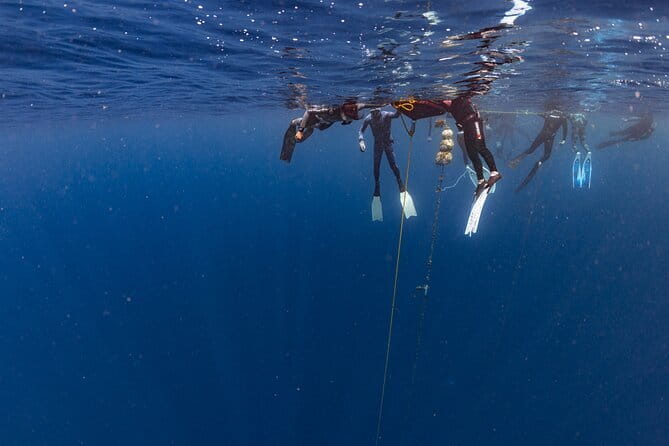
Your day begins at Freedive Academy Panglao, located at Napaling Drive 1, Panglao, Bohol. Since the course includes pickup from your hotel, airport, or port, you should plan to arrive without a messy transfer plan.
This start location matters because it sets the tone. You are walking into a training environment built for freedive instruction, not a random beach kiosk. The result is that your gear setup and briefing can happen in a calmer way.
The academy operates daily from 8:00 AM to 5:00 PM. So while your exact order of activities may vary by group and conditions, you are not dealing with a tiny window where everything is rushed.
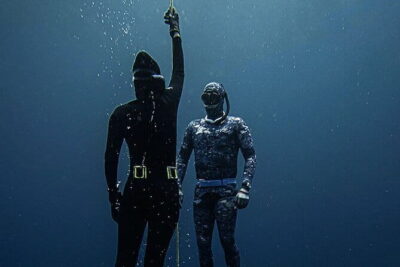


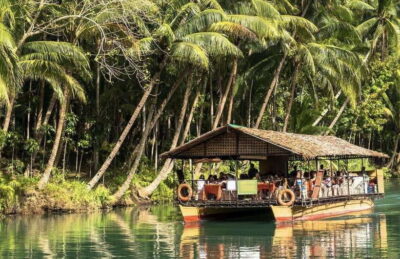

Classroom training: safety procedures and breathing skills you will use again
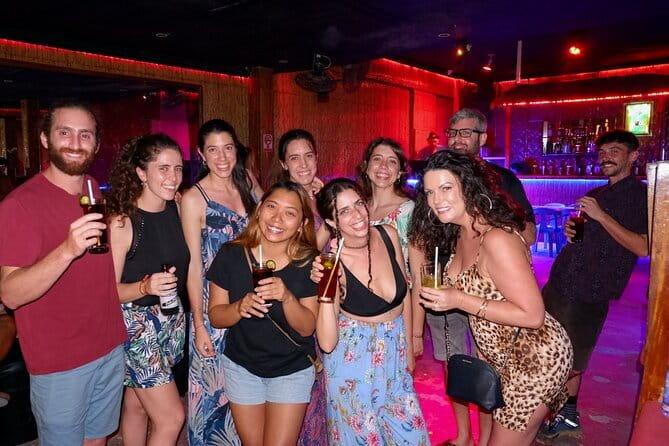
The classroom part is not a lecture where you just watch others. It is where you learn the rules that keep you safe and where you understand the “why” behind breath-hold technique.
The course highlights:
- Safety procedures review
- Breathing and breath-hold techniques
- Relaxation basics
- Pressure-related issues discussion
Those topics sound technical, but the goal is practical. Freediving is not about forcing yourself to be tough. It is about reducing unnecessary tension and managing your breathing plan. When safety procedures are clearly explained early, your later sessions feel less like guesswork.
A helpful sign from the experience’s reputation is the way instructors are praised for being patient and safety-first. Names like Teo, Jomari, Ven, Rashid, and Ramar show up in the academy’s instructor mentions. While you might not get the exact instructor shown in every case, the pattern is consistent: calm teaching, step-by-step coaching, and a focus on feeling safe while learning.
Pool sessions: where you learn to relax instead of panic
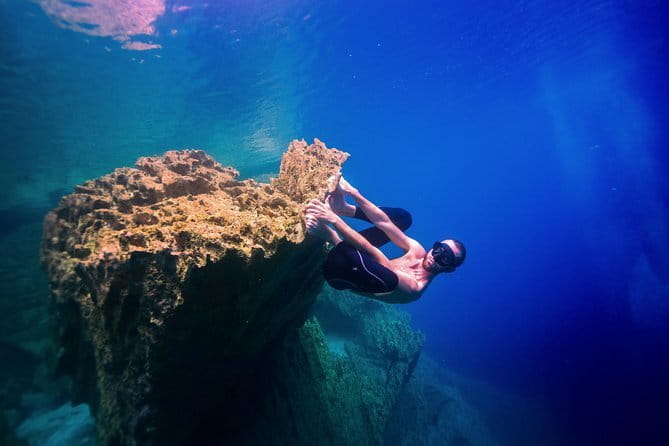
Your pool practice is the bridge between knowing technique and being able to do it under water. This is where many beginner students feel the biggest gap between theory and body behavior.
The pool format helps because it is controlled. You can repeat skills, get corrected quickly, and adjust without worrying about open-water variables. The experience specifically includes pool sessions as part of the course progression, which tells me the academy values repetition and feedback, not just a quick demo.
What you are likely to work on during pool time:
- Breathing patterns and breath-hold mechanics
- Relaxation habits that make it easier to stay calm
- The pacing of each attempt, with instructor support
This is also where the small-group size (max 4) pays off. Instructors can watch you more carefully, instead of spreading attention thin across a larger class. Freediving technique lives in tiny details, and pool work is where those details get sorted.
Open-water sessions at Napaling Reef, plus how the bonus session helps
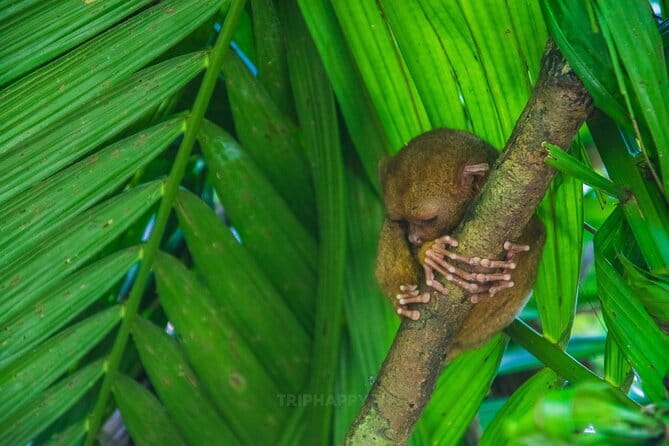
Your course includes a reef stop at Napaling Reef. That is your transition point from pool comfort to open-water reality.
Open water is where you learn that freedive technique is not just breathing. It is also environment awareness and maintaining your training routine when conditions feel new. The experience is designed to support that transition by requiring earlier practice in classroom and pool settings.
The course also includes a bonus session. For beginners, extra reps are not just a nice-to-have. They help you correct mistakes before they become habits. Bonus time usually means you get another chance to apply what you learned, instead of leaving immediately after your first attempt in open water.
What makes Napaling Reef valuable in this context is simple: it is a real reef setting that lets you practice open-water sessions while still staying within a beginner-focused course structure. You are not being thrown into something “for experts only.” Your training scaffolding follows you into the water.
Included gear and media: small things that make learning smoother
This experience lists use of snorkeling equipment and also includes unedited photos and videos. Even if you are training for freedive technique, having the right gear matters because your focus should be on breathing and relaxation, not on scrambling to borrow equipment or figure out fit.
The photos and videos are also useful for a practical reason. When you can review what you did, you can remember the instructor cues more clearly. That can help you improve after the course, especially with a skill like freediving where mental calm and body timing are crucial.
If you are the kind of person who likes proof and progress, the included media can be a real plus. If you are more private, you can treat it as optional documentation and move on.
Who this course fits best, and who should plan extra care
This is marketed as suitable for most travelers, and that is reassuring. But beginner freedive training still has one non-negotiable requirement: you need to be willing to follow safety guidance and practice relaxation. The body learns calm by doing it repeatedly.
This course is a great fit if:
- You want structured beginner training with a recognized SSI Level 1 certificate
- You prefer learning with fewer people around, max 4
- You want an alternative to tank-based diving that focuses on technique and breath control
- You value safety coaching and patient instruction (names like Teo, Jomari, Ven, Rashid, Rea, and Ramar come up repeatedly in instructor mentions)
You might want extra caution if:
- You get anxious in training environments or dislike being coached on breathing and breath-hold
- You have trouble managing your schedule, because a multi-day course is not a casual “book and forget” activity
- You expect lunch to be included automatically, since it is not
Practical tips to get the most out of your 3 days
A good course runs on good preparation. Here are a few choices that usually improve the experience for beginners:
- Plan your lunch order ahead of time. Lunch is not included, but ordering in advance is available for about 250 PHP.
- Wear comfortable swimwear and keep your day bag simple. When you are practicing breath-hold skills, you want minimal distractions.
- If you feel nervous, do not fight it. Freedive training is built around learning relaxation, not forcing yourself through stress.
- Bring your best “listen, then try” attitude. Pool sessions are when small corrections matter most.
- Take advantage of the bonus session. If you think you can coast through because you already did fine once, you might lose the improvement window.
Also, since pickup is included, confirm where you want to be picked up and be ready on time. A smooth start keeps the training blocks on track.
Should you book this SSI Level 1 freedive course in Panglao?
If your goal is learning real freedive technique with safety procedures, structured practice, and a certificate, I think this is a solid choice. The price makes more sense when you look at what’s included: small-group instruction, equipment use, classroom plus pool plus open-water sessions, a bonus session, pickup, and media.
The main reason not to book is simple: if you want a full-day, casual snorkeling-style outing only, this is training focused. You will spend meaningful time learning and practicing breathing and breath-hold skills, not just enjoying the water.
My recommendation: book it if you want to take the next step beyond curiosity and get guided skill building in Panglao, with max 4 travelers and a reef-based beginner structure at Napaling Reef.
More Tour Reviews in Panglao Island
- Bohol: Boat Tour to Sandbar and Snorkeling with Turtles★ 4.3 · 186 reviews
- Bohol Chocolate Hills, Tarsiers & Loboc River Shared Tour★ 4.5 · 35 reviews
- Private Bohol and Chocolate Hills with Loboc River Cruise★ 4.5 · 29 reviews
- Bohol Chocolate Hills, Tarsiers & Loboc River Private Tour★ 4.5 · 13 reviews
More of Panglao Island, reviewed
- Panglao Bohol Island: Alona Beach Pub Crawl with Drinks
★ 4.5 · 6 reviews - Capture the Culture: IG Jeep Bohol Tour
★ 5.0 · 7 reviews - Bohol: Countryside Tour with Loboc (Buffet Lunch)
★ 4.7 · 9 reviews - Bohol Countryside Tour: Chocolate Hills, Tarsier and Loboc River
★ 4.5 · 10 reviews - Bohol Countryside Tour to Chocolate Hills and Loboc River
★ 4.5 · 11 reviews
Scuba Diving and Freediving, start to finish.
 ★ 4.7Boracay: Helmet Diving Experience with Photos and VideosFrom $22155 reviews
 ★ 4.9Cebu: Beach Scuba Diving ExperienceFrom $47130 reviews
 ★ 4.8Boracay: Introduction to Scuba Diving ExperienceFrom $50104 reviews
 ★ 5.0Cebu: Scuba Diving Experience beach entry in MactanFrom $4545 reviews
 ★ 4.7El Nido: Discover Scuba Diving with Manta Rays in SibaltanFrom $12624 reviews
 ★ 4.9Discover Scuba Diving in BoracayFrom $4922 reviews
 ★ 5.0Scuba Diving in Boracay: SSI Basic Diver for BeginnersFrom $6120 reviews
 ★ 5.0Discover Scuba DivingFrom $14918 reviews
Where this one shows up