
REVIEW · CEBU
Cebu City: Historical Street and Food Tour
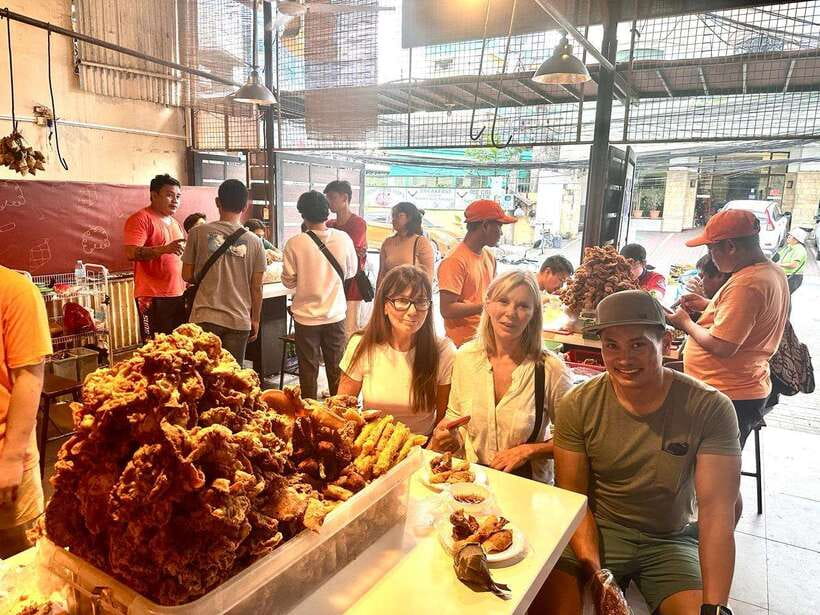
Cebu City history tastes better on foot. This 3-hour street-and-history tour strings together major landmarks and local snacks in a tight route, so you get context fast instead of wandering. I especially liked the English-speaking guides I met, with the kind of energy that makes old facts feel alive, plus the food stops that actually teach you what you are eating.
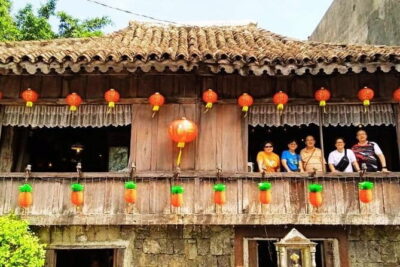
What I liked most was the pairing of food with storytelling. You start around the Cebu Farmers Market, then work your way through time, with stops like the Yap Sandiego Ancestral House (coral stone, 1680) and Cebu’s oldest Catholic church area.
One drawback to consider is the value question. At about $90 per person, you’re paying for a guided route and tastings, but if you mainly want churches and photos, you might feel it could be easier to do part of the route on your own.
In This Review
- Key highlights at a glance
- A fast, satisfying way to read Cebu City on a walk
- Meeting point and what the first hour sets up
- Market bites, then balut, with real context
- Cebu’s oldest city timeline, told through stops that make sense
- Yap Sandiego Ancestral House (1680): coral stone with mixed influences
- Basilica Minore del Sto. Nino de Cebu (1565): the church anchor
- Heritage of Cebu Monument and street-level history
- Carbon Market and Magellan’s Cross (1521): named places and big history
- Cebu Metropolitan Cathedral and the World War rebuild story
- The practical side: walking time, weather, and how to prepare
- Who this tour fits best, and who might skip it
- Should you book it?
- FAQ
- How long is the Cebu City Historical Street and Food Tour?
- What is included in the price?
- What is not included?
- Does it operate in rainy weather?
- How big is the group?
- What language is the tour guide?
- What food should I expect to try?
- What should I bring, and do I need cash?
- Is there anything I’m not allowed to wear?
- Do I have flexibility with booking and cancellation?
Key highlights at a glance
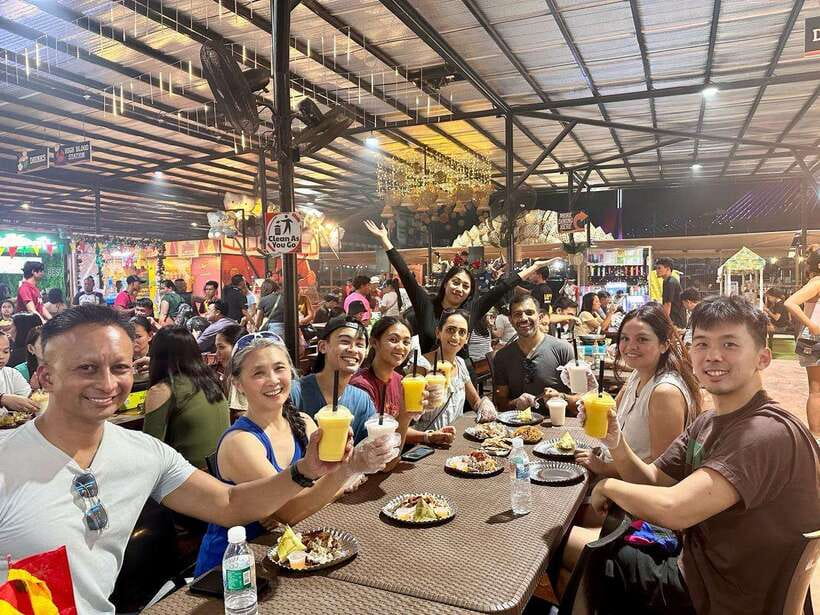
- Balut and local street food: you’ll taste the famous boiled salted duck egg, plus other Cebu snacks along the way
- Sixteenth-century Cebu in walking order: major sights like Basilica Minore del Sto. Nino de Cebu (1565) and Magellan’s Cross (1521) are close enough to connect
- Yap Sandiego Ancestral House (1680): coral-stone construction with Chinese and Spanish architecture cues
- Carbon Market history stop: named from the Spanish word for coal, and a practical waypoint for the final stretch
- Small group, about 10 people: easier questions and a calmer pace than big bus tours
Deeper into Cebu City and the hills above it
- Cebu City: Whale Shark Swimming & Kawasan Falls Canyoneering★ 4.7 · 665 reviews
- Cebu City: City and Mountain Highlights Tour★ 4.6 · 85 reviews
- Cebu: Exploring Cebu City’s rich history and Uphill Tour★ 4.5 · 68 reviews
- Cebu Highlands: Half-Day Escape with Optional Lunch★ 4.5 · 63 reviews
A fast, satisfying way to read Cebu City on a walk
Cebu City can feel like a busy blur when you first arrive. This tour gives you a simple structure, you walk, you stop, you taste, and you learn why the place looks the way it does. That flow matters, because history in Cebu is not just plaques. It is built into church fronts, old houses, and even the naming of markets.
I also like that the pacing is made for real questions. With a small group capped at 10, your guide can explain, then answer. In the reviews, I saw the same pattern again and again with guides like Kyle, Philip, and Nescian getting called out for clear English and strong energy, especially when someone is traveling solo.
The other thing I appreciate is the guide’s attention to safety and logistics. One reviewer specifically noted that the guide helped them catch a taxi home. That might sound minor, but after a few stops across central Cebu, it can really help you get your bearings and head back without stress.
Meeting point and what the first hour sets up
The tour starts with you meeting your guide in the designated pickup area, the guide holds a piece of paper with your name. From the beginning, the goal is not to rush you through. It is to orient you to Cebu’s food culture and the city core.
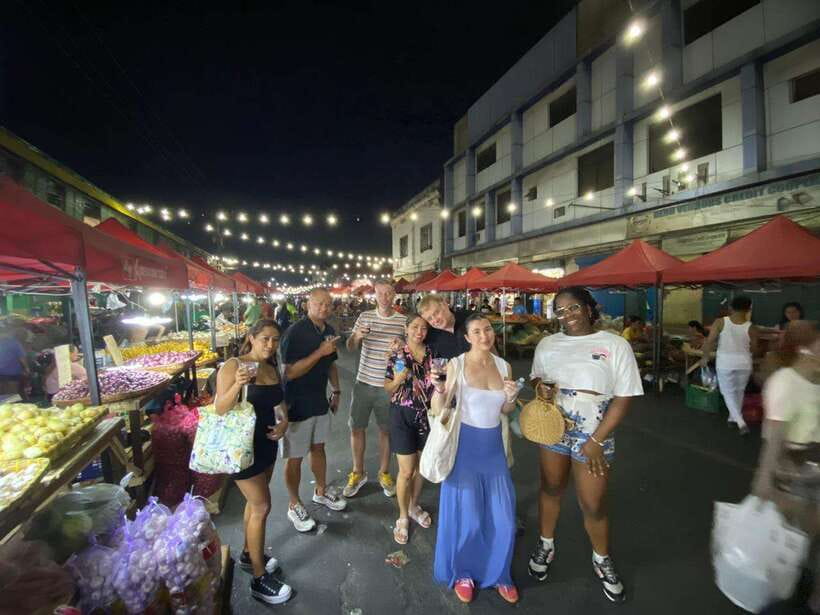
You begin at or near the Cebu Farmers Market, where the guide helps you understand what is typical and how locals shop and eat. Even if you have visited other markets in the Philippines, this one works well as a “baseline.” It gives you a sense of what is fresh, what is common, and how street food fits into everyday life.
Practical tip: bring cash if the tour includes any small add-ons you want to buy on your own, and wear comfortable shoes. This is a walking tour, and you do not want to save your energy for later when the hard part is the first stretch.
Market bites, then balut, with real context
Food tours can go two ways. Either you get random samples with minimal explanation, or you get a guide that helps you decode what you are seeing. This one leans hard into the second option.
One of the headline tastings is balut, a boiled salted duck egg. If you have never tried it, the tour experience is built around that moment, because your guide explains it in a way that makes it less strange. You get the “what” and the “how people eat it,” rather than just being told to try it and move on.
I also like that the food is not just one big event. After the market, you keep sampling Filipino street food with bold flavor combinations. Exact items can vary, but the tour is clearly set up so you are always eating something at stops, not just standing around while everyone else snacks.
One more note from reviews that helps your expectations: people mentioned food and drinks being handled generously. That matters because at $90 per person, you want to feel the tastings add up, not fizzle out after a single bite.
Cebu’s oldest city timeline, told through stops that make sense
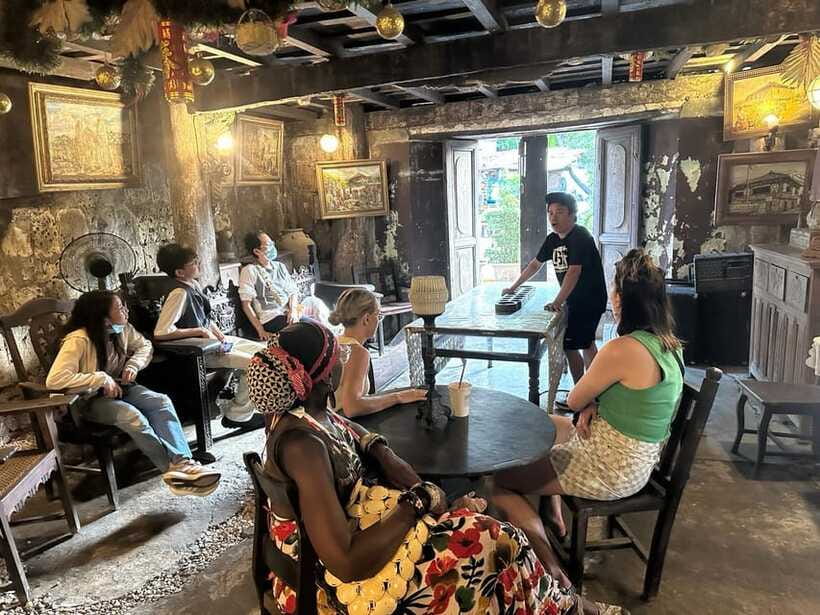
The tour’s route is designed around the idea that you should understand Cebu City in order, like chapters. You do not just see buildings, you learn what they represent and why they are still here.
That “oldest city” framing shows up constantly, because Cebu is often described as the oldest city in the Philippines, and it also links to Spain and the early colonial period. The guide uses that timeline to connect why certain landmarks exist where they do.
The walking style also helps. When sites are close together, you can actually compare architectural details and city layout. When they are far apart, you just get blurry memories. This tour keeps you in the historic core, which makes the lessons stick.
Still hungry? More Manila eating
Yap Sandiego Ancestral House (1680): coral stone with mixed influences
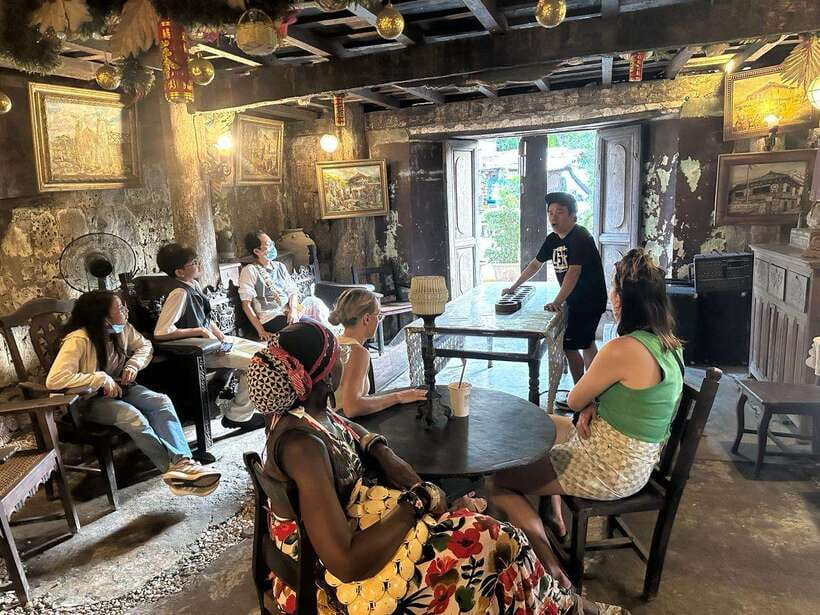
One of the standout stops is the Yap Sandiego Ancestral House, built from coral stone in 1680. That detail is not random trivia. Coral stone construction is one of those visual cues that tells you how local building materials and Spanish-era tastes blended.
This stop is especially valuable because the guide points out the Chinese and Spanish architecture cues. Even if you are not an architecture nerd (I am not), you start noticing things like the feel of the façade and the way the structure reads as both old and crafted.
Potential drawback: if you are the type who wants only “big postcard” sights, this house might feel more about details than drama. But for most people, it is the kind of stop that turns Cebu from a name into a place you can picture.
Basilica Minore del Sto. Nino de Cebu (1565): the church anchor
Next, you continue to Basilica Minore del Sto. Nino de Cebu. The tour centers it as the oldest Roman Catholic Church in the Philippines, dating to 1565.
This is one of those places where you can feel the weight of time even if you do not study every plaque. The guide’s job here is to make the story understandable, including why the site matters to Cebu and to the Spanish colonial era.
I recommend bringing patience for crowds and photos. Churches can be busy, and it is easy to rush your attention. With a guided tour, you get the “why it matters” before the photos, which is the better order.
Heritage of Cebu Monument and street-level history
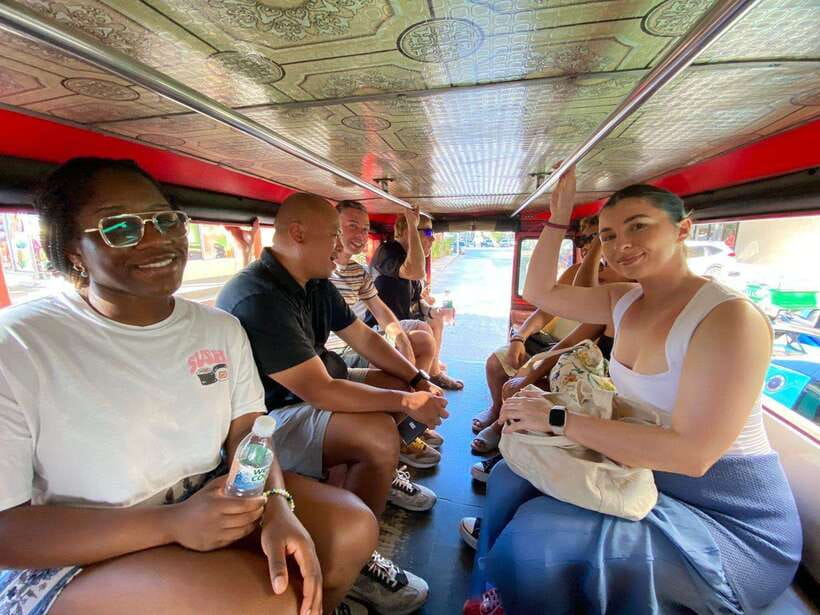
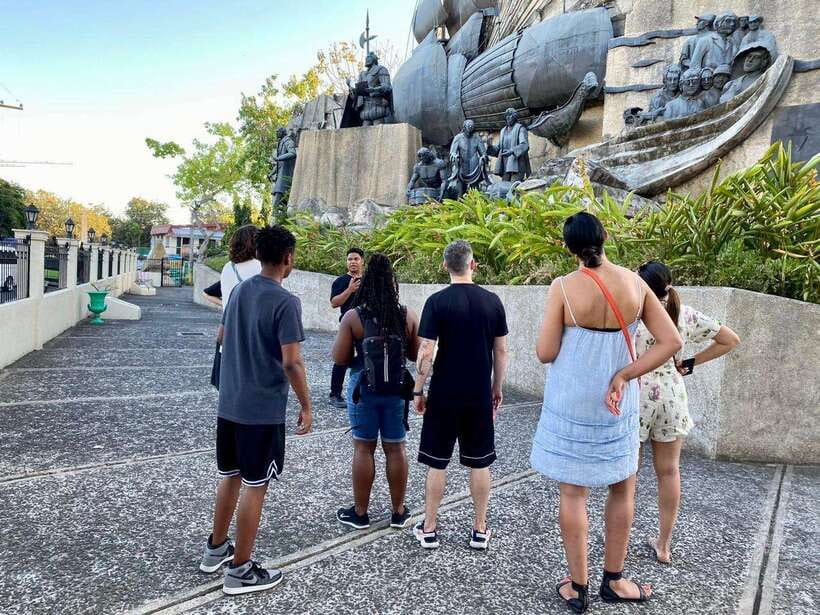
Along the route, you also see the Heritage of Cebu Monument, including its metal sculptures. This stop works as a bridge between the older religious landmarks and the more city-center market and commercial areas.
It is one of those moments where the tour shifts tone. Instead of only “old world,” you get a sense of modern Cebu remembering itself. The guide’s explanations help you see the monument as part of the story, not a random photo spot.
Carbon Market and Magellan’s Cross (1521): named places and big history
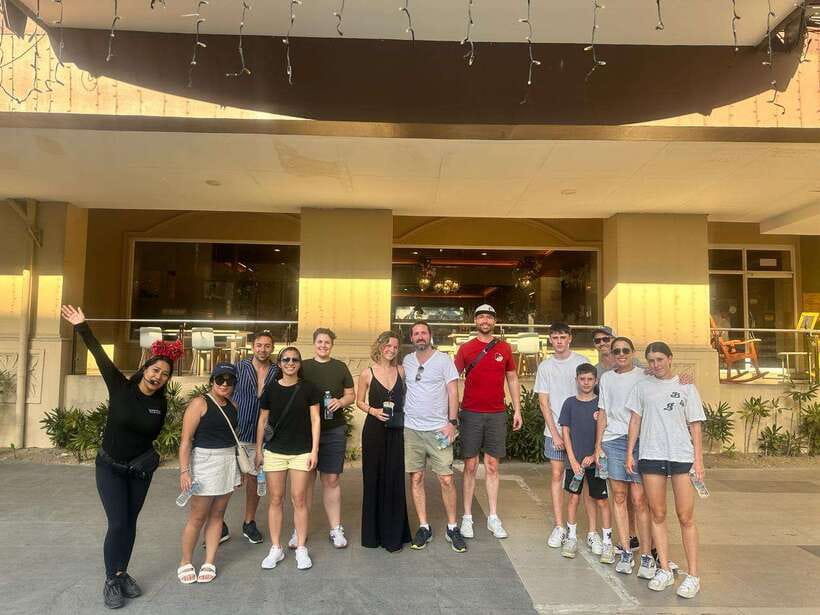
After the church area, the tour heads to Carbon Market, named from the Spanish word for coal. That naming detail is useful because it signals how the city’s commercial districts carried Spanish language into everyday geography.
Then comes Magellan’s Cross, where a Christian cross was left by explorers led by Ferdinand Magellan in 1521. Even if you have seen the cross in photos, the guided context changes how you look at it. You are not just snapping pictures, you’re understanding what this kind of landmark represented at the start of Spanish contact.
Practical note: keep your phone handy here, because this is the kind of stop people want to photograph. Just remember, the group pace is tight, so try not to lag. The guide keeps things moving at a walking pace that still lets you stop and take in what matters.
Cebu Metropolitan Cathedral and the World War rebuild story
From Magellan’s Cross, the tour walks you to Cebu Metropolitan Cathedral. The key historical point you get here is that the cathedral was destroyed during the Second World War and later rebuilt in the 1950s.
That detail helps you read the cathedral like a living timeline. It is not only the 1500s that shape Cebu. The 20th century also left scars, and rebuilding becomes part of the identity.
In reviews, this church sequence is described as cool and informative, especially for people who enjoy learning how history links across centuries without feeling overwhelmed.
The practical side: walking time, weather, and how to prepare
This is a 3-hour walking tour, designed as a compact loop through historic Cebu. You should plan to spend most of that time on foot, with short breaks at each stop for the guide’s explanations and tastings.
Weather: the tour runs rain or shine. So even if the sky looks decent, bring a light layer you can handle if a downpour starts.
What to bring is simple and sensible:
- Comfortable shoes
- Camera
- Comfortable clothes
- Cash
What to avoid: jewelry is not allowed. That is an unusual rule, but it is practical for crowded streets and market areas.
Transport: hotel transfer is not included. Pickup is handled as “please wait in the designated area,” with the guide holding a name sign. If you are staying a bit outside the center, factor in how you will get to that meeting zone.
Who this tour fits best, and who might skip it
You will likely love this tour if:
- you want a guided route through the historic core without sorting out a complicated self-made itinerary
- you enjoy street food and want to try balut with context
- you like learning facts tied to real places you can stand in front of
You might not love it if:
- your goal is mostly photo stops and you plan to go ultra-slow on your own schedule
- you have zero interest in tasting street food, since the food element is a major part of the experience
About that $90 price: I see what you’re paying for. You get guide time, route planning, and enough tasting stops that it feels like more than a quick snack run. Still, one review flat-out questioned the value. That tells me the tour is best when you genuinely want both history and food. If you only want one, you could feel shortchanged.
Should you book it?
If you like your history hands-on and your food guided with context, I think this is a strong pick. The combination of balut, market food, and landmarks like Yap Sandiego Ancestral House (1680), Basilica Minore del Sto. Nino (1565), Magellan’s Cross (1521), and Carbon Market gives you a complete Cebu City snapshot in a short window.
But if you are the type who hates walking, hates surprises with food, or wants to spend your time only at a couple major sites, you may do better piecing together a cheaper self-guided route. The tour is most worth it when you want the guide to translate the city for you, while you taste it at the same time.
FAQ
How long is the Cebu City Historical Street and Food Tour?
The tour lasts 3 hours.
What is included in the price?
The tour includes a tour guide and a guided tour.
What is not included?
Hotel transfer is not included.
Does it operate in rainy weather?
Yes, this tour takes place rain or shine.
How big is the group?
It is a small group limited to 10 participants.
What language is the tour guide?
The live tour guide speaks English.
What food should I expect to try?
You will taste local street food, including balut, which is a boiled salted duck egg.
What should I bring, and do I need cash?
Bring comfortable shoes, a camera, comfortable clothes, and cash.
Is there anything I’m not allowed to wear?
Jewelry is not allowed.
Do I have flexibility with booking and cancellation?
The tour offers free cancellation up to 24 hours in advance for a full refund, and it also has reserve now & pay later options (book now, pay later).
More Tour Reviews in Cebu City
- Cebu City: Whale Shark Swimming & Kawasan Falls Canyoneering★ 4.7 · 665 reviews
- Cebu: Whale Shark Swim and Kawasan Canyoneering Tour★ 4.6 · 318 reviews
- Cebu: Oslob Whale Sharks, Moalboal Sardine Run & Turtles★ 4.5 · 266 reviews
- Cebu: Kawasan Falls Canyoneering Tour with Ziplining & Lunch★ 4.8 · 259 reviews
Manila by the Plate
- Cebu & Lapu-Lapu City Tour With Lunch at House of Lechon★ 5.0 · 3 reviews
Cebu City and the Uphill Route
- Cebu City: Whale Shark Swimming & Kawasan Falls Canyoneering★ 4.7 · 665 reviews
- Cebu City: City and Mountain Highlights Tour★ 4.6 · 85 reviews
- Cebu: Exploring Cebu City’s rich history and Uphill Tour★ 4.5 · 68 reviews
- Cebu Highlands: Half-Day Escape with Optional Lunch★ 4.5 · 63 reviews
More of Cebu City, reviewed
- Cebu: Whale Shark Encounter and Kawasan Canyoneering
★ 5.0 · 3 reviews - Cebu: Private Panoramic Tour with Dinner
★ 4.4 · 3 reviews - Cebu: Oslob Whale Shark, Sumilon, Ruins, Simala Church
★ 4.7 · 3 reviews - Cebu: Pescador Island, Sardines run and Kawasan Canyoneering
★ 5.0 · 3 reviews - Cebu: Mantayupan Falls, Hermit’s Cove & Bojo River Eco Tour
★ 4.8 · 3 reviews
Cebu City Heritage and Uphill Tours, start to finish.
 ★ 4.7Cebu City: Whale Shark Swimming & Kawasan Falls CanyoneeringFrom $124665 reviews
 ★ 4.5Cebu City: Bohol Countryside Tour with Loboc Cruise LunchFrom $144488 reviews
 ★ 4.5Private Cebu & Lapu-Lapu City Tour with Uphill Spots & Lunch at House of LechonFrom $75168 reviews
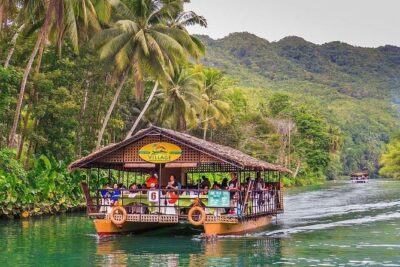 ★ 4.5Bohol Countryside Day Tour From Cebu City | Lunch at Loboc River CruiseFrom $145157 reviews
 ★ 4.6Cebu City: City and Mountain Highlights TourFrom $8785 reviews
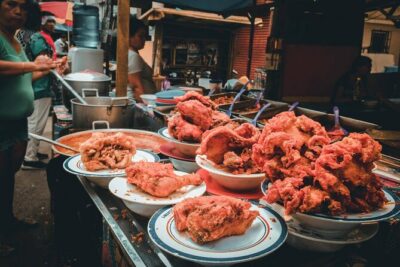 ★ 4.5The Original Cebu City Historical and Food Walking TourFrom $6981 reviews
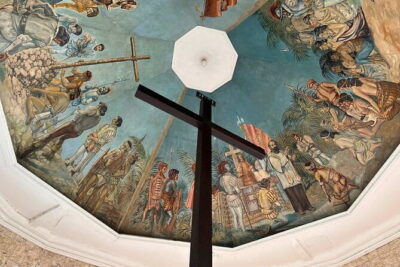 ★ 4.5Cebu: Exploring Cebu City’s rich history and Uphill TourFrom $7568 reviews
 ★ 4.0Cebu Group Tour: Best Cebu City TourFrom $7663 reviews