
REVIEW · CEBU
Food, Historical and Mountain Tour in Cebu City
Cebu in a single day, on your terms. I like the certified guide style, where each stop connects to the bigger story of Cebu, and I like the Chixboy skyline lunch break in the mountains. One watch-out: the day is packed, and a couple of major sites have day-specific issues, like Monday closures or renovation stoppages.
This is a private tour in a vehicle, starting at 9:00am, with pickup offered and mobile ticket support. In one of the best notes from past groups, the driver Ellet stood out for being attentive and for clearly explaining what you were looking at, not just shuttling you between places.
If you want a first-timer route that mixes churches, Spanish-era defense, Chinese religious art, and flower gardens in the same outing, this is the kind of plan that helps you get your bearings fast. It is also a solid value at $80 per person, because several stops list admission tickets as included, plus lunch has a set value.
In This Review
- Key things I’d flag before you go
- Meeting Cebu City: Pickup, Private Vehicle, and a 9:00am Start
- Fort San Pedro: A 16th-Century Bastion With Big-Story Context
- National Museum of the Philippines (Kabayan Branch): Fast Art and Artifacts Time
- Basilica del Santo Nino Museum and Basilica Minore: Santo Nino Devotion, Up Close
- Magellan’s Cross (Short Stop): What You Can Learn in 15 Minutes
- Taoist Temple: Dragon Motifs, Ritual Ideas, and a Hilltop View
- Museo Sugbo: When Renovations Can Affect Your Time
- Chixboy Restaurant Lunch: 500 Pesos Included With Skyline Views
- Sirao Pictoral Garden: Flower Photography Without the Museum Fatigue
- Price and Value: Why $80 Can Make Sense Here
- Who Should Book This Cebu Day, and Who Might Prefer Another Plan
- Small Tips That Make the Day Smoother
- Should You Book This Cebu History, Food, and Mountain Tour?
- FAQ
- How long is the tour?
- What time does the tour start?
- Is pickup included?
- Is this a private tour?
- Which sites are sometimes closed?
- Is lunch included, and what is the value?
- What happens if weather is bad?
Key things I’d flag before you go
- A full day that blends fort, faith sites, and mountain viewpoints so you do not just repeat the same city block.
- Guided museum time at the right Cebu landmarks including the Santo Nino complex and the National Museum (Kabayan Branch).
- A food stop with a real view at Chixboy plus a lunch value of 500 pesos.
- Flower garden time at Sirao where you can swap indoor history for outdoor color.
- Schedule-sensitive sites to double-check such as National Museum (closed Mondays) and Museo Sugbo (renovations).
- Private group comfort which usually means fewer stress moments and more questions answered on the spot.
Deeper into Cebu City and the hills above it
- Private Cebu & Lapu-Lapu City Tour with Uphill Spots & Lunch at House of Lechon★ 4.5 · 168 reviews
- Bohol Countryside Day Tour From Cebu City | Lunch at Loboc River Cruise★ 4.5 · 157 reviews
- The Original Cebu City Historical and Food Walking Tour★ 4.5 · 81 reviews
- Cebu Group Tour: Best Cebu City Tour★ 4.0 · 63 reviews
Meeting Cebu City: Pickup, Private Vehicle, and a 9:00am Start
This tour is built for people who want one guided day to make sense of Cebu City. You meet at 9:00am, and pickup is offered, which helps if you do not want to figure out taxis while juggling a tight schedule. The tour is private, meaning it is only your group in the vehicle, not a mixed crowd.
The big practical win here is pacing. Six to eight hours can sound long, but when the plan has logical clusters, you feel like you are moving through “zones” instead of crisscrossing the whole city randomly. The tour also lists the ability to tailor the itinerary to your preferences, so you can ask for more time at the stops you care about most.
Also note the mobile ticket option. It tends to cut down on time spent at check-in and keeps you from hunting for paperwork in your bag.
Fort San Pedro: A 16th-Century Bastion With Big-Story Context
Your first stop is Fort San Pedro, with a guided visit for about 30 minutes and admission included. This matters because Fort San Pedro is described as the oldest triangular bastion fort in the Philippines, dating back to the 16th century. Even if you are not a “fort person,” the shape and design are the kind of details that help you understand how Spanish colonial power tried to control the coastline.
What I like about starting here is that it gives you a framework. When you later see churches and monuments across Cebu, you are not just collecting landmarks. You are connecting them to the era that shaped them, plus the defense logic behind early settlements.
How to enjoy it more: wear comfortable shoes, because forts often mean uneven surfaces and short climbs. If your guide is good (Ellet-level good, based on past feedback), ask for the stories of how the fort was used against invasions. Those details are usually what make the walls feel human, not just old.
National Museum of the Philippines (Kabayan Branch): Fast Art and Artifacts Time
Next is the National Museum of the Philippines (Kabayan Branch), also about 30 minutes with admission included. The focus is Filipino heritage through ancient artifacts, craftsmanship, and stories spanning pre-colonial to more recent artwork.
Two things to consider:
- This stop is time-limited, so you will not see everything. The guide’s job is to point out the most important items for the story of Cebu and the region.
- This museum has a day-specific closure: it is closed every Monday of the week. If your travel dates include a Monday, plan around that.
Tip: if your tour day falls on Monday, ask what the guide plans to do in place of the Kabayan museum stop. Since the closure is clearly stated, you should be able to get a straightforward answer in advance.
Basilica del Santo Nino Museum and Basilica Minore: Santo Nino Devotion, Up Close
You get two related stops that many visitors treat as “one big church day.” Here, they are separated on purpose.
First is the Basilica del Santo Nino Museum for around 30 minutes, admission included. This is where you see religious artifacts, sacred relics, and religious statuary housed inside the basilica complex. The guide-led format is important, because the meaning of the objects tends to be tied to local devotion and historical context.
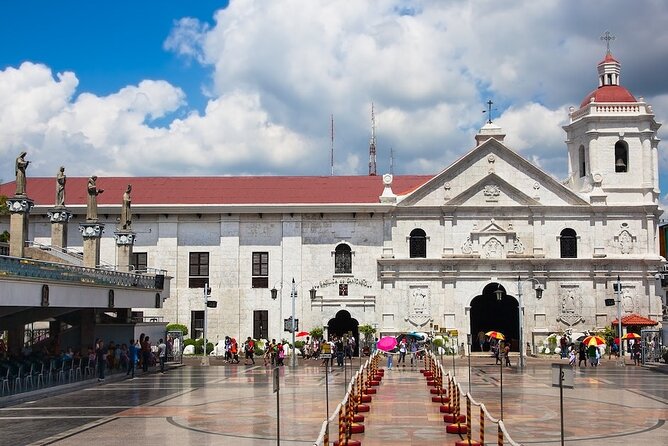
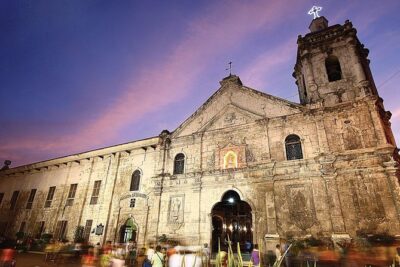
Then you move to the Basilica Minore del Sto. Nino de Cebu, again about 30 minutes with guidance and admission included. This stop highlights the basilica’s significance as home of the revered Santo Nino statue, plus the architecture and religious artworks. If you care about why these places became central to Cebu identity, this is one of the strongest parts of the day.
What makes this area click: you see both the physical devotion (the church space) and the interpretive layer (the museum). It is a good pairing for people who like a blend of art, spirituality, and history without needing to read a hundred plaques.
Other Cebu outings that kept coming up while we researched this one
Magellan’s Cross (Short Stop): What You Can Learn in 15 Minutes
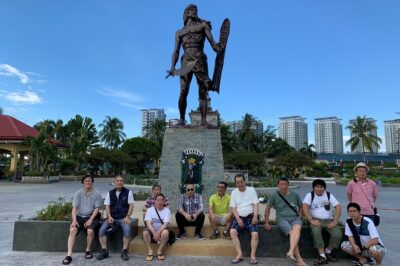
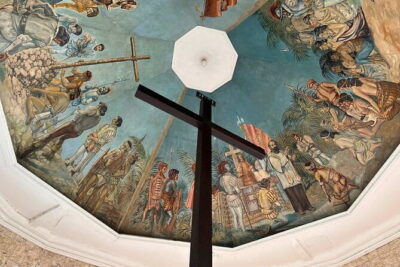
Magellan’s Cross is next, and it is quick, about 15 minutes with admission included. Even with a short visit, you can learn a lot if you treat it as a “symbol stop,” not a time-consuming photo stop.
The guide focus here is the arrival of Christianity in the Philippines and the cross’s origins and legacy tied to Ferdinand Magellan’s landing. In a packed schedule, short stops like this work best when you let the guide lead and when you ask one or two pointed questions about what the symbol meant then and what it means now.
Practical note: keep your energy. Your next stop goes up toward hilltop views and takes more time outdoors.
Taoist Temple: Dragon Motifs, Ritual Ideas, and a Hilltop View
The Taoist Temple visit runs about 30 minutes with admission included. This is a change of pace from the Christian sites, and that contrast is a good thing for your brain. You wander through ornate archways, intricate carvings, and dragon motifs, while your guide explains Taoist beliefs, rituals, and practices.
The temple’s hilltop setting is also part of the draw, because it overlooks Cebu City. Even if you are not the type to chase viewpoints, this stop gives you that “I see the city from above” moment without needing to go all the way outside town.
How to make it worthwhile: if you are comfortable asking questions, ask your guide what visitors often miss about the symbols or rituals. That kind of explanation is usually what turns a temple photo into a meaningful memory.
Museo Sugbo: When Renovations Can Affect Your Time
After that comes Museo Sugbo, guided for about 20 minutes with admission included. This museum is described as showing Cebu’s past from pre-colonial times to the Spanish era and beyond, using curated exhibits and artifacts that connect local traditions across time.
Here is the key issue: Museo Sugbo is currently undergoing renovations and can close. Since the stop is explicitly marked as subject to closures, do not assume it will definitely run the day you go.
What you can do: before you lock in your schedule, ask your operator whether your tour day is expected to include Museo Sugbo. If it is closed, you can still expect the guide to manage your time, but it helps to know the likely plan so you are not surprised on the day.
Chixboy Restaurant Lunch: 500 Pesos Included With Skyline Views
This is where the day shifts from “stop and go” to “eat and look.” Chixboy is scheduled for about 45 minutes, and lunch is listed as complimentary with a total value of 500 pesos. If you order beyond that amount, the excess is charged to you.
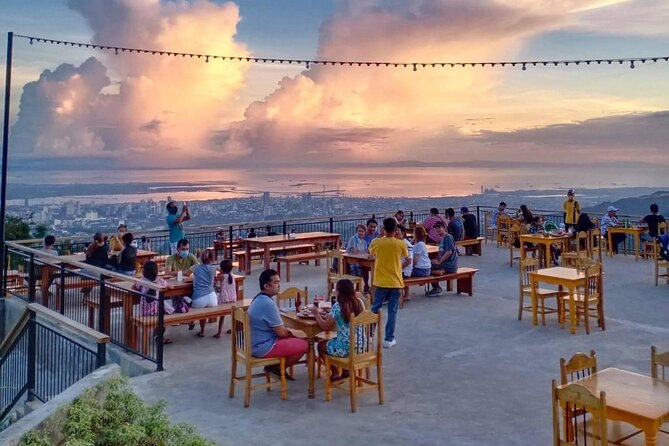
The viewpoint is the main reason this lunch works inside a history tour. You go from forts, crosses, and museums to the mountain side where you can see the Cebu skyline. That matters because it gives your day a visual reset and a break from indoor air-conditioning or clock-driven museum timing.
Food and timing tip: since the lunch window is 45 minutes, arrive with a plan. If you want photos, do them early. If you want to eat calmly, make sure you do not leave your choice too late in the meal.
Sirao Pictoral Garden: Flower Photography Without the Museum Fatigue
Your final scenic stop is Sirao Pictoral Garden, also called Sirao Flower Garden. It runs about 30 minutes with admission included. The focus here is the color and shape of the flowers, including the iconic celosia flowers, plus floral scenes that are designed for photos and relaxed strolling.
This is the best kind of ending to a day like this. After churches and artifacts, you get a low-pressure outdoor walk that feels like a reward. The guide can help with where to spend your time for the best views and the easiest walking route.
Practical advice: bring sun protection and water, since garden time can mean exposure. If you are sensitive to heat, ask your guide where the shaded spots are.
Price and Value: Why $80 Can Make Sense Here
At $80 per person for a 6 to 8 hour private tour, the value depends on two things: how many paid entrances are included and whether the lunch adds real savings.
In this itinerary, admission tickets are listed as included for multiple stops: Fort San Pedro, the National Museum (Kabayan Branch), Basilica del Santo Nino Museum, Basilica Minore, Magellan’s Cross, Taoist Temple, Museo Sugbo, Chixboy, and Sirao. Even if entrance costs vary a bit, the general idea is clear: you are not paying separately for each location on the day.
Then there is the lunch. Chixboy lunch includes a total value of 500 pesos, with any extra charged to you. A skyline meal with set value can add up, especially if you would otherwise eat at multiple spots during a day of touring.
Add in pickup offered, group discounts, and the private vehicle, and this price starts to look less like a “tour tax” and more like a way to control time. You pay for the structure, the guided explanations, and the smoother flow.
Who Should Book This Cebu Day, and Who Might Prefer Another Plan
This tour fits best if you like:
- History and religious sites, including guided explanations at the Santo Nino basilica and museum.
- City viewpoint time, especially with the Taoist Temple hill view and the Chixboy skyline lunch.
- A single-day mix, so your Cebu City visit does not feel repetitive.
It may feel too full if you:
- Want a slow pace and long stays at fewer locations.
- Hate driving in traffic or stop-and-go schedule days.
- Are traveling on a Monday and strongly care about the National Museum (Kabayan Branch), since it is closed every Monday.
If you are a first-time visitor who wants to learn the “why” behind the places, this tour is a practical way to build context fast. You also get guidance that can turn quick stops, like Magellan’s Cross, into more meaningful learning than a basic photo.
Small Tips That Make the Day Smoother
Good days start with simple prep:
- Wear shoes you can walk in on uneven surfaces at forts and temples.
- Bring sun protection and water for the garden and temple viewpoints.
- Decide what you care about most before the tour starts, then tell your guide. The tour is described as tailorable, so that matters.
- Plan for weather. The experience requires good weather, and the policy notes that weather problems can lead to a different date or a full refund.
If you want to get the most out of the guidance, ask your guide to connect two stops for you. For example: how early Spanish presence influenced what came next in Cebu, or how local devotion shows up in the Santo Nino sites.
Should You Book This Cebu History, Food, and Mountain Tour?
I think you should book this tour if you want one guided day that checks a lot of boxes: forts, basilicas, museum time, temple symbolism, garden photos, and a mountain lunch with a skyline view. The price is reasonable for what is included, and the private format helps you ask questions without feeling rushed by a big group.
I would pause before booking if your travel dates include a Monday and you specifically want the National Museum (Kabayan Branch), or if you are counting on Museo Sugbo to be open despite renovations. Since those issues are explicitly known, you can make an informed call.
Overall, this is a strong “get oriented, learn the story, then see the views” day in Cebu City, with the kind of guided attention that turns monuments into context.
FAQ
How long is the tour?
It runs about 6 to 8 hours.
What time does the tour start?
The start time is 9:00am.
Is pickup included?
Pickup is offered.
Is this a private tour?
Yes. It is private, meaning only your group participates.
Which sites are sometimes closed?
The National Museum of the Philippines (Kabayan Branch) is closed every Monday. Museo Sugbo is currently undergoing renovations and is subject to closures.
Is lunch included, and what is the value?
Lunch at Chixboy is complimentary with a total value of 500 pesos. Any amount above that is charged to the guest.
What happens if weather is bad?
This experience requires good weather. If it is canceled due to poor weather, you will be offered a different date or a full refund.
More Tours in Cebu
- Cebu City: Bohol Countryside Tour with Loboc Cruise Lunch★ 4.5 · 488 reviews
- Private Cebu & Lapu-Lapu City Tour with Uphill Spots & Lunch at House of Lechon★ 4.5 · 168 reviews
- Bohol Countryside Day Tour From Cebu City | Lunch at Loboc River Cruise★ 4.5 · 157 reviews
- Oslob Whale Sharks and Moalboal Sardine Run, Sea Turtles Tour★ 4.5 · 98 reviews
More Tour Reviews in Cebu
- Cebu City: Bohol Countryside Tour with Loboc Cruise Lunch★ 4.5 · 488 reviews
- Canyoneering Experience in Kawasan Falls with Lunch★ 5.0 · 440 reviews
- Cebu: Oslob Whale Sharks, Tumalog Falls & Sardine Snorkeling★ 4.3 · 343 reviews
- Whale Shark & Tumalog Falls & Sumilon Sandbar & Pescador Island with Sardines★ 4.5 · 223 reviews
Cebu City and the Uphill Route
- Cebu City: Bohol Countryside Tour with Loboc Cruise Lunch★ 4.5 · 488 reviews
- Private Cebu & Lapu-Lapu City Tour with Uphill Spots & Lunch at House of Lechon★ 4.5 · 168 reviews
- Bohol Countryside Day Tour From Cebu City | Lunch at Loboc River Cruise★ 4.5 · 157 reviews
- The Original Cebu City Historical and Food Walking Tour★ 4.5 · 81 reviews
More of Cebu, reviewed
- Panoramic View of Cebu and Dinner with Night View
★ 4.5 · 3 reviews - Cebu Traditional Bamboo Cooking
★ 5.0 · 3 reviews - Island Hopping | Bantayan Island – Virgin Island
★ 4.0 · 3 reviews - Bluewater Sumilon Day Pass
★ 5.0 · 3 reviews - Oslob Whaleshark with Sumilon Island
★ 4.5 · 4 reviews
Cebu City Heritage and Uphill Tours, start to finish.
 ★ 4.7Cebu City: Whale Shark Swimming & Kawasan Falls CanyoneeringFrom $124665 reviews
 ★ 4.5Cebu City: Bohol Countryside Tour with Loboc Cruise LunchFrom $144488 reviews
 ★ 4.5Private Cebu & Lapu-Lapu City Tour with Uphill Spots & Lunch at House of LechonFrom $75168 reviews
 ★ 4.5Bohol Countryside Day Tour From Cebu City | Lunch at Loboc River CruiseFrom $145157 reviews
 ★ 4.6Cebu City: City and Mountain Highlights TourFrom $8785 reviews
 ★ 4.5The Original Cebu City Historical and Food Walking TourFrom $6981 reviews
 ★ 4.5Cebu: Exploring Cebu City’s rich history and Uphill TourFrom $7568 reviews
 ★ 4.5Cebu Highlands: Half-Day Escape with Optional LunchFrom $5263 reviews
Where this one shows up