
REVIEW · CEBU
Mactan and Cebu Twin City Tour with Lunch
Cebu packs centuries into one clean day. I like how the route starts with Magellan’s Cross and keeps going through Cebu’s major 16th-century sites, and I also like the added local flavor like the antique collection at Yap Ancestral House and a stop at a traditional guitar factory. One heads-up: it’s a packed, car-and-steps day, so if you’re hoping for beach time or a slow pace, this is not that.
What makes this worth your time is the tight organization and the people running it. In past groups, the guide names that pop up are Miss Belle (Annabelle) and Liz, and the driver Carlo is repeatedly praised for handling Cebu’s traffic. Expect a lot of “see, learn, and move,” and plan for your own snacks and drinks since those aren’t included.
In This Review
- Key Things I’d Plan Around
- A 7-Hour Twin-City Plan That Feels Efficient
- Magellan’s Cross: The Start Point for Cebu’s Big Stories
- The Basilica of the Holy Child: Faith, Relics, and Stonework
- Fort San Pedro and Yap Ancestral House: From Defense to Personal Keepsakes
- Cebu Taoist Temple: Quiet Time and View Points Over Cebu
- Lunch in Cebu: A Local Break You Should Actually Look Forward To
- Crossing to Mactan via Marcelo Fernan Bridge
- Lapu-Lapu Shrine: A Monument to Indigenous Hero Datu Lapu-Lapu
- The Guitar Factory: Watching Traditional Philippine Craft in Action
- Getting Around: Private Group Comfort with a Real Driver
- Price and Value: Is $116 Per Person Worth It?
- Who Should Book This Cebu and Mactan Tour
- Should You Book This Tour?
- FAQ
- How long is the tour?
- Where does hotel pickup happen?
- What sites will I visit on this tour?
- What languages are the guides?
- Is lunch included?
- Is this tour private or shared?
- Is transportation included?
- What if I need to cancel?
Key Things I’d Plan Around
- A 7-hour twin-city loop that covers Cebu City landmarks and then Mactan Island
- Magellan’s Cross and the Basilica of the Holy Child in the same area, so you can compare old faith, old stories, and old architecture
- Fort San Pedro plus Yap Ancestral House for a good mix of Spanish-era defense and private antique collecting
- Cebu Taoist Temple with city views over Cebu, Mandaue, and Lapu-Lapu
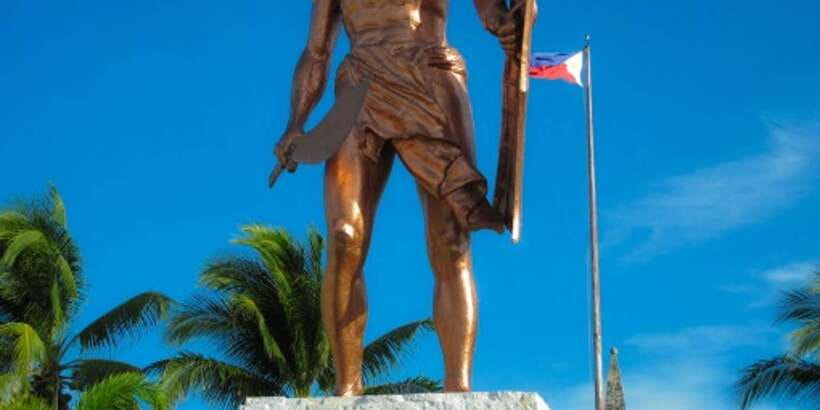
- Marcelo Fernan Bridge to the Lapu-Lapu shrine with a 20-meter bronze monument
- A traditional Philippine guitar factory stop, where you can watch the craft rather than just read about it
More boats leaving from Mactan
- Mactan Island Hopping Gilutungan, Caohagan, Nalusuan + Lunch★ 3.6 · 27 reviews
- Mactan and Cebu Twin City Tour with Lunch★ 4.8 · 24 reviews
- Cebu: Cebu City and Mactan Island Tour★ 5.0 · 11 reviews
A 7-Hour Twin-City Plan That Feels Efficient
This tour is built for first-time visitors who want a full, satisfying day without constantly re-routing yourself. You’ll start with hotel pickup in Cebu City, then spend the morning in historic Cebu City before crossing over to Mactan for the late stops and the big Lapu-Lapu memorial.
The best part is how the day is sequenced. It’s not random jumping around. You go from the earliest European touchpoints, to Spanish-era sites, to a home turned antique stop, to temple views, then you transition to Mactan where the story shifts to local heroism.
Do note the reality of a day like this. You’re moving between neighborhoods and doing short walks at each site. The transport and driver matter here, and the tour provider gets strong marks for getting people through traffic smoothly, with 91% of customers giving the transport a perfect score.
Magellan’s Cross: The Start Point for Cebu’s Big Stories
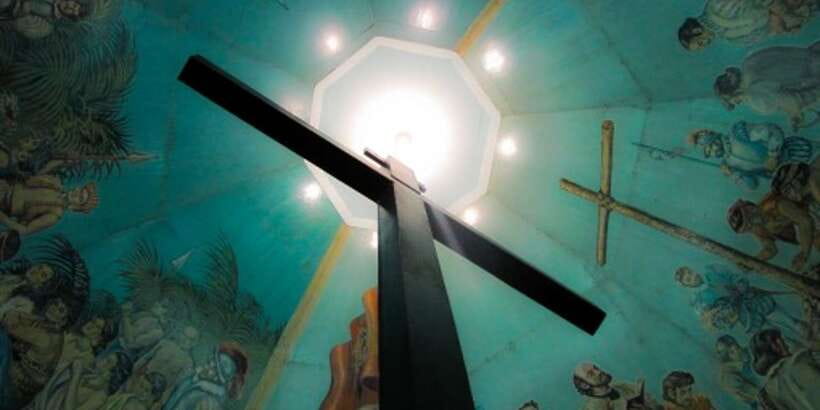
You’ll kick things off at Magellan’s Cross, one of the most famous symbols tied to the arrival of Ferdinand Magellan in 1521. The cross is now housed in a chapel, and the story you’ll hear is that Magellan planted it when he arrived in the Philippines. Even if you’re not chasing legends, it’s a good way to orient yourself. This is where Cebu’s timeline starts for many visitors, and it’s the launchpad for everything else you’ll see that day.
Here’s what I like about starting here on a tour day. It gives you a reference point you can carry. Later stops start to feel linked rather than separate attractions.
If you’re sensitive to religious spaces or prefer quiet, be ready for it to feel busy. This is a landmark people visit often, and you’ll want to be respectful and flexible with timing. Also, wear shoes that can handle uneven surfaces, since historic sites often come with floors that are less “tourist smooth” and more “old and real.”
The Basilica of the Holy Child: Faith, Relics, and Stonework
Just a few steps away, you’ll reach the Basilica of the Holy Child. This Augustinian church became a basilica in 1965 during the 400th year celebrations of Christianity in the Philippines. The tour also explains it as the first church established in the islands, built of hewn stone.
The key detail here is the figure of the Holy Child of Cebu, described as the country’s oldest relic. That alone makes this stop more than sightseeing. It’s a living place of devotion, and you’ll get context for why people care about this statue across generations.
I also like the pacing you’ll get. You’re not bouncing across town to hit a random church. You’re staying in the same core area, so you can feel the continuity of the neighborhood and compare how the cross chapel and the basilica function in the city’s spiritual life.
Practical tip for this segment: dress appropriately for a church setting and keep your phone away once you’re inside. The basilica is a place where attention should stay on the experience, not the screen.
Fort San Pedro and Yap Ancestral House: From Defense to Personal Keepsakes
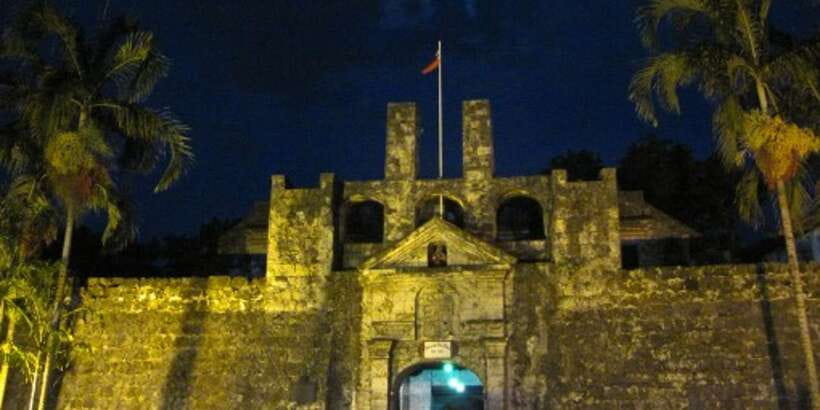
Next comes Fort San Pedro. Built by Spanish and indigenous Cebuano laborers, it’s a reminder that Cebu was shaped by more than just trade and travel. You’re seeing a defensive site, and it helps connect the historical dots between early European presence and the way power was enforced.
After that, the tour shifts gears to something more intimate: Yap Ancestral House. This is described as a 300-year-old home that’s been converted into a showcase for a personal collection of antiques. That’s a great change of pace. Forts tell you what states wanted. Antique rooms tell you what families kept, valued, and passed along.
The antique collection matters because it’s not generic. It’s tied to a specific home and a specific lineage. Even if you’re not a hardcore antique person, this stop usually works because you get to see objects as part of everyday inheritance rather than museum pieces that feel untouchable.
If you enjoy photography, you’ll likely find corners inside or around the house that show age in a real way. Just be aware that the focus here is viewing, not turning the house into a backdrop for endless photos.
Other Cebu City outings that kept coming up while we researched this one
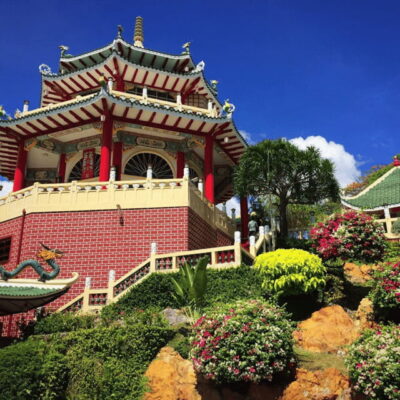
Cebu Taoist Temple: Quiet Time and View Points Over Cebu
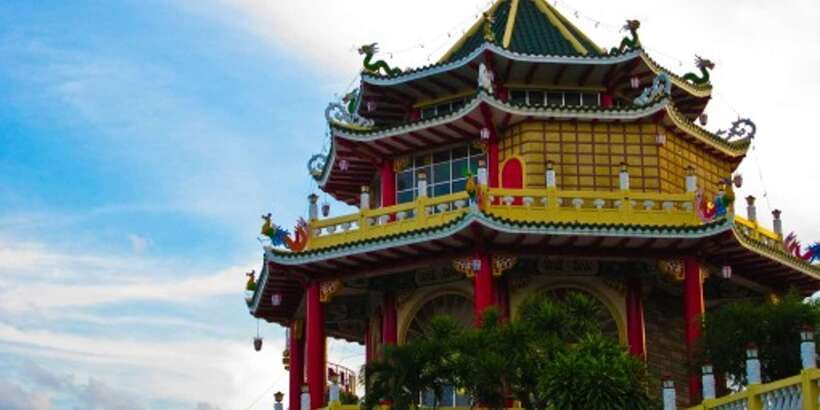
A peaceful visit to Cebu Taoist Temple rounds out the Cebu City portion. You’ll also get the pay-off view from the temple area, looking over Cebu City and the nearby cities of Mandaue and Lapu-Lapu.
I like this stop because it gives your brain a breather. You go from stone structures and historical sites into a calmer environment, and the view helps you understand geography. When you can see the bigger picture from above, the city stops being a blur of roads. You start placing neighborhoods in your mind.
Because the tour includes viewpoint time as part of the schedule, it’s worth keeping yourself unhurried here. Sit for a few minutes if you can. Let the city come into focus. This is the kind of stop that makes the rest of the day click.
Lunch in Cebu: A Local Break You Should Actually Look Forward To
After the temple, the tour includes lunch at a local restaurant. Drinks and snacks are not included, so you’ll want to either buy water and small items yourself or plan your day around meals so you are not starving between stops.
One detail that stood out from a past group experience is that lunch may be a buffet-style stop, and in at least one instance it was at PUSO. People praised attentive service and a lot of food. Even if your lunch location varies, you can still expect a proper break rather than a quick snack that disappears.
My advice: eat a normal meal, then don’t get too full, because you still have the bridge crossing and the Mactan portion coming up. If you’re traveling with kids or older family members, this is often the moment where everyone resets their energy for the afternoon.
Crossing to Mactan via Marcelo Fernan Bridge
After lunch, you’ll go to Mactan Island by way of Marcelo Fernan Bridge, which connects Cebu City with Mactan Island. It’s one of those transport segments that can feel like filler, but in this case it matters. You are literally moving from the old Cebu core to the part of the region tied to the story of resistance and local heroism.
Bridges also change your frame of reference. As you head over, you start feeling how Cebu and Mactan are connected but also how they operate differently. The city side and the island side feel like two chapters of the same setting.
You’ll arrive with enough time for the two final highlights.
Lapu-Lapu Shrine: A Monument to Indigenous Hero Datu Lapu-Lapu
Your first stop on Mactan is the Lapu-Lapu shrine. The headline is a 20-meter bronze statue built in honor of indigenous hero Datu Lapu-Lapu. This is the kind of monument that instantly changes the mood of the day. You move from heritage sites tied to early European contact to a centerpiece that focuses on a local figure.
The statue scale is a big part of why this works on a guided day. A guide can provide the meaning, but the size of the bronze presence does the rest. It’s hard not to pause here and think about what people were fighting for.
If you like photo stops, this is one. Just keep expectations realistic: you may need to move around for better angles, and crowds can happen.
The Guitar Factory: Watching Traditional Philippine Craft in Action
Before the tour ends, you’ll visit a local guitar factory to see how traditional Philippine guitars are made. This is a smart final stop because it gives you something hands-on to process. The rest of the day is mostly architecture and statues. Here, you can focus on technique, materials, and the steps of turning craft into a finished instrument.
Even without getting technical, you’ll likely enjoy seeing how the process is explained and how the workshop environment feels. If you’re someone who loves markets and crafts, this offers a more structured version of that same interest.
One note: the tour does not mention shopping or specific demos, so treat it as a viewing experience first. If you want to buy instruments or souvenirs, you may still find chances in town, but don’t count on a specific factory sales moment unless it’s clearly happening when you visit.
Getting Around: Private Group Comfort with a Real Driver
This tour is private, and that makes a difference. You’re not stuck waiting on a large group to finish every stop. The tour guide and driver can adjust timing based on how your group is moving.
Two names are worth calling out because they show up in how people describe the experience. Miss Belle (Annabelle) is praised for history explanations in a fun, friendly way. Liz also stands out for her clear info about Cebu’s culture and way of life. And the driver Carlo is consistently credited with getting the group safely and smoothly through heavy traffic.
That driver skill matters more than you might think in Cebu. A day with multiple stops can feel long if the route is inefficient. Here, the emphasis on transport quality is reflected in the high satisfaction rating for transport performance.
You’ll also be in the company of a live tour guide in English and Japanese. That means you can expect the explanations to be spoken clearly rather than just posted on signs.
Price and Value: Is $116 Per Person Worth It?
At $116 per person for a 7-hour day, you’re paying for organization, not just entry tickets. The price includes hotel pickup and drop-off in Cebu City, transportation, a tour guide, entrance and admission fees, and lunch if you choose the lunch option.
That bundle is the core value. Doing this route on your own can be tricky because you’d need to coordinate transport and paying for multiple separate entrances, plus you’d likely spend time figuring out routes between the Cebu City sites and Mactan.
To judge value for yourself, think about what you hate most when you travel. If you dislike logistics and prefer someone else to manage timing, the $116 fits well. If you’re the type who enjoys planning every detail, you might do it cheaper on paper, but you’ll trade that for extra effort and more stress.
A fair consideration: it’s a private group experience. That often costs more than shared group tours, but it can be worth it for families, couples, or anyone who wants smoother timing.
Also remember the extras you need to budget for. Snacks and drinks are not included, so you might spend more than you expect if you routinely buy small items throughout the day.
Who Should Book This Cebu and Mactan Tour
This one is a great match if:
- You’re visiting Cebu for the first time and want the top landmarks without doing it in separate half-days
- You like guided context, not just standing in front of signs
- You want a mix of Spanish-era sites, local heritage, and a craft stop
- You have a group that benefits from a private schedule, especially kids or older relatives who need breaks
It’s not the best fit if:
- You want a beach-focused day on Mactan
- You prefer a slow pace with long stays at fewer sites
- You plan to snack constantly and don’t want to think about bringing or buying snacks and drinks
Should You Book This Tour?
If you want a dependable day that strings together Cebu City and Mactan with clear historical storylines and a couple of hands-on moments, I’d book it. The combination of major landmarks like Magellan’s Cross, the Basilica of the Holy Child, Fort San Pedro, Cebu Taoist Temple, the Lapu-Lapu shrine, and a traditional guitar factory gives you more variety than a typical single-neighborhood tour.
Book it especially if you care about having a guide who can explain what you’re seeing, and a driver who can keep the day moving even when traffic gets chaotic. If you’re the type who travels light and plans snacks and drinks, you’ll feel the value quickly.
FAQ
How long is the tour?
The tour runs for 7 hours.
Where does hotel pickup happen?
Pickup is included from your hotel in Cebu City.
What sites will I visit on this tour?
You’ll visit Magellan’s Cross, the Basilica of the Holy Child, Fort San Pedro, Yap Ancestral House, Cebu Taoist Temple, the Lapu-Lapu shrine on Mactan, and a local guitar factory. Lunch is included if you choose the lunch option.
What languages are the guides?
The live tour guide is available in English and Japanese.
Is lunch included?
Lunch is included if you choose the lunch option. Snacks and drinks are not included.
Is this tour private or shared?
This is listed as a private group.
Is transportation included?
Yes, transportation is included, along with entrance and admission fees.
What if I need to cancel?
You can cancel up to 24 hours in advance for a full refund.
More Tours in Cebu City
- Cebu: Whale Shark Swim and Kawasan Canyoneering Tour★ 4.6 · 318 reviews
- Cebu: Kawasan Falls Canyoneering Tour with Ziplining & Lunch★ 4.8 · 259 reviews
- Cebu: Whale Shark, Monkey Sanctuary, & Moalboal Turtles Tour★ 4.3 · 234 reviews
- Cebu: Kawasan Falls Canyoneering & Cliff Jump Private Tour★ 4.9 · 117 reviews
More Tour Reviews in Cebu City
- Cebu City: Whale Shark Swimming & Kawasan Falls Canyoneering★ 4.7 · 665 reviews
- Cebu: Whale Shark Swim and Kawasan Canyoneering Tour★ 4.6 · 318 reviews
- Cebu: Oslob Whale Sharks, Moalboal Sardine Run & Turtles★ 4.5 · 266 reviews
- Cebu: Kawasan Falls Canyoneering Tour with Ziplining & Lunch★ 4.8 · 259 reviews
Out of Mactan
- Mactan Island Hopping Gilutungan, Caohagan, Nalusuan + Lunch★ 3.6 · 27 reviews
- Cebu: Cebu City and Mactan Island Tour★ 5.0 · 11 reviews
- Cebu & Lapu-Lapu City Tour With Lunch at House of Lechon★ 5.0 · 3 reviews
More of Cebu City, reviewed
- Cebu: Whale Shark Encounter and Kawasan Canyoneering
★ 5.0 · 3 reviews - Cebu: Private Panoramic Tour with Dinner
★ 4.4 · 3 reviews - Cebu: Oslob Whale Shark, Sumilon, Ruins, Simala Church
★ 4.7 · 3 reviews - Cebu: Pescador Island, Sardines run and Kawasan Canyoneering
★ 5.0 · 3 reviews - Cebu: Mantayupan Falls, Hermit’s Cove & Bojo River Eco Tour
★ 4.8 · 3 reviews
Mactan Island Hopping Tours, start to finish.
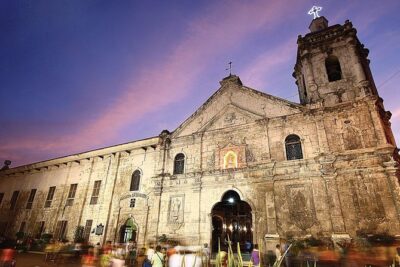 ★ 4.5Private Cebu & Lapu-Lapu City Tour with Uphill Spots & Lunch at House of LechonFrom $75168 reviews
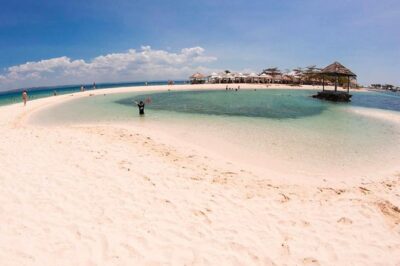 ★ 4.0Mactan Cebu Island Hopping with Lunch – Gilutungan, Caohagan, NalusuanFrom $85132 reviews
 ★ 5.0Cebu: Scuba Diving Experience beach entry in MactanFrom $4545 reviews
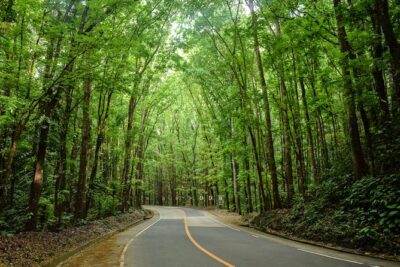 ★ 4.0Bohol Countryside Day Tour from Cebu City or Mactan – Best SellerFrom $15541 reviews
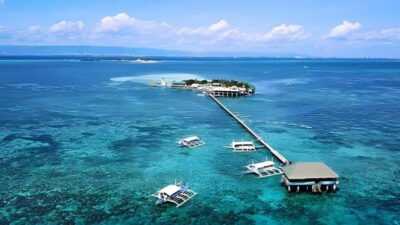 ★ 3.6Mactan Island Hopping Gilutungan, Caohagan, Nalusuan + LunchFrom $13227 reviews
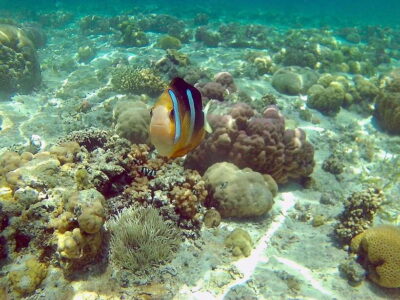 ★ 4.5Cebu: Mactan Island Hopping Boat Tour with LunchFrom $12524 reviews
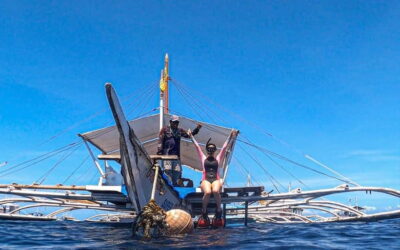 ★ 4.0Cebu: Private Mactan Island Hopping Tour with LunchFrom $10016 reviews
 ★ 4.9From Cebu: Mactan Island 3 Watersport Activities TourFrom $9212 reviews
Where this one shows up