
REVIEW · THE CORDILLERAS
Batad Guided Tour
Batad rice terraces feel lived-in. This private guided hike has you walking with locals who know the Ifugao terraces from the inside, not just the postcard view. Expect a family-connected guide who can explain how work and heritage mix on the mountain slopes.
I love the hand milling part, because it turns rice growing into something you can actually see and understand. I also like the included rice wine tasting, which gives you a real sense of how farmers turn harvest into everyday life.
One thing to consider: you need moderate physical fitness for the hikes. Even with flexible pacing, you’ll be walking long, uneven trails in hot mountain weather.
In This Review
- Key highlights to look for
- Why a Batad guide tied to terrace families changes the whole experience
- Meeting at Banaue Tourism Office, and how timing really works
- Day 1 in the terraces: Banaue viewpoints, Pula, and Cambulo
- Day 2 in Batad: terrace walking plus Tappiya waterfall
- The longer 3-day route: Ducligan, Snake River, and Bangaan
- Included experiences that add meaning: milling and rice wine
- Price and value: what $70 per group can do for you
- How hard is it really, and what you should pack
- Who should book this Batad guided tour
- Should you book this Batad guided tour?
- FAQ
- Where does the tour start and end?
- Is pickup included?
- How long is the tour?
- Is this a private tour?
- What’s included in the price?
- What fees are not included?
Key highlights to look for
- Family-connected guide storytelling with on-the-ground context for the Batad and Banaue terraces
- Hand rice grain milling using traditional tools and methods you can watch up close
- Rice wine tasting tied to the people who cultivate and process the harvest
- Route flexibility so you can hike shorter (around 1 to 5 hours) or choose a multi-day trek
- Big terrace-and-waterfall days including Batad rice terraces and the Tappiya waterfall
Further north into the terraces
- Small-Group Weekend Hiking Tour to Banaue-Ifugao from Manila★ 5.0 · 30 reviews
Why a Batad guide tied to terrace families changes the whole experience
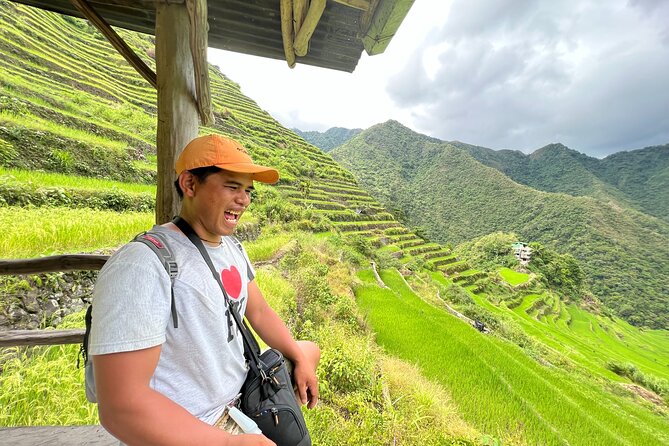
The biggest reason this hike works is the guide connection. Your host guide comes from a family living near the rice terraces, and that matters because you’re not just following a trail. You’re learning how terrace life connects to farming cycles, family roles, and local history you can ask about while you walk.
On top of that, this is a private setup, so the conversation can actually move at your pace. In the experiences I reviewed, guides like Miller Himmoldang (and Bridgette, who often helps guide) are described as funny, flexible, and focused on keeping you comfortable. That kind of guide energy is more than personality. It helps when paths get slippery, when it’s hot, or when someone needs to slow down.
Meeting at Banaue Tourism Office, and how timing really works
Your start point is Banaue Tourism Office (W366+CC5), and you’ll finish back at the same meeting point. Pickup is offered, and the office is near public transportation, so you’re not locked into one complicated logistics puzzle.
The office hours shown are 6:00 AM to 5:00 PM, which is useful for planning around your other Banaue travel needs. The experience itself is advertised as about 6 hours, but the hiking options also include 2-day and 3-day trek schedules where days can run around 7 hours.
Translation for your plans: if you’re tight on time, you can choose the shorter trek plan. If you want more walking time and more terrace viewpoints, you can choose the longer schedule. And if you’re somewhere in the middle, the tour concept allows you to hike as long as you want, roughly 1 to 5 hours.
Day 1 in the terraces: Banaue viewpoints, Pula, and Cambulo
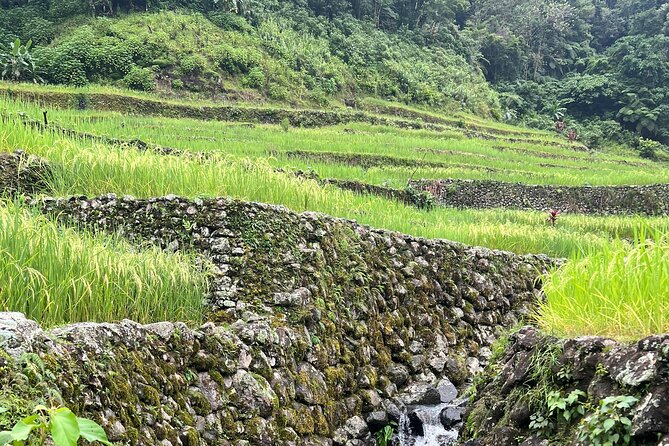
Day 1 starts with the classic terrace orientation: you begin at Banaue Viewpoint rice terraces. This is where you get the “why it looks like this” feeling. From the viewpoint, you can usually spot how the terraces follow the mountain contours, and you get your bearings before the walking gets more serious.
From there, your route moves through terrace villages, including Pula village and rice terraces, then Cambulo village and rice terraces. These village stops are not just photo breaks. They put you near the living systems that keep the terraces working, and they give your guide a reason to explain how farmers use hand tools and inherited methods.
If you’re the type who likes to understand daily routines, this is where you’ll appreciate the guided connection. The tour includes experiences like rice grain milling by hand and rice wine tasting, and the first day sets the stage for those moments by grounding you in the people and work behind the scene.
Overnight is part of the multi-day trek versions, so you’re not just doing a rush-through. You’re spacing the trek so you can actually enjoy terrace views as you move.
Day 2 in Batad: terrace walking plus Tappiya waterfall
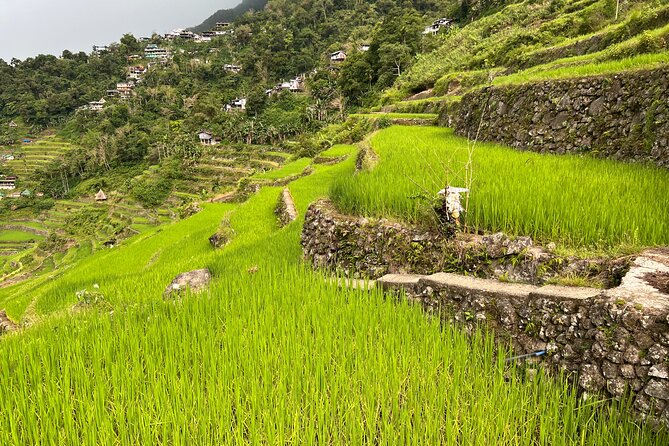
On the 2-day trek version, Day 2 focuses on the part many people come for: Batad rice terraces plus Tappiya waterfall. On the 3-day version, Day 2 still includes Batad, with Cambulo in the mix too, so you get more time across terraces and footpaths.
Batad terraces tend to feel more intense because you’re walking deeper into the working terrace zone. The guide connection helps here. If your guide’s family lives near the terraces, you’ll get more of the human detail that explains why these places look the way they do, and why the work continues.
Then comes the Tappiya waterfall stop. Waterfalls add a break in rhythm. You get cooler air, a change in sound, and a chance to pause. It’s also a practical checkpoint, because you can judge your energy levels in a scenic spot before the day ends.
For anyone choosing the shorter itinerary: remember that even a “shorter” trek still expects real walking time. This is not a bus-and-stroll day.
Other Luzon outings that kept coming up while we researched this one



The longer 3-day route: Ducligan, Snake River, and Bangaan
If you choose the 3-day trek option, Day 3 continues from Batad toward Ducligan rice terraces and then onward to Snake river and Bangaan rice terraces. This is the itinerary for people who don’t mind doing more steps to get more variety.
Why this matters: terrace areas in Banaue and Batad are connected, but they don’t all feel identical. Different segments can change what you notice, like the angles of the terraces, the density of footpaths, and how farmers work different plots.
Day 3 also includes the return to Banaue, on or before 2 o’clock, with the bus terminal as the endpoint. That timing detail matters if you’re booking transport the same day. Plan on a little buffer so you’re not sprinting for onward travel.
Included experiences that add meaning: milling and rice wine
The tour includes two cultural food-and-work experiences: rice wine tasting and rice grain milling by hand. These are the parts that turn “a hike” into “a place you understand.”
Hand milling is worth your attention because it shows the labor chain. You see how raw harvest becomes something ready for meals, and you learn why hand tools and inherited techniques still matter. Even if you’re not a farming expert, the process gives you an earned respect for how much work goes into daily life.
Rice wine tasting adds another layer. It’s not just a drink. It connects to harvest cycles and community tradition. And since this is a private guided tour, you can ask simple questions that make the tasting more personal: who makes it, when it’s used, and how families share it.
In the experiences I read, people also enjoyed getting access to areas like traditional houses when allowed. You should treat that as a bonus, not a guarantee, but the family-based guide approach makes it more likely than a standard photo stop.
Price and value: what $70 per group can do for you
The price is $70.00 per group, up to 15 people. It’s booked on average about 37 days in advance, which tells you this isn’t a last-minute-only kind of experience.
So is it good value? In this region, value comes from two things: (1) whether you’re paying for a guide who can explain and adapt, and (2) whether you’re paying for experiences you would not easily DIY. Here, the included items help you feel the value immediately. Rice wine tasting and hand milling are built into the tour concept, so you’re not paying extra later for “the real cultural parts.”
The main caution is what’s not included: environmental fee, heritage fee, tourism registration fee, private transportation, hiking rod or stick rental, and admission ticket (not included). Those add-ons can change your total cost depending on what fees you’re required to pay for the day and the route. If you’re traveling with a calculator brain, ask ahead which fees you’ll likely face.
Still, paying $70 per group for a private terrace walk with cultural work experiences is typically a fair deal, especially for families or small friend groups who want the guide to set the rhythm.
How hard is it really, and what you should pack
You should treat this as a real hike. The tour calls for moderate physical fitness, and some people find the trekking demanding, especially with heat and long trail stretches. Even if the guide can adapt the pace, you’re still moving through uneven terrain and stepping between terrace sections.
Here’s what you should plan for based on what’s explicitly supported:
- You may be walking for several hours in a day, depending on whether you choose the 2-day or 3-day trek.
- You might need a hiking rod/stick, but stick rental is not included, so bring one if you use them or confirm rental options elsewhere.
- Admission fees and other listed fees are separate, so keep some cash or a buffer for payments tied to access.
Clothing is the practical big lever. Wear breathable layers, sturdy shoes with grip, and bring a small daypack. Because this is in the mountains, don’t count on perfect weather. The tour also indicates it requires good weather, so expect that your day could shift if conditions aren’t right.
Who should book this Batad guided tour
This is a great match if you want your Banaue and Batad time to feel personal and grounded in local life. It also works well if you like a guide who can slow down, explain, and help with pacing, not just lead a line.
You’ll probably enjoy it most if:
- You’re okay with moderate hiking effort and you can handle long walks.
- You want cultural experiences like rice wine tasting and hand milling, not just viewpoint photos.
- You want a private group experience with flexibility, rather than being rushed.
If you’re someone who struggles with uneven trails, you can still consider the idea, but you should be honest about your limits. Ask your guide how they would adjust the route length. The tour concept does allow you to hike as long as you want, from roughly 1 to 5 hours, which can make a big difference.
Should you book this Batad guided tour?
Book it if you want more than a sightseeing pass. The best reason to go is that this tour is built around local terrace connections and hands-on cultural moments like hand milling and rice wine tasting. The private format also makes it easier to manage pace and comfort, which is a big deal on mountain trails.
Hold off or ask more questions if you’re worried about physical strain. The trek can be long and hot, and stick rental is not included, so you’ll want to plan your gear and pacing carefully. Also budget for the fees listed as not included, since they can affect your final total.
If you’re ready for a real walk and you care about how people farm and live here, this is one of those Ifugao experiences that turns terraces into a story you can actually follow.
FAQ
Where does the tour start and end?
The tour starts at Banaue Tourism Office (W366+CC5, Banaue, 3601 Ifugao, Philippines) and ends back at the same meeting point.
Is pickup included?
Yes, pickup is offered.
How long is the tour?
The experience is advertised as about 6 hours. There are also 2-day and 3-day trek options, each listed at about 7 hours per day.
Is this a private tour?
Yes. It’s a private tour/activity, meaning only your group participates.
What’s included in the price?
Included are rice wine tasting and rice grain milling by hand.
What fees are not included?
Admission ticket, environmental fee, heritage fee, tourism registration fee, and private transportation are not included. Hiking rod or stick rental is also not included.
More Tours in Luzon
- Manila Old and New: Sightseeing Tour Including Intramuros and Fort Santiago★ 4.5 · 377 reviews
- Manila’s Walled City: Intramuros Walking Tour★ 5.0 · 82 reviews
- Manila Super Saver: Manila Sightseeing plus Tagaytay Tour with Taal Volcano★ 4.0 · 75 reviews
- Express Bamboo Bike Tour inside Intramuros★ 4.5 · 66 reviews
More Tour Reviews in Luzon
- Manila Old and New: Sightseeing Tour Including Intramuros and Fort Santiago★ 4.5 · 377 reviews
- Manila’s Walled City: Intramuros Walking Tour★ 5.0 · 82 reviews
- Manila Filipino Cooking Class: Meryenda Favorites★ 5.0 · 80 reviews
- Manila Super Saver: Manila Sightseeing plus Tagaytay Tour with Taal Volcano★ 4.0 · 75 reviews
North to the Terraces
- Small-Group Weekend Hiking Tour to Banaue-Ifugao from Manila★ 5.0 · 30 reviews
More of Luzon, reviewed
- Private Airport Transfer Manila to Hotel in Manila or vice versa
★ 5.0 · 3 reviews - Angeles City / Clark Airport to La Union (Bauang, San Fernando, San Juan)
★ 3.5 · 4 reviews - The Jeepney & Tuk Tuk Adventure ride with Local Guide
★ 4.5 · 4 reviews - The Oldest Chinatown in Manila with Local Guide
★ 5.0 · 4 reviews - Manila Social and Political Walk
★ 5.0 · 4 reviews
Banaue, Sagada and the Cordilleras, start to finish.
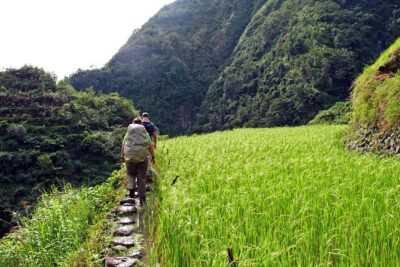 ★ 5.0Small-Group Weekend Hiking Tour to Banaue-Ifugao from ManilaFrom $27030 reviews
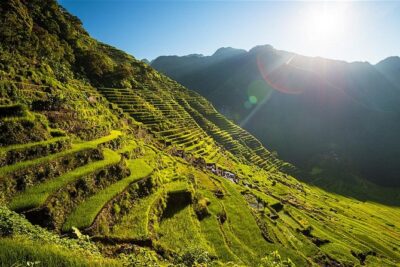 ★ 5.0Banaue & Batad UNESCO 3days 2 nights Tour ( Private Group Tour Max 6 Travelers)From $63030 reviews
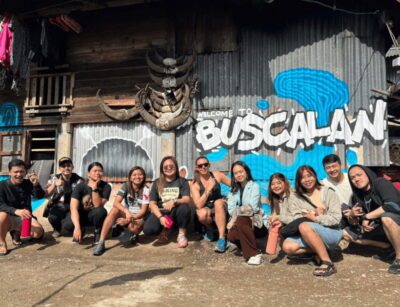 ★ 3.6From Manila: 2-Day Buscalan Tour with Apo Whang-odFrom $13529 reviews
 ★ 4.9From Manila: 4-Day Sagada and Banaue Rice Terraces TourFrom $30629 reviews
 ★ 4.1From Manila: Pangasinan Hundred Islands Guided TourFrom $6317 reviews
 ★ 5.05 Days Sagada Banaue Batad Discovery (PRIVATE GROUP TOUR Max 6 Travellers)From $1,06116 reviews
 ★ 3.4Manila: 3-Day Sagada, Baguio, & Banaue Rice Terraces TourFrom $21410 reviews
 ★ 4.5Baguio Whole Day Tour with Lunch (Private Tour)From $905 reviews
Where this one shows up