

REVIEW · MANILA
Manila Old and New: Sightseeing Tour Including Intramuros and Fort Santiago
Manila in one tight loop. You’ll connect the city’s Spanish past and World War II sacrifice to modern Manila in a smooth air-conditioned ride, with stops that make the timeline feel real fast. I love how the route pairs big landmarks with short walks, so you get meaning without hours of heat. I also like the way the guide turns car time on Ayala Boulevard and Roxas Boulevard into history you can actually remember. One thing to plan for, Manila traffic can push the day longer than the official 4-hour feel.
This tour is built for first-time orientation: Makati for the modern skyline, then Old Manila for the stone-and-cobbles story. In particular, guides such as Nori, Richard, Frank, and Fernando often earn strong praise for keeping explanations clear and answering questions without rushing you.
You will do some walking on uneven surfaces, including cobblestones in Intramuros, so pack for comfort and not for perfect photos only.
In This Review
- Key things to watch for
- Makati to Intramuros: a route that teaches by contrast
- Nielson Tower, Forbes Park, and the drive that turns into real context
- The Manila American Cemetery and Memorial: WWII you can read in names
- Roxas Boulevard and Luneta: the easy reset before the walls
- San Agustin Church: Baroque detail without a long museum battle
- Intramuros cobblestones: where the Spanish city is still legible
- Fort Santiago and the Rizal prison story
- Time, traffic, and how to make this half-day feel like a win
- Value check: what $103 buys you, and who it fits
- Should you book this Manila Old and New tour?
- FAQ
- How long is the Manila Old and New sightseeing tour?
- Do I get hotel pickup and drop-off?
- What sites are included in the tour?
- Are admission tickets included for San Agustin Church, Intramuros, and Fort Santiago?
- Is the Manila American Cemetery and Memorial admission free?
- Is food and drinks included?
- What happens if the weather is bad or I need to cancel?
Key things to watch for
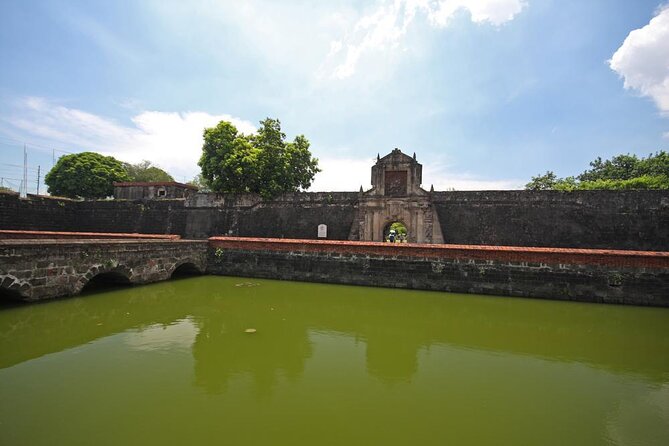
- Makati first, then Old Manila so you see new money before you see old walls
- Nielson Tower and the Filipinas Heritage Library collection as a quick cultural stop
- The WWII Manila American Cemetery and Memorial where the scale of loss is plain to see
- UNESCO San Agustin Church with its famed Baroque look and quick, focused visit
- Intramuros cobblestones plus Fort Santiago for the Rizal story tied to real places
- Group size up to 30 with hotel pickup on selected hotels, keeping it manageable
More ways to take Manila in a day
- Manila Old and New: Sightseeing Tour Including Intramuros and Fort Santiago★ 4.5 · 377 reviews
- Manila Super Saver: Manila Sightseeing plus Tagaytay Tour with Taal Volcano★ 4.0 · 75 reviews
- The Hidden Gems of Manila Guided Tour★ 5.0 · 42 reviews
- Manila: Intramuros, Chinatown, and Old Manila Half-Day Tour★ 5.0 · 37 reviews
Makati to Intramuros: a route that teaches by contrast
This is the kind of tour that works because it moves in straight lines through time. You start in Makati, the modern financial hub, then you slide toward Old Manila, where Spanish-era walls and churches set the tone. Even if you only have half a day, the contrast helps your brain do the sorting: new city order versus older city memory.
On the drive, you’ll pass major city corridors and landmarks that show how Manila has layered eras on top of each other. Ayala Boulevard gives you that Makati feel fast, and Roxas Boulevard later frames the coastline side of the city before you step into Intramuros. That flow matters because it stops you from treating Manila like a set of random stops.
The tour also keeps you in motion but not constantly out in the sun. It’s not a long-distance walking day, which is a real plus in Manila’s humidity. The trade-off is that each place gets a short visit, so you’ll want to know what you care about most.
Nielson Tower, Forbes Park, and the drive that turns into real context

One of the smarter parts of the route is that it doesn’t start history in a museum-like way. Before you hit the old walled city, you get modern Manila landmarks that explain why people built and rebuilt this place the way they did.
You’ll stop near Nielson Tower, where the Filipinas Heritage Library collection is kept. It’s a short break, but it anchors the day in Filipino cultural preservation, not only Spanish stone and American marble.
Then you’ll roll past Forbes Park, nicknamed Millionaire’s Row. This is where the drive does what a written guidebook can’t. You get a quick reality check on how Manila’s neighborhoods range from elite residential streets to civic monuments, all within a day’s ride.
A lot of this part of the experience depends on the guide. Many people highlight guides like Nori and Richard for making the drive informative, not just transport. Just keep your expectations flexible, because Manila traffic is real, and pick-ups and road time can add up.
The Manila American Cemetery and Memorial: WWII you can read in names
The stop at the Manila American Cemetery and Memorial is one of the most powerful parts of the whole day. It’s free to enter, and the setting is part of the lesson. You’re not just hearing about World War II, you’re seeing it recorded in a quiet, orderly landscape that holds both US soldiers and others, including Philippines and Allied nations.
This cemetery dates to World War II and holds the largest number of US soldiers killed in WWII of any cemetery in the world, plus soldiers from other groups tied to the Allied effort. The tour also places it geographically, inside the boundaries of the former Fort William McKinley, reachable most easily via Epifano de los Santos Ave. to McKinley.
Why this stop is valuable on an Old and New tour is simple. It gives you a modern anchor for the city’s suffering and recovery. Then, when you later walk Intramuros and reach Fort Santiago, you’re not just learning Spanish colonial history in theory. You’re carrying that WWII context with you.
Time here is brief, so come ready for reflection rather than a long wandering session. If you want photos, aim for quick frames early and keep your pace respectful inside the grounds.
Roxas Boulevard and Luneta: the easy reset before the walls
After the cemetery, you’ll travel along Roxas Boulevard, the seaside promenade where people come for views and sunsets. This stop helps you reset your senses before you enter Intramuros, because it gives you a bit of open space and skyline.
Then you’ll pass Luneta, also called Rizal Park. Here you’ll see the statue of Dr. Jose Rizal. The tour is quick, but it’s a smart move because Rizal is the bridge character for this itinerary. He ties to Spanish rule, imprisonment, and the moment Philippine history turns toward independence.
If you’re the kind of traveler who likes to understand why a tour includes something, this is the reason. It’s not random sightseeing. It sets you up to recognize names again later at Fort Santiago.
Other walks inside the old walls




San Agustin Church: Baroque detail without a long museum battle
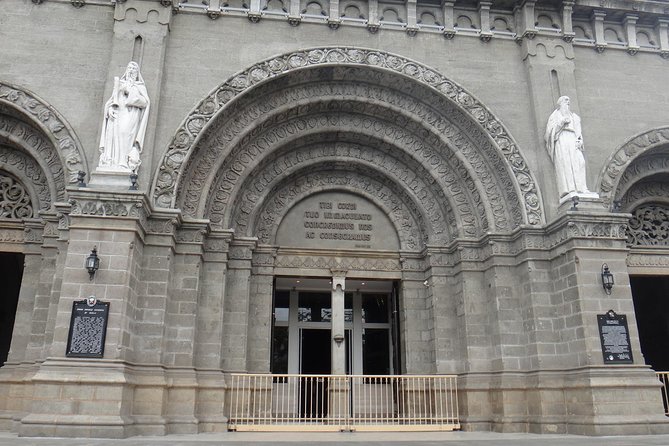
When you step into San Agustin Church, you’re seeing UNESCO-level architecture up close. This is the Archdiocesan Shrine of Nuestra Señora de Consolación y Correa, under the Order of St. Augustine, and the tour keeps it efficient with an admission-included visit.
What I like about this stop is how visual it is. The tour specifically calls out the church’s intricate Baroque architectural designs, and that kind of detail is easier to absorb in person than in any photo review. Even during a short visit, you can spot the craftsmanship and feel the age.
It’s also described as one of the country’s oldest churches, which matters because it helps you frame it as a survivor through centuries, not a decorative stop. If you’re traveling with kids or people who don’t want to spend half a day indoors, this church visit hits a sweet spot: meaningful, not exhausting.
The only realistic drawback is timing. A short church stop means you may not get to your favorite angle and stay there as long as you want. If church interior views are your top priority, be ready to move at a steady pace with the group.
Intramuros cobblestones: where the Spanish city is still legible
Intramuros is the oldest district in Manila, built in the late 1500s after the Spanish Empire took power here. It’s walled, historic, and easy to recognize even from the street approach. And on this tour, you get the practical part: walking time that lets you see the old walls, nearby ruins, and other remains from the Spanish colonial era.
The tour keeps the walking fairly contained. You’re not crossing the whole district like you would on a self-guided day. Instead, you get a closer look where it counts, with about 30 minutes allocated for Intramuros, and entry included.
Here’s the value of doing it with a guide: you’ll likely understand what you’re seeing as you walk. People often praise tour leaders like Marloo and Richard for connecting the dots, including the way national heroes and colonial power show up in stone, not just in textbooks.
The main consideration is surface and weather. Cobblestones can be slow going, and humidity is not shy. Comfortable walking shoes are a must, and if it’s raining, conditions can change your experience later at Fort Santiago too.
Fort Santiago and the Rizal prison story
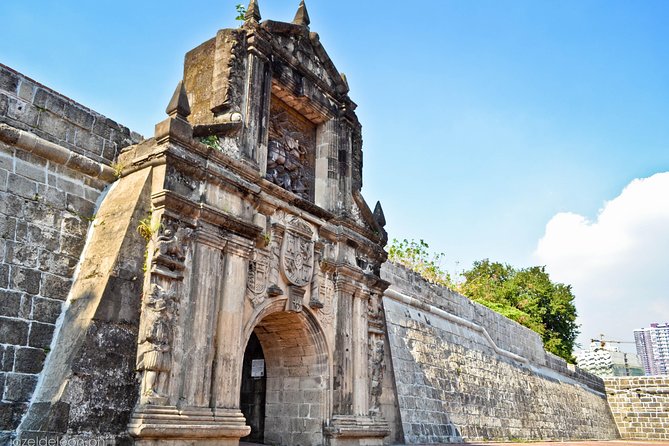
Fort Santiago is the tour’s dramatic finale, and it’s tied to Dr. Jose Rizal in a way that feels concrete. Built in 1593 by Spanish navigator and governor Miguel López de Legazpi, it served as a citadel at the heart of the walled city.
The fort later fell under successive colonial powers through the centuries, but for this tour, the emotional center is the Rizal connection. Fort Santiago is the site of a notorious prison where Rizal wrote his famous poem My Last Farewell and was executed by the Spanish in 1896.
The tour visit is around 20 minutes and includes admission. That’s not long enough to be a full historical immersion, but it is long enough to get the key story and place it correctly in your mind. If you care about Philippine independence history, this stop is the one you’ll remember most when you’re back in the hotel.
One practical note: Fort Santiago can be closed when it rains due to flooding, and Sunday conditions can limit what you’re able to access for photos. If you’re choosing between days, pick the clearest, driest option you can.
Time, traffic, and how to make this half-day feel like a win
This tour is designed as a half-day, around 4 hours. In real Manila life, the drive time can stretch it. Several people mention traffic delays, and that makes sense because you’re moving across big corridors and dealing with Manila’s notorious road conditions.
Here’s how you protect your day. Build in buffer time for lunch, don’t stack tight reservations right after pickup, and keep expectations flexible if you get a slower start. The good news is that many guides, including Oswald as a driver in praised examples, are known for handling streets carefully and keeping people informed when traffic runs long.
Bring simple essentials:
- Comfortable walking shoes for cobblestones
- Water, since food and drinks aren’t included
- A light rain layer if the weather looks shaky, since it can affect access at Fort Santiago
If your schedule is strict, this is still doable, but you should treat it like a “time window,” not a stopwatch.
Value check: what $103 buys you, and who it fits
$103 for a 4-hour tour can feel like a lot until you add up what’s included. You get air-conditioned transport, a local English-speaking guide, and hotel pickup and drop-off on selected hotels. You also get admission included for key historic stops like San Agustin Church, Intramuros, and Fort Santiago. Some other major sights on the route are free, including Rizal Park and the Manila American Cemetery and Memorial.
Food and drinks are not included, so plan to buy a snack or meal afterward. That’s the main “hidden” cost most people forget.
Who should book it?
- First-time visitors who want an Old and New overview without planning on their own
- History-minded travelers who want Spanish colonial sites plus WWII context in one day
- Travelers who prefer a guide to explain what they see, especially in places tied to names like Rizal
- Families with older kids who can handle a short walk and humidity, with children needing an adult and a minimum age of 2
Who might skip it?
If you already know you’ll want to explore Intramuros more deeply on foot, you may prefer a longer self-guided day. This tour is great for getting your bearings and learning the key stories, not for slow wandering.
Should you book this Manila Old and New tour?
I think you should book it if you want a high-impact introduction to Manila’s layers in just a few hours. The pairing of Makati’s modern identity with Intramuros and Fort Santiago gives you a clear story arc, and the WWII cemetery stop adds a weighty perspective that makes the later Spanish-era sites feel more than just scenic.
If you do book, choose a day with good weather when you can, wear sturdy shoes, and plan no stressful appointments right after. And if you’re picky about guide style, pick a day and time slot where you’re comfortable with whatever group energy you get, because the experience can tilt based on how animated your guide is.
If your goal is to get your bearings fast and leave with names, places, and a timeline you can explain to friends, this is a solid way to do it for $103.
FAQ
How long is the Manila Old and New sightseeing tour?
It runs for about 4 hours, with the exact timing influenced by your pickup point and city traffic.
Do I get hotel pickup and drop-off?
Yes, hotel pickup and drop-off are included on selected hotels. The tour also has a defined start meeting point in Makati.
What sites are included in the tour?
You’ll see Rizal Park, San Agustin Church, the Manila American Cemetery and Memorial, Intramuros, and Fort Santiago, plus time on Roxas Boulevard as part of the drive.
Are admission tickets included for San Agustin Church, Intramuros, and Fort Santiago?
Yes. San Agustin Church includes admission, Intramuros includes admission, and Fort Santiago includes admission on this tour.
Is the Manila American Cemetery and Memorial admission free?
Yes, the Manila American Cemetery and Memorial stop is listed as free admission.
Is food and drinks included?
No. Food and drinks are not included, so you should plan to eat on your own.
What happens if the weather is bad or I need to cancel?
The tour requires good weather. If it is canceled due to poor weather, you’ll be offered a different date or a full refund. You can cancel for a full refund up to 24 hours in advance.
More Tour Reviews in Luzon
- Manila’s Walled City: Intramuros Walking Tour★ 5.0 · 82 reviews
- Manila Filipino Cooking Class: Meryenda Favorites★ 5.0 · 80 reviews
- Batad Guided Tour★ 5.0 · 78 reviews
- Manila Super Saver: Manila Sightseeing plus Tagaytay Tour with Taal Volcano★ 4.0 · 75 reviews
Inside the Old Walls
- Manila’s Walled City: Intramuros Walking Tour★ 5.0 · 82 reviews
- Express Bamboo Bike Tour inside Intramuros★ 4.5 · 66 reviews
- Manila: Intramuros, Chinatown, and Old Manila Half-Day Tour★ 5.0 · 37 reviews
- Intramuros Sunset Tours by Bambike★ 5.0 · 33 reviews
Manila in a Day
- Manila Super Saver: Manila Sightseeing plus Tagaytay Tour with Taal Volcano★ 4.0 · 75 reviews
- The Hidden Gems of Manila Guided Tour★ 5.0 · 42 reviews
- Manila: Intramuros, Chinatown, and Old Manila Half-Day Tour★ 5.0 · 37 reviews
- Intramuros & Chinatown Manila Tour – Walking, Food & Culture★ 4.5 · 32 reviews
More of Luzon, reviewed
- Private Airport Transfer Manila to Hotel in Manila or vice versa
★ 5.0 · 3 reviews - Angeles City / Clark Airport to La Union (Bauang, San Fernando, San Juan)
★ 3.5 · 4 reviews - The Jeepney & Tuk Tuk Adventure ride with Local Guide
★ 4.5 · 4 reviews - The Oldest Chinatown in Manila with Local Guide
★ 5.0 · 4 reviews - Manila Social and Political Walk
★ 5.0 · 4 reviews
Intramuros and Old Manila Walking Tours, start to finish.
 ★ 4.8Intramuros, Manila: Historical Bamboo Bike TourFrom $27583 reviews
 ★ 5.0Experience Intramuros with Bamboo Bicycle – EcotoursFrom $39508 reviews
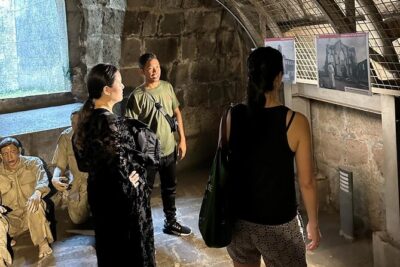 ★ 4.8Manila: Intramuros, Chinatown, and Old Manila Half-Day TourFrom $68475 reviews
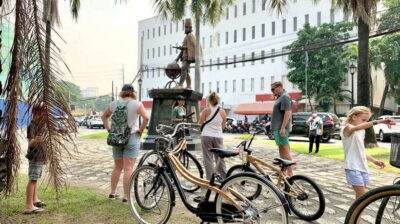 ★ 4.8Manila: Guided Sunset Bamboo Bike Tour in IntramurosFrom $40119 reviews
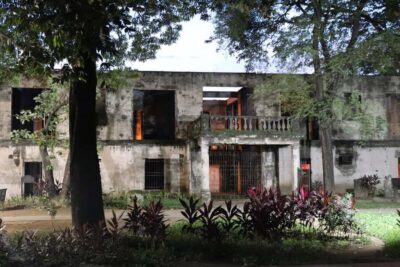 ★ 4.9Viva Old Manila: Intramuros Walking TourFrom $27104 reviews
 ★ 5.0Manila’s Walled City: Intramuros Walking TourFrom $3582 reviews
 ★ 5.0Explore Intramuros: Introduction to Philippine HistoryFrom $5580 reviews
 ★ 5.0Experience Manila’s Heritage: Intramuros & More in Half a Day!From $7576 reviews
Where this one shows up