
REVIEW · TUK-TUKS
Manila Tuk-Tuk Adventure Hop-in and Hop-Off
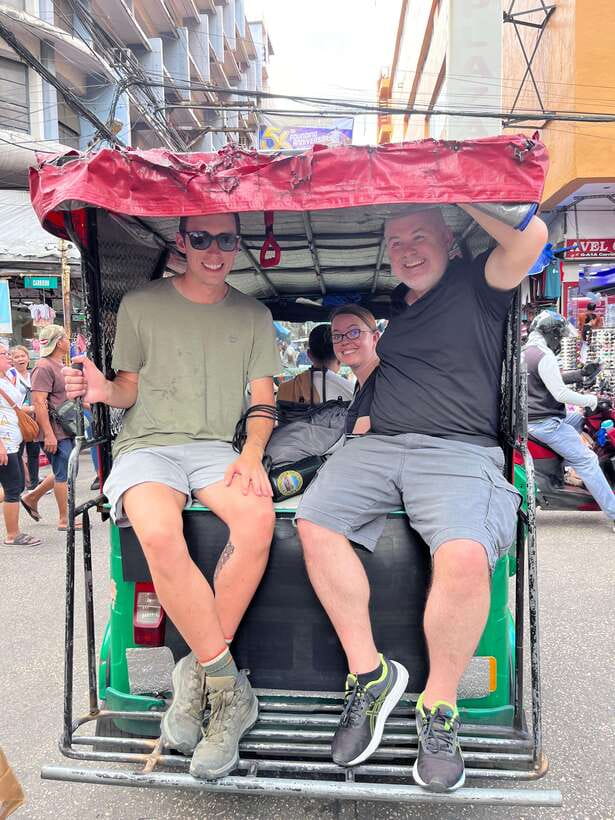
Binondo looks better from three wheels. I love the tuk-tuk pace for covering real streets fast, and I love the built-in Chinatown storytelling that explains how Chinese merchants settled in the Philippines. One thing to think about first: this ride is not for people with heart problems, high blood pressure, wheelchair users, or motion sickness.
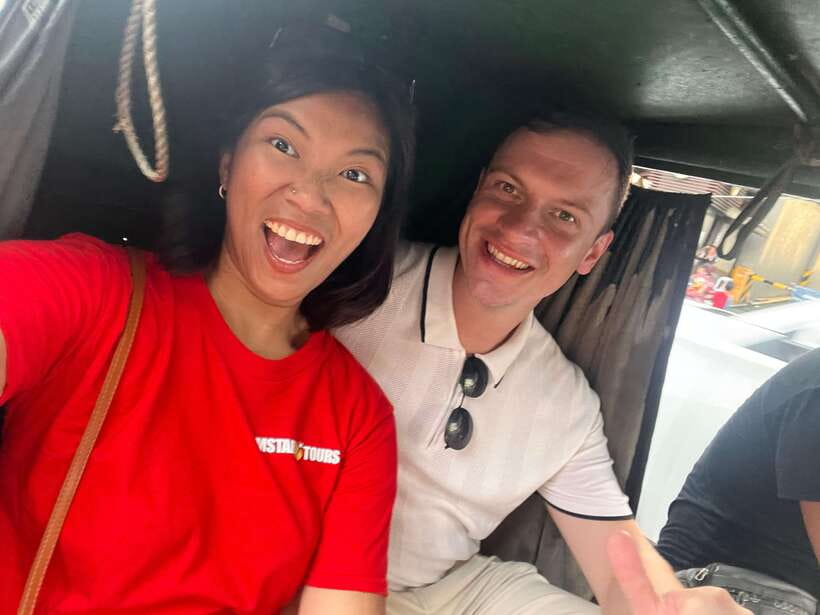
The guide makes a big difference, and the tour’s local hosts come through with energy and detail. Reviews highlight Mari specifically for being funny, cheerful, and sharing personal anecdotes from her upbringing, with strong English.
You’re paying for a guided loop, not just a vehicle ride, and that matters when you only have 2 hours. The meeting point is simple (HSBC Bank Binondo Manila), and the price includes your ride, a walking segment, water, and admission fees, but it does not include food tastings or hotel pickup.
In This Review
- Key highlights you’ll feel right away
- Starting at HSBC Bank Binondo, and why that’s a smart launch point
- Why a hop-in, hop-off tuk-tuk style works in Manila
- Markets stop: what to watch for beyond the photos
- Chinatown with a guide who can explain what you’re seeing
- Street food and walking breaks, without it turning into a separate mission
- Admission fees and what your $63 actually pays for
- Getting the best experience with Mari (and how to work with any guide)
- Timing, weather, and how to stay comfortable for 2 hours
- Who this Manila tuk-tuk tour fits best, and who should skip it
- Should you book Manila Tuk-Tuk Adventure Hop-in and Hop-Off?
- FAQ
- How long is the Manila Tuk-Tuk Adventure Hop-in and Hop-Off?
- How much does the tour cost?
- Where is the meeting point?
- What is included in the price?
- Are food and drinks tastings included?
- Is hotel pick-up included?
- Who is the tour not suitable for?
Key highlights you’ll feel right away
- HSBC Bank Binondo Manila start: a central jump-off point in the heart of Old Manila.
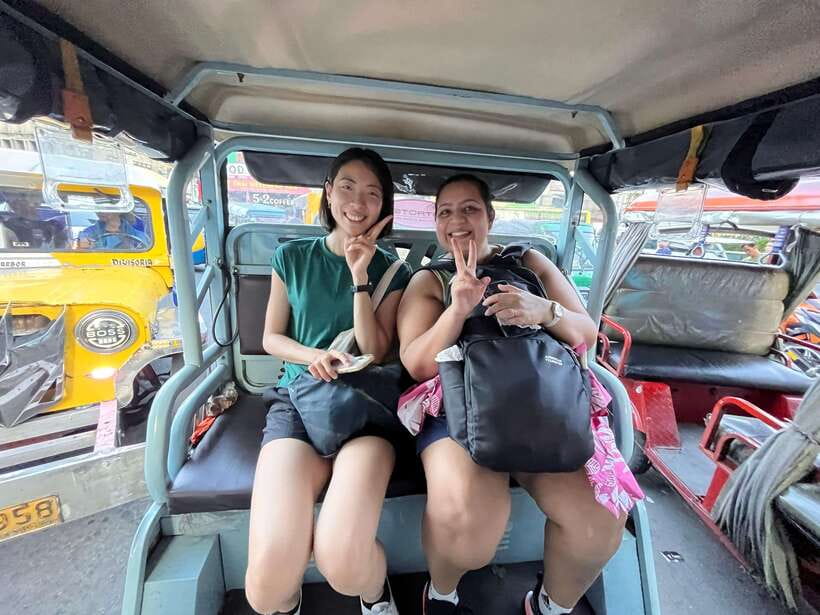
- Eco-friendly tuk-tuk transport: three-wheeled rides that let you read street life up close.
- Markets on the route: you’ll see everyday shopping rhythms, not just monuments.
- Oldest Chinatown focus: learn how Chinese merchants helped shape Filipino life.
- Walking tour add-on: you’ll step off the vehicle for a closer look.
Still weighing up the options? These Manila trips came out well when we reviewed them.
- Intramuros, Manila: Historical Bamboo Bike Tour★ 4.8 · 583 reviews
- Experience Intramuros with Bamboo Bicycle – Ecotours★ 5.0 · 508 reviews
- Manila: Intramuros, Chinatown, and Old Manila Half-Day Tour★ 4.8 · 475 reviews
- Manila: Old & New 4-Hour City Tour★ 4.5 · 458 reviews
Starting at HSBC Bank Binondo, and why that’s a smart launch point
The tour begins at HSBC Bank Binondo Manila, which is handy for two reasons. First, Binondo is a neighborhood where history shows up on storefronts, signage, and food cues, even when you’re just walking a few blocks. Second, it keeps the logistics straightforward, because you’re not chasing a van pickup into traffic.
If you’ve never spent time in Binondo, here’s what you’ll likely notice immediately when you meet up. The area has layers, from markets and small eateries to the Chinatown vibe that people travel here for. Starting your day here also means you spend your time where the story is, instead of commuting across the city.
One practical note: the tour goes by tuk-tuk and then on foot, so you’ll want comfortable shoes. Manila sidewalks can be uneven, and the walking portion is part of how you get the real views.
Why a hop-in, hop-off tuk-tuk style works in Manila
Manila is a city where traffic and distance can mess with your schedule. A tuk-tuk route helps you avoid that problem because it’s built for short jumps and frequent stops. You stay mobile, you don’t feel stuck in one spot too long, and you can see more neighborhoods in about 2 hours than you would on a slower walking-only plan.
Also, three-wheeled vehicles are a good match for street-level sightseeing. You tend to notice details you would miss from a bus window. Think shop signs, street vendors, people’s movement, and the small shifts in atmosphere as you move between areas.
Is it fast? Not always in a traffic sense, but it’s efficient in a sightseeing sense. You’re not paying for a slow pass-by. You’re paying for guided stops, plus the ride that gets you there.
Markets stop: what to watch for beyond the photos

The tour includes local markets, and that’s where the experience becomes more than a highlight reel. Markets are where daily life happens, so you’ll get a sharper sense of what people actually buy, cook, and use. You’ll also learn how to read the environment, like noticing common products and how vendors set up their stalls.
If you like street photography, this is also the moment to slow down. The market section gives you natural scenes with lots of texture: piles of produce, packaging, handwritten labels, and the way people negotiate or browse. Just be mindful of space. Market areas can get tight, and your guide will help you move at the right pace.
A small practical tip: markets can be warm and busy. Bring a light layer you can take on and off, and use sunscreen if you’re out in the sun. The tour advises you to check the weather forecast too, because heat and rain can change the comfort level quickly.
Chinatown with a guide who can explain what you’re seeing
One of the most praised parts of this outing is the Old Chinatown visit. Not all Chinatown tours explain the why behind the streets. This one focuses on how Chinese merchants settled in the Philippines, and that context turns the neighborhood into a living lesson.
When you learn the story behind migration and trade, you start noticing details that are easy to miss. You’ll understand why certain foods show up together, why family businesses thrive, and how commerce shaped communities over time. Instead of only seeing architecture and signs, you’ll be connecting them to human movement, trade links, and everyday life.
This is also where the guide quality matters most. The tour is locally guided, and you’ll want someone who can translate the neighborhood into clear, useful explanations.
That’s exactly why Mari comes up so often in praise. People highlight her for being kind to families, sharing anecdotes, and speaking English very well. In other words, you get both facts and personality, which is what makes a walking segment feel like more than a route.
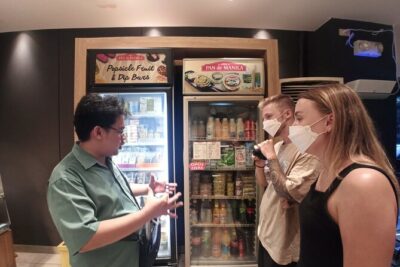
Street food and walking breaks, without it turning into a separate mission
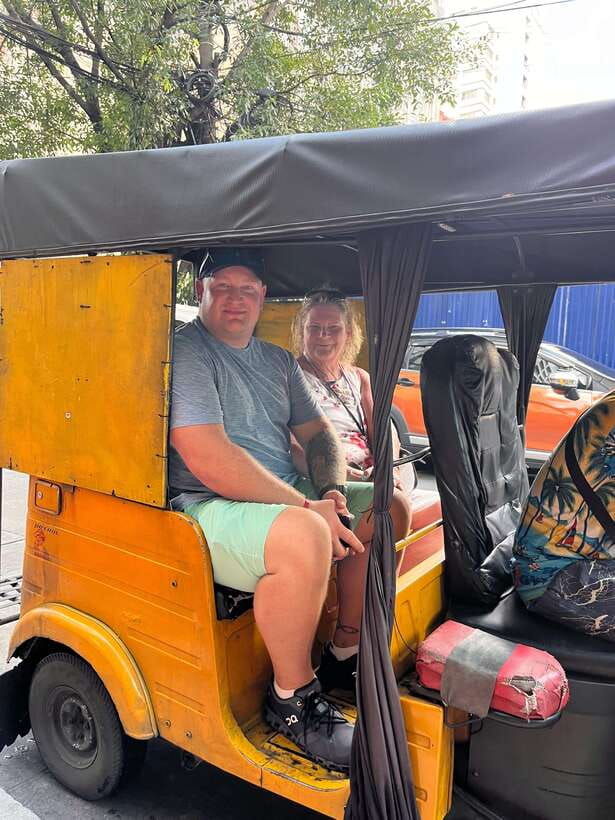
The tour description suggests that guided routes often include stops near street food stalls and hidden local moments. Even if you do not plan to snack heavily, the walking tour portion is still valuable because it slows you down at the right moments.
Here’s what I like about this setup: you get the street-level feel without being forced into a full food tour. Your included items are bottle water and a guided experience with admissions and walking. Food and drinks tastings are not included, so you can choose what fits your budget and appetite.
That flexibility is useful. If you’re the type who wants to taste everything, you can. If you’re cautious about spicy food, crowds, or hygiene routines, you can keep it light. Either way, your guide can point you toward reasonable choices while you stay on schedule.
One consideration: street food stops can mean more standing in heat and more time around busy vendor areas. If you’re easily overwhelmed, tell your guide how you want to handle it. A good guide will adjust the pace so you still get the story.
Admission fees and what your $63 actually pays for
At $63 per person for 2 hours, the biggest value question is what’s included. Here, the tour covers:
- a local guided experience
- the tuk-tuk ride
- bottle water
- admission fees
- a walking tour
That combination matters. Some tours sell transportation, then charge extra for key sights. Here, at least the admission fee is included, so you avoid surprise add-ons for the main stops.
What’s not included also helps you plan:
- Food and drinks tasting
- Pick-up hotel
So you should budget separately if you want snacks, drinks, or extra tastings during the route. And you should plan to arrive at the meeting point under your own steam. For a 2-hour tour, that independence can be a plus, because you spend less time waiting around.
If you’re comparing options, treat this as a guided city segment with transportation and small paid entry included. For a first time in Manila, that can be a solid use of limited time.
Getting the best experience with Mari (and how to work with any guide)
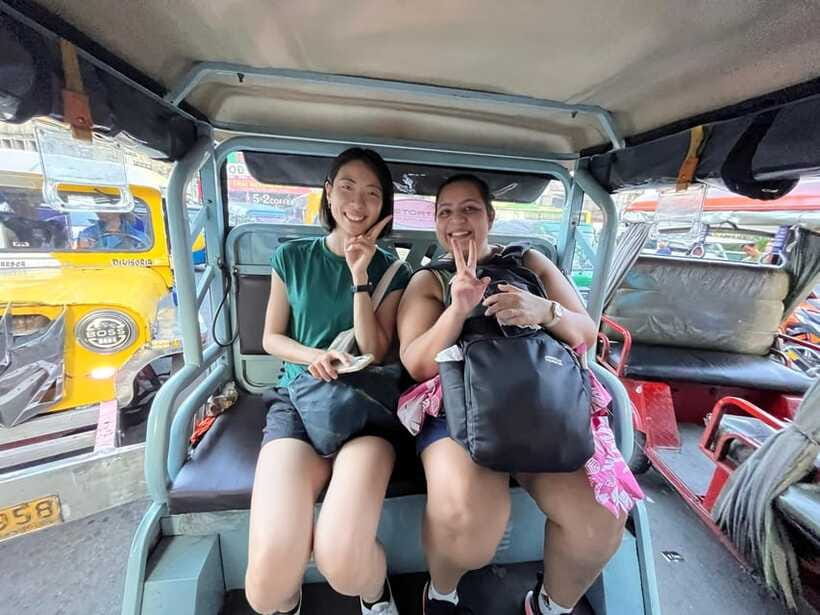
A standout theme in the feedback is the guide experience, and Mari is named repeatedly. People describe her as cheerful, cultured, full of energy, funny, and fluent in English. Most importantly, she shared anecdotes and spoke in a way that worked well for a family group.
Even if your guide is not Mari, you can still steer your experience. Before you set off, ask a simple question:
- What should I pay attention to today?
If you ask it early, your guide can frame stops around the themes you care about, like Chinatown history, everyday market life, or how trade shaped neighborhoods. During the ride, listen for the small story details, because that’s the difference between seeing a place and understanding it.
Also, take advantage of the walking segments. It’s tempting to stay seated during a tuk-tuk tour, but the best explanations often happen when you’re stopped and looking at something specific.
Timing, weather, and how to stay comfortable for 2 hours
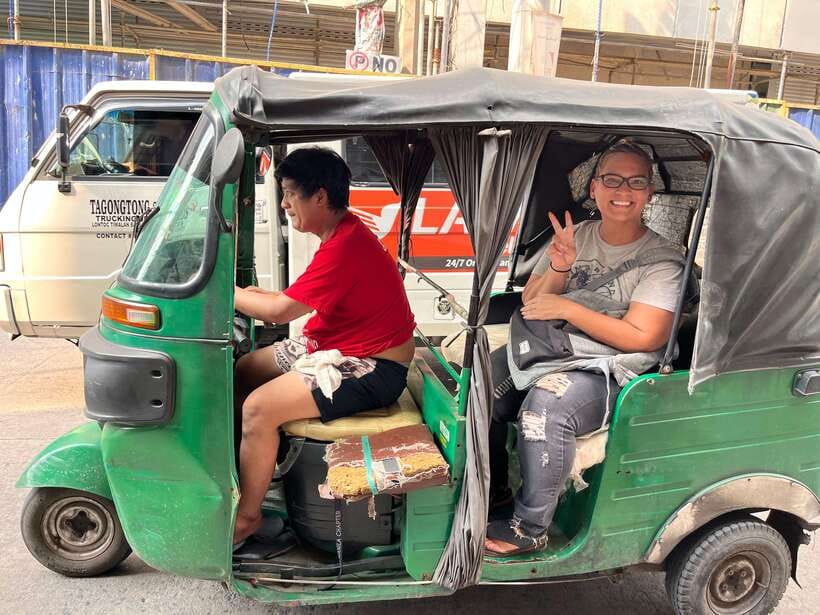
The tour runs for 2 hours, which is short enough to feel manageable but long enough to notice comfort issues if you’re not prepared. The tour specifically asks you to check the weather forecast. In Manila, heat and rain can change the vibe fast, and three-wheeled rides can get uncomfortable in heavy rain or strong sun.
I’d plan for the basics:
- light clothing and breathable shoes
- sun protection if it’s clear
- a small umbrella or rain layer if rain is forecast
If you have motion sickness, this tour is not suitable. That’s not negotiable. For everyone else, the key is pacing and hydration, which is partially covered because you get bottle water.
Finally, try to arrive a few minutes early at HSBC Bank Binondo so you don’t feel rushed. A calm start makes the whole ride more enjoyable.
Who this Manila tuk-tuk tour fits best, and who should skip it
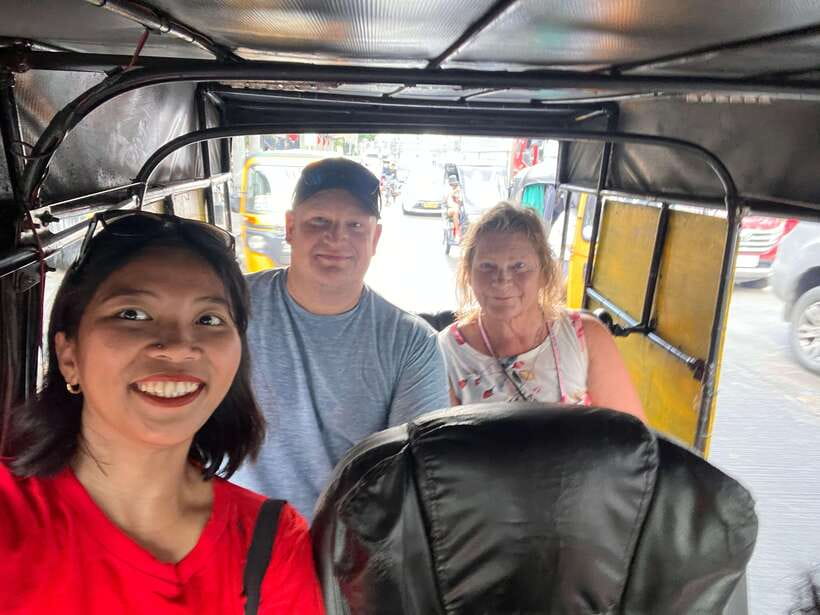
This tour is a great fit if you want a guided “see and learn” experience without spending half a day. It’s also a good choice if you enjoy street scenes, markets, and neighborhood history told through real locations.
It’s especially suited for:
- first-time visitors who want a structured route
- people who like walking short distances with context
- families, since guide interaction is a highlight in the feedback
It’s not suitable if you:
- have heart problems
- have high blood pressure
- use a wheelchair
- have motion sickness
That list matters because a tuk-tuk involves seating posture, some movement, and street conditions that may be uncomfortable or unsafe for certain medical needs. If you fall into any of those categories, choose a different format, like a seated guided walking tour that avoids the ride component.
Should you book Manila Tuk-Tuk Adventure Hop-in and Hop-Off?
Book it if you want a 2-hour plan that mixes transportation, a walk, and Chinatown history with a local guide who can explain it clearly. If you like learning through neighborhoods, markets, and food-adjacent street life, this is a strong use of your time.
Skip it if you need hotel pickup convenience, want food tastings to be included, or you fall into any of the health or accessibility limits. Also, if you’re hoping for a monument-only itinerary, this won’t be that kind of tour. This is about streets, stories, and local rhythm.
If you’re on the fence, here’s my practical decision rule. If you’re the type who remembers what you learned at each stop, you’ll get value from this. If you just want a quick photo loop with minimal talking, you might feel the guide time is more than you want.
Bottom line: for a first taste of Binondo and Old Chinatown with a guide like Mari if you’re lucky, this is an efficient, street-level way to understand Manila.
FAQ
How long is the Manila Tuk-Tuk Adventure Hop-in and Hop-Off?
The tour lasts 2 hours.
How much does the tour cost?
It costs $63 per person.
Where is the meeting point?
You meet at HSBC Bank Binondo Manila.
What is included in the price?
The tour includes a local guided experience, the tuk-tuk ride, bottle water, admission fees, and a walking tour.
Are food and drinks tastings included?
No, food and drinks tasting is not included.
Is hotel pick-up included?
No, pick-up from your hotel is not included.
Who is the tour not suitable for?
It is not suitable for people with heart problems, people with high blood pressure, wheelchair users, or people with motion sickness.
More Tour Reviews in Manila
- Intramuros, Manila: Historical Bamboo Bike Tour★ 4.8 · 583 reviews
- Experience Intramuros with Bamboo Bicycle – Ecotours★ 5.0 · 508 reviews
- Manila: Intramuros, Chinatown, and Old Manila Half-Day Tour★ 4.8 · 475 reviews
- Manila: Old & New 4-Hour City Tour★ 4.5 · 458 reviews
More of Manila, reviewed
- Private Departure Airport Transfer in Manila Bay and Makati Area
★ 5.0 · 3 reviews - Embark on a 7-Day Banaue-Sagada Adventure of a Lifetime
★ 5.0 · 3 reviews - From Manila: Philippines Private Tour Guide
★ 4.1 · 3 reviews - Unforgettable Manila Fishing Village Day Excursion 2024
★ 5.0 · 4 reviews - Tagaytay + Hidden Valley Springs: A Scenic Escape w/ Transfers
★ 4.0 · 4 reviews
Tuk-Tuks, start to finish.
 ★ 4.8Manila: Guided Tuk Tuk RideFrom $6657 reviews
 ★ 4.9Manila Tuktuk and Jeepney Ride Guided TourFrom $6516 reviews
 ★ 5.0Manila: Chinatown Nighttime Tour by Tuk-TukFrom $6513 reviews
 ★ 5.0Discover the Real Manila with Tuktuk and JeepneyFrom $8512 reviews
 ★ 3.2Panglao Land Tour by TukTukFrom $504 reviews
 ★ 4.5The Jeepney & Tuk Tuk Adventure ride with Local GuideFrom $504 reviews
Where this one shows up