
REVIEW · MANILA
Experience Intramuros with Bamboo Bicycle – Ecotours
Bamboo bikes make Intramuros feel effortless. This 3 hour small-group ride (max 15) mixes easy cycling with real history stops, from Casa Manila to Fort Santiago, and even time near the old city walls. You are also in a classic walled district, so you get that walkable “everything is close” feeling, just faster.
I especially like the smooth, flat bike style and the way the route stays comfortable for most riders. I also love the practical extras, like bottled water, cold towels at the end, and refreshments after, so you are not scrambling for supplies mid-tour.
One heads-up: the tour is more sightseeing than a long bike workout, so expect short bike segments between stops rather than nonstop riding.
In This Review
- Key things to know before you go
- Bamboo Bikes in Intramuros: why this tour works
- Getting started at Bambike HQ, choosing your bike and gear
- Casa Manila stop: a quick reset into Spanish-era Manila
- Muralla Street and the Japanese Cannon: WWII context without the lecture
- Puerta Real Gardens: a gate as a defense plan
- Café Y Ruedas refresh break near the walls
- Puerta del Parian: Chinese influence told through a public space
- Plaza Roma and Manila Cathedral: center of gravity in old Manila
- Fort Santiago: more time, plus a little walking
- San Agustin Church: UNESCO level significance in a short stop
- What the $39 price gets you in 3 hours
- Safety and comfort: helmets, slow pace, and controlled traffic
- Weather reality: rain happens, ponchos help
- Small bikes, big sites: the best fit for you
- Should you book Bamboo Bicycle Intramuros with Ecotours?
- FAQ
- Where is the meeting point for Bambike Ecotours Intramuros?
- How long is the Intramuros bamboo bicycle tour?
- Is a helmet provided?
- Do I get refreshments or snacks?
- What historic sites do we visit?
- Is there walking during the tour?
- How big is the group?
- Does the tour run in rain?
- Can I cancel for a full refund?
Key things to know before you go
- Unique bamboo bikes in different styles and sizes, chosen in person at the start
- Small group size (up to 15), which helps you stay together around busy streets
- Helmet and rain support included, plus sunscreen or rain ponchos when needed
- Fort Santiago includes a little walking, so wear shoes you can handle on-site
- You hit the big landmarks across Spanish, Japanese, and Chinese influences in one loop
Other walks inside the old walls
- Intramuros, Manila: Historical Bamboo Bike Tour★ 4.8 · 583 reviews
- Manila: Intramuros, Chinatown, and Old Manila Half-Day Tour★ 4.8 · 475 reviews
- Manila: Guided Sunset Bamboo Bike Tour in Intramuros★ 4.8 · 119 reviews
- Viva Old Manila: Intramuros Walking Tour★ 4.9 · 104 reviews
Bamboo Bikes in Intramuros: why this tour works
Intramuros is one of those places where history is everywhere, but it can also feel like you are constantly weaving between photo stops, shaded corners, and crowded streets. This tour solves that by using a traditional transport style you can actually enjoy in the city, bamboo bikes that look playful but ride practical.
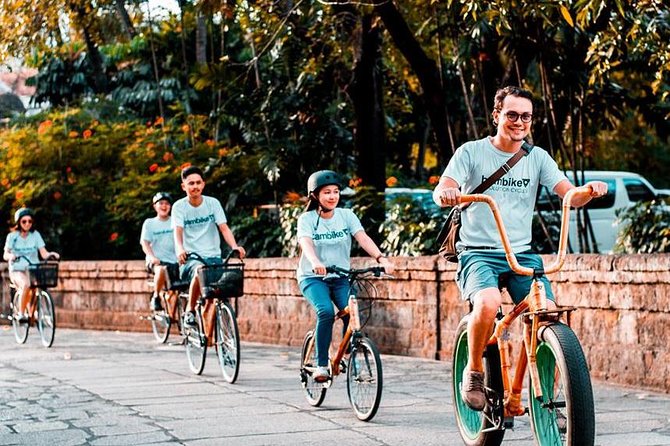
The key for me is the pacing. You are not just biking through a list of attractions. You are pausing at major gates and landmarks long enough to understand what you are looking at. Then you move on before the area gets too chaotic, which is a real win in Manila.
I also like the “small group with a plan” approach. You get a guide, plus support to keep everyone together as traffic and pedestrians share the roads near the walls. That matters because Intramuros looks pedestrian-friendly, until you are actually there.
Getting started at Bambike HQ, choosing your bike and gear
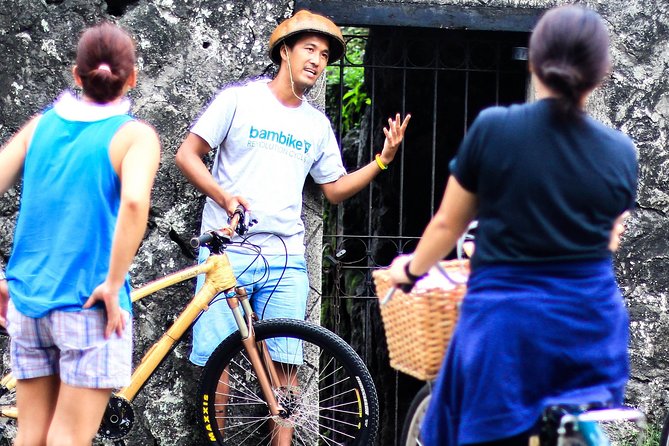
The tour begins back at Bambike Ecotours Intramuros, at Bambike HQ in the Plaza San Luis Complex on Real St, corner M General Luna St. You start with waivers, then you personally choose a bike style and size that fits you. That part sounds simple, but it makes a difference. On a bike tour, comfort is not optional.
You also get safety and weather gear right away: helmets are included, and you receive sunscreen or rain ponchos when needed. Since the tour runs in all weather conditions, you should assume you might bike in warm rain. The poncho matters. So do your shoes.
One more small detail I appreciate: the tour is designed to be easy to follow. The route loops through major spots, and you return to the meeting point. If you are short on time in Manila, this is the kind of structured half-day that keeps you from getting lost or overcommitted.
Casa Manila stop: a quick reset into Spanish-era Manila
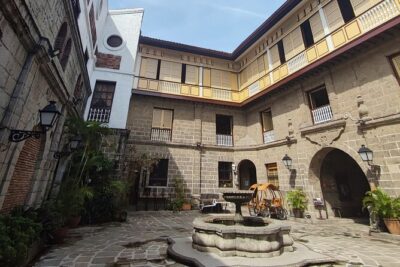
The first history stop is Casa Manila, where you see a copy of a traditional house inspired by Spanish Colonial Period architecture. This is a smart early move. Before you start threading through gates and fortifications, you get a visual baseline for how Spanish-era Manila was built.
Think of Casa Manila as your orientation chapter. It sets the tone for what comes next, especially once you start seeing defensive design and the way Intramuros shaped daily life. Even if you are not an architecture person, the contrast between what you see now and how this district was planned is usually what clicks for people.
Muralla Street and the Japanese Cannon: WWII context without the lecture
Next, you ride along Muralla Street and stop near the Japanese Cannon. This is where the tour adds twentieth-century layers to the district’s story.
You learn about the Japanese Occupation in the Philippines and World War II, tied directly to what you can see on the ground. That approach is practical. Instead of “history as a timeline,” it becomes history as location, which is how Intramuros makes sense.
It also helps you notice details you might miss otherwise: the way the walls and fortifications influence how movement happened. Even with short stops, you usually leave this segment with a clearer mental map of why these structures mattered during conflict.
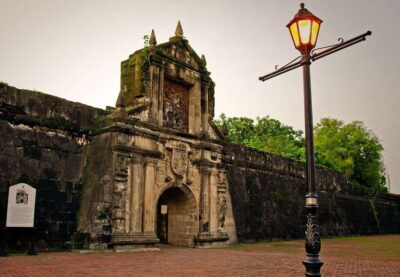

Puerta Real Gardens: a gate as a defense plan
Puerta Real Gardens is the next stop, and it is not just a pretty entryway. You explore one of Intramuros’s main gates and learn how Spanish defense fortification strategy worked beyond the walls.
A gate is an easy thing to photograph. It is harder to understand as an engineering decision. This stop helps bridge that gap. You get a sense of how entrances controlled flow and how the Spanish planned visibility and security.
If you like military history or the logic behind city planning, you will likely enjoy the way this stop explains the “why” behind the stone. If that is not your thing, it still works because you are watching the structure while the guide ties it to purpose.
Café Y Ruedas refresh break near the walls
After a string of stops, the tour breaks out toward the walls again at Café Y Ruedas. This segment is your reset: you get a refreshing break and a chance to regroup.
This part is included, and it matters more than you might think. A bike tour in Manila heat is not automatically brutal, but you will feel it in your energy. Having a planned break keeps the tour from turning into an endurance test.
You also get a better chance to take photos without rushing. Intramuros has plenty of visual angles, but you do not want to chase them while everyone else is moving. This stop creates a pause that improves the overall experience.
Puerta del Parian: Chinese influence told through a public space
Puerta del Parian is one of the district’s major gates and public plazas, and the tour uses it to explain the significance of Chinese people and influence in Philippine history.
This is where Intramuros shifts from purely Spanish and military-focused stories into a wider cultural mix. It helps you see Intramuros as a trading and community area too, not only a fortress city.
If your goal is to understand Manila beyond one era, this stop is a highlight. It also gives you a different kind of mental picture. You stop expecting only walls and churches. You start noticing the way public spaces connect communities and identities.
Plaza Roma and Manila Cathedral: center of gravity in old Manila
From Puerta del Parian, the route moves to Plaza Roma. Here you learn about the public plaza and what surrounds it, including the Manila Cathedral, which sits at the center of the district’s religious and public life.
Then you visit Manila Cathedral. You see the heart of Christianity in the Philippines and can witness the church’s fascinating history and interior.
This sequence works well because Plaza Roma acts like the “stage,” and Manila Cathedral is the “main character.” You are not jumping between unrelated sites. You understand how a plaza and a major cathedral anchor a city’s daily rhythm.
Practical tip: if you are visiting for photos, plan on a few minutes inside for your own pace. Cathedrals are quieter, and you will appreciate slowing down for details, not only the facade.
Fort Santiago: more time, plus a little walking
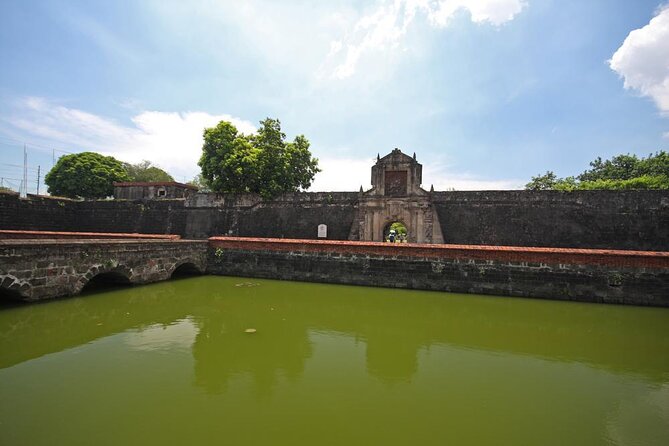
Fort Santiago is the tour’s most time-intensive stop, with about forty minutes on the ground. You explore the stone fortress and the historical spots that brought significance to Philippine history.
This is also the stop with a small amount of walking, so wear comfortable shoes. The bike gets you between key points, but you still need to move inside the fort area.
What makes Fort Santiago a standout is the combination of scale and context. It is not just a building you pass by. It is an entire fort setting, and it supports deeper explanations. If you like hands-on learning, this is where the tour feels most substantial.
Also, expect that Fort Santiago can absorb your attention. You might go in thinking you will glance around, then realize you are reading and observing more than you planned.
San Agustin Church: UNESCO level significance in a short stop
The tour finishes with San Agustin Church, also known as the Immaculate Conception Parish. It is described as the oldest church in the Philippines and a UNESCO World Heritage Site, so yes, the label carries weight.
Even though the stop time is short, it is a strong capstone. After the gates and forts, you get a clear religious and cultural landmark that helps balance the story.
If you are planning your day, this is a great final stop because it slows the tempo. You end with a place that feels anchored and timeless, the opposite of a “checklist sprint.”
What the $39 price gets you in 3 hours
At $39 per person, this is not trying to be a luxury experience. It is value-priced, and the inclusions do real work.
You get:
- A local guide and tour escort/host
- Helmet use
- Bottled water throughout the ride
- Sunscreen or rain ponchos if needed
- A cold towel at the end
- Refreshments after the biking
- Filipino snacks at the end
- Use of a bamboo bicycle
- Gratuities
A big part of the value is that you are paying for more than “transport.” You are paying for guided pacing and for the ability to cover multiple major Intramuros sites in one go. Without a bike tour like this, you would likely spend extra time walking between locations, and you might miss the threads connecting eras.
You also get the group size advantage. Max 15 travelers is small enough to feel personal, but big enough that you are not always stuck waiting for one person to catch up.
Safety and comfort: helmets, slow pace, and controlled traffic
The bike ride is designed to feel easy. People describe it as flat and simple. Still, you are in Manila, which means you will sometimes share space with vehicles and motorcycles at times on city roads.
That is why the tour includes support. There is a guide team that watches the road, keeps the group together, and helps with safety when roads get busy. That support can be reassuring if you are not a confident cyclist.
You should also be aware that streets can be crowded with pedestrians. That is normal around Intramuros. The solution is pace. Ride calm, keep your distance, and listen for when the guide asks you to slow down.
Weather reality: rain happens, ponchos help
The tour operates in all weather conditions, and you are provided sunscreen or rain ponchos when needed. In practice, that means warm rain is something you should plan for.
If you want a smooth experience, bring a light layer you can handle getting damp, and wear shoes you do not mind drying later. A poncho is useful, but it is not magic. Keep your phone protected, and expect reduced comfort in heavy rain.
If the weather gets too poor, the experience can be canceled and you are offered a different date or a full refund. So you are not locked into bad conditions.
Small bikes, big sites: the best fit for you
This tour is ideal if you want:
- A practical overview of Intramuros in a short time
- A bike-friendly way to see Fort Santiago, major gates, and major churches
- Easy cycling with guided stops that explain what you are looking at
It is also a strong pick for solo travelers because the group experience stays social. If you like asking questions, a small group makes it easier to get answers without feeling rushed.
If you want a long, hard cycling workout, you might feel slightly disappointed. The main focus is the guided route and historic stops, so you get lots of “stop, learn, move, stop again,” rather than nonstop pedaling.
Should you book Bamboo Bicycle Intramuros with Ecotours?
Book it if you want an efficient, friendly way to see Intramuros without sprinting or getting tangled in logistics. For $39, the mix of bamboo bikes, bottled water, guided history at major stops, and included refreshments makes the value feel fair.
You might skip it if you are chasing a true cycling session, since the ride is intentionally paced around sightseeing. Otherwise, this is exactly the kind of Manila experience I recommend when you want your day to feel both light on effort and heavy on meaning, all inside one compact walled district.
FAQ
Where is the meeting point for Bambike Ecotours Intramuros?
You meet at Bambike HQ, Plaza San Luis Complex, Real St corner M General Luna St, Intramuros, Manila, 1002 Metro Manila, Philippines. The tour ends back at the meeting point.
How long is the Intramuros bamboo bicycle tour?
The tour lasts about 3 hours (approx.).
Is a helmet provided?
Yes. Helmet use is included.
Do I get refreshments or snacks?
Yes. You get bottled water throughout the ride, refreshments afterward, and Filipino snacks at the end. Food and drinks are not included unless specified, so alcoholic drinks are available to purchase separately.
What historic sites do we visit?
The tour includes stops such as Casa Manila, the Japanese Cannon area, Puerta Real Gardens, Café Y Ruedas, Puerta del Parian, Plaza Roma, Manila Cathedral, Fort Santiago, and San Agustin Church.
Is there walking during the tour?
Yes, a small amount of walking is involved inside Fort Santiago.
How big is the group?
The tour has a maximum of 15 travelers.
Does the tour run in rain?
The experience operates in all weather conditions, and sunscreen or rain ponchos are provided when needed. If it is canceled due to poor weather, you will be offered a different date or a full refund.
Can I cancel for a full refund?
Yes, free cancellation is available. You can cancel up to 24 hours in advance for a full refund. If you cancel less than 24 hours before the start time, the amount paid is not refunded.
More Tour Reviews in Manila
- Intramuros, Manila: Historical Bamboo Bike Tour★ 4.8 · 583 reviews
- Manila: Intramuros, Chinatown, and Old Manila Half-Day Tour★ 4.8 · 475 reviews
- Manila: Old & New 4-Hour City Tour★ 4.5 · 458 reviews
- Manila Food Tour: Introduction to Philippine Street Food★ 5.0 · 417 reviews
Inside the Old Walls
- Intramuros, Manila: Historical Bamboo Bike Tour★ 4.8 · 583 reviews
- Manila: Intramuros, Chinatown, and Old Manila Half-Day Tour★ 4.8 · 475 reviews
- Manila: Guided Sunset Bamboo Bike Tour in Intramuros★ 4.8 · 119 reviews
- Viva Old Manila: Intramuros Walking Tour★ 4.9 · 104 reviews
More of Manila, reviewed
- Private Departure Airport Transfer in Manila Bay and Makati Area
★ 5.0 · 3 reviews - Embark on a 7-Day Banaue-Sagada Adventure of a Lifetime
★ 5.0 · 3 reviews - From Manila: Philippines Private Tour Guide
★ 4.1 · 3 reviews - Unforgettable Manila Fishing Village Day Excursion 2024
★ 5.0 · 4 reviews - Tagaytay + Hidden Valley Springs: A Scenic Escape w/ Transfers
★ 4.0 · 4 reviews
Intramuros and Old Manila Walking Tours, start to finish.
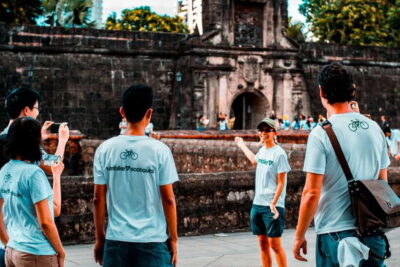 ★ 4.8Intramuros, Manila: Historical Bamboo Bike TourFrom $27583 reviews
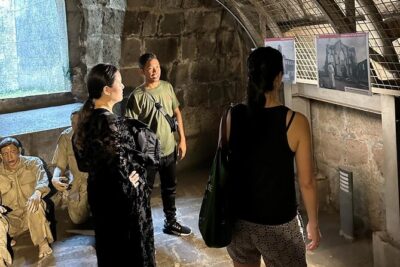 ★ 4.8Manila: Intramuros, Chinatown, and Old Manila Half-Day TourFrom $68475 reviews
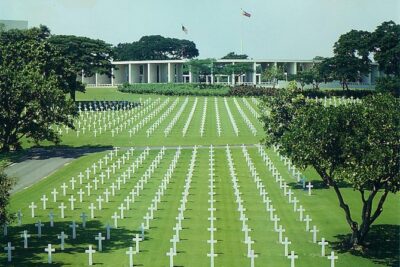 ★ 4.5Manila Old and New: Sightseeing Tour Including Intramuros and Fort SantiagoFrom $103377 reviews
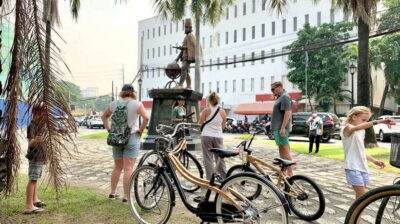 ★ 4.8Manila: Guided Sunset Bamboo Bike Tour in IntramurosFrom $40119 reviews
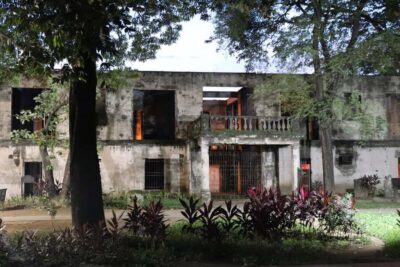 ★ 4.9Viva Old Manila: Intramuros Walking TourFrom $27104 reviews
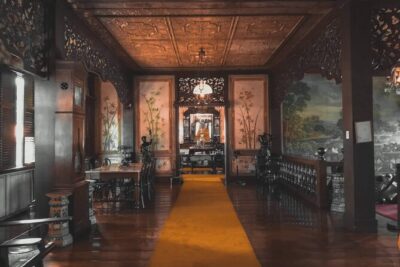 ★ 5.0Manila’s Walled City: Intramuros Walking TourFrom $3582 reviews
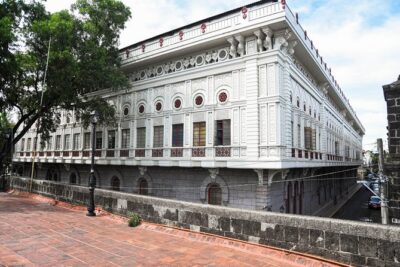 ★ 5.0Explore Intramuros: Introduction to Philippine HistoryFrom $5580 reviews
 ★ 5.0Experience Manila’s Heritage: Intramuros & More in Half a Day!From $7576 reviews
Where this one shows up