
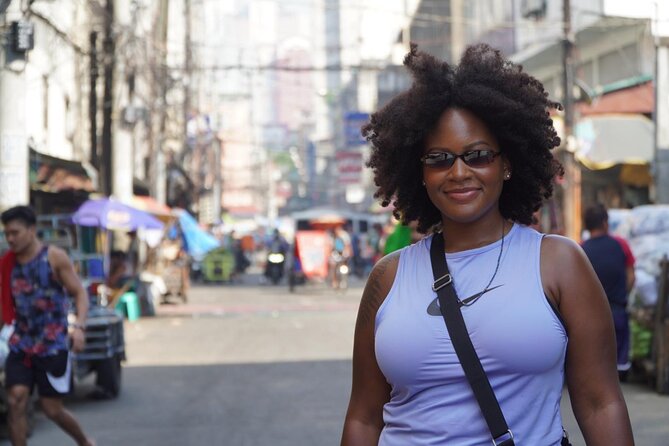
REVIEW · MANILA
Discover the Real Manila with Tuktuk and Jeepney
Manila changes when you walk with a guide. This 2-hour experience is built for people who want the real feel of the city, with a strong emphasis on a guided photo session and time in Tondo plus Binondo. Even if you only have a day or two, it gives you a clear before-and-after look at how daily life looks block to block, with local neighborhoods approached in a way that’s meant to feel safe for visitors.
My favorite part is that the camera work is handled for you: you get photo support during the walk, then the images are sent afterward. One possible drawback is that the tour looks directly at some of the hardest parts of Manila in Tondo, including the living conditions there, so come with a respectful attitude and be ready for emotionally heavy street scenes.
In This Review
- Key takeaways
- The Tondo and Binondo Street-Culture Combo That Actually Makes Sense
- Starting in Tondo: Old Manila Market, Colors, and Street-Level Photos
- Binondo After Tondo: Old Chinatown Lanes and Everyday Chinese-Filipino Life
- The Photos Are Included, So You Can Stop Overthinking Your Camera
- How Local Transport Fits the Real-Manila Promise
- Timing in Manila: Two Day Slots That Help You Avoid Chaos
- Small Group Size Changes Everything
- Price and Value: Why $85 Can Be Fair for a Short Photo Walk
- What You Learn When You See Tondo First
- Who Should Book This Experience (And Who Might Skip It)
- Practical Tips for Getting the Best Experience
- Should You Book This Real Manila Walk?
- FAQ
- How long is the tour?
- Where does the tour start and end?
- What time slots are available?
- How many people are in the group?
- Is photography included?
- Is there an admission fee for the stops?
- What happens if weather is poor?
Key takeaways
- Two-photo-stop route: Old Manila Tondo market, then Binondo’s Chinatown lanes
- Photos handled for you: you’ll get a photography component and the pictures are delivered after
- Small group: up to 10 travelers, so you are not stuck in a huge crowd
- Local-feeling timing: day tours run 8:00 to 10:00 AM and 2:00 to 4:00 PM
- Chinatown alley photography: ornate places and older streets, not just main roads
- Real Manila focus: clean tourist-friendly framing, plus a look at difficult everyday life in Tondo
More ways to take Manila in a day
- Manila Old and New: Sightseeing Tour Including Intramuros and Fort Santiago★ 4.5 · 377 reviews
- Manila Super Saver: Manila Sightseeing plus Tagaytay Tour with Taal Volcano★ 4.0 · 75 reviews
- The Hidden Gems of Manila Guided Tour★ 5.0 · 42 reviews
- Manila: Intramuros, Chinatown, and Old Manila Half-Day Tour★ 5.0 · 37 reviews
The Tondo and Binondo Street-Culture Combo That Actually Makes Sense
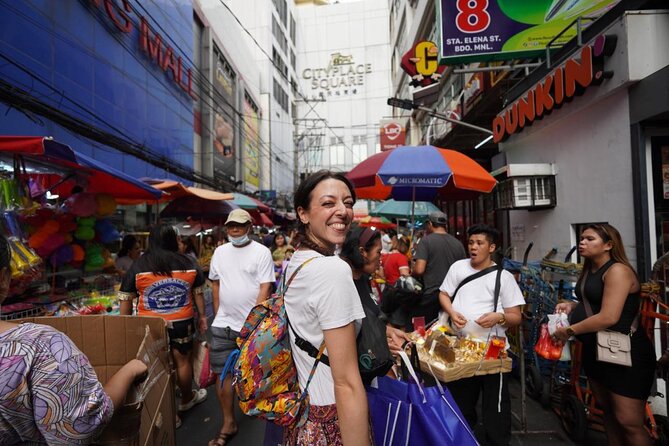
If you have ever felt like Manila tourism is either too generic or too overwhelming, this tour offers a smart middle path. You get a short, structured walk that still feels street-level, moving from a local market atmosphere into Binondo’s Chinatown world of shops, temples, and older alley streets.
The value here is not just where you go, it’s how you go. The tour is designed around observation and photography, so you notice details instead of just rushing past them. It’s also meant to show how Manila can feel both familiar and very different depending on which neighborhood you are in, including the contrast between clean surroundings meant for visitors and the realities of life in Tondo.
Starting in Tondo: Old Manila Market, Colors, and Street-Level Photos
The tour begins back in Tondo, with the first stop at the Old Manila Tondo local market. This is where you should expect your first real sensory hit: produce, vendors, shoppers, and that everyday motion that makes a city feel real.
You get about an hour here, and the structure is built around a photoshoot. That matters because it helps you look longer and more deliberately. Instead of trying to plan your own photo path, you get a guided way to frame what you see, from close-up textures like fruit and packaging to wider street scenes that show how people actually move through the market.
What you’ll likely enjoy most at the market
- Street scenes that show daily rhythm, not staged tourist shots
- Vendor interactions you can photograph respectfully (and fast, since this is a short tour)
- A photo-friendly setting where you do not need fancy planning to get good results
One practical consideration
Market lighting can change quickly as stalls line the street and shade shifts. If you want consistently sharp pictures, you will want your camera settings ready or a quick way to switch between bright sun and shaded corners. You do not need to be a pro, but having a plan helps.
Binondo After Tondo: Old Chinatown Lanes and Everyday Chinese-Filipino Life
From the market, the walk moves to Binondo for the second stop: the oldest Chinatown in Manila. Here the atmosphere changes again, shifting from market chaos into older streets where you’ll find temples, traditional-looking storefronts, and the kind of alley layout that makes photos feel more layered.
You’ll get another hour in this area. This is enough time to do two useful things: catch the main street energy and then actually look into side lanes. Those alleys are where a lot of the memorable photos tend to happen, because they combine architecture, small shops, and street life into a single frame.
Why this stop is worth it
- You get Chinese-Filipino cultural visuals in a place shaped by generations of everyday life
- You see more than one type of street scene, from temple areas to commercial lanes
- You end up with photos that feel connected, because Binondo follows directly after Tondo in one continuous experience
A heads-up
Binondo is an active neighborhood. The main street can get busy, and side lanes can feel tight, so wear shoes that handle uneven pavement and plan for close movement with your group.
The Photos Are Included, So You Can Stop Overthinking Your Camera
One of the smartest parts of this tour is the photography setup. You get a photoshoot component during the walk, and then you receive the photos after the experience, with images sent to you. If you do not want to play tour photographer the entire time, this is a real win.
It also helps that the tour runs only about 2 hours. When you have limited time, you want the experience to guide your choices. With photography built in, you are less likely to miss key moments just because you were trying to figure out where to stand.
You can bring an extra camera if you want. But even if you rely on your phone, the structure gives you a chance to slow down long enough to get images that actually represent what you saw, not just quick snapshots.
How Local Transport Fits the Real-Manila Promise
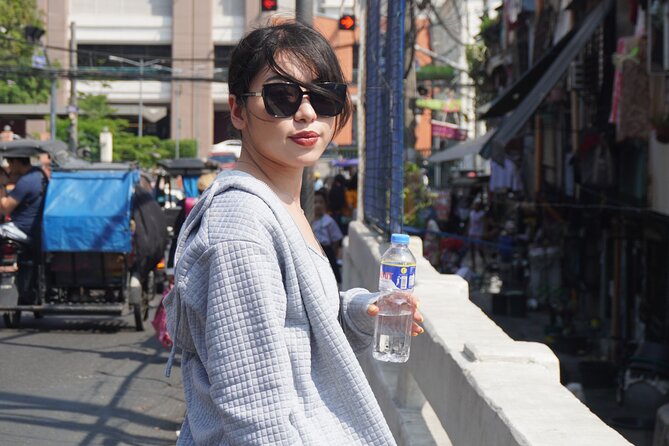
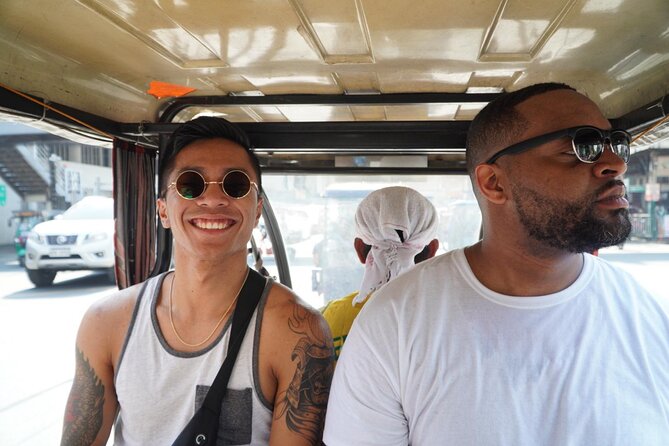
The tour name signals local transport by tuktuk and jeepney, and that matters for how you experience a city. When you move this way, you tend to notice more than you would from a private car window. Speeds feel different, streets look narrower up close, and you get the sense that you are part of the neighborhood flow rather than parked on the edge of it.
Even though the itinerary is focused on two walking-and-photo stops, the transport component is part of the overall vibe: this is not a museum-style overview. It’s a street-level perspective on Manila, from market blocks to Chinatown lanes.
Timing in Manila: Two Day Slots That Help You Avoid Chaos
This tour is scheduled during daylight in two windows: 8:00 to 10:00 AM and 2:00 to 4:00 PM. That’s useful because you are not trying to do a neighborhood walk in total dark, and the light is typically better for photography.
The tradeoff is that Manila weather can be changeable. This experience is described as requiring good weather, so if rain or poor conditions hit, you should expect the provider to offer a different date or a full refund. In practice, that means you should not stack this tour with another tightly timed plan unless you leave a buffer.
Small Group Size Changes Everything
With a maximum of 10 travelers, you get a tour that stays human-sized. That affects your comfort, especially in markets and narrow lanes. You can actually see what your guide is pointing at, and it’s easier to pause for photos without turning the street into a bottleneck.
It also makes it easier to ask questions in the moment, which is where tours like this become more than just walking. You start to understand why certain places look the way they do, and how people organize daily life in that space.
Price and Value: Why $85 Can Be Fair for a Short Photo Walk
At $85 per person for about 2 hours, the cost may feel like a lot at first. But when you break down what’s included, it starts to look more sensible.
Here’s the value logic:
- The tour includes a photography component during the experience, plus photos sent afterward.
- The guided route covers two major areas in one short block of time.
- Admission tickets at the stops are listed as free.
- You’re not paying for a full-day outing, you are paying for guided time and photo support in two concentrated neighborhoods.
So the question becomes: do you want guidance and photography help, or do you just want to wander on your own? If your priority is getting good images and understanding what you are seeing without having to build your own route, then the price can feel fair. If you would rather travel independently and skip photo delivery, you might find other cheaper options, but they would likely require more planning.
One more practical note: the tour is often booked in advance, averaging about 17 days ahead. If your dates are fixed, I would not wait until the last minute.
What You Learn When You See Tondo First
This tour is intentionally sequenced: it starts in Tondo and moves to Binondo. That order does something useful. You experience one side of Manila first, with market and everyday street life, then the tour shifts to Chinatown older-street visuals and commerce. Your brain builds connections between the places because you are not separated by long travel time.
The tour also sets expectations that it will show difficult everyday living conditions in Tondo. That’s not a detail you should gloss over. If you are the kind of traveler who needs only scenic viewpoints, this may feel too real. But if you want to understand Manila beyond the standard tourist postcard, this is exactly the point.
A good way to approach it is simple: keep a respectful distance, ask before photographing if you feel it’s appropriate, and focus on storytelling through your lens rather than treating people like props.
Who Should Book This Experience (And Who Might Skip It)
I think this tour is a strong fit for:
- Layover travelers or anyone with only a day or two who still wants meaningful street time
- First-time visitors who want a structured way to see neighborhoods that feel very different
- People who enjoy street photography and want help getting better shots without managing everything alone
- Families and groups who want a tour that is interesting enough for kids but guided enough for adults
A local guide named Venus is highlighted in a top review for knowing the area well and making the experience enjoyable, even for people who had lived nearby before. That tells you the goal is real explanation, not just route-following.
I would skip it if:
- You are not comfortable seeing tough realities up close
- You want a typical highlights tour with only comfortable sights
- You are sensitive to heavy scenes and you do not think you can handle that mood shift
Practical Tips for Getting the Best Experience
You can make this tour smoother with a few basics.
Wear for walking. Even though it is short, you will spend time on streets and around stalls, and you want grip and comfort.
Bring a charged phone or camera. Since photography is included, you do not have to stress. But you’ll probably want your own captures too.
Plan for close-quarter movement. Markets and alley lanes can be tight, especially around photo stops.
Be respectful. The tour’s focus includes everyday life and difficult living conditions in Tondo. Treat it like meeting a neighborhood, not like consuming content.
If you want to coordinate your own photos, do it without slowing others down. The tour is only about 2 hours, so keep the pace moving when the group is ready.
Should You Book This Real Manila Walk?
If you want a short tour that actually shows you what Manila feels like on the street, I think this is a solid booking. You get two major neighborhoods in a tight timeline, plus a built-in photography component that reduces stress and increases the chance you’ll come home with images that tell a real story.
Book it if you are excited by cultural detail, street scenes, and photo walks that go beyond shopping malls and major landmarks. Skip it if you want a purely light and easy day, because the Tondo portion intentionally brings you face to face with difficult realities.
If you fit the first group, this is an efficient way to spend your limited time in Manila, with small-group attention and photo delivery that saves you the work of figuring it all out yourself.
FAQ
How long is the tour?
It lasts about 2 hours.
Where does the tour start and end?
It starts in Tondo, Manila, Metro Manila, Philippines, and ends back at the meeting point.
What time slots are available?
There are daytime schedules from 8:00 AM to 10:00 AM and from 2:00 PM to 4:00 PM.
How many people are in the group?
The tour has a maximum of 10 travelers.
Is photography included?
Yes. Photography is included, and photos will be sent to you after the experience.
Is there an admission fee for the stops?
The stops listed include admission tickets marked as free.
What happens if weather is poor?
This experience requires good weather. If it is canceled due to poor weather, you will be offered a different date or a full refund.
More Tour Reviews in Luzon
- Manila Old and New: Sightseeing Tour Including Intramuros and Fort Santiago★ 4.5 · 377 reviews
- Manila’s Walled City: Intramuros Walking Tour★ 5.0 · 82 reviews
- Manila Filipino Cooking Class: Meryenda Favorites★ 5.0 · 80 reviews
- Batad Guided Tour★ 5.0 · 78 reviews
Manila in a Day
- Manila Old and New: Sightseeing Tour Including Intramuros and Fort Santiago★ 4.5 · 377 reviews
- Manila Super Saver: Manila Sightseeing plus Tagaytay Tour with Taal Volcano★ 4.0 · 75 reviews
- The Hidden Gems of Manila Guided Tour★ 5.0 · 42 reviews
- Manila: Intramuros, Chinatown, and Old Manila Half-Day Tour★ 5.0 · 37 reviews
More of Luzon, reviewed
- Private Airport Transfer Manila to Hotel in Manila or vice versa
★ 5.0 · 3 reviews - Angeles City / Clark Airport to La Union (Bauang, San Fernando, San Juan)
★ 3.5 · 4 reviews - The Jeepney & Tuk Tuk Adventure ride with Local Guide
★ 4.5 · 4 reviews - The Oldest Chinatown in Manila with Local Guide
★ 5.0 · 4 reviews - Manila Social and Political Walk
★ 5.0 · 4 reviews
Manila City Tours, start to finish.
 ★ 4.8Manila: Intramuros, Chinatown, and Old Manila Half-Day TourFrom $68475 reviews
 ★ 4.5Manila Old and New: Sightseeing Tour Including Intramuros and Fort SantiagoFrom $103377 reviews
 ★ 4.3Full-Day Manila City, Tagaytay Taal Volcano and Lake TourFrom $160139 reviews
 ★ 4.0Manila Super Saver: Manila Sightseeing plus Tagaytay Tour with Taal VolcanoFrom $16075 reviews
 ★ 4.7MANILA HALF-DAY TOUR (4HRS)From $9043 reviews
 ★ 5.0The Hidden Gems of Manila Guided TourFrom $6042 reviews
★ 5.0Manila: Intramuros, Chinatown, and Old Manila Half-Day TourFrom $7537 reviews
★ 5.0The Hidden Gems of Manila Guided TourFrom $6042 reviews
★ 5.0Manila: Intramuros, Chinatown, and Old Manila Half-Day TourFrom $7537 reviews
 ★ 4.5Intramuros & Chinatown Manila Tour – Walking, Food & CultureFrom $6232 reviews
Where this one shows up