
REVIEW · MANILA
Manila: Intramuros, Chinatown, and Old Manila Half-Day Tour
Three hours can change how you see Manila.
This half-day circuit links three worlds fast: Tondo Market for everyday life, Binondo Chinatown for centuries of Chinese-Filipino culture, and Intramuros for the walled-city story that still shapes the skyline. Guides like Floyd and Venus are the kind that keep the momentum going, even when the streets get busy.
What I like most is the mix of street scenes and historical stops, all in one plan. You also get local transport rides (tricycle, tuktuk, jeepney), plus refreshments and included photography support, so you are not just watching from the sidelines. One thing to consider: it is a lot of walking, and by the time you reach Intramuros, your legs may feel like they filed an official complaint.
In This Review
- Key highlights to look for
- Why this 3-hour old Manila circuit works so well
- Meeting at Tutuban Center and using tricycle, tuktuk, and jeepney like locals
- Tondo Market: where everyday Manila starts
- Binondo Chinatown: 1594 roots and the Ongpin Street vibe
- Intramuros walls and Fort Santiago: stepping into the Spanish city
- Casa Manila, San Agustin Church, and Manila Cathedral stops that anchor the route
- Food tastings, refreshments, and included photography help you keep moving
- What to pack, how to handle the walking, and who this tour suits
- Should you book this Manila Intramuros, Chinatown, and Old Manila tour?
- FAQ
- How long is the tour?
- How much does it cost?
- Where do we meet the guide?
- Is the tour guide available in English?
- What transportation is included?
- Is there walking involved?
- What should I wear?
- Is the tour suitable for very elderly guests?
- Can I cancel or change plans?
Key highlights to look for
- Tondo Market start with colorful stalls for produce, seafood, and local snacks
- Binondo, founded in 1594, often described as the oldest Chinatown in the world
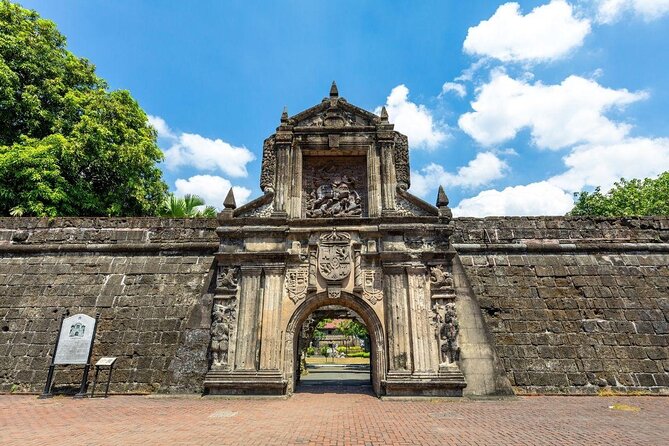
- Spanish walled-city feel in Intramuros, including Fort Santiago and the historic church stops
- Fort Santiago experience time that helps you connect the walls to the people who lived through them
- Multi-vehicle local transit (tuktuk, tricycle, jeepney) that keeps the tour moving and fun
- Two-guide setups sometimes happen, like Floyd with Jane, which can make explanations easier to follow
More ways to take Manila in a day
- Manila: Intramuros, Chinatown, and Old Manila Half-Day Tour★ 4.8 · 475 reviews
- Full-Day Manila City, Tagaytay Taal Volcano and Lake Tour★ 4.3 · 139 reviews
- Manila Ninoy Aquino Airport (MNL) Private Transfer to Manila City★ 4.5 · 128 reviews
- MANILA HALF-DAY TOUR (4HRS)★ 4.7 · 43 reviews
Why this 3-hour old Manila circuit works so well
Manila can feel like a blur if you only use cars and big roads. This tour is built for the opposite: you get a quick hit of real neighborhoods, then you step into the quieter, stone-and-history world of Intramuros.
In practice, the time advantage is huge. You start in Tondo Market, then head to Binondo in Chinatown, then end at Intramuros. That sequence matters because each area changes the vibe: market life first, cultural streets next, then the fortified Spanish-era walls.
The other thing I appreciate is how the route naturally teaches context. You are not just sightseeing buildings. You are seeing where people eat, shop, worship, and walk, and then comparing that daily flow to a historical power center inside the walls.
At $68 per person for about 3 hours, the value comes from the combination: a live English-speaking guide, refreshments, included photo time, and multiple forms of local transport. For Manila, those extras help a lot, especially if you do not want to figure out transit and directions on your own.
Also worth noting: it is listed as highly rated, with a 4.8 score from 475 reviews. That kind of consistency usually points to good guiding and a route that people feel they can actually finish.
Meeting at Tutuban Center and using tricycle, tuktuk, and jeepney like locals
Your starting point is specific and easy to miss if you do not plan for it: meet your guide at Tutuban Center Mall, Bonifacio Monument area, near the Lawson Convenience Store. The instruction is to ask security to help you connect with your guide there, which is practical if you arrive a bit confused.
Once you are underway, the tour’s transport choices are not just for fun. They do two jobs.
First, they keep the tour efficient. In this part of Manila, traffic and street layout can change block to block. Using tricycles, tuktuks, and jeepneys helps you avoid wasting the limited tour time stuck in the wrong direction.
Second, the transit is part of the story. People in the reviews repeatedly highlight that it feels like a real introduction to how Manila runs day to day. One guest even mentioned seeing how traffic control works while riding a tuk-tuk, which is the kind of small detail that makes the city feel less abstract.
You will also likely notice how the guides handle the flow. Several comments call out guides who were proactive when things got chaotic. That matters when you are walking through lively streets and need a plan that stays calm.
Tondo Market: where everyday Manila starts
The tour begins at Tondo Market, with your guide leading you through narrow lanes lined with stalls. This is the part that grounds the whole trip. Instead of starting with monuments, you start with life: produce, seafood, and local delicacies in a place locals actually use.
This is a good choice for first-time visitors because it sets expectations. Manila is not only historic walls and photo spots. It is also daily labor, small purchases, and routine.
What you get from this start is a feel for rhythm. Markets teach you how people move, what they buy, and what kinds of foods and snack cultures are normal here. If you enjoy street-level travel, you will appreciate that you are seeing the city before it shifts into “tour mode.”
Also, it is a useful warm-up for the rest of the route. After Tondo Market, the transition into Chinatown and Intramuros feels less like jumping between unrelated attractions. You start to see Manila as one connected city with different layers.
One practical note: because this part is market walking, wear your comfort shoes and plan for sun exposure. The tour’s packing guidance calls for sun glasses, sunscreen, and a hat or cap, and that advice fits perfectly with a market start in daylight.
Binondo Chinatown: 1594 roots and the Ongpin Street vibe
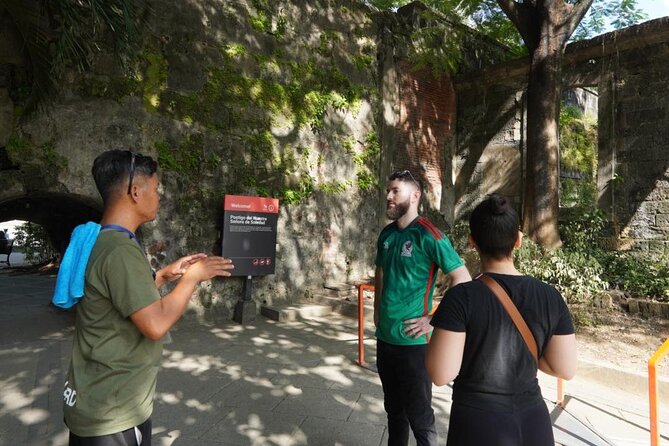
Next comes Binondo, often described as the oldest Chinatown in the world, established in 1594. If you care about how communities form over time, this is the moment where the tour starts telling a long story in street-level detail.
Your walk centers around Ongpin Street, where the energy is very different from Tondo. This is where you see the Filipino-Chinese cultural blend in a visible way, from architecture-style landmarks to public symbols.
Two landmark stops are specifically named:
- Binondo Church
- Filipino-Chinese Friendship Arch
That arch symbol matters because it is easy to think of Chinatown as only one culture. This tour frames Binondo as a shared space, not a museum exhibit. And when you are walking next to working storefronts and churches, the history feels less like a lecture and more like geography.
If you travel around major dates like Lunar New Year, expect more people in the streets. One guest specifically called out the area being crowded right before Lunar New Year, and that is exactly what you should plan for. A crowded Chinatown can be part of the magic if you go in with the right pace and patience.
Other walks inside the old walls
Intramuros walls and Fort Santiago: stepping into the Spanish city
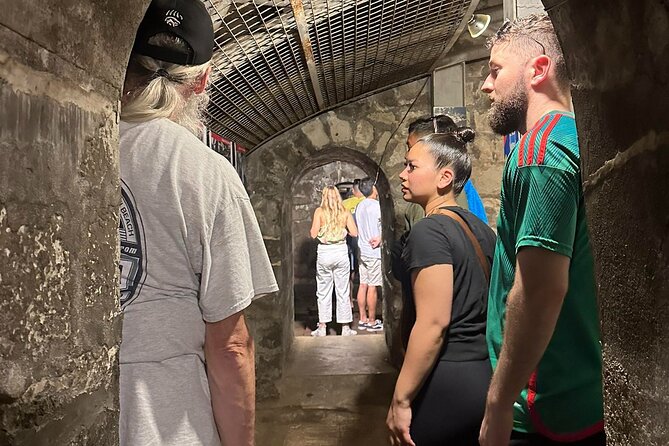
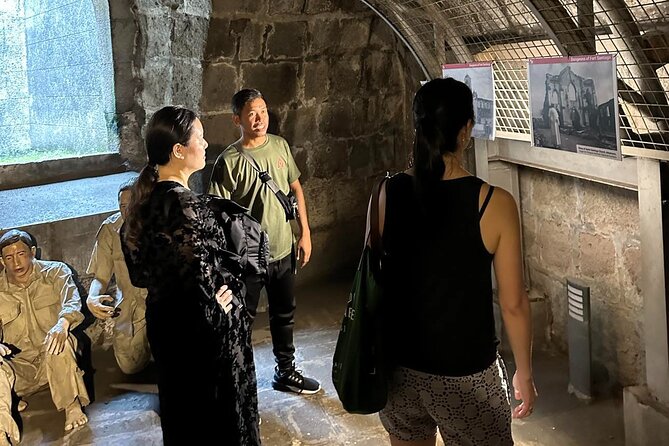
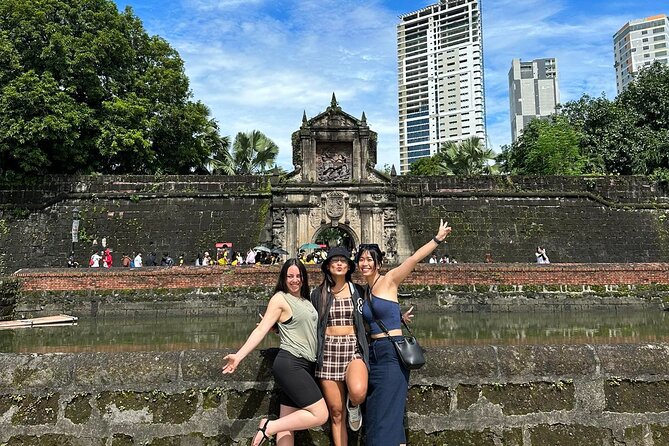
Then you move into Intramuros, Manila’s historic walled city. Intramuros is the tour’s “big setting” stop: stone corridors, fort presence, and the sense that someone once planned this place for control and defense.
One highlight you should not miss here is the Fort Santiago experience. Fort Santiago is not only a photo stop. It is where the story of the Spanish era becomes more physical. Walls make history harder to ignore, and Fort Santiago is the kind of site that helps you connect the idea of power to actual streets and fort lines.
The tour also frames Intramuros as a Spanish city experience, which helps you understand why you are seeing certain architectural and church-centered features grouped tightly inside.
There is also a very real practical effect. As you approach Intramuros, the walking accumulates. One guest noted being quite tired by the time they reached Intramuros. That is not a deal breaker, but it is a signal to bring the right mindset: go slow, hydrate, and let the sites land without rushing.
If you want a tour that helps you orient yourself fast in Manila, this Intramuros ending does that. You leave with a clearer mental map of where the old power center sat compared to the neighborhoods you saw earlier.
Casa Manila, San Agustin Church, and Manila Cathedral stops that anchor the route
Intramuros is packed with religious and historic anchors, and this tour includes several named stops that give the area its identity.
You have specific highlights at:
- Casa Manila
- San Augustin Church
- Manila Cathedral
Even if you are not a hardcore architecture person, these stops help you understand what Intramuros meant in daily life. In many Spanish-era city plans, churches are not only places of worship. They are social anchors and community landmarks, and the streets around them often carry a different feel than the outer neighborhoods.
Casa Manila is a particularly interesting stop because it signals domestic and cultural history rather than only military history. Pairing that with Fort Santiago means you get both sides of the city: defense and daily living.
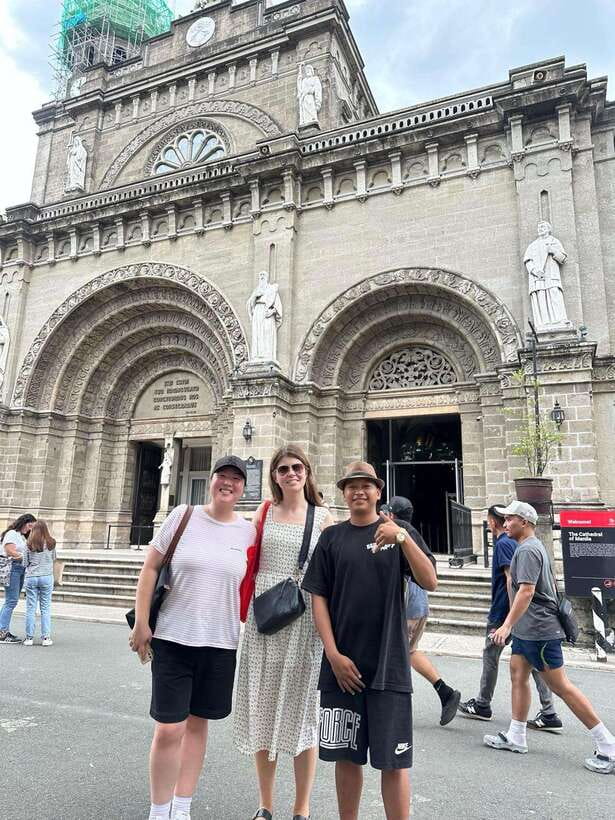
San Augustin Church and Manila Cathedral give you the religious center points. They also help you see the scale of Intramuros. The stone structures feel close and heavy, which is part of why the whole area can be so memorable even on a short half-day.
If you like guided context, you will likely appreciate how guides connect these places into a single explanation rather than treating each stop like a separate postcard. Several comments mention guides who answered questions well and stayed flexible as things changed.
Food tastings, refreshments, and included photography help you keep moving
A big reason this tour keeps earning top marks is that it does not just point you at attractions. It feeds the experience, literally and practically.
You get refreshment during the tour. That matters more than it sounds in Manila, because you are out on foot and under sun. It helps you stay functional through the market and the later Intramuros walk.
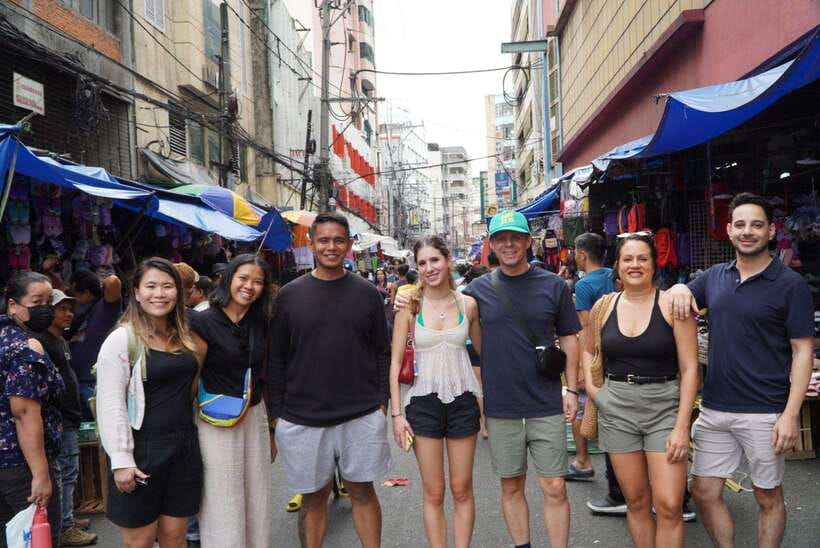
You also get photography support. That is a small inclusion, but it solves a common problem. In crowded areas like Chinatown, your photos can look like you are constantly weaving around people. With a guide managing timing, you can usually catch better angles without turning it into a wrestling match.
Food also shows up in the flow. The plan calls out local delicacies and tasting opportunities connected to Tondo and Chinatown. That is a big deal for value. If you are already paying for a guide, you want your money to cover the kind of experience that is hard to replicate solo, and snack tasting is one of those.
One review detail I like: a guest mentioned getting to taste options while also seeing how local transport works. That combination is what makes this feel like you learned Manila, not just visited it for a few photos.
What to pack, how to handle the walking, and who this tour suits
Let’s be honest. This is a half-day tour with a full half-day of effort. The tour itself calls out that there is a lot of walking, and it gives a clear packing list.
Bring:
- Comfortable shoes
- Sun glasses
- Sunscreen
- Hat or cap
That is the minimum. I would treat this as a legs day. If your feet get sore easily, plan to take short pauses and listen to your guide’s pacing.
Age is also addressed. It states the tour is not suitable for people over 95 years. That is a useful guideline if you are traveling with older family members.
Who it fits best:
- First-time visitors who want a fast orientation to Manila’s core layers
- People who like street-level culture, not only monuments
- Families and groups who want local transport in one afternoon
- Anyone staying a short time and trying to build a good base for a later return
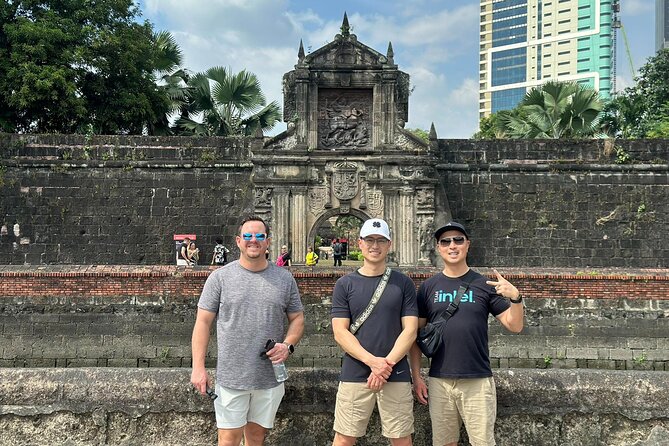
One more point: the guides matter. Multiple names show up, including Floyd, Venus, and Jane. People describe them as friendly, helpful, and good at making the route feel manageable in lively areas. That is exactly what you want for a walking-heavy half-day.
Should you book this Manila Intramuros, Chinatown, and Old Manila tour?
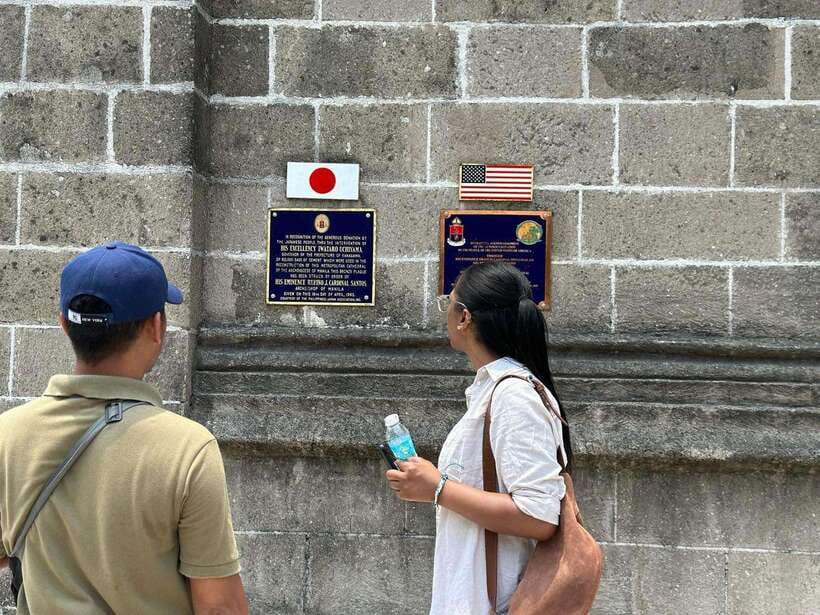
I think you should book it if you want a high-impact first look at Manila. The value is strong because the ticket covers a live English guide, refreshments, photo help, and multiple local transport rides, all wrapped around major stops like Fort Santiago, San Augustin Church, and Manila Cathedral.
Skip it or choose something gentler if you do not do well with walking. Since the tour is explicitly described as a lot of walking and some guests said they were tired by the time they reached Intramuros, you should plan for energy limits.
If you are the type of person who likes to understand a city, not just check boxes, this one makes sense. You end with the walls of Intramuros, but you start with the real street life that gives those walls context.
FAQ
How long is the tour?
The duration is 3 hours.
How much does it cost?
It is listed at $68 per person.
Where do we meet the guide?
Meet your guide at Tutuban Center Mall, near the Bonifacio Monument, close to the Lawson Convenience Store. You can ask security to help you meet your guide there.
Is the tour guide available in English?
Yes, the tour includes a live English tour guide.
What transportation is included?
The tour includes tuktuk, tricycle, and jeepney.
Is there walking involved?
Yes. The tour reminder says there is a lot of walking, so comfortable shoes are recommended.
What should I wear?
The guidance is comfortable shoes, sun glasses, sunscreen, and a hat or cap.
Is the tour suitable for very elderly guests?
No. It states it is not suitable for people over 95 years.
Can I cancel or change plans?
Free cancellation is available up to 24 hours in advance for a full refund, and there is also a reserve now, pay later option.
Manila by the Plate
- Manila Food Tour: Introduction to Philippine Street Food★ 5.0 · 417 reviews
- Manila Food Tour: Explore World’s Oldest Chinatown★ 5.0 · 158 reviews
- Manila: Street Food and Drinks Walking Tour with Tastings★ 4.8 · 114 reviews
- Manila: Sightseeing and Food Walking Tour with Tastings★ 4.7 · 68 reviews
Inside the Old Walls
- Intramuros, Manila: Historical Bamboo Bike Tour★ 4.8 · 583 reviews
- Experience Intramuros with Bamboo Bicycle – Ecotours★ 5.0 · 508 reviews
- Manila: Guided Sunset Bamboo Bike Tour in Intramuros★ 4.8 · 119 reviews
- Viva Old Manila: Intramuros Walking Tour★ 4.9 · 104 reviews
Manila in a Day
- Full-Day Manila City, Tagaytay Taal Volcano and Lake Tour★ 4.3 · 139 reviews
- Manila Ninoy Aquino Airport (MNL) Private Transfer to Manila City★ 4.5 · 128 reviews
- MANILA HALF-DAY TOUR (4HRS)★ 4.7 · 43 reviews
- Explore Manila Slums and Hidden Market★ 4.9 · 41 reviews
More of Manila, reviewed
- Private Departure Airport Transfer in Manila Bay and Makati Area
★ 5.0 · 3 reviews - Embark on a 7-Day Banaue-Sagada Adventure of a Lifetime
★ 5.0 · 3 reviews - From Manila: Philippines Private Tour Guide
★ 4.1 · 3 reviews - Unforgettable Manila Fishing Village Day Excursion 2024
★ 5.0 · 4 reviews - Tagaytay + Hidden Valley Springs: A Scenic Escape w/ Transfers
★ 4.0 · 4 reviews
Intramuros and Old Manila Walking Tours, start to finish.
 ★ 4.8Intramuros, Manila: Historical Bamboo Bike TourFrom $27583 reviews
 ★ 5.0Experience Intramuros with Bamboo Bicycle – EcotoursFrom $39508 reviews
 ★ 4.5Manila Old and New: Sightseeing Tour Including Intramuros and Fort SantiagoFrom $103377 reviews
 ★ 4.8Manila: Guided Sunset Bamboo Bike Tour in IntramurosFrom $40119 reviews
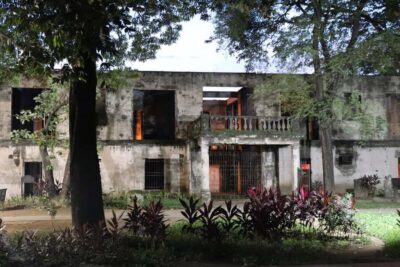 ★ 4.9Viva Old Manila: Intramuros Walking TourFrom $27104 reviews
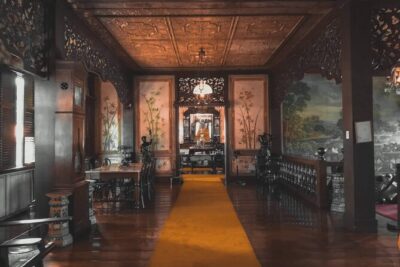 ★ 5.0Manila’s Walled City: Intramuros Walking TourFrom $3582 reviews
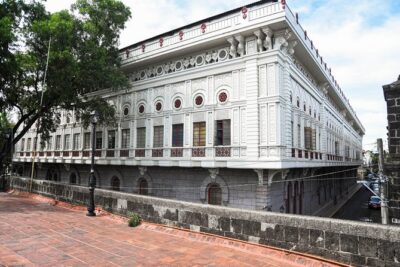 ★ 5.0Explore Intramuros: Introduction to Philippine HistoryFrom $5580 reviews
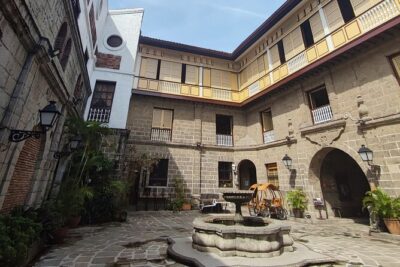 ★ 5.0Experience Manila’s Heritage: Intramuros & More in Half a Day!From $7576 reviews