
REVIEW · PHILIPPINES
Home Cooked Meal with a Filipino Grandma
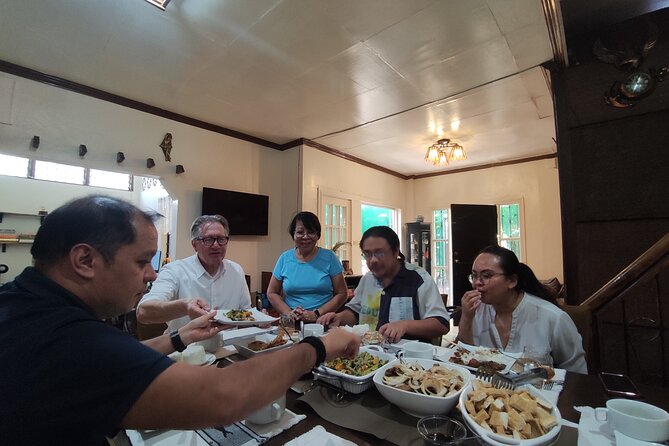
A grandma’s table beats any restaurant. This Manila lunch feels personal from the first moment, with Filipino home cooking and the kind of Manila hospitality you usually only see at family gatherings. It is not a show. It is real food, real conversation, and cooking shaped by years of doing things the same way.
I like the format a lot. The meal is served family-style in a relaxed setting, so you can try multiple dishes without the fuss of plating and sequencing. I also like the small size, capped at 10 travelers, which keeps the talk going instead of turning lunch into a loud, fast food situation.
One consideration: there are no vegan options listed. If you eat vegan, you will likely need to look elsewhere, or reach out in advance to see what can be adapted based on available ingredients.
In This Review
- Key Things You Should Know Before You Go
- What Makes a Grandma’s Home Meal in Manila So Different
- The Lunch Format: Family-Style, Multi-Course, No Pretend Fancy
- The Stories Behind the Food, Not Just the Food Itself
- Where You Start in Makati, and Why That Matters
- Price and Value: Why $60 Works for This Kind of Lunch
- The Best Fit: Who This Experience Suits
- Practical Tips So You Enjoy the Meal More
- What Could Feel Challenging About a Home-Cooked Tour
- Your Quick Decision Checklist: Book This or Pass
- Should You Book This Home-Cooked Filipino Grandma Meal?
- FAQ
- Where is the meeting point and what time does the tour start?
- How long is the home-cooked meal experience?
- What is included in the $60 per person price?
- Are coffee or tea included?
- Are there vegan options?
- What is the group size limit?
- Can you accommodate food allergies or dietary restrictions?
- What is the cancellation policy?
- Does weather affect the tour?
Key Things You Should Know Before You Go
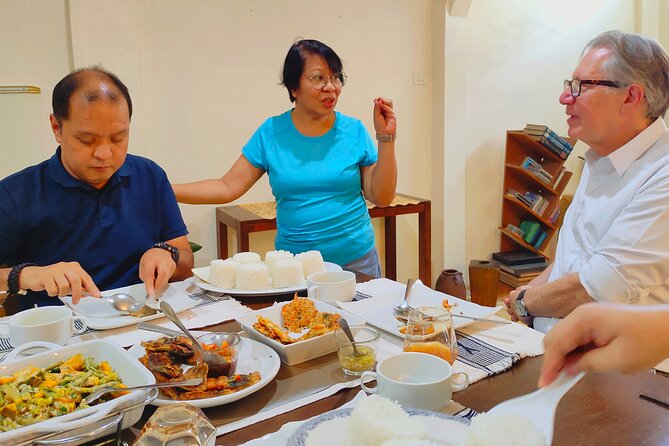
- Family-style, home-cooked lunch: You eat like you’re part of the household table.
- Multi-course meal with stories: The food comes with explanations and regional context.
- Small group limit (max 10): Easier questions, more conversation.
- Coffee and/or tea included: You get a warm drink with the meal.
- Makati start point with mobile ticket: Straightforward start in central Manila.
- No vegan options listed: Plan your menu expectations around that.
Still weighing up the options? These Luzon trips came out well when we reviewed them.
- Manila Old and New: Sightseeing Tour Including Intramuros and Fort Santiago★ 4.5 · 377 reviews
- Manila’s Walled City: Intramuros Walking Tour★ 5.0 · 82 reviews
- Manila Filipino Cooking Class: Meryenda Favorites★ 5.0 · 80 reviews
- Batad Guided Tour★ 5.0 · 78 reviews
What Makes a Grandma’s Home Meal in Manila So Different
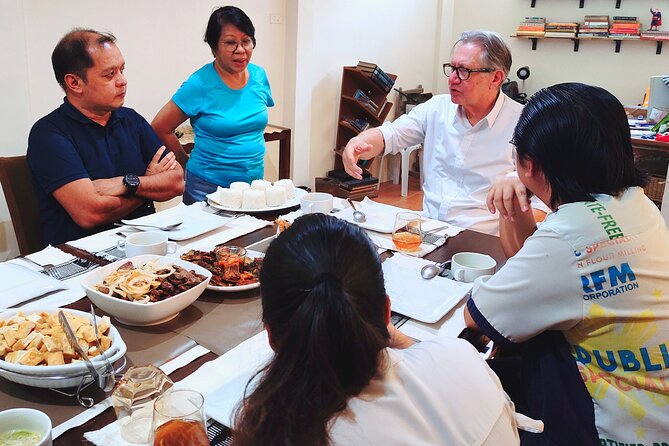
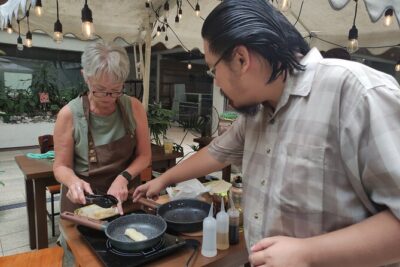
A home-cooked meal in the Philippines is about more than taste. It is about rhythm. Someone cooks, people talk, food arrives in bowls and platters, then you eat at a pace that feels normal for the family. For me, that is the entire point. You get to experience the way Filipino hospitality actually works day-to-day, not just the way a restaurant sells it.
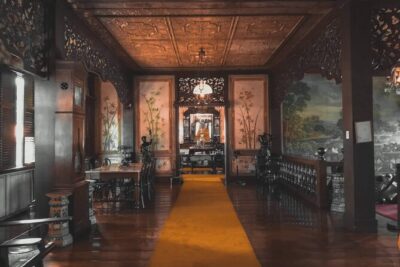
You will likely notice the atmosphere right away. Garlic and oil doing their thing. Warm voices. That steady, practical confidence of someone who has cooked this dish for decades. The experience is designed as a multi-course food tour, but it still keeps that house-level intimacy. The result is a lunch that feels both comfortable and special.
And because you’re in a real neighborhood that tourists rarely get to explore, you escape the usual Manila pattern of malls and set routes. You get to see how people live around Makati, without having to be an expert in directions or food culture first.
The Lunch Format: Family-Style, Multi-Course, No Pretend Fancy
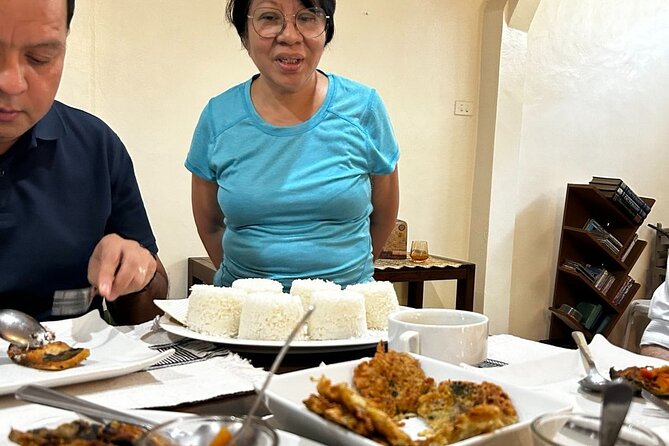
This is a generous lunch, served family-style. That matters. Family-style means you are sharing dishes, passing plates, and sampling across the table. Instead of one person hovering over a tasting flight, you get a more social, less staged experience.
It is also described as multi-course, which usually means you get more than one dish. That gives you a better feel for how Filipino cooking moves between flavors and techniques during a meal. In a restaurant, you can read the menu and choose. Here, you follow the household flow, which is its own kind of education.
The tour includes coffee and/or tea. That sounds simple, but it adds up. It turns the meal into a full break in your day, not just an hour of eating and rushing off. It also gives you something to sip while you talk with your hosts and ask questions about what you’re eating.
A key detail: most people can participate. So this is usually not a complicated activity. You are there to eat, listen, and enjoy a relaxed lunch in good company.
The Stories Behind the Food, Not Just the Food Itself
Filipino cooking is regional. Even when dishes sound similar across the archipelago, small differences can signal where the recipe comes from, how families adapted ingredients, and how people cook based on local habits. This tour is built around that idea, with stories tied to the dishes and traditions you are eating.
This is also where the experience gets deeply human. The best part is not memorizing facts. It is hearing how the host connects food to everyday life. In at least one session, the teacher you may meet is named Oyet, and the praise is clear: friendly, warm, and very good at explaining. That kind of guide makes the meal feel like a conversation, not a lecture.
You can expect explanations as you go, with time to ask questions while you eat. In my view, that turns the lunch into a shortcut for understanding Filipino food culture. If you’ve ever felt like menus explain only half the story, this format helps close that gap.
Where You Start in Makati, and Why That Matters
You start at airobeds BGC1051, General G. Del Pilar St, Makati, Makati City, Metro Manila, Philippines. Start time is 11:00 am, and the tour ends back at the meeting point.
That matters more than you might think. A clear meeting point in Makati makes planning easier, especially for first-time visitors. You can base your day around a known location rather than guessing how you’ll get from one spot to the next. Also, it is described as near public transportation, so you should have options if you are not riding in a private car.
The tour lasts about 2 hours 30 minutes. That is an ideal length for a home meal. You get enough time to eat, talk, and settle in, without feeling stuck for half a day. If you’re balancing shopping, sightseeing, or airport logistics in Manila, this slot works well.
One more useful detail: there is a maximum of 10 travelers. Smaller groups also make it easier to manage schedules and keep the meal experience calm.



Price and Value: Why $60 Works for This Kind of Lunch
The price is $60.00 per person. On average, it is booked about 10 days in advance.
Is $60 a lot? In Manila, it depends on what you compare it to. If you compare it to a casual meal at a local place, it is more expensive. But compare it to the experience you’re buying: a small-group home lunch, multi-course food, coffee or tea, and the cultural context that comes from cooking inside a family setting. You’re also paying for access, meaning someone is opening their home table to you.
For me, the value is strongest when you want more than eating. If you want Filipino food culture explained through a real household meal, this is the kind of tour where the price makes sense. And the fact that group discounts are available can help if you are traveling with friends or family.
A small practical note: gratuity is not included. That means if you want to tip, you’ll need to plan for it. The data suggests gratuity is separate, so don’t assume it is handled automatically.
The Best Fit: Who This Experience Suits
This is a good match for:
- Solo travelers who want a friendly, structured way to eat local food without guessing what to order
- Couples looking for a shared food experience with conversation built in
- Small groups who like intimate settings more than big crowds
- Families who want a calm, home-style meal rather than a fast, loud restaurant
It also helps if you enjoy stories with your food. If you like learning why dishes are cooked a certain way, this meal format keeps the focus on understanding, not just consumption.
If you are vegan, though, you should take the no vegan options note seriously. You may be disappointed if you go in hoping every dish can be adapted.
Practical Tips So You Enjoy the Meal More
Bring a curious attitude. The whole design is about asking questions and listening while you eat. If you are shy, that’s okay. You can start with small, simple questions like what ingredient is key to the dish or how families typically serve it.
Go hungry, but not frantic-hungry. You have a 2 hours 30 minutes window, and a multi-course lunch tends to build. Pace yourself so you can actually enjoy each part instead of powering through.
If you have allergies or dietary restrictions, reach out in advance. The tour data specifically asks you to contact them for food allergies or restrictions. That is the safest route, because they need time to understand what can or cannot be prepared.
Because coffee and/or tea are included, consider skipping extra caffeinated drinks before you arrive. It will help you enjoy the tea or coffee with the meal rather than feeling overstimulated or distracted.
Finally, plan your day around the 11:00 am start. This is not a late afternoon snack. It’s a real lunch event, so treat it like a main meal.
What Could Feel Challenging About a Home-Cooked Tour
Home meals are wonderful, but they are also real homes. That means the experience may feel more informal than a restaurant outing, and it may follow household timing rather than strict minute-by-minute service.
The other challenge is dietary fit. No vegan options are listed, and you should not assume substitutions are available for your specific needs. If you are vegetarian, gluten-free, or managing allergies, you still should ask, but you need to do it early enough for the hosts to respond.
Weather also matters. The experience requires good weather. If it’s canceled due to poor weather, you will be offered a different date or a full refund. So, if you are booking during a rainy season stretch, keep some flexibility in your Manila schedule.
Your Quick Decision Checklist: Book This or Pass
Book this home-cooked lunch tour if:
- You want an authentic Filipino food experience centered on family-style eating
- You like learning through stories, not just reading menus
- You prefer a small group (max 10) over a big tour crowd
- You will eat dishes that are not vegan-focused
Consider passing if:
- You are vegan and need fully vegan options
- You want a strictly timed, restaurant-style meal with minimal conversation
One more decision factor: it is popular enough that average booking happens about 10 days in advance. If you know your dates, it’s smart to reserve early.
Should You Book This Home-Cooked Filipino Grandma Meal?
Yes, if you’re the type of traveler who values the human side of food. This is a Manila experience built around invitation and conversation, not a factory-line tasting. The $60 price is easier to justify once you think of it as access to a family table, multi-course lunch, and coffee or tea in a small group setting.
I’d especially recommend it if you are visiting Manila for the first time and want a break from polished tourist meals. You will come away with more than full plates. You’ll leave with a better sense of how Filipino cooks and families connect food to daily life.
FAQ
Where is the meeting point and what time does the tour start?
The tour starts at airobeds BGC1051, General G. Del Pilar St, Makati, Makati City, Metro Manila, Philippines. Start time is 11:00 am.
How long is the home-cooked meal experience?
The duration is about 2 hours 30 minutes.
What is included in the $60 per person price?
Lunch is included, along with coffee and/or tea.
Are coffee or tea included?
Yes. Coffee and/or tea are included.
Are there vegan options?
No vegan options are listed.
What is the group size limit?
The tour has a maximum of 10 travelers.
Can you accommodate food allergies or dietary restrictions?
You should reach out for food allergies or restrictions. Confirmation is received at booking, and they ask you to contact them for dietary needs.
What is the cancellation policy?
You can cancel for free up to 24 hours in advance of the experience for a full refund. If you cancel less than 24 hours before the start time, the amount you paid will not be refunded.
Does weather affect the tour?
Yes. This experience requires good weather. If it is canceled due to poor weather, you will be offered a different date or a full refund.
More Tour Reviews in Luzon
- Manila Old and New: Sightseeing Tour Including Intramuros and Fort Santiago★ 4.5 · 377 reviews
- Manila’s Walled City: Intramuros Walking Tour★ 5.0 · 82 reviews
- Manila Filipino Cooking Class: Meryenda Favorites★ 5.0 · 80 reviews
- Batad Guided Tour★ 5.0 · 78 reviews
More of Luzon, reviewed
- Private Airport Transfer Manila to Hotel in Manila or vice versa
★ 5.0 · 3 reviews - Angeles City / Clark Airport to La Union (Bauang, San Fernando, San Juan)
★ 3.5 · 4 reviews - The Jeepney & Tuk Tuk Adventure ride with Local Guide
★ 4.5 · 4 reviews - The Oldest Chinatown in Manila with Local Guide
★ 5.0 · 4 reviews - Manila Social and Political Walk
★ 5.0 · 4 reviews