
REVIEW · MANILA
Manila Chinatown Food Tour Experience
Two hours, one big appetite. This Manila Chinatown, also called Binondo, walking food tour turns street eats into a guided circuit through some of the oldest looking parts of the district. I like how the experience mixes real food with real movement, including local transportation.
You’ll start at Tutuban Center Mall entrance and end feeling like you have a handle on what Chinese-Filipino flavors taste like in everyday settings. I also like that the guide, Venus (V.S Tour Services), brings in culture notes and keeps the energy high, which makes the stops easier to enjoy instead of just “walking and eating.”
One thing to keep in mind: the food menu can feel focused on certain dishes, and some iconic Chinatown favorites may not appear. A past participant also flagged that the historical storytelling could be more detailed, and that the wrap-up timing felt a bit confusing.
In This Review
- Key Points I Think You Should Know First
- Manila Chinatown, Binondo in 2 Hours: What This Tour Gets Right
- Starting at Tutuban Center Mall and Staying Sane in Manila Traffic
- What You’ll Eat: Chinese Favorites Plus Filipino Street-Food Sensibility
- The Walk Through Older Binondo: Landmarks and What the Guide Teaches
- Tuk-Tuk and Jeepney Rides: The Part That Makes It Feel Local
- Hidden Finds in Binondo: Small Stops That Change How You Order
- Price and Value: Does $65 Make Sense for This 2-Hour Food Tour?
- Who Should Book This Manila Chinatown Food Tour
- Should You Book It? My Decision Guide
- FAQ
- Where is the meeting point for the tour?
- How long is the Manila Chinatown food tour?
- How much does the tour cost?
- What language is the live tour guide?
- Is the tour held rain or shine?
- What is the minimum age, and how does cancellation work?
Key Points I Think You Should Know First
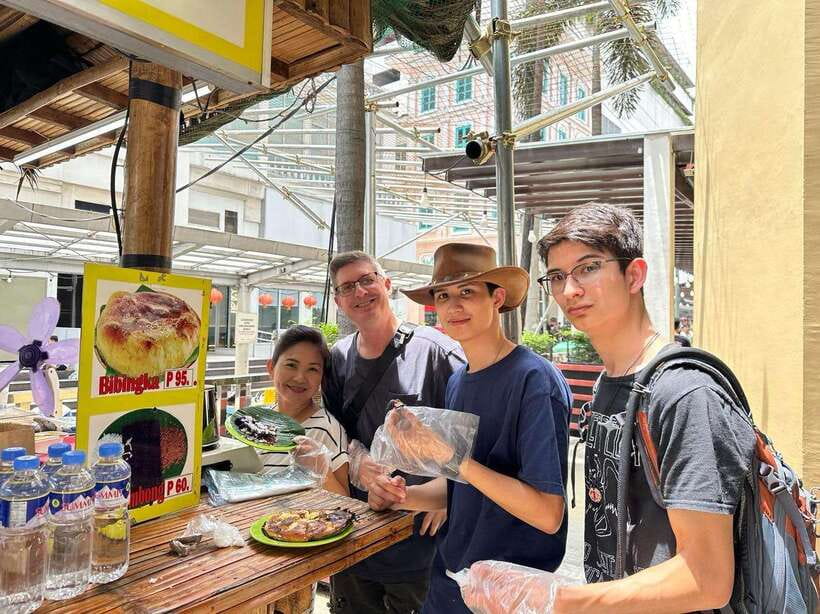
- Food tastings, not a lecture: You’ll eat along the way, with Chinese-Filipino street dishes as the main event.
- Example dishes that did show up: Shanghai fried siopao and Lord Stow’s egg tart were specifically mentioned as good.
- Local rides included: The tour uses local transportation, with tuk-tuk and jeepney rides highlighted in feedback.
- Older buildings and Chinatown landmarks: You’ll see historical areas, including the oldest buildings, but the depth of history may vary.
- Check your must-eat list: Some “must-try” shops or dishes people expect in Binondo might not be included.
Still hungry? More Manila eating
- Manila Tour: Tondo Manila and Divisoria Market★ 4.6 · 6 reviews
- Manila Food Tour: Introduction to Philippine Street Food★ 5.0 · 3 reviews
Manila Chinatown, Binondo in 2 Hours: What This Tour Gets Right
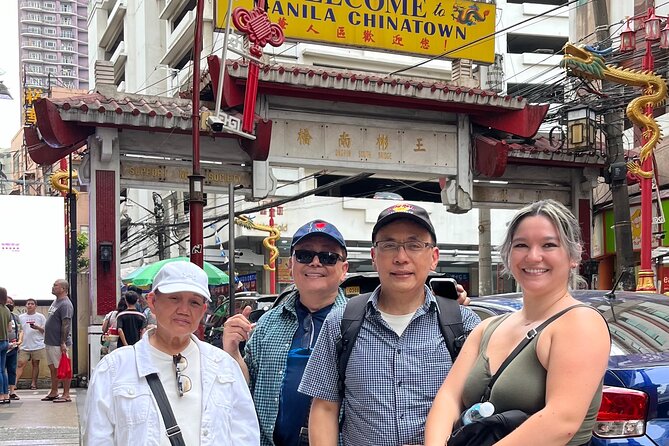
Manila’s Chinatown, Binondo, is one of the oldest Chinatown areas in the world. The key to a good food tour here is not just eating famous dishes, it’s understanding how the neighborhood cooks, trades, and celebrates day to day. This 2-hour walk aims for exactly that, with a guided stroll plus short segments using local transport.
You’ll want this tour if you like your sightseeing practical. You’re not waiting for a museum moment, you’re tasting while you walk, then using the ride segments to cover ground without burning time. For me, the best value is that you get food, movement, and context in one package.
The price is $65 per person for a 2-hour experience that includes a local guide, bottle water, food tastings, and local transportation. That’s not “cheap street food” pricing, but you are paying for two things visitors often miss on their own: a planned route and a guide who helps you order, taste, and connect dishes to place.
Starting at Tutuban Center Mall and Staying Sane in Manila Traffic
Your meeting point is clearly stated: the Mall Entrance Tutuban Center Mall. That matters because Manila travel can be fast on foot and slow by road, so you’ll want to arrive early enough that traffic does not make you sweat.
A few practical tips based on how the experience runs:
- Come hungry. The tour itself asks you to do exactly that, because you’ll be eating multiple snacks and small dishes in sequence.
- Wear shoes you can handle on mixed sidewalks and street crossings. This is a walking tour through real city blocks.
- Expect it to run rain or shine. Even a light shower can change sidewalk conditions, so plan for weather quickly.
One past participant suggested leaving extra early if you’re farther from the meetup point, since traffic can stretch pickup and arrival time. That advice is simple and useful: give yourself buffer time, then show up ready to go.
Also, double-check timing at the end. One review mentioned ending up on another part of a tour that did not involve food, even though the 2-hour window had run out. You can avoid that kind of stress by asking the guide a quick question near the end: where will we finish and will we stay on the food route until the timer is done?
What You’ll Eat: Chinese Favorites Plus Filipino Street-Food Sensibility
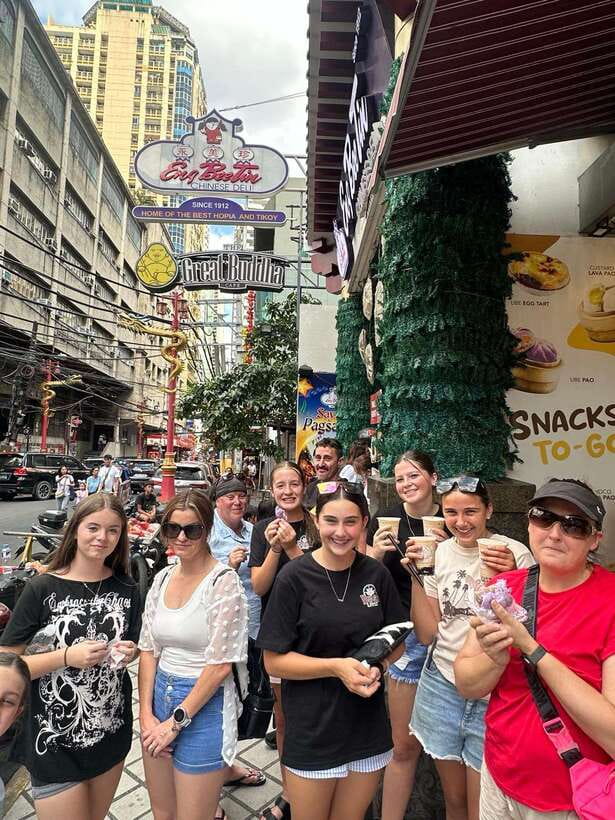
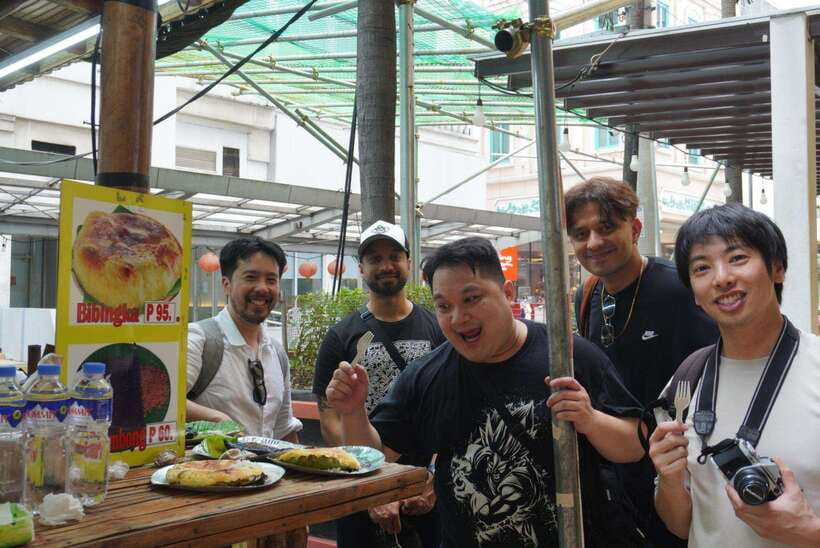
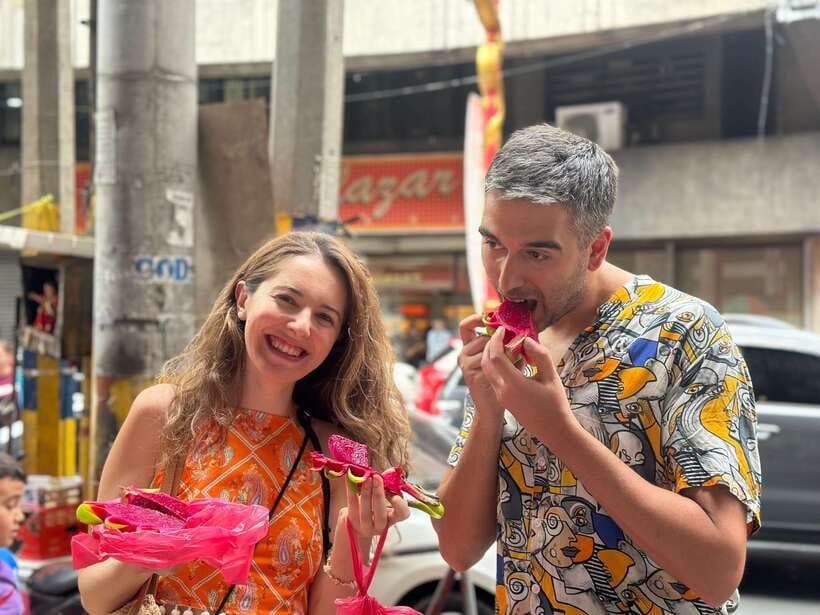
This tour is built around food tastings in downtown Tondo and Binondo, with Chinese and Filipino influence blended into everyday street offerings. It’s not pitched as a single cuisine crawl, and that’s part of the appeal. You’ll get a mix of sweet, savory, and spicy dishes as you move from stop to stop.
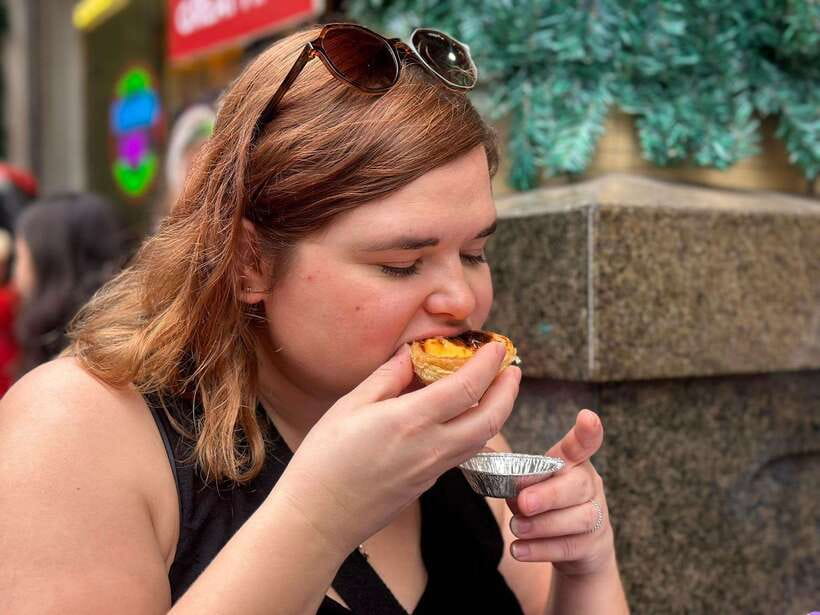
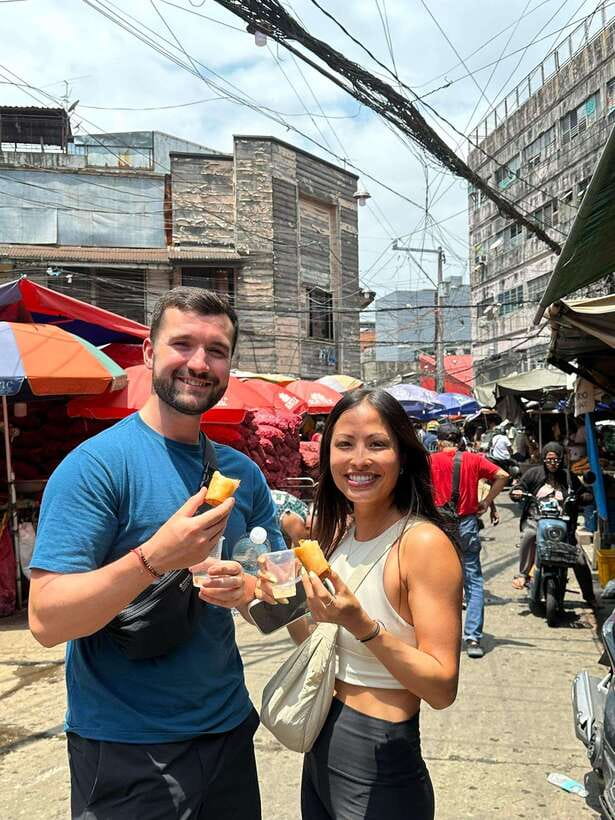
From feedback, two items that clearly appeared and were enjoyed were Shanghai fried siopao and Lord Stow’s egg tart. Those are great “anchor” foods because they represent street comfort in two different ways. Siopao gives you a warm, filling bite, while an egg tart gives you a crisp, custardy dessert that pairs well with tea or sweet drinks.
Here’s the real takeaway for you: if your goal is to leave with a sense of the flavor range in Binondo, this kind of menu pacing helps. You start with something substantial, then you balance it with dessert or lighter snacks, and you keep the spice and savory side moving so you are not stuck in one taste lane.
Still, there’s a caution worth taking seriously. One participant said several iconic Chinatown dishes and specific shop choices were not included, including fresh lumpia from New Po Heng Lumpia House, Kutchay dumplings from Dong Bei Dumplings, and hand-pulled noodles from Lan Zhou La Mien. If those names are on your personal must-eat list, you should check directly what the tour includes on your date. A $65 tour can be worth it, but only if it lines up with your food goals.
The Walk Through Older Binondo: Landmarks and What the Guide Teaches
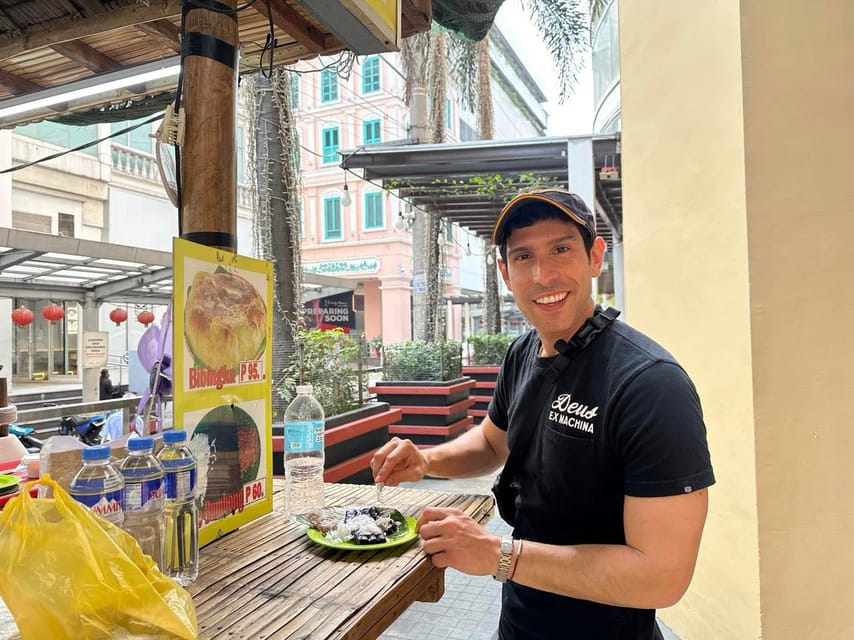
The experience includes exploring historical landmarks, including the oldest buildings in the Chinatown area. That’s a big deal because Binondo does not feel like a theme park. The architecture and street layout are part of why the food tastes the way it does, tied to the rhythm of shopfront life and neighbor-to-neighbor exchange.
What you can expect, realistically, is a route that combines:
- short stretches of walking for street-level views
- stops near older buildings and recognizable Chinatown areas
- snack breaks that let you reset without losing momentum
The goal is not to trap you in a history lecture. The information is delivered by the live guide, in English, as you go. One past participant felt the historical insights were not deep enough, which is fair if you come expecting a serious Chinatown seminar.
My advice: treat this as a food-first cultural walk. If you want history heavy, ask the guide follow-up questions about what you’re seeing. Bring a few questions with you, since the tour setup encourages that. If the guide is Venus, you’ll likely get thoughtful answers that connect neighborhoods to dishes.




Tuk-Tuk and Jeepney Rides: The Part That Makes It Feel Local
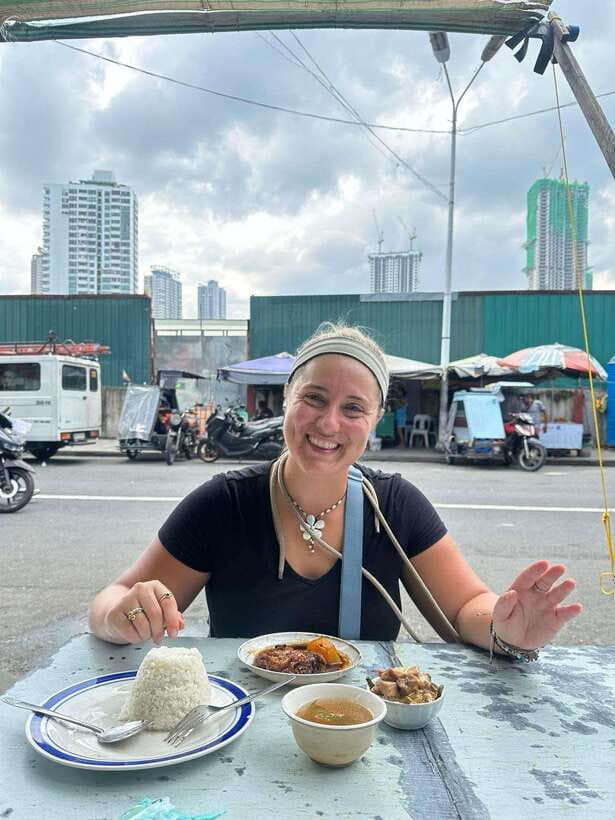
A walking food tour can be too slow, or too long, depending on your pace. This one adds local transportation, and feedback specifically mentioned tuk-tuk and jeepney rides as enjoyable parts of the experience. That’s more than a fun photo moment. It changes how you experience the neighborhood, because you see different street angles and you reach spots faster.
Think of the transport segments as “story beats.” You walk a bit, snack a bit, then the ride moves you to the next pocket. That pattern helps you stay engaged without turning the whole tour into a long food marathon.
It also helps you connect taste to location. When you move in short hops rather than doing every step on foot, you can keep noticing the signs, shopfronts, and street activity that shape what gets cooked and sold.
One more plus: meeting people from around the world was mentioned as a positive part of the tour experience. That does not mean you need to be social to enjoy it. It just means the group vibe is often friendly, with different tastes and dietary questions that keep the guide on their toes.
Hidden Finds in Binondo: Small Stops That Change How You Order
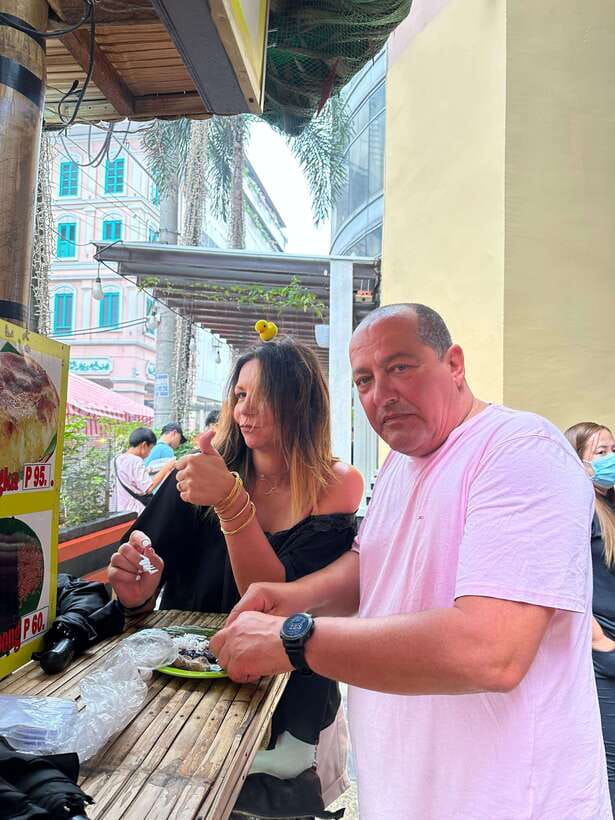
The tour description highlights hidden treasures and street-food culture. Even without a long written itinerary in front of you, you can expect the guide to bring you to places you might not find if you’re simply wandering.
This is where a good local guide earns their fee. You’re not just hunting for food, you’re learning how to read the scene:
- which stalls are active and serving fast
- how snacks are presented for quick eating
- when to shift from savory bites to sweet ones
If you’re the kind of person who usually orders the first thing you can pronounce, this tour is a push in a better direction. You’ll get help with choices, and you’ll learn what to look for in texture and flavor. That makes your next snack search in Binondo much easier, even after the tour ends.
One practical tip: keep your questions ready. The tour specifically encourages bringing a lot of questions. That might feel awkward at first, but it’s the fastest way to turn a “try some food” trip into a “now I know what I’m tasting” trip.
Price and Value: Does $65 Make Sense for This 2-Hour Food Tour?
Let’s talk money like a grown-up. At $65 per person for 2 hours, you’re paying for:
- a live guide (English)
- multiple food tastings
- bottle water
- local transportation
- a route designed to hit key Chinatown zones efficiently
If you only got one small snack, that price would be hard to justify. But the structure here is clearly about tasting along the way and moving through multiple segments, not just one restaurant stop. The inclusion of local transportation also matters, because it saves time and adds to the experience without costing you effort.
That said, value depends on your expectations. If your dream list includes specific dishes and shops that were not part of someone’s tour experience, then $65 may feel too high if the menu does not match your cravings.
So here’s the best way to decide: send a quick message and ask what stops and dishes are planned for your date, especially if you have strong preferences like dumplings, noodles, lumpia, or siopao. If the tour lineup matches your “must eat” items, it’s a good deal for a guided, time-friendly food walk. If it does not, you might do better combining one targeted restaurant visit with a self-guided stroll.
Who Should Book This Manila Chinatown Food Tour
This tour fits best if you want a short, structured experience and you like the idea of eating as you learn. You’ll probably enjoy it if:
- you’re new to Binondo and want help finding what to eat
- you enjoy Chinese-Filipino street-food flavor variety
- you like guided history moments but you prefer learning through food
- you want a mix of walking and local transport, not just one long trek
It may be less ideal if you’re the type who wants a deep, academic Chinatown history lecture. One participant felt the historical explanation could be more detailed, so if that’s your priority, you may want to pair this tour with a separate history-focused activity.
Should You Book It? My Decision Guide
Yes, you should book this tour if your main goal is to eat your way through Binondo in a tight 2-hour window, with Venus guiding you and helping you choose dishes. The best-supported strengths are the guide’s helpful energy, the mix of food tastings, and the inclusion of local rides like tuk-tuk and jeepney.
I would hesitate if your must-eat list includes very specific dishes and shops like the fresh lumpia at New Po Heng Lumpia House, Kutchay dumplings at Dong Bei Dumplings, or hand-pulled noodles at Lan Zhou La Mien. In that case, confirm the lineup first so you do not pay for a route that skips your top cravings.
If you do book, go in with the right mindset: come hungry, ask questions, and treat the history as a helpful layer under the food, not the main course. With that approach, this $65 experience has a lot going for it.
FAQ
Where is the meeting point for the tour?
You meet at the Mall Entrance Tutuban Center Mall.
How long is the Manila Chinatown food tour?
The tour runs for 2 hours.
How much does the tour cost?
It costs $65 per person.
What language is the live tour guide?
The tour guide provides the experience in English.
Is the tour held rain or shine?
Yes, it runs rain or shine.
What is the minimum age, and how does cancellation work?
Kids are allowed from age 3 and up. There is free cancellation up to 24 hours in advance for a full refund.
More Tours in Philippines
- Manila Tuktuk and Jeepney Ride Guided Tour★ 4.9 · 16 reviews
- Bohol Balicasag Is Private Tour and Dolphin Watching★ 4.8 · 9 reviews
- Pamilacan island: Dolphins, snorkel, lunch and walking tour★ 4.3 · 8 reviews
- Panglao Island: IG-Jeep Tour★ 5.0 · 7 reviews
More Tour Reviews in Philippines
- Panglao: Napaling Reef and Sardines Freediving Experience★ 4.9 · 16 reviews
- Manila Tuktuk and Jeepney Ride Guided Tour★ 4.9 · 16 reviews
- Siargao:Lagoon,Cave Rock Pool, w/Lunch & Transfer★ 4.5 · 11 reviews
- Scuba Diving in Boracay: SSI Basic Diver for Beginners★ 5.0 · 10 reviews
Manila by the Plate
- Manila Tour: Tondo Manila and Divisoria Market★ 4.6 · 6 reviews
- Manila Food Tour: Introduction to Philippine Street Food★ 5.0 · 3 reviews
More of Philippines, reviewed
- Manila Food Tour: Introduction to Philippine Street Food
★ 5.0 · 3 reviews - Cebu: Parasailing Ride Experience
★ 5.0 · 3 reviews - Siargao Tour B (shared tour)
★ 4.1 · 4 reviews - Panglao: Solo or Tandem Parasailing Experience near Alona
★ 5.0 · 4 reviews - Panglao Bohol: Try Scuba Diving at Napaling and Sardines
★ 5.0 · 4 reviews
Manila Food and Chinatown Tours, start to finish.
 ★ 4.8Manila: Intramuros, Chinatown, and Old Manila Half-Day TourFrom $68475 reviews
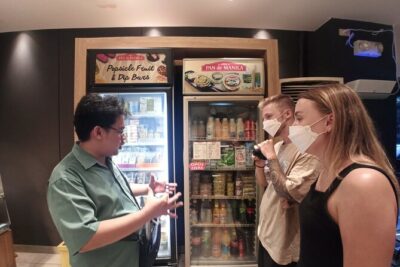 ★ 5.0Manila Food Tour: Introduction to Philippine Street FoodFrom $60417 reviews
 ★ 4.5Private Cebu & Lapu-Lapu City Tour with Uphill Spots & Lunch at House of LechonFrom $75168 reviews
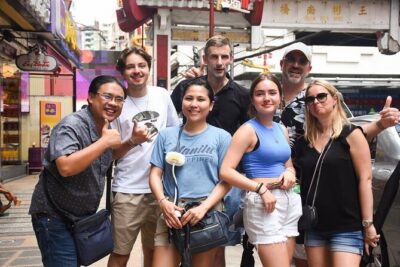 ★ 5.0Manila Food Tour: Explore World’s Oldest ChinatownFrom $60158 reviews
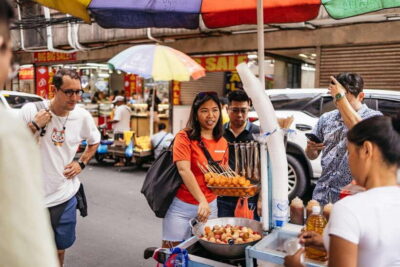 ★ 4.8Manila: Street Food and Drinks Walking Tour with TastingsFrom $68114 reviews
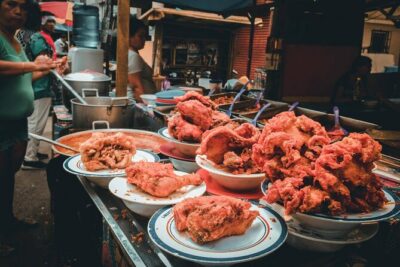 ★ 4.5The Original Cebu City Historical and Food Walking TourFrom $6981 reviews
 ★ 5.0Manila Filipino Cooking Class: Meryenda FavoritesFrom $6080 reviews
 ★ 4.7Manila: Sightseeing and Food Walking Tour with TastingsFrom $5868 reviews
Where this one shows up