
REVIEW · MANILA
Manila: Street Food and Drinks Walking Tour with Tastings
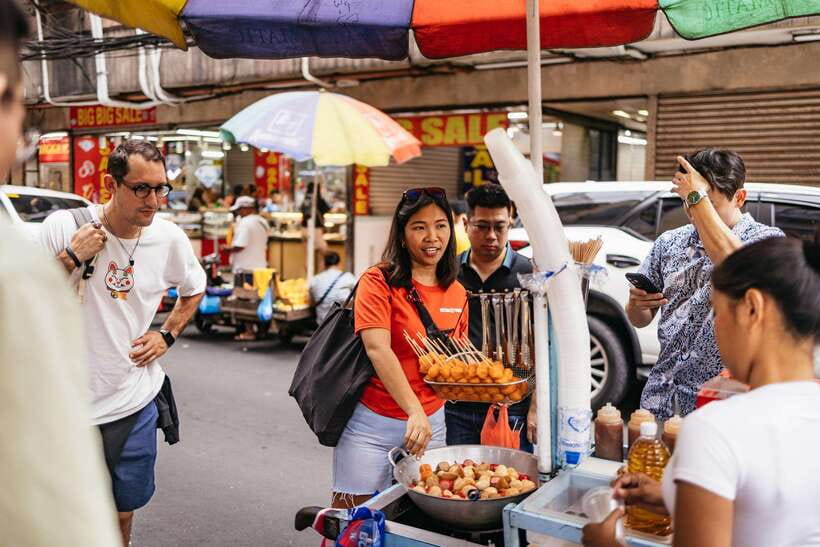
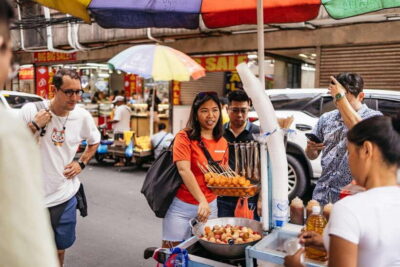
Manila street food has a way of turning walking into a feast. This tour is built around food tastings in real side streets, plus a small-group guide who helps you find stalls that feel right for visitors. My favorite part is how practical it is, you eat a lot, you learn what you are tasting, and you still get time to enjoy the neighborhood instead of just rushing between bites.
The one thing to plan around is that it is a rain-or-shine, walking-first experience and it is not set up for vegetarians or vegans. If you do not eat meat or you need a fully plant-based menu, you will likely feel left out, since multiple dishes will not work for you.
In This Review
- Key things to know before you go
- Starting at Grand Cafe 1919, then jumping into Binondo
- Why the guide matters in Manila street food
- The tasting lineup: how 6 to 10 bites add up
- Banana cue and kamote fries: sweet-and-sticky first hits
- Turon and kwek-kwek: dessert-to-snack crossover
- Siomai, palabok, and pansit: the savory center of the meal
- Sotanghon soup and grilled squid: warm and smoky contrasts
- Mango with shrimp paste: the one that sparks conversations
- When balut shows up: a real Manila rite of passage
- Drinks and halo-halo: beat the heat, then finish sweet
- Jeepney or tricycle rides: local transport, not a photo prop
- Price and value: what $68 buys you in 2 hours
- Pacing, crowds, and what to bring so you enjoy every stop
- Who should book this tour, and who should skip it
- Should you book this Manila street food tour?
- FAQ
- How long is the Manila street food and drinks walking tour?
- How many tastings are included?
- Where is the meeting point?
- What foods and drinks are included?
- Is the tour available for vegetarians or vegans?
- Is the tour wheelchair accessible?
- Do I need to bring anything?
- Is there a cancellation policy?
Key things to know before you go
- Meeting at Grand Cafe 1919 (Binondo): Easy start point, with a comfy place to gather before you move through Chinatown streets.
- 6 to 10 tastings in 2 hours: You will leave full, so skip a big breakfast.
- Small group size: Limited group for a more personal experience while you navigate crowded areas.
- Jeepney or Lamborghini tricycle ride: One fun local transport moment to break up the walking.
- English guide, often Tagalog too: You can ask questions and get clear answers while you eat.
Still hungry? More Manila eating
- Manila: Intramuros, Chinatown, and Old Manila Half-Day Tour★ 4.8 · 475 reviews
- Manila Food Tour: Introduction to Philippine Street Food★ 5.0 · 417 reviews
- Manila Food Tour: Explore World’s Oldest Chinatown★ 5.0 · 158 reviews
- Manila: Street Food and Drinks Walking Tour with Tastings★ 4.8 · 114 reviews
Starting at Grand Cafe 1919, then jumping into Binondo
The tour begins at Grand Cafe 1919 in Binondo, near Juan Luna street, which is a smart choice. You meet at a proper café, not on a random corner, so you can regroup, use the facilities, and get a drink before the food sprint starts.
Once everyone is together, you head out on foot. This is the kind of walk that actually helps you understand the city, you are not stuck in one curated lane. You move through old Manila feeling areas, including Chinatown zones where crowds can be thick and the sidewalks are part of daily life.
You should wear comfortable shoes you trust. You will be standing at stalls, crossing busy pedestrian areas, and doing plenty of slow-and-go walking as the group lines up for the next stop.
Why the guide matters in Manila street food
What makes this tour feel worth it is how much you rely on the guide, and how little you worry about it. Guides like Mari are known for bringing high energy, lots of local context, and a strong sense of where to go next. Other guides mentioned in the experience, including Jessie and Tess, also come across as friendly and organized, with the same focus on getting you to places you would not easily find alone.
The practical benefit: you are not just eating random samples. You get help with what to order, how to eat it, and what to expect flavor-wise. You also get guided pacing, so the group stays together when streets get crowded.
Safety is part of the package too. One recurring theme from past guests is that the guide helped them feel comfortable using hand sanitizer during the tour. That is not about fear, it is about being smart when you are eating street food and walking at the same time.
The tasting lineup: how 6 to 10 bites add up
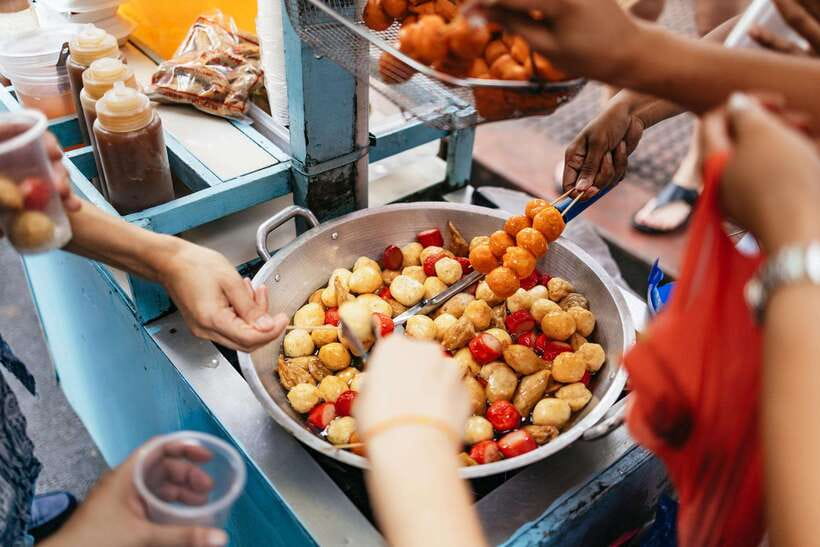
This is a true tasting tour, not a one-snack-and-done deal. You will typically have 6 to 10 food items, plus drinks and a dessert stop. The exact mix can depend on what is available, but the core lineup usually includes sweet, salty, and crispy Filipino favorites.
Here is what you can expect, and what each type of dish is doing for your palate.
Banana cue and kamote fries: sweet-and-sticky first hits
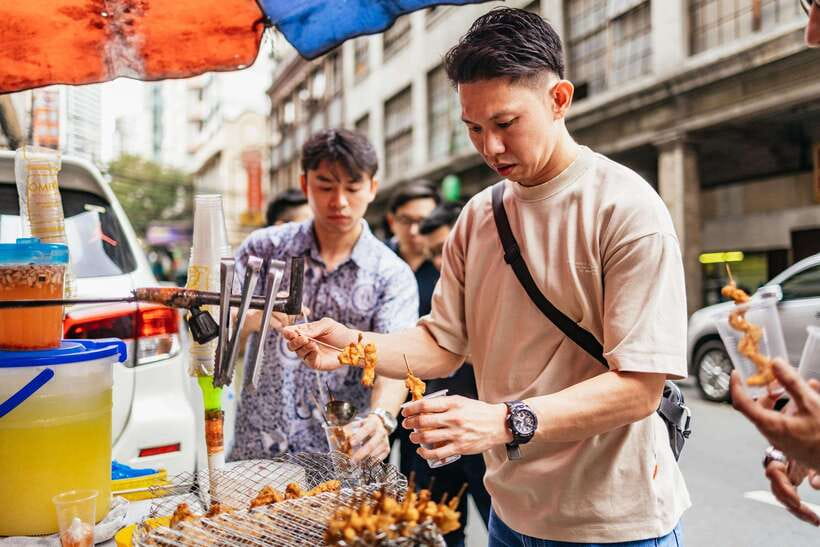
Banana cue is a crowd-pleaser for a reason. It is banana cooked and caramelized with brown sugar, usually served skewered, and it is the kind of snack that makes you understand why Filipino desserts and street treats lean sweet and comforting.
Kamote fries add a different texture. Think sweet potato that is fried into something crunchy outside and soft inside. Together, these two often set the tone, you start with familiar sweetness, then you move toward savory.
Other Manila outings that kept coming up while we researched this one
Turon and kwek-kwek: dessert-to-snack crossover
Turon is another sweet snack, often made with banana and sometimes jackfruit rolled into a wrapper and fried until crisp. It is a good bridge dish, sweet but with that fried crunch that keeps it from feeling like full-on dessert.
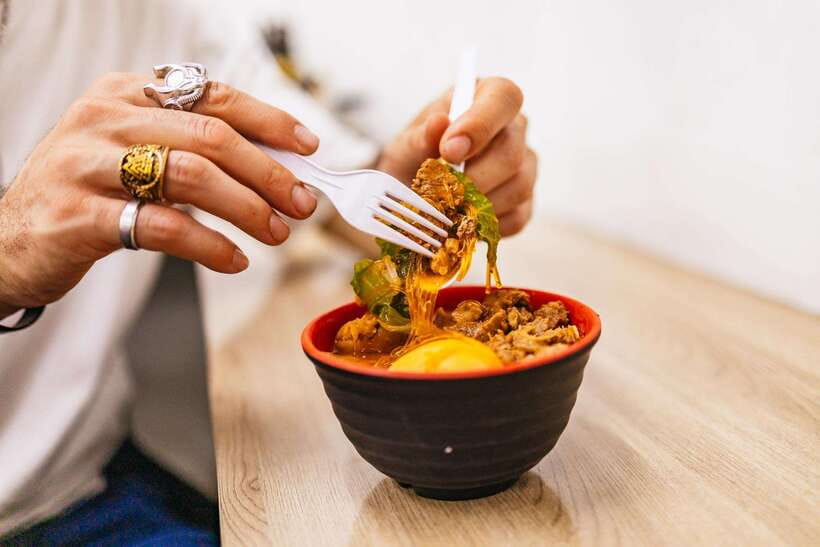
Kwek-kwek brings the briny, eggy street food feeling. These are battered quail eggs, deep-fried and usually paired with a tangy or savory dipping sauce. It is an early test of your comfort zone, and it also teaches you why Filipinos love small handheld snacks.
Siomai, palabok, and pansit: the savory center of the meal
Once you hit the savory round, the tour gets more satisfying. Siomai is a steamed dumpling style snack, typically filled and seasoned, and it is often a reliable, non-intimidating choice if you want real flavor without too much risk.
Then you may get palabok, a Filipino noodle dish with sauce, toppings, and a mix of textures that makes it feel like more than street-food filler. Pansit, generally, is another noodle direction, and it is how you taste the bigger Filipino comfort-food tradition behind street stalls.
You do not just taste food. You also taste the idea of family meals, made practical for street life.
Sotanghon soup and grilled squid: warm and smoky contrasts
Sotanghon soup is a light but flavorful break. Sotanghon refers to thin noodles in a soup, and it gives you a chance to reset between heavier fried items.
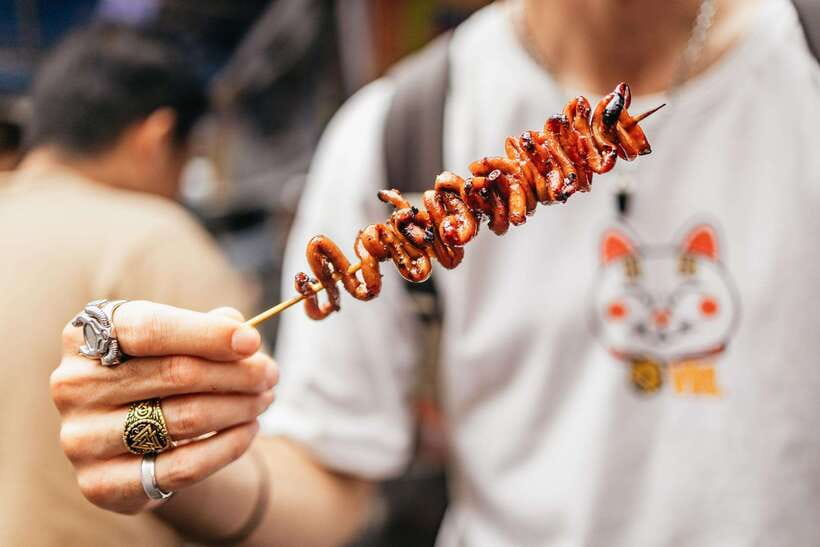
Grilled squid is where the tour often turns a little more dramatic. You get smoke, salt, and a chewy bite that feels distinctly street-market. It is also a dish that can help you see how common seafood is in Manila street eating.
Mango with shrimp paste: the one that sparks conversations
Mango with shrimp paste is exactly what it sounds like, sweet mango paired with a salty fermented shrimp sauce. It can be a polarizing bite, but even if you are not sure at first, the flavors make sense once you try it.
This is where having a guide helps. You can ask what to mix, how much to dip, and what flavor note you should be chasing. If you do not enjoy it, at least you learn what you disliked and why, which is more useful than just forcing it.
When balut shows up: a real Manila rite of passage
Balut, duck embryo egg, comes up in the experience sometimes, depending on availability. It is not listed as a guaranteed item, but it is one of the dishes guides may offer adventurous guests.
If balut is part of your stops, go in knowing it is salty and vinegar-friendly, and it is a bite that tests more than taste, it tests nerves. If you want it, take it as a cultural curiosity, not as a dare.
Drinks and halo-halo: beat the heat, then finish sweet
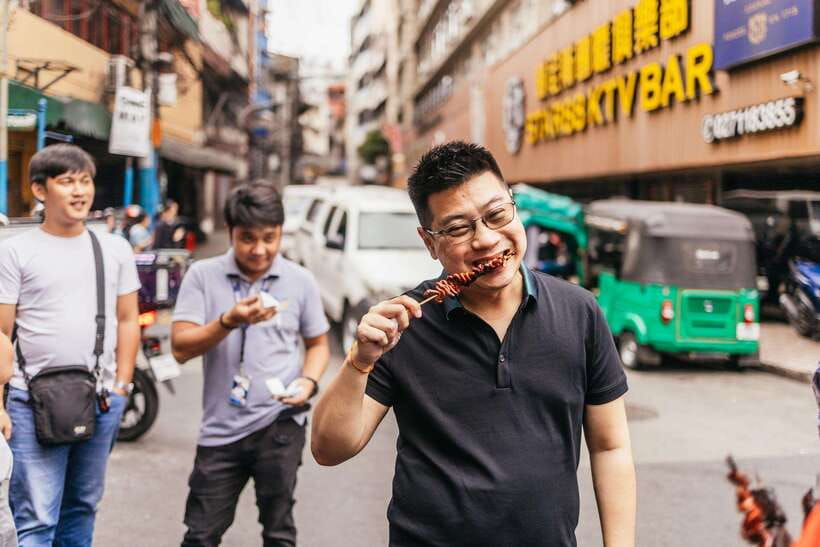
Street food is fun, but Manila heat is real. The tour includes water and also mentions refreshing juice as part of the drink plan. This matters because your stomach will be busy, and you want hydration without turning the tour into a constant thirst spiral.
Halo-halo is the signature ender. It is a Filipino dessert that often blends shaved ice with sweet ingredients, fruit, beans, and toppings. It is a perfect close to a tour like this because it cools you off and makes everything you tasted feel intentional, like dessert is not an afterthought.
If you are someone who wants a break between savory bites and dessert, this stop gives you that moment. You sit for a bit, cool down, and let your stomach settle.
Jeepney or tricycle rides: local transport, not a photo prop
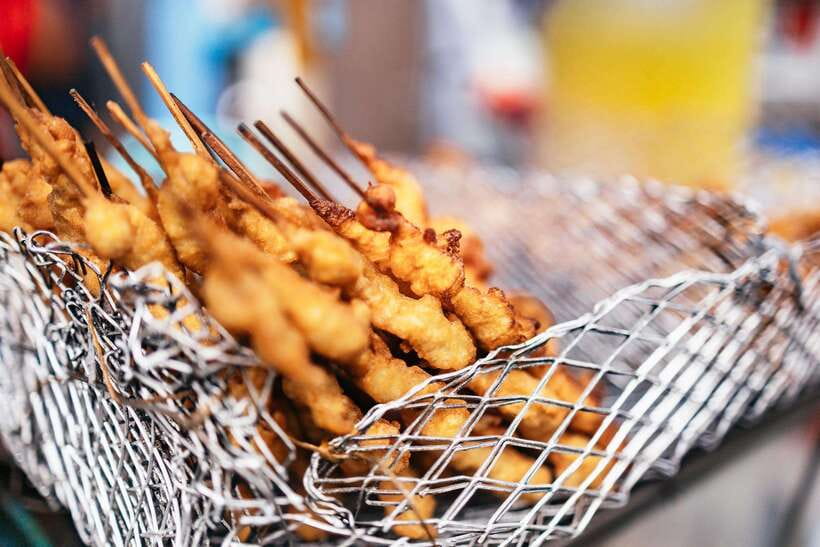
You are not just walking. You also experience local transportation, either a jeepney ride or a Lamborghini tricycle style ride, depending on the tour flow. Either way, it is a short ride that changes the pace and helps you see how people move around Manila beyond taxis and ride-hailing apps.
A jeepney ride can feel chaotic at first, but it is part of the city’s identity. A tricycle ride is more compact and tends to feel like a fast, fun shortcut through the neighborhood.
Either transport choice also supports the group logistics. It reduces how long you are on foot and helps keep timing smooth so you still have enough time for all tastings and the dessert stop.
Price and value: what $68 buys you in 2 hours
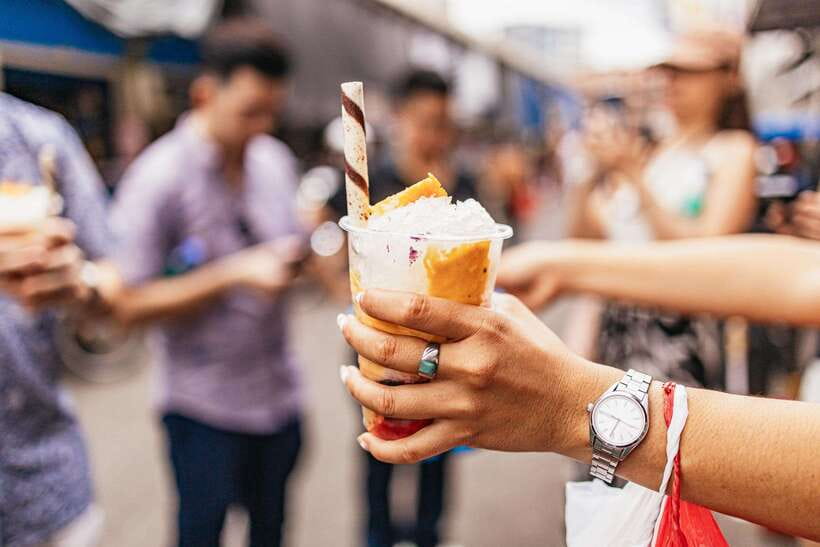
At $68 per person for about two hours, the value comes from how many separate food stops and drinks you get. This is not a simple single-venue meal. You are paying for guide-led routing plus multiple tastings, so you can eat like you mean it without playing guessing games on your own.
You typically get 6 to 10 food selections, a dessert at the end, plus water or refreshing juice. When you add in the transport ride and the time spent walking different neighborhoods, the tour becomes a solid deal if you like street food and want it to feel safe and guided.
It can be expensive if you only want one or two bites, but if you want a real taste of Manila street culture in one concentrated outing, this price starts making sense fast.
Pacing, crowds, and what to bring so you enjoy every stop
This tour runs rain or shine, and it is a walking tour. That sounds simple, but it changes how you pack and what you expect. Wear shoes you can walk in on uneven pavement and shoes that handle quick stops, since you will be gathering and moving frequently.
Bring a lot of questions. That sounds like a vague tip, but it works here because the guide is part of the entertainment. Food is the engine, but the stories, explanations, and dish guidance are what make the bites connect into something bigger than eating on autopilot.
Also, come hungry. Multiple guests mention eating a lot, and it adds up quickly. If you eat breakfast heavy, you might still enjoy it, but you will struggle to taste fully at the later stops like palabok and halo-halo.
Who should book this tour, and who should skip it
This tour is a strong fit if:
- You want a street food experience in Manila that feels guided and organized.
- You are comfortable eating fried snacks, noodles, soups, seafood, and salty-sweet combinations.
- You like learning about local food culture while you walk through real neighborhoods like Binondo and nearby Chinatown areas.
It is not a fit if:
- You are vegan or vegetarian, since several dishes will be unable to be eaten on the tour.
- You use a wheelchair, since it is not suitable for wheelchair users.
- You are pregnant, because it is a walking, market-street style route.
- You have limited comfort with strong smells or adventurous foods, since options can include items like balut when available.
Kids between 3 to 7 can join with guidance. If you are bringing a child, keep expectations realistic, the tour is still about walking and tasting.
Should you book this Manila street food tour?
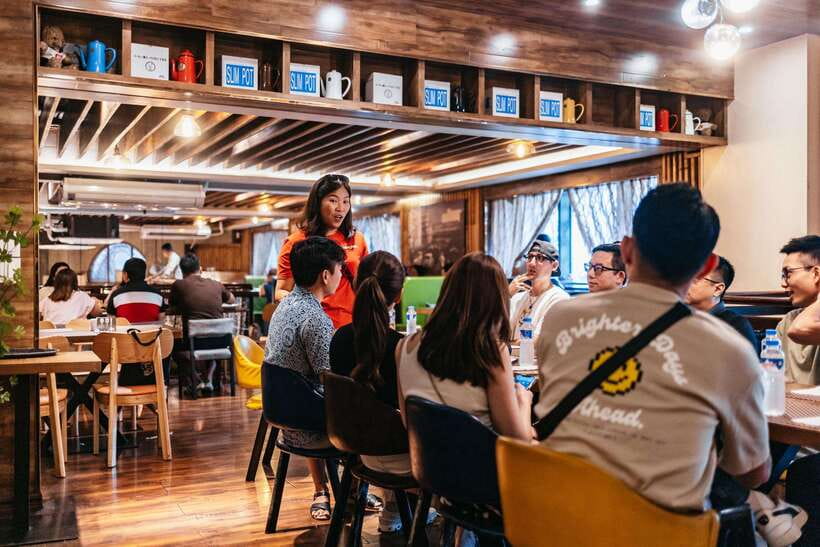
Book it if you want a fast, food-focused way to understand Manila, especially Binondo and Chinatown-style street life. The best reason to go is the combination of multiple tastings plus a guide who keeps the group moving and helps you choose what to eat with confidence.
Skip it if you need vegetarian or vegan options, or if long walks in rain-or-shine conditions are not your thing. Also, if you do not want to try unusual items, you may feel pressured by the menu style and the way street food tours work.
If you are game for fried snacks, noodles, seafood, sweet desserts, and a real look at local streets, this is an easy yes.
FAQ
How long is the Manila street food and drinks walking tour?
It runs for 2 hours.
How many tastings are included?
You can expect food tastings that include 6 to 10 selections, depending on availability.
Where is the meeting point?
The meeting point is at Grand Cafe 1919, Binondo, Juan Luna, Manila.
What foods and drinks are included?
Included tastings can include banana cue, kamote fries, turon, kwek-kwek, siomai, sotanghon soup, palabok, Filipino pansit, grilled squid, mango with shrimp paste, halo-halo, plus water or refreshing juice.
Is the tour available for vegetarians or vegans?
No. The tour is not suitable for vegetarians or vegans.
Is the tour wheelchair accessible?
No. The tour is not suitable for wheelchair users.
Do I need to bring anything?
You should bring comfortable shoes, and it helps to come hungry and ready with questions.
Is there a cancellation policy?
Yes. Free cancellation is available up to 24 hours in advance for a full refund.
More Tours in Manila
- Intramuros, Manila: Historical Bamboo Bike Tour★ 4.8 · 583 reviews
- Manila: Intramuros, Chinatown, and Old Manila Half-Day Tour★ 4.8 · 475 reviews
- Manila: Old & New 4-Hour City Tour★ 4.5 · 458 reviews
- Manila Food Tour: Introduction to Philippine Street Food★ 5.0 · 417 reviews
More Tour Reviews in Manila
- Intramuros, Manila: Historical Bamboo Bike Tour★ 4.8 · 583 reviews
- Experience Intramuros with Bamboo Bicycle – Ecotours★ 5.0 · 508 reviews
- Manila: Intramuros, Chinatown, and Old Manila Half-Day Tour★ 4.8 · 475 reviews
- Manila: Old & New 4-Hour City Tour★ 4.5 · 458 reviews
Manila by the Plate
- Manila: Intramuros, Chinatown, and Old Manila Half-Day Tour★ 4.8 · 475 reviews
- Manila Food Tour: Introduction to Philippine Street Food★ 5.0 · 417 reviews
- Manila Food Tour: Explore World’s Oldest Chinatown★ 5.0 · 158 reviews
- Manila: Sightseeing and Food Walking Tour with Tastings★ 4.7 · 68 reviews
More of Manila, reviewed
- Private Departure Airport Transfer in Manila Bay and Makati Area
★ 5.0 · 3 reviews - Embark on a 7-Day Banaue-Sagada Adventure of a Lifetime
★ 5.0 · 3 reviews - From Manila: Philippines Private Tour Guide
★ 4.1 · 3 reviews - Unforgettable Manila Fishing Village Day Excursion 2024
★ 5.0 · 4 reviews - Tagaytay + Hidden Valley Springs: A Scenic Escape w/ Transfers
★ 4.0 · 4 reviews
Manila Food and Chinatown Tours, start to finish.
 ★ 4.8Manila: Intramuros, Chinatown, and Old Manila Half-Day TourFrom $68475 reviews
 ★ 5.0Manila Food Tour: Introduction to Philippine Street FoodFrom $60417 reviews
 ★ 4.5Private Cebu & Lapu-Lapu City Tour with Uphill Spots & Lunch at House of LechonFrom $75168 reviews
 ★ 5.0Manila Food Tour: Explore World’s Oldest ChinatownFrom $60158 reviews
 ★ 4.5The Original Cebu City Historical and Food Walking TourFrom $6981 reviews
 ★ 5.0Manila Filipino Cooking Class: Meryenda FavoritesFrom $6080 reviews
 ★ 4.7Manila: Sightseeing and Food Walking Tour with TastingsFrom $5868 reviews
 ★ 5.0Manila: Guided Night Market ExperienceFrom $6854 reviews
Where this one shows up