
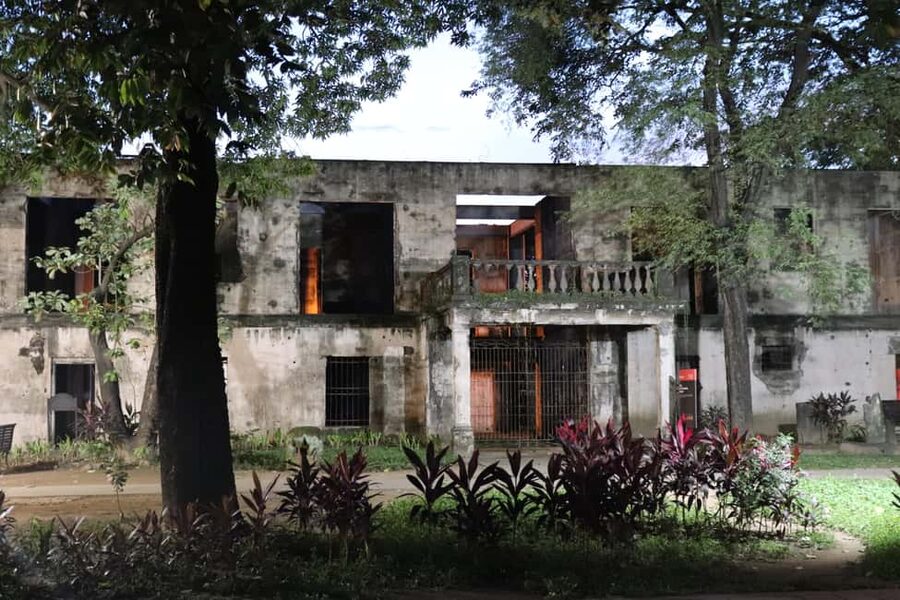
REVIEW · MANILA
Viva Old Manila: Intramuros Walking Tour
Fort Santiago has a pulse. This Intramuros walk is interesting because it moves fast through the real places where Philippine history happened, with Fort Santiago and DOT-accredited English speaking guides turning big events into stories you can picture. I especially like the way you get major stops in just three hours, and I also like the guide style, with humor and clear explanations that make Spanish occupation, war years, and colonial life feel connected rather than random.
The main drawback to plan for is simple: it’s a timed walking route. If you drift off for photos, you can end up scrambling to rejoin the group, so keep close and pace yourself.
In This Review
- What makes this Intramuros tour stand out
- Walking the Walled City the smart way
- Meeting at Fort Santiago, then getting your bearings
- Fort Santiago and the dungeon that changes the mood
- How to enjoy Fort Santiago most
- Jose Rizal’s final days, plus the museum stop that ties it together
- Manila Cathedral and Memorare Manila 1945, where faith meets war memory
- San Agustin Church, a classic stop that needs a guide
- Casa Manila, where colonial life feels close enough to touch
- Ending at Casa Manila is convenient
- The guide experience, and why it’s the real value
- Pacing and what to bring for a smooth 3 hours
- Price and value: what $27 buys you in the Walled City
- Who this Intramuros walking tour fits best
- Should you book Viva Old Manila? My practical verdict
- FAQ
- Where does the tour start?
- What is the duration of the Viva Old Manila: Intramuros Walking Tour?
- How much does it cost?
- Is admission included?
- Do I need to buy tickets in advance?
- What language is the guide?
- What should I bring?
- What is included for comfort?
- What is not included?
- Where does the tour end?
- Is there cancellation flexibility?
What makes this Intramuros tour stand out
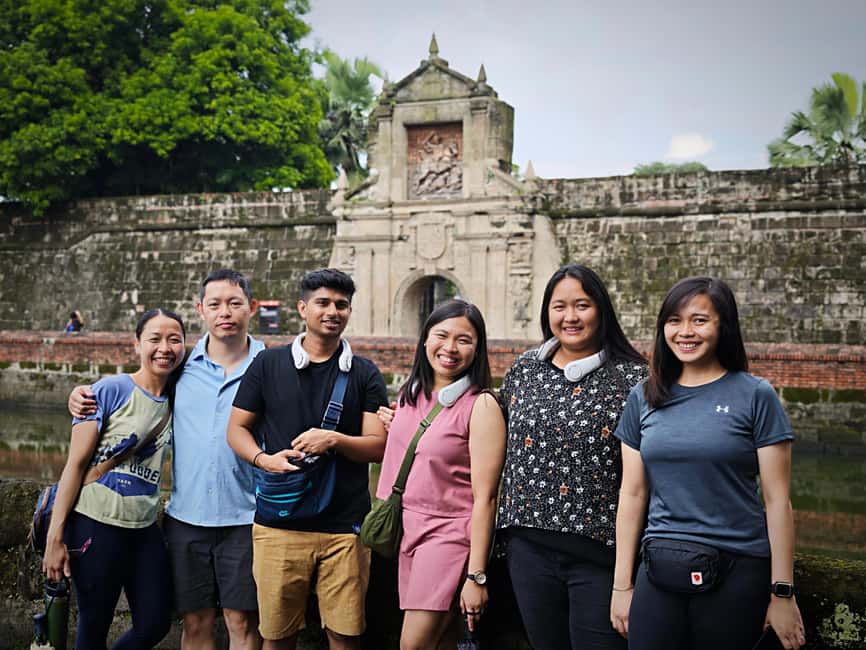
- Fort Santiago plus dungeon access, where wartime stories are part of the walk, not just background
- Rizal’s final-day focus, tied to the Museum of Jose Rizal and the Rizal Shrine moment
- A tight route through the colonial core, including San Agustin Church and Casa Manila
- A guide-first experience, with DOT-accredited local storytelling that mixes facts and memorable side notes
- Comfort basics included, bottled water, plus sunscreen and mosquito repellent
- Value for time, skipping the ticket line while still covering many landmarks in one morning-length outing
Other walks inside the old walls
- Intramuros, Manila: Historical Bamboo Bike Tour★ 4.8 · 583 reviews
- Manila: Intramuros, Chinatown, and Old Manila Half-Day Tour★ 4.8 · 475 reviews
- Manila: Guided Sunset Bamboo Bike Tour in Intramuros★ 4.8 · 119 reviews
- Viva Old Manila: Intramuros Walking Tour★ 4.9 · 104 reviews
Walking the Walled City the smart way
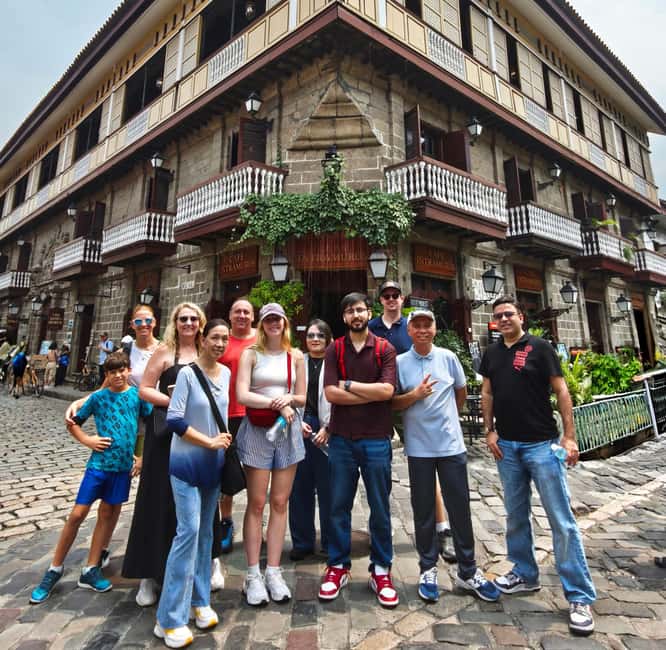
Intramuros can feel like a small area, but it’s packed with landmarks and layers of history. The streets look scenic, but without a guide you can miss the connections between sites, like how the Spanish period, war years, and the story of José Rizal fit together in this same square-mile.
This tour works because it’s built for momentum. You cover major points of interest on foot, with short guided stops and enough time at each place to orient yourself and take photos. It’s also the kind of walking experience where a good guide does the heavy lifting, explaining what you’re looking at and why it matters, without making you sit through a lecture.
I also like that the tone is human. Guests have described guides who use myths, legends, and even personal stories to break up heavier material, which is exactly what you want when the theme is occupation and war.
Meeting at Fort Santiago, then getting your bearings
Your guide meets you at the Fort Santiago entrance, in front of the United Philippine Lines building on Sta. Clara Street. That meeting point matters because Intramuros streets can be a little confusing, especially in the heat.
Plan to arrive at least 15 minutes early. One guest noted the meeting spot felt vague at first, and the simple fix was arriving early so the guide can find you before the group settles in. If you’re also traveling with family or moving slower, that extra buffer makes the whole start smoother.
You can also use Grab or local transport to get there, since the tour begins right at Fort Santiago. And because the tour ends at Casa Manila, you’ll have an easier time moving on afterward instead of doubling back.
Fort Santiago and the dungeon that changes the mood
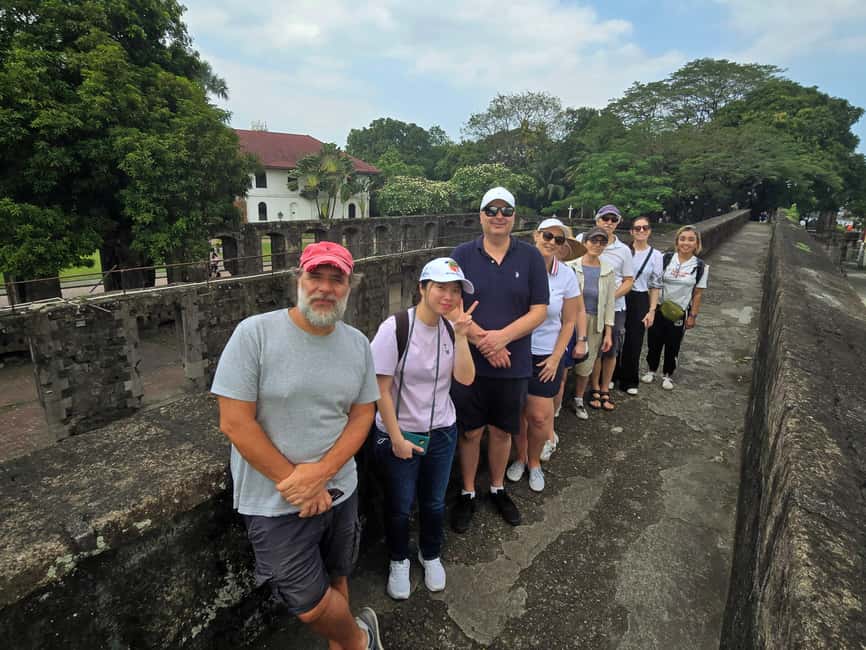
Fort Santiago is the center of gravity for this whole experience. It’s the citadel that shaped Philippine history, and the tour gives it the longest guided time, including the kind of details that are hard to spot on your own.
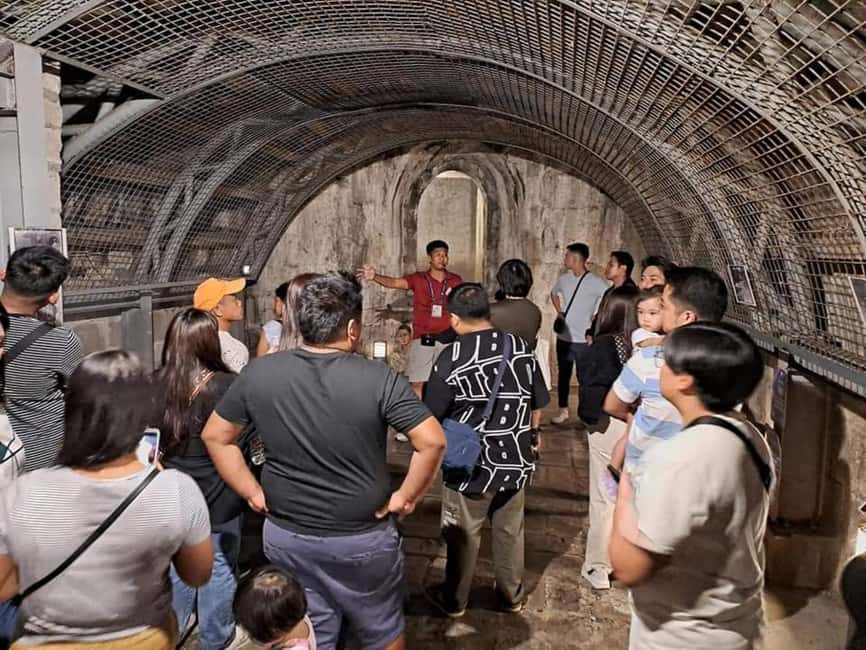
You start with a guided walk through Intramuros, but once you’re at Fort Santiago, the story sharpens. The walls and layout help you understand why this place mattered, and then the dungeon experience brings a darker layer into focus. The tour is explicit about the wartime stories connected to the dungeon, and that theme lands best when you can see the space where it happened.
This is one of the most praised parts of the tour because it’s not just description. A strong guide makes the place feel real, and the best guides also add levity in between heavy moments so the information doesn’t blur together. Guests have talked about guides who were funny, patient, and quick to answer questions, which is exactly what you want when you’re standing in a site that invites big emotions.
How to enjoy Fort Santiago most
- Stay close to your guide, especially when the group moves between spots inside the area.
- Bring your umbrella if rain is possible, since you’ll be outside for the walking segments.
- If you like photos, take them without sprinting ahead. A time-limited route is unforgiving.
Other Manila outings that kept coming up while we researched this one


Jose Rizal’s final days, plus the museum stop that ties it together
After Fort Santiago, the tour shifts to the story of Dr. Jose Rizal. You’ll visit the Museum of Jose Rizal (a guided stop) and then continue into the Rizal Shrine moment tied to his final days.
This portion works because it anchors the history in a specific person. Instead of treating Intramuros like a generic colonial set, the tour helps you connect place to fate. Rizal’s presence in the narrative is what many people come for, and the guide brings it into focus in a way that’s easy to follow during a walking tour.
One useful point: this is not just a stop where you look around quietly. The guide-led format means you get context while you’re there, so you’re not trying to figure out what you’re seeing after the fact. Guests have described guides weaving personal stories and perspective into the explanations, which is helpful for first-timers.
If you want a more meaningful souvenir from the day, this section is where it happens. You’ll leave with a clearer timeline of what led to Rizal’s final days and how Intramuros fits into the bigger Philippine story.
Manila Cathedral and Memorare Manila 1945, where faith meets war memory

Next up are two stops that balance spirituality with the weight of the twentieth century. You’ll spend a guided visit at Manila Cathedral, then continue to Memorare Manila 1945 for another short explanation-focused stop.
These are brief segments in the overall schedule, so you’ll get the essentials rather than a long sit-down. The value here is that the guide frames each place so you understand the emotional tone, not just the location.
Manila Cathedral is included as a stop that helps you see the colonial-era religious core of Intramuros, and Memorare Manila 1945 adds the war memory layer. Together, they help you understand how Intramuros survived, changed, and kept telling its story after conflict.
Because the time is limited, you should treat these stops like a guided orientation. If there’s a detail you care about, ask right away. Guests have praised the way guides respond to questions and keep the information clear, so this is the best time to get your curiosity satisfied.
San Agustin Church, a classic stop that needs a guide
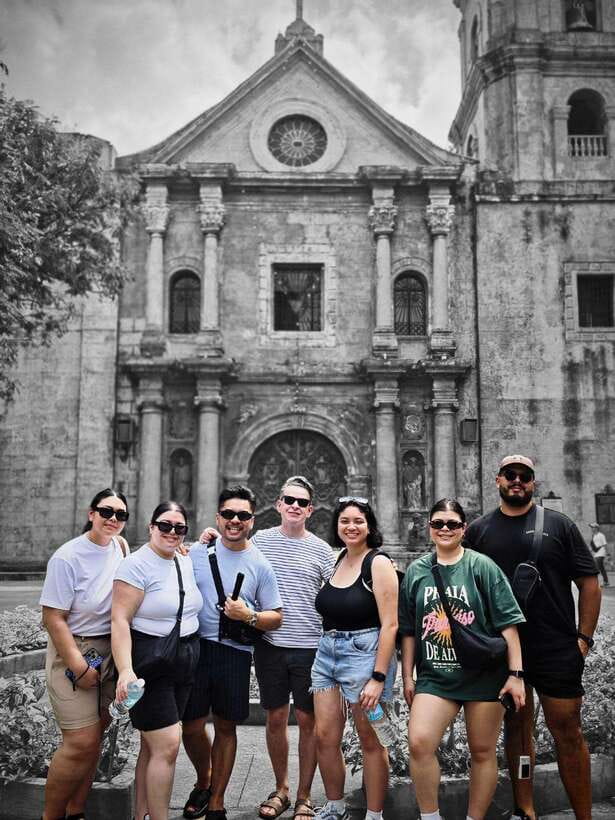
San Agustin Church is another quick, guided visit in the route. It’s short by design, which means you’ll get guided context and then enough time to glance around and absorb the atmosphere.
What makes this stop worth it on a guided walk is the framing. A guide can point out the kind of colonial life and religious significance you might otherwise miss. Since the tour is built around connections between sites, San Agustin is not just a photo spot. It’s one piece of the larger pattern of Spanish influence and everyday colonial presence.
Guests consistently highlight that the guides bring history to life, and San Agustin is one of the places where that storytelling is easy to feel. When the explanation matches what you see in front of you, the architecture and setting stop being background and start becoming part of the narrative.
Casa Manila, where colonial life feels close enough to touch
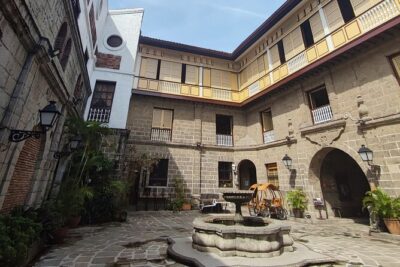
The final stop is Casa Manila, and it’s also where the tour ends. You’ll get a guided visit here designed to show colonial life through the lens of a traditional home museum.
This stop is a smart way to end the day because it shifts from major historical turning points into something more human-scale. Instead of only thinking about battles, occupations, and public memory, you get a glimpse of how people lived.
Even though the guided time is shorter here, the purpose is clear: help you picture the daily rhythms of old Manila. Several guests highlighted that the tour covers Spanish, American, and Japanese interactions through the war period, and Casa Manila gives you the everyday contrast that makes those larger events easier to understand.
Ending at Casa Manila is convenient
Finishing at Casa Manila means you are not stuck backtracking through the Walled City at the end of your walk. You’ll likely be able to connect to transport without the hassle of re-entering Fort Santiago area logistics.
The guide experience, and why it’s the real value
The biggest reason this tour scores extremely high is the guide style. Many guests mention guides like Steven, Russell, Jonathan, Jerome, Jimmy, and Sedie as standout leaders. Across those names, the pattern is consistent: clear explanations, a lively delivery, and a knack for making facts memorable.
A few themes show up repeatedly:
- The guides are passionate about Philippine history tied to Intramuros.
- The pacing doesn’t feel rushed, even with many stops.
- Humor and light myths help break up heavy topics like occupation and wartime loss.
- Guides answer questions and adapt when people want more detail.
That matters for your experience because Intramuros is compact, but it can be mentally demanding. If you go without guidance, you may end up viewing sites like a checklist. With a strong guide, you get a story arc.
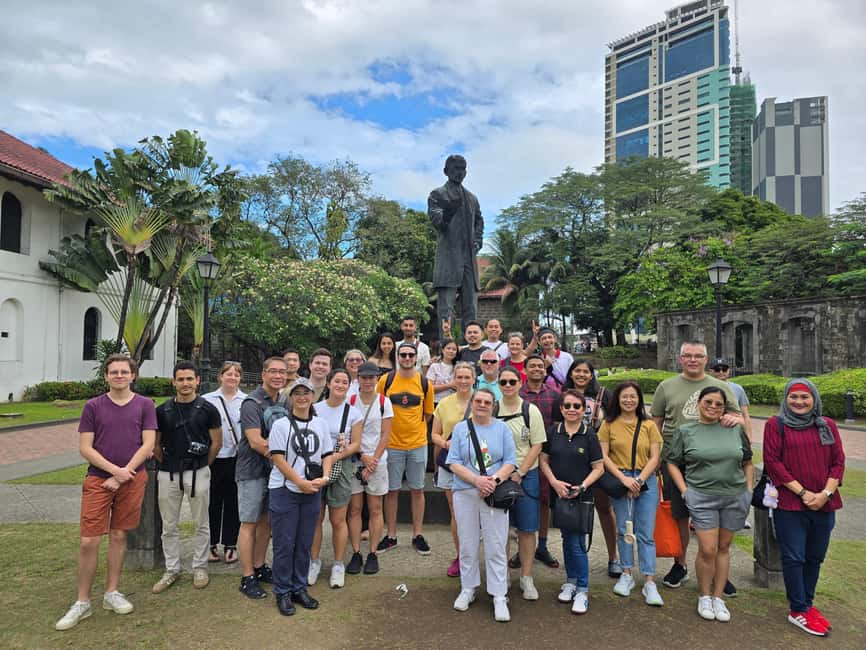
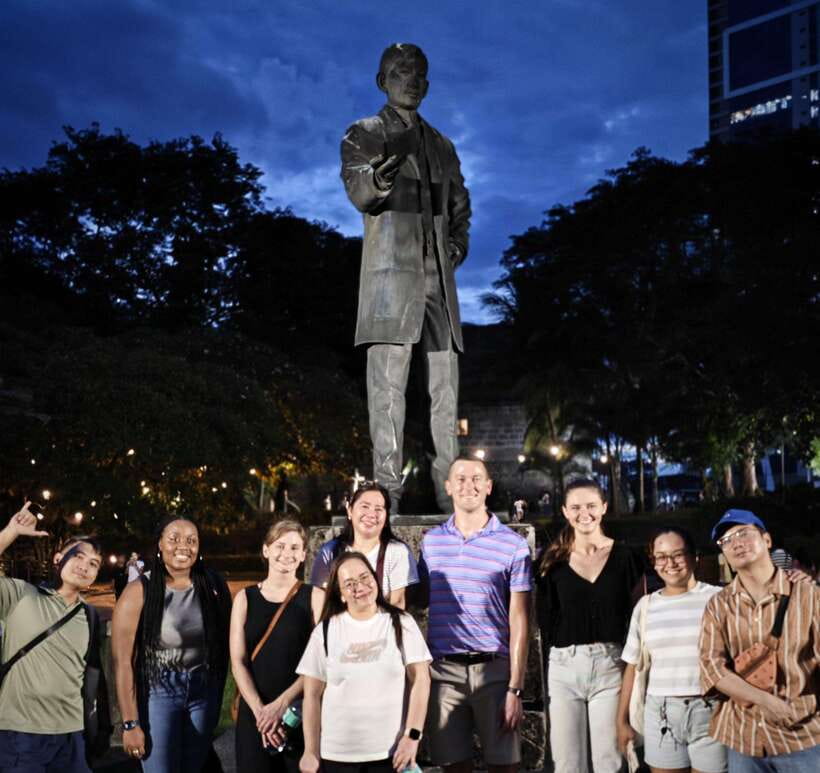
Also, there’s practical value in the group format. You get group photo opportunities on key landmarks, and you’re traveling with a plan. In a place where walking routes can be confusing, that structure saves time and stress.
Pacing and what to bring for a smooth 3 hours
This tour runs about three hours. That’s long enough to cover meaningful ground, but short enough that you’re not stuck all day in the sun.
You are outdoors for enough of it that comfort matters. The tour suggests you bring an umbrella and water, and the experience includes bottled water. It also includes free use of sunscreen and mosquito repellent, which is a big deal in Manila weather.
Here’s how I’d prepare for the day:
- Wear breathable shoes you can walk on comfortably.
- Bring an umbrella even if the sky looks okay, because conditions can change quickly.
- Use the included repellent, and reapply sunscreen if you’re out in direct sun.
- Stay with the group. If you stop too long or wander away, you can fall behind because the tour keeps moving.
If you’re traveling with kids or older family, the pacing is generally described as well balanced. Still, keep in mind it is a walking tour with a schedule, so plan breaks by staying with the group and taking quick photo stops during the allotted time.
Price and value: what $27 buys you in the Walled City
At about $27 per person for a three-hour guided walk, the value is tied to what’s included. You’re not just paying for a route. Admission fees to sites are included, along with a DOT-accredited English speaking local guide and the guide fee.
The tour also includes bottled water, plus free access to sunscreen and mosquito repellent. Add in group photo opportunities and the ability to skip the ticket line, and you start to see why many people feel it’s worth it even if they have limited time in Manila.
It also helps that you’re getting multiple landmark types in one morning-length outing:
- Fort Santiago, with dungeon and wartime storytelling
- Rizal-related stops focused on his final days
- Historic churches tied to colonial-era Manila
- Casa Manila as a window into traditional home life
If you’re visiting Intramuros for the first time, this combination is exactly what you want. You don’t have to guess which sites connect, or which ones matter most for understanding Manila’s past.
Who this Intramuros walking tour fits best
This tour is a great match if you:
- Want a guided route through Intramuros without spending time planning stop-by-stop
- Prefer history explained with stories, humor, and perspective
- Like seeing both major war-era memory sites and colonial everyday life
- Are on a time budget but still want a lot of meaningful stops
It may feel less ideal if you:
- Want total freedom to roam slowly at your own pace, without a schedule
- Tend to wander for long photo breaks and get stressed catching up
If you’re a first-timer, it’s especially helpful. Fort Santiago area navigation can be tricky, and guides handle the flow so you can focus on the places themselves.
Should you book Viva Old Manila? My practical verdict
If you want a high-value introduction to Intramuros, book this. The tour’s strongest selling point is the guide-led storytelling, where the most emotionally heavy sites, like Fort Santiago’s dungeon, are handled with clarity and a human touch. Add the inclusion of admission fees, bottled water, and practical sun and mosquito protection, and $27 starts to feel fair for what you get.
I’d especially recommend it to anyone trying to make sense of how Spanish occupation, José Rizal’s final days, and war-era memory all overlap in this one walled space. And if you’re worried about getting lost or missing context, the guided structure and the fact that you skip the ticket line solve a lot of real-day friction.
Just keep your plan simple: arrive a bit early, bring your umbrella and water, and stay close to the group. Do that, and you’ll finish the walk with the Walled City making far more sense than you started with.
FAQ
Where does the tour start?
The guide meets you at the Fort Santiago entrance, in front of the United Philippine Lines building on Sta. Clara Street.
What is the duration of the Viva Old Manila: Intramuros Walking Tour?
The tour lasts about 3 hours.
How much does it cost?
The price is listed as $27 per person.
Is admission included?
Yes. Admission fees to the sites are included.
Do I need to buy tickets in advance?
The tour includes skipping the ticket line.
What language is the guide?
The tour is offered with a live English-speaking local guide.
What should I bring?
Bring an umbrella and water.
What is included for comfort?
You get bottled water, plus free use of sunscreen and mosquito repellent.
What is not included?
Hotel pickup and drop-off, food and beverages, and transportation are not included.
Where does the tour end?
The tour finishes at Casa Manila.
Is there cancellation flexibility?
Yes, free cancellation is available up to 24 hours in advance for a full refund.
More Tours in Manila
- Intramuros, Manila: Historical Bamboo Bike Tour★ 4.8 · 583 reviews
- Manila: Intramuros, Chinatown, and Old Manila Half-Day Tour★ 4.8 · 475 reviews
- Manila: Old & New 4-Hour City Tour★ 4.5 · 458 reviews
- Manila Food Tour: Introduction to Philippine Street Food★ 5.0 · 417 reviews
More Tour Reviews in Manila
- Intramuros, Manila: Historical Bamboo Bike Tour★ 4.8 · 583 reviews
- Experience Intramuros with Bamboo Bicycle – Ecotours★ 5.0 · 508 reviews
- Manila: Intramuros, Chinatown, and Old Manila Half-Day Tour★ 4.8 · 475 reviews
- Manila: Old & New 4-Hour City Tour★ 4.5 · 458 reviews
Inside the Old Walls
- Intramuros, Manila: Historical Bamboo Bike Tour★ 4.8 · 583 reviews
- Experience Intramuros with Bamboo Bicycle – Ecotours★ 5.0 · 508 reviews
- Manila: Intramuros, Chinatown, and Old Manila Half-Day Tour★ 4.8 · 475 reviews
- Manila: Guided Sunset Bamboo Bike Tour in Intramuros★ 4.8 · 119 reviews
More of Manila, reviewed
- Private Departure Airport Transfer in Manila Bay and Makati Area
★ 5.0 · 3 reviews - Embark on a 7-Day Banaue-Sagada Adventure of a Lifetime
★ 5.0 · 3 reviews - From Manila: Philippines Private Tour Guide
★ 4.1 · 3 reviews - Unforgettable Manila Fishing Village Day Excursion 2024
★ 5.0 · 4 reviews - Tagaytay + Hidden Valley Springs: A Scenic Escape w/ Transfers
★ 4.0 · 4 reviews
Intramuros and Old Manila Walking Tours, start to finish.
 ★ 4.8Intramuros, Manila: Historical Bamboo Bike TourFrom $27583 reviews
 ★ 5.0Experience Intramuros with Bamboo Bicycle – EcotoursFrom $39508 reviews
 ★ 4.8Manila: Intramuros, Chinatown, and Old Manila Half-Day TourFrom $68475 reviews
 ★ 4.5Manila Old and New: Sightseeing Tour Including Intramuros and Fort SantiagoFrom $103377 reviews
 ★ 4.8Manila: Guided Sunset Bamboo Bike Tour in IntramurosFrom $40119 reviews
 ★ 5.0Manila’s Walled City: Intramuros Walking TourFrom $3582 reviews
 ★ 5.0Explore Intramuros: Introduction to Philippine HistoryFrom $5580 reviews
 ★ 5.0Experience Manila’s Heritage: Intramuros & More in Half a Day!From $7576 reviews
Where this one shows up