
REVIEW · MANILA
Explore Manila Slums and Hidden Market
Manila’s backstreets tell stories fast. This Tondo tour gives you a local guide and real street access, and I especially loved the wet market stop with its sights and local food. The one thing to consider is that this is not a polished, postcard-only outing, since you’re moving through residential areas where daily life looks close-up and sometimes intense.
I also like the way the tour uses Manila transport as part of the lesson, not as a gimmick. You’ll meet at Tutuban Center Mall near the Bonifacio Monument, close to Lawson, then get rides by tricycle and jeepney with an English-speaking guide, often names like Venus or Floyd (both show up in the guide stories). It’s priced at $65 for just 2 hours, so it works best when you want value through local time on the ground, not when you’re hunting for long museum stops.
In This Review
- Key highlights you will actually feel
- Tondo in 2 hours, and why this tour is different
- Meeting at Tutuban Center, then switching to Manila’s real transport
- Walking through Tondo neighborhoods without turning it into a spectacle
- Wet market time: the sights, the rhythm, and local tastes
- Old town angles, farmers market energy, and Divisoria context
- Riding to Chinatown and finishing with egg tarts
- The hidden market stop for fruit, groceries, and everyday meals
- Price and value: why $65 can make sense for this format
- What to know before you go, in plain terms
- Who this tour suits best
- Should you book this Manila slums and hidden market tour?
- FAQ
- Where is the meeting point for this tour?
- How long is the tour?
- How much does it cost?
- What’s included in the tour?
- Is the tour led in English, and how big is the group?
- What are the booking and cancellation options?
Key highlights you will actually feel
- Tondo street life with a local guide in English, including housing areas and local routines
- Wet market visuals and local food moments, with tastings that can include bao
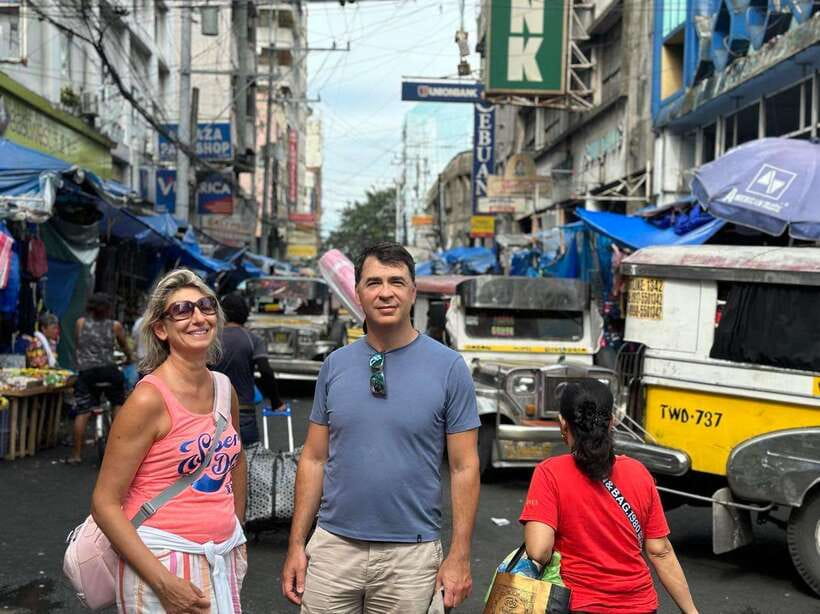
- Tricycle and jeepney rides, built into the experience so you see how people move
- Chinatown and older Manila angles, paired with food stops like egg tarts
- A market stop for fruit and groceries, plus the chance to watch everyday shopping up close
- Small group size (up to 10), which helps you stay oriented on busy streets
More ways to take Manila in a day
- Manila: Intramuros, Chinatown, and Old Manila Half-Day Tour★ 4.8 · 475 reviews
- Full-Day Manila City, Tagaytay Taal Volcano and Lake Tour★ 4.3 · 139 reviews
- Manila Ninoy Aquino Airport (MNL) Private Transfer to Manila City★ 4.5 · 128 reviews
- MANILA HALF-DAY TOUR (4HRS)★ 4.7 · 43 reviews
Tondo in 2 hours, and why this tour is different
If you only skim Manila’s top sights, you miss the city’s daily heartbeat. This tour focuses on the neighborhoods most visitors drive past, especially Tondo, where community life is visible in the alleys, the homes, and the way people shop and travel. The goal is simple: understand Manila from street level, not from a distance.
What makes it work is the pacing. You’re not trying to conquer the whole city. In about 2 hours, you’ll walk through local spaces, then use tricycle and jeepney rides to connect the dots between neighborhood life and the bigger city scene.
I like that the guide’s job is not just pointing out landmarks. The guide helps you make sense of what you’re seeing, which matters a lot when the setting is a slum or low-income housing area. You get a guided framework, so the experience feels educational and respectful, not like you’re peeking through a window.
Meeting at Tutuban Center, then switching to Manila’s real transport
Your day starts near Tutuban Center Mall, close to the Bonifacio Monument, by the Lawson Convenience Store. That location is practical, because it’s easy to find and it puts you close to public transport access before you head into the neighborhoods.
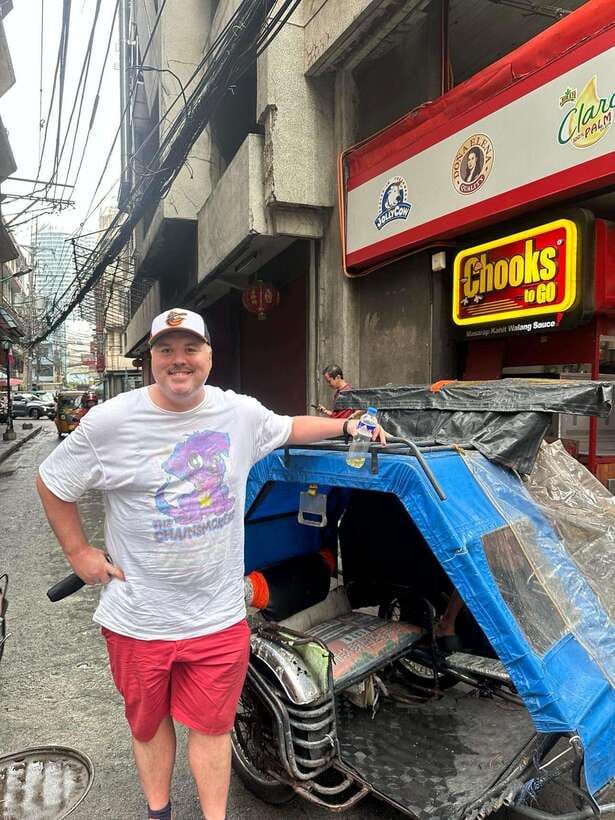
From there, you’ll get on two key local modes included in the price: tricycle ride and jeepney ride. This is one of my favorite parts, because the rides do more than move you from A to B. You feel Manila’s rhythm. You also see how locals handle tight streets and changing traffic patterns, which helps you understand the city as something people live inside, not just visit.
One more plus is the group size. With a small group capped at 10, it’s less chaotic than trying to manage your own route through busy areas. It also means the guide can keep the group together and adjust pace when a street is crowded or when people are stopping at stalls.
Walking through Tondo neighborhoods without turning it into a spectacle
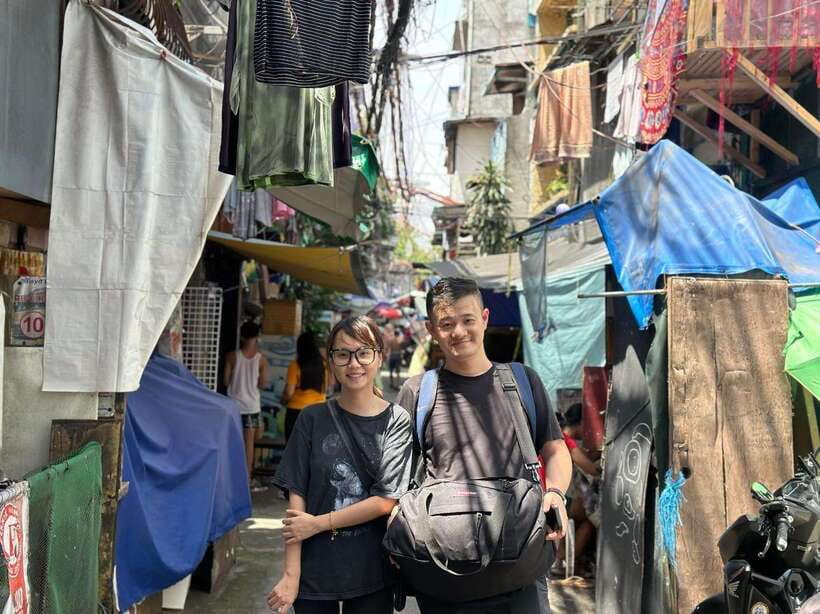
Tondo is one of Manila’s oldest and most well-known districts, and it often gets misunderstood. This tour addresses that head-on by sending you into the area with a local guide who knows the streets and the stories behind daily life.
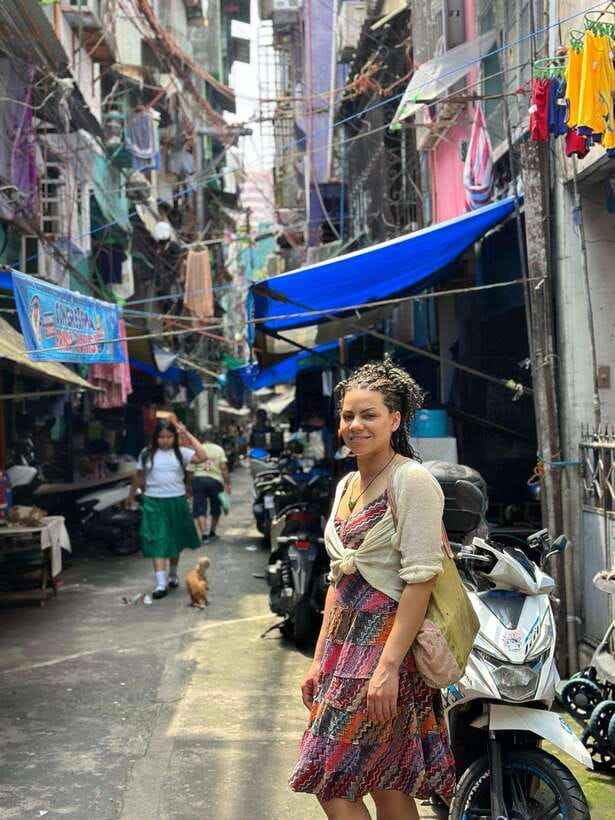
When you walk through residential areas, you’ll notice how practical everything is. People work, shop, share space, and solve problems with the resources they have. That’s the human side of Manila that photos rarely capture. You might see different “layers” of local living too, depending on the day and the route your guide selects.
Safety is not something a tour can magically guarantee, but the key factor here is how the experience is run. The guides on this route are described as attentive and careful about keeping the group oriented, and that matters when you’re in narrow alleys and close quarters. If you’re the kind of traveler who wants context, not just a walk-by view, this format is a good fit.
Also, if you’re worried about the line between education and voyeurism, you’ll be glad to know the guides on this tour are personally connected to the community. For example, Floyd is described with a background that includes police training and medicine, and he brings a “street veteran” approach to leading people through his home area. That kind of credibility tends to change the tone from curiosity to understanding.
Wet market time: the sights, the rhythm, and local tastes
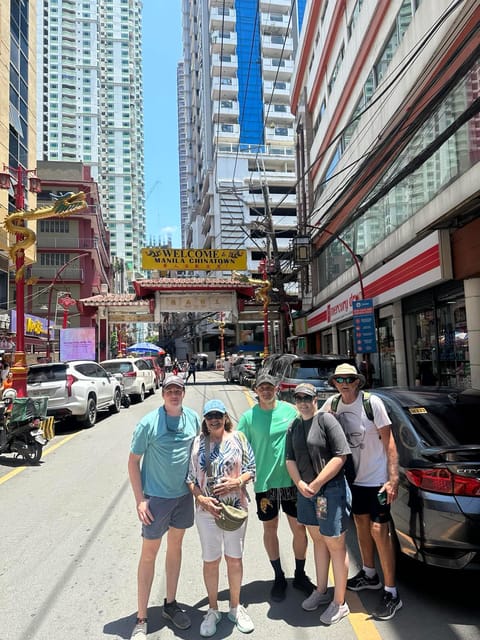
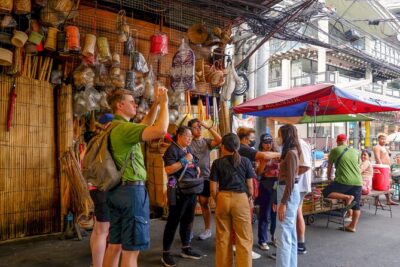
One of the strongest highlights is the wet market stop. Markets here are not background scenery. They’re the place where food, conversation, and daily needs all overlap in real time. If you like to travel with your eyes and your appetite, this part delivers.
On the ground, you can expect dense visual detail: produce, stalls, and shoppers moving with practiced speed. It’s a visual experience because it’s not designed for tourists. It’s designed for people who need food today.
The best part is how the guide connects the scene to local life. You learn what people buy and why, and you also get a sense of how families handle meals and routines on limited budgets. That connection turns a market stop into a story lesson, not just a quick photo stop.
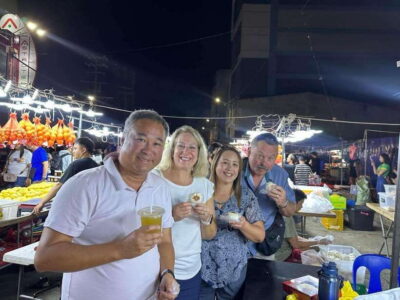
Food tastings add another layer. Guests mention treats at the end, including bao, and that kind of small ending matters because it wraps up the market experience with a taste of the culture you just watched. This isn’t about packing your stomach for a long day, it’s about giving you a satisfying, local finish.
Other Manila outings that kept coming up while we researched this one

Old town angles, farmers market energy, and Divisoria context
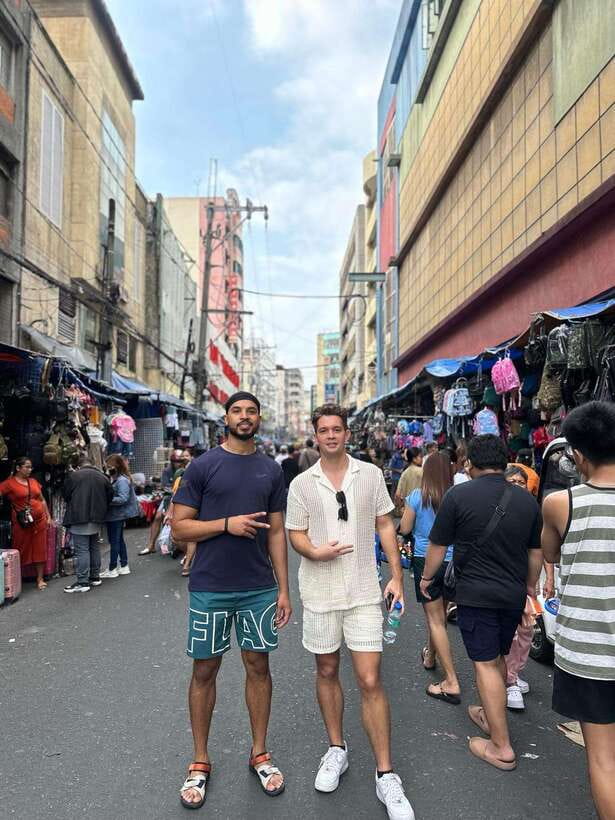
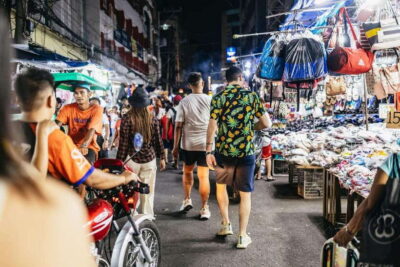
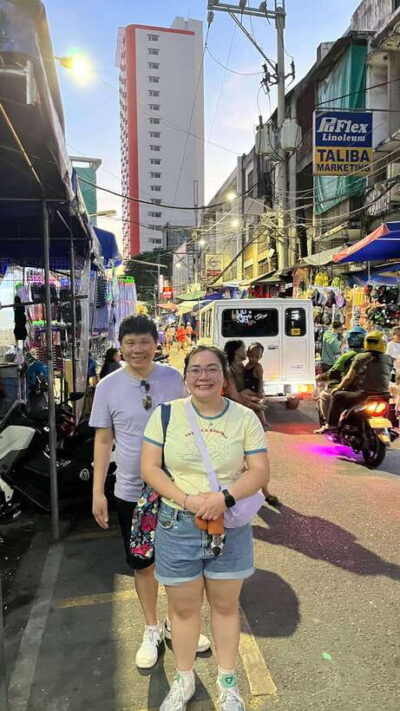
Beyond Tondo and the markets, the tour can include old Manila style stops and market areas connected to local shopping culture. The highlights mention farmers market and Divisoria, both of which are tied to how Manila sources goods and moves them around the city.
Here’s why those stops matter. Manila’s economy is visible in its streets. Even when you’re not shopping, you can learn how people access essentials and how neighborhoods stay supplied. You’ll likely see locals using the city like a working system, not as a set of attractions.
This is also where your guide helps you interpret the “why” behind what looks chaotic. Market streets and older district areas can feel overwhelming at first. With a local guide, you get a sense of order: what people are doing, where they’re going, and how different parts of Manila connect.
If you tend to get mentally overloaded, this is the one moment where you might feel crowded, because markets and older streets bring more movement and noise. The trick is to let the guide set the pace and keep your attention on what’s practical and human, not just on everything at once.
Riding to Chinatown and finishing with egg tarts
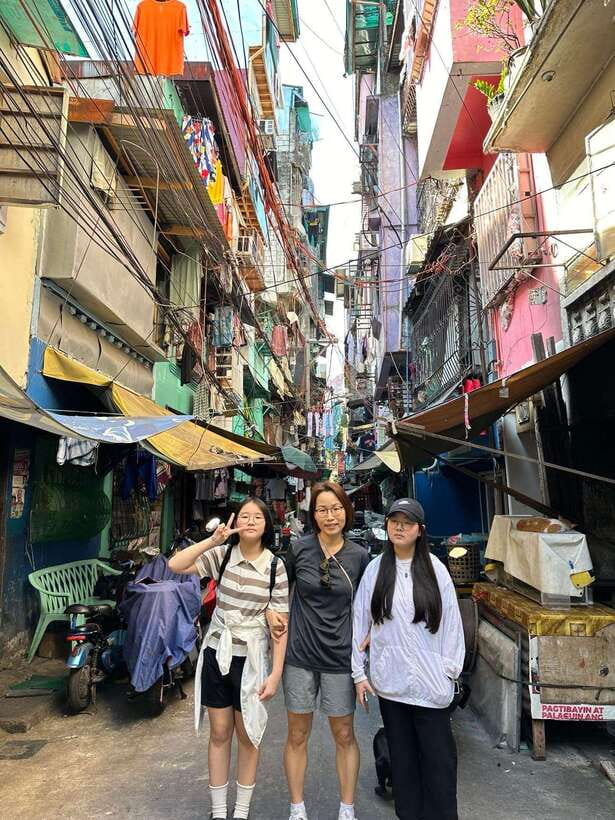
Chinatown is included in this tour, and it’s described as one of Manila’s oldest Chinatowns. You don’t just pass through. You get a guided walk and food stops that let you experience the area’s flavors the way locals do.
A specific food highlight is egg tarts. It’s one of those simple treats that becomes memorable when you pair it with the street context around it. Eating something local while you’re walking through Chinatown helps you connect the sights with taste, and it turns a neighborhood visit into something you can replay later.
If you’re hoping for big-name monuments, you’ll be fine, because this tour isn’t trying to outshine the classic sights. It’s about neighborhood texture, and Chinatown does that well. The contrast between Tondo’s community life and Chinatown’s food culture gives you a broader picture of Manila in a short time.
The hidden market stop for fruit, groceries, and everyday meals

Another moment that stands out is a hidden market stop where you can see fruit, groceries, and local food. Guests describe this as a tuk-tuk or short transport connection to a smaller, more local-feeling place than the larger shopping streets.
This stop matters for two reasons. First, it extends what you learn in the wet market to how people shop for supplies beyond immediate produce. Second, it gives you a wider view of local eating habits, not only the ready-to-eat snacks but also the ingredients behind meals.
Even if you don’t buy much, watching how people choose produce and pack essentials tells you a lot. And if you enjoy food, this is where the tour can feel extra satisfying, because it turns your morning or afternoon curiosity into something you can taste.
Price and value: why $65 can make sense for this format
$65 for a 2-hour tour can sound like a lot if you compare it to self-guided walking. But the value here comes from three things you’re paying for, all included: an English-speaking guide, and transport by tricycle and jeepney, plus the structured local food and market access.
You’re also buying time. A good local guide helps you avoid getting stuck, confused, or wandering without context. In areas like Tondo, that matters. You’re not just paying to move, you’re paying to interpret what you see.
If you’re a traveler who likes markets and local life, this price starts to look more like a fair exchange. If you want a long sightseeing day with major attractions, you might feel the time is short. But as a focused, street-level snapshot of Manila, it’s a strong value.
What to know before you go, in plain terms
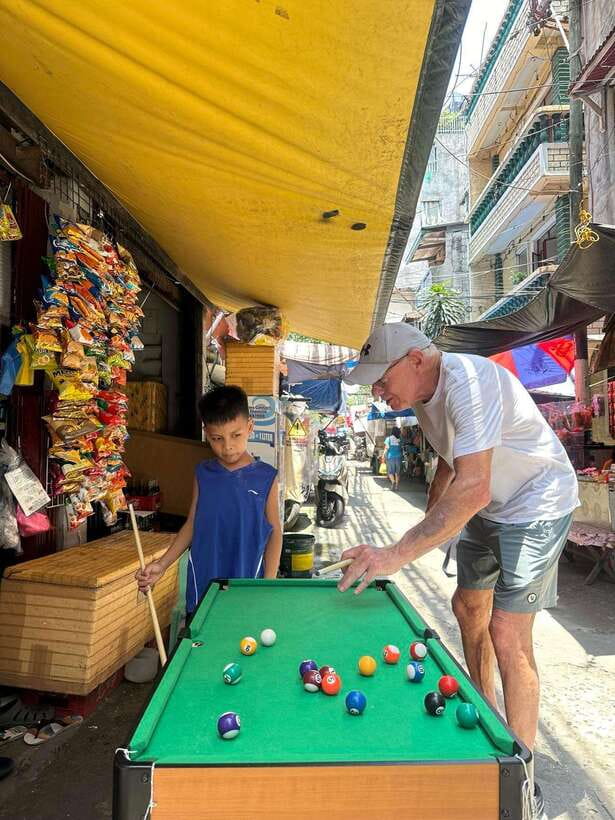
This tour is small group and English-speaking, but the setting is still real neighborhood life. You should expect close-up views and lots of everyday activity. If you’re easily unsettled by poverty or busy streets, go with a mindset of learning and respect, and let the guide steer the experience.
The tour includes transport rides, so plan for a day where you’re comfortable on your feet. Markets and older streets tend to be crowded, so bring patience and keep your attention on the guide and the group.
Also, since the tour time is 2 hours, it’s best for travelers who want a tight, high-impact cultural introduction. It’s not the choice if you need a slow pace with lots of breaks.
Who this tour suits best
This is a great match if you want:
- Neighborhood context in a short time
- Market life and local food moments, including tastings like bao and egg tarts
- Transport experience with a guide, not just a photo stop
- A guide-led approach that helps you understand what you’re seeing in Tondo and Chinatown
It’s less ideal if you want only iconic landmarks, or if you dislike walking through residential and market areas.
Should you book this Manila slums and hidden market tour?
Yes, if you want a smart, local-focused way to understand Manila beyond the usual sights. The combination of Tondo street time, wet market visuals, and food stops like bao and egg tarts, plus included tricycle and jeepney rides, makes the whole thing feel like more than a simple walk.
If you’re nervous about going off the tourist track, the small group size and the presence of guides like Venus and Floyd, who bring energy and local credibility, are exactly what help make it feel grounded and respectful.
If you tell me your travel dates and what you care about most (food, history, street life, photos, or transport), I can help you decide if this is the best fit for your Manila schedule.
FAQ
Where is the meeting point for this tour?
Meet your guide at Tutuban Center Mall near the Bonifacio Monument, by the Lawson Convenience Store.
How long is the tour?
The duration is 2 hours.
How much does it cost?
The price is $65 per person.
What’s included in the tour?
Included are a tour guide, a tricycle ride, and a jeepney ride.
Is the tour led in English, and how big is the group?
The live tour guide speaks English, and the group is limited to 10 participants.
What are the booking and cancellation options?
You can cancel up to 24 hours in advance for a full refund. You can also reserve now and pay later.
More Shopping Tours in Manila
- Manila: Guided Night Market Experience★ 5.0 · 54 reviews
- Manila’s Culinary Expedition: The Ultimate Food and Market Tour★ 5.0 · 42 reviews
- Manila Street food and Night Market Tour★ 4.7 · 21 reviews
- Tagaytay Adventure: Volcano Views, Countryside, Market & Cruise!★ 4.5 · 14 reviews
More Tour Reviews in Manila
- Intramuros, Manila: Historical Bamboo Bike Tour★ 4.8 · 583 reviews
- Experience Intramuros with Bamboo Bicycle – Ecotours★ 5.0 · 508 reviews
- Manila: Intramuros, Chinatown, and Old Manila Half-Day Tour★ 4.8 · 475 reviews
- Manila: Old & New 4-Hour City Tour★ 4.5 · 458 reviews
Manila in a Day
- Manila: Intramuros, Chinatown, and Old Manila Half-Day Tour★ 4.8 · 475 reviews
- Full-Day Manila City, Tagaytay Taal Volcano and Lake Tour★ 4.3 · 139 reviews
- Manila Ninoy Aquino Airport (MNL) Private Transfer to Manila City★ 4.5 · 128 reviews
- MANILA HALF-DAY TOUR (4HRS)★ 4.7 · 43 reviews
More of Manila, reviewed
- Private Departure Airport Transfer in Manila Bay and Makati Area
★ 5.0 · 3 reviews - Embark on a 7-Day Banaue-Sagada Adventure of a Lifetime
★ 5.0 · 3 reviews - From Manila: Philippines Private Tour Guide
★ 4.1 · 3 reviews - Unforgettable Manila Fishing Village Day Excursion 2024
★ 5.0 · 4 reviews - Tagaytay + Hidden Valley Springs: A Scenic Escape w/ Transfers
★ 4.0 · 4 reviews
Manila City Tours, start to finish.
 ★ 4.8Manila: Intramuros, Chinatown, and Old Manila Half-Day TourFrom $68475 reviews
 ★ 4.5Manila Old and New: Sightseeing Tour Including Intramuros and Fort SantiagoFrom $103377 reviews
 ★ 4.3Full-Day Manila City, Tagaytay Taal Volcano and Lake TourFrom $160139 reviews
 ★ 4.0Manila Super Saver: Manila Sightseeing plus Tagaytay Tour with Taal VolcanoFrom $16075 reviews
 ★ 4.7MANILA HALF-DAY TOUR (4HRS)From $9043 reviews
 ★ 5.0The Hidden Gems of Manila Guided TourFrom $6042 reviews
★ 5.0Manila: Intramuros, Chinatown, and Old Manila Half-Day TourFrom $7537 reviews
★ 5.0The Hidden Gems of Manila Guided TourFrom $6042 reviews
★ 5.0Manila: Intramuros, Chinatown, and Old Manila Half-Day TourFrom $7537 reviews
 ★ 4.5Intramuros & Chinatown Manila Tour – Walking, Food & CultureFrom $6232 reviews
Where this one shows up