
REVIEW · MANILA
Manila Street food and Night Market Tour
Street food in Manila at night feels personal. This two-hour tour strings together Tutuban Night Market tastings, Divisoria snacks, and Chinatown bites, then ends with riverside lights at Pasig Esplanade. I really like how the route is built for food, not slow sightseeing. I also like that you get help ordering, plus a guide who keeps things moving while you try new flavors.
I love that you’re not just watching from the sidelines. You get to sample local street food and learn what to say and how to order. One thing to consider: this is a walking tour with food tasting, so if you have strong food allergies or you are very picky, you’ll want to communicate your limits early.
Guides you might meet include Floyd or Venus, and reviews also mention a host named Jenny. For a quick Manila stop, it is a smart way to pack in multiple neighborhoods without spending your whole night figuring out where to go.
In This Review
- Key Highlights You’ll Feel Fast
- Price and value for a two-hour Manila food sprint
- Tutuban Center and Tutuban Night Market: where the night starts
- Divisoria’s Ilaya Street: bargains, sweet stops, and ordering like locals
- Binondo Chinatown: siopao and dumplings in a Chinese-Filipino flavor lane
- Pasig Esplanade: river views and city lights to close the night
- What makes the guides matter, Floyd and Venus (plus Jenny sightings)
- Food tasting reality check: what to expect and how to prepare
- Getting around and what to wear for a night market walk
- Who this tour is best for (and who should skip it)
- Price versus time versus hassle
- Should you book Manila Street Food and Night Market Tour?
- FAQ
- How long is the Manila Street Food and Night Market Tour?
- Where do I meet the guide?
- Who will guide the tour, and what language is used?
- What food will I try during the tour?
- Is this a walking tour?
- What transport is included between stops?
- Can I join if I have food allergies?
- How much does it cost and can I change plans?
Key Highlights You’ll Feel Fast
- Tutuban Night Market sets the tone right away with classic street snacks and serious people-watching
- Easy ordering practice helps you figure out what to point to and how to ask for it
- Divisoria Ilaya Street mixes bargain energy with sweet and fried street bites
- Binondo Chinatown brings Chinese-Filipino favorites like siopao and dumplings
- Pasig Esplanade is your cooldown, with river views and city lights to close the night
- Tuktuk ride or jeepney between areas keeps the pace realistic in busy streets
Still hungry? More Manila eating
- Manila: Intramuros, Chinatown, and Old Manila Half-Day Tour★ 4.8 · 475 reviews
- Manila Food Tour: Introduction to Philippine Street Food★ 5.0 · 417 reviews
- Manila Food Tour: Explore World’s Oldest Chinatown★ 5.0 · 158 reviews
- Manila: Street Food and Drinks Walking Tour with Tastings★ 4.8 · 114 reviews
Price and value for a two-hour Manila food sprint
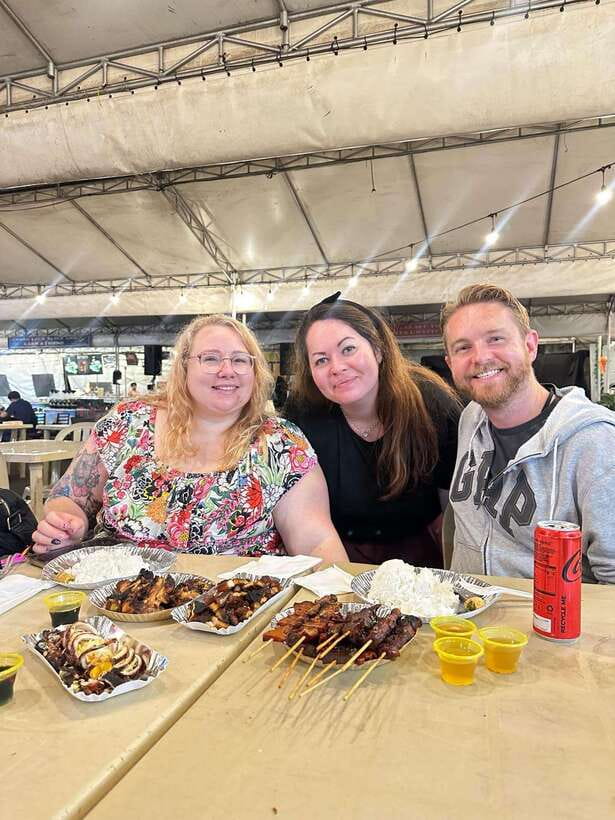
The tour costs $68 per person for about two hours. That price includes an English-speaking guide, photography, and local transport between stops by tuktuk or jeepney. For Manila, where street food can be cheap but figuring out where to go can eat up time, this format is often good value. You’re paying for speed, direction, and the social glue that makes eating together feel natural.
Also worth noting: you can reserve now and pay later, and you have free cancellation up to 24 hours ahead. That helps if your flight timing or layover changes. If you’re traveling on a tight schedule, this is the kind of tour that can turn a short night into something you actually remember.
Tutuban Center and Tutuban Night Market: where the night starts
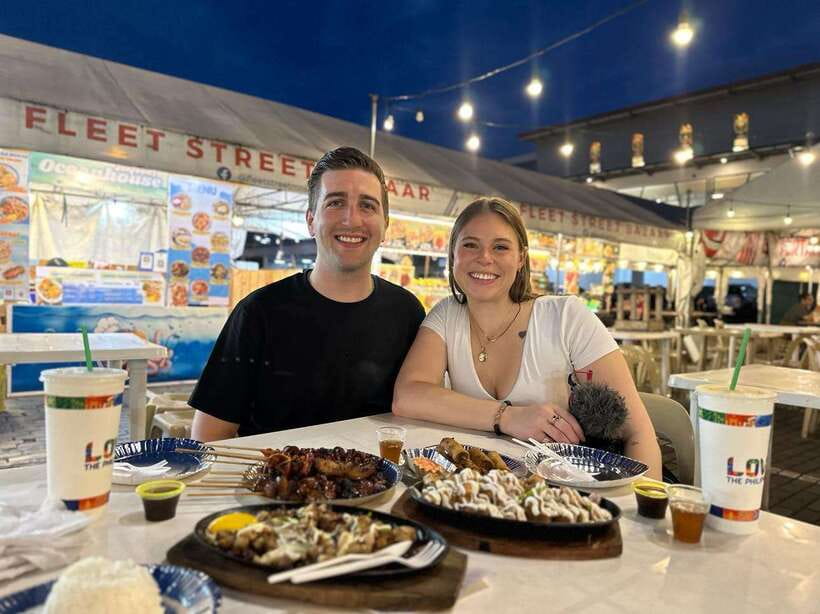
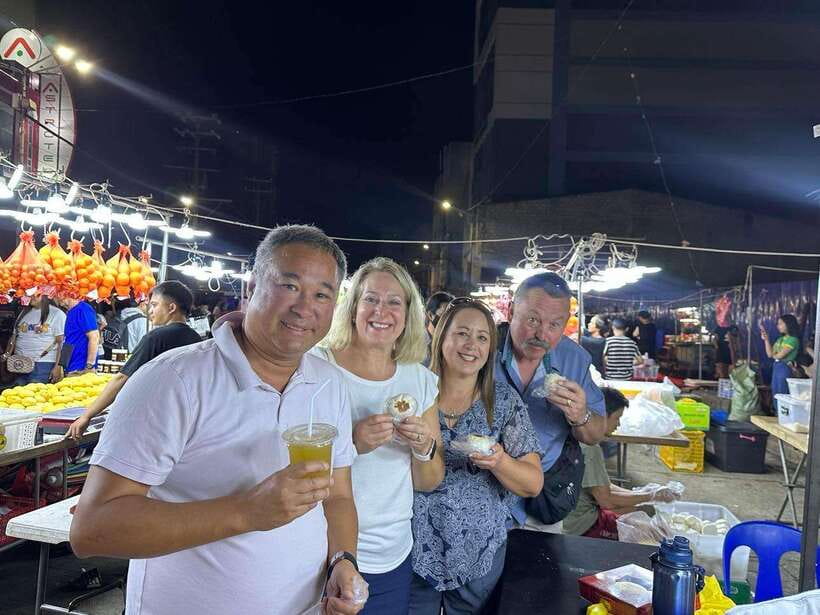
Most tours like this start strong, but this one starts loud in a good way. You meet near the Bonifacio Monument at Tutuban Center Mall, then head into Tutuban Night Market for the first chunk of your tastings.
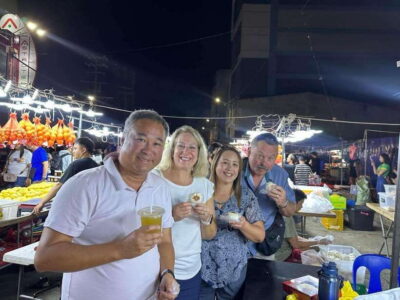
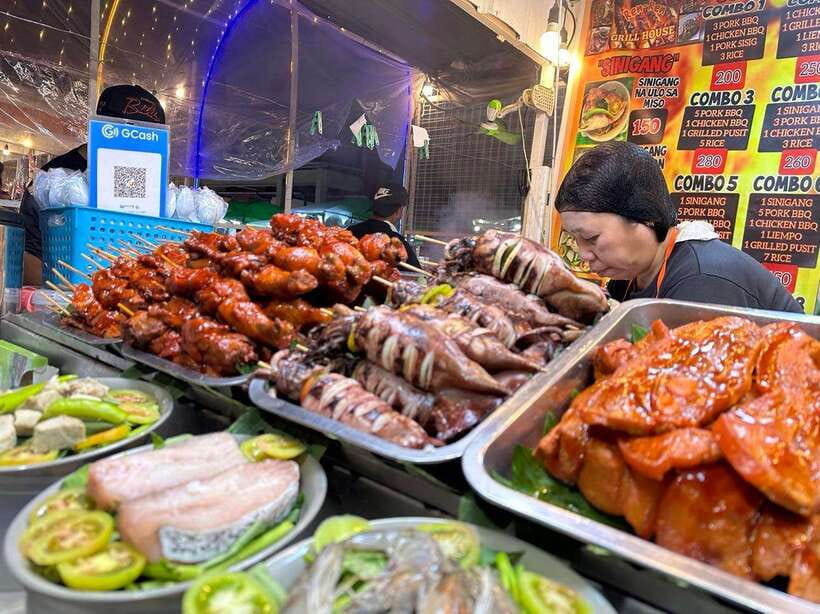
Tutuban Night Market is where you get the Manila street-food atmosphere fast. The guide helps you sample quick bites while you build a basic sense of what different stalls are selling. Expect classic items such as isaw (grilled intestines), balut (duck embryo), and kwek-kwek (battered quail eggs). If you are curious, this is the stop where you learn how adventurous you want to be.
This is also one of the places where you’ll notice the group dynamic. The guide keeps you moving, but you still get time to look around and understand the flow. You are not just handed food, you get context for what you are eating and how people typically order.
One practical tip: come ready for strong smells and lots of foot traffic. If you hate crowds, you’ll still survive, but you may feel it more here than later in the walk.
Divisoria’s Ilaya Street: bargains, sweet stops, and ordering like locals
After Tutuban, the route shifts to Divisoria’s Ilaya Street, which is famous for dense stalls and everyday street commerce. Here, the tour turns from eating introductions into “how to actually buy street snacks.”
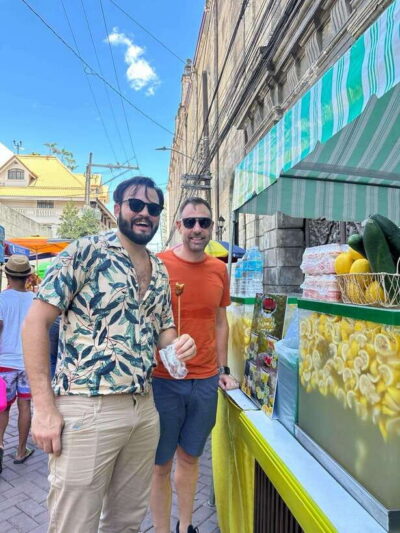
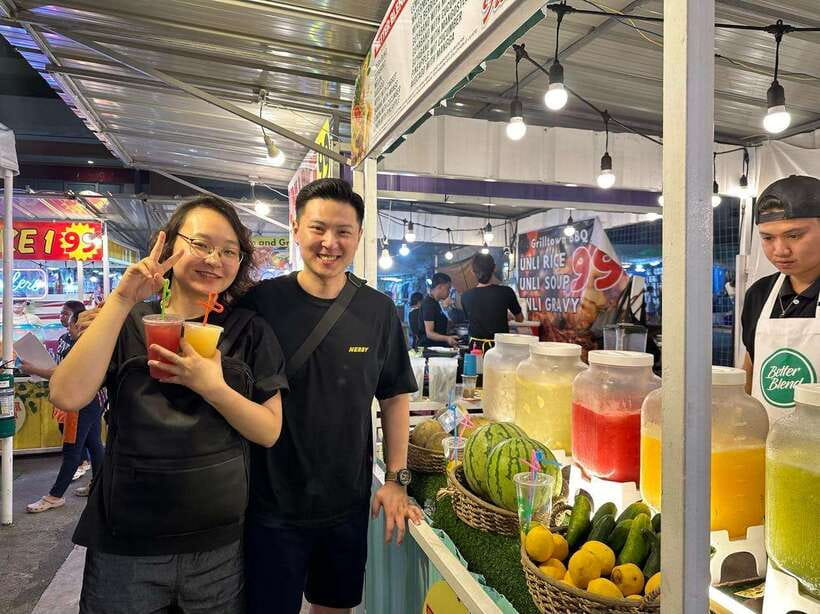
You’ll browse affordable goods and then get more chances to snack. Expect items like taho, which is silken tofu topped with syrup. You might also try fried banana cue, a classic sticky-sweet street favorite. This portion is valuable because it gives you variety, not just one type of food.
More importantly, this is where learning to order matters. If you’ve ever stood in front of a stall and felt like you were guessing, you’ll appreciate having a guide model the process. You get to ask for what you want, see how portion sizes are handled, and avoid the awkwardness of pointing without understanding.
A small drawback to be aware of: this area can be hectic. Even with a guide, you’ll move through crowds. If you need quiet moments, plan for the tour’s energy to be constant rather than relaxed.
Binondo Chinatown: siopao and dumplings in a Chinese-Filipino flavor lane
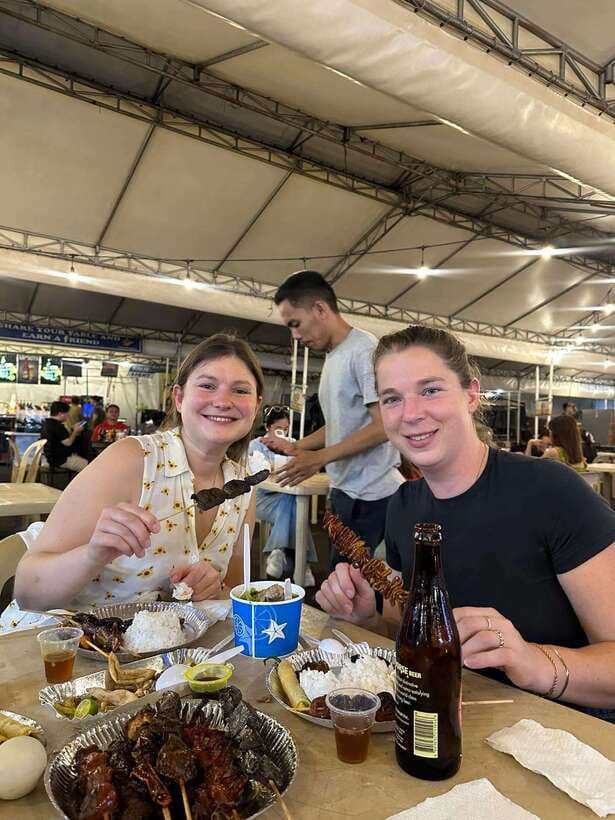
Next comes Binondo, Chinatown, one of the most popular food areas in Manila. For this part of the night, you’re mostly chasing Chinese-Filipino classics, and the guide helps you find the right stalls for what you want to try.
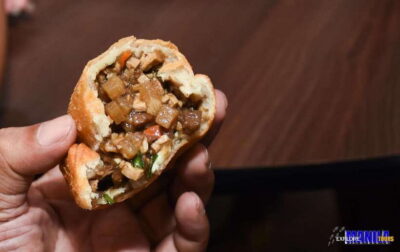
The food highlights here include siopao (steamed buns) and dumplings. This stop is a nice change of pace from the more edgy street-grill snacks earlier. You can get a fuller, more comforting bite, and you’ll also feel how the neighborhood’s food culture shapes the whole menu.
There’s another reason this stop works on a two-hour tour. You get variety across one night: grilled items and egg snacks at Tutuban, sweet and fried snacks at Ilaya Street, and then warm, dough-and-filling comfort in Chinatown. That makes the tasting experience feel complete even when time is short.
If you’re sensitive to heat or crowds, Chinatown can feel busy too. But it tends to slow down your palate compared to the earlier novelty foods. It is often the stop where people start saying, I actually want more of this.
Other Manila outings that kept coming up while we researched this one
Pasig Esplanade: river views and city lights to close the night
By the end, the tour shifts into a calmer mood at Pasig Esplanade. The payoff here is the view: riverside scenery and city lights, plus a final stroll to wind down after a night of eating and navigating markets.
This matters because it gives your body a break. Street-food evenings can turn into nonstop standing and chewing. Ending with a view helps you feel like you finished the experience, not just ran from stall to stall.
One detail to hold in your plan: the tour also lists Manila City Hall as the finish point. So, you may want to treat Pasig Esplanade as the visual and food cooldown, and City Hall as your practical endpoint.
What makes the guides matter, Floyd and Venus (plus Jenny sightings)
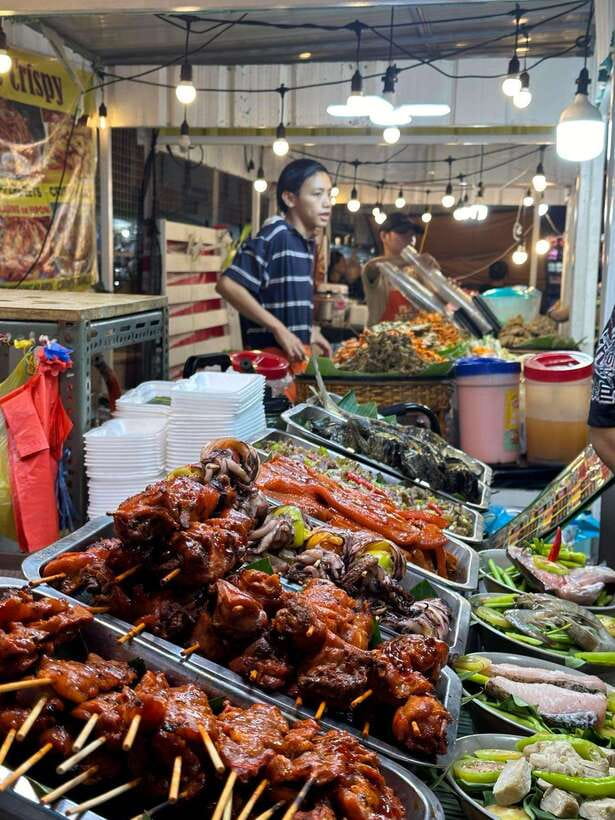
The guides are consistently a major reason this tour works. English-speaking hosts named Floyd and Venus lead the experience, and multiple reviews also mention a host named Jenny. The common thread is a friendly, confident approach that keeps you safe and moving.
I like how the guide role goes beyond food. You’re not just handed a menu. You learn how Manila street culture works in real life, including how people greet each other and how ordering usually plays out at the stall level. That helps you stop feeling like an outsider.
Reviews also point to something you can feel immediately on a good street-food tour: pacing. Even when your group is small, the guide keeps you engaged, helps you make choices without pressure, and answers questions without turning it into a lecture.
Transport also supports the guide’s job. You get either a tuktuk ride or jeepney between areas. That’s not just convenience. It keeps the tour within its two-hour limit without turning it into a long hike through traffic.
Food tasting reality check: what to expect and how to prepare
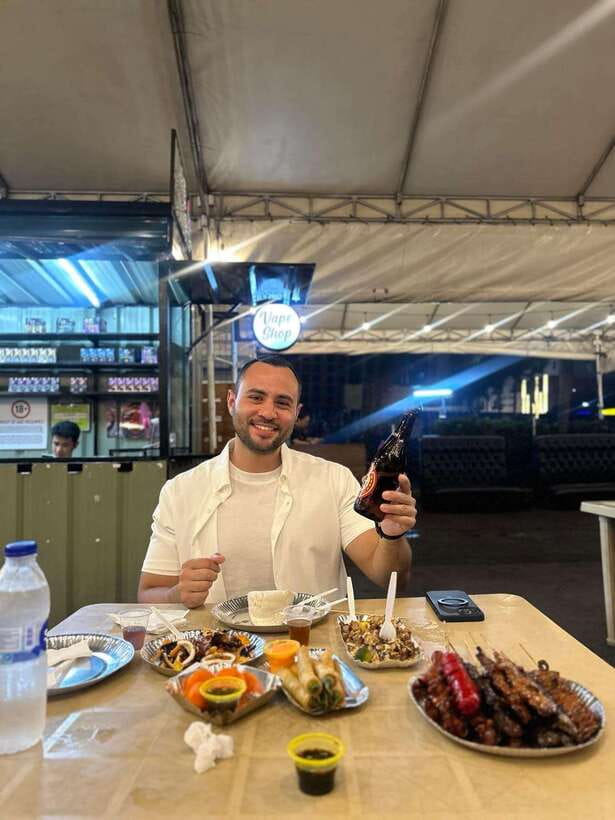
This is a food tasting tour, so you should expect sampling to be the main event. You will likely try several items across the route, including isaw, balut, kwek-kwek, taho, fried banana cue, siopao, and dumplings.
Here’s my practical take on the menu style. Some foods are a strong first impression, like balut. If you’ve never tried it, you should know it is not a mild snack. But the tour is set up so you can try a range, not just the hardest item first.
If you’re concerned about allergies, communicate it. The tour specifically asks you to let them know if you have allergies with food. That is the right time to mention it, before the night starts, so the guide can adjust what you sample.
If you’re very picky, be honest with yourself. This type of tour works best when you are open-minded and willing to trade comfort for curiosity. You do have structure, but you won’t get a full Western-style substitute menu because the point is street food culture.
Getting around and what to wear for a night market walk
Even with transport between areas, this is a walking tour. That means you’ll want shoes you can stand in for two hours. Street markets also mean uneven ground and crowded sidewalks, so grip matters more than fashion.
Bring a few basics:
- a small amount of cash you’re comfortable spending if you want extras
- water or something to sip if you can
- a phone ready for the included photography moments
If you get motion sickness easily, tell your guide early. You’ll likely take at least one tuktuk ride or jeepney segment, and that can be more than a short hop depending on traffic.
Who this tour is best for (and who should skip it)
This tour is a great fit if you:
- want Manila street food without spending hours researching stalls
- enjoy trying new foods and learning how to order on the street
- like a guided night walk that hits Tutuban, Divisoria, Binondo, and Pasig Esplanade in one go
- are traveling solo and want a comfortable, guided way to explore
It may be a poor fit if you:
- have severe allergies or very strict dietary restrictions and aren’t comfortable adjusting during tastings
- dislike crowds and noise, especially in the market and Divisoria areas
- refuse to try unfamiliar foods, because a lot of the fun here is the surprise factor
Price versus time versus hassle
If you only have a short window in Manila, the $68 price starts to make sense because it saves you decision fatigue. Instead of trying to map four neighborhoods alone, you follow a route, eat along the way, and finish with views. That’s a practical deal, not just a fun label.
Should you book Manila Street Food and Night Market Tour?
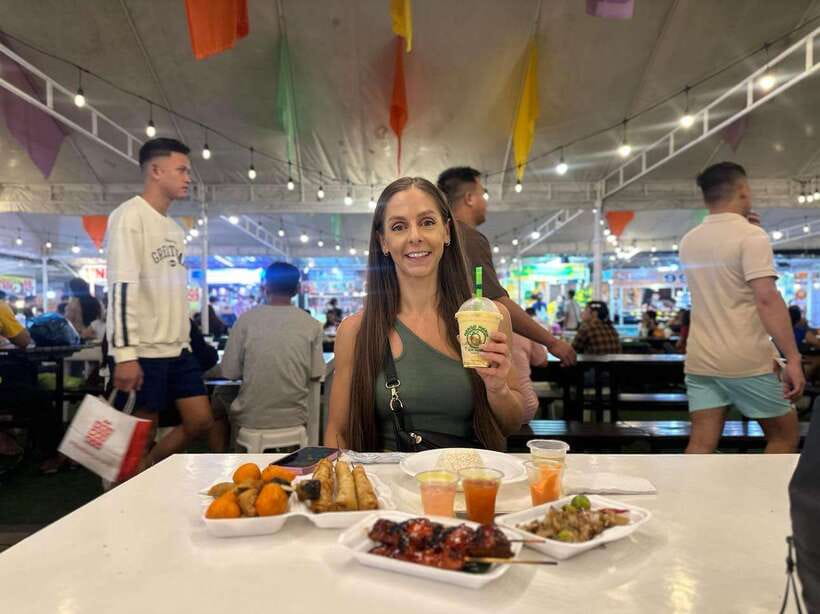
I recommend booking it if you want a night that feels like Manila, not a checklist. The big strengths are the street-food tastings, the guide help with ordering like a local, and the sensible pacing for a two-hour window. The Pasig Esplanade ending is also a smart touch, because it gives your brain a breather after the markets.
Skip it or think twice if your food rules are tight, or if trying foods like balut makes you instantly uncomfortable. This tour shines when you’re curious and willing to roll with the noise, smells, and crowd energy.
FAQ
How long is the Manila Street Food and Night Market Tour?
The tour lasts about 2 hours.
Where do I meet the guide?
You meet at the Bonifacio Monument, Tutuban Center Mall.
Who will guide the tour, and what language is used?
The tour includes an English-speaking guide, listed as Floyd or Venus.
What food will I try during the tour?
You can expect tasting of street foods such as isaw, balut, kwek-kwek, taho, fried banana cue, siopao, and dumplings.
Is this a walking tour?
Yes, it’s a walking tour and food tasting. Comfortable walking shoes help.
What transport is included between stops?
The tour includes a tuktuk ride or jeepney to move between areas.
Can I join if I have food allergies?
You should let the tour know about any food allergies before the tour so adjustments can be considered.
How much does it cost and can I change plans?
It costs $68 per person. You can reserve now & pay later, and you can cancel up to 24 hours in advance for a full refund.
More Tours in Manila
- Intramuros, Manila: Historical Bamboo Bike Tour★ 4.8 · 583 reviews
- Manila: Intramuros, Chinatown, and Old Manila Half-Day Tour★ 4.8 · 475 reviews
- Manila: Old & New 4-Hour City Tour★ 4.5 · 458 reviews
- Manila Food Tour: Introduction to Philippine Street Food★ 5.0 · 417 reviews
More Tour Reviews in Manila
- Intramuros, Manila: Historical Bamboo Bike Tour★ 4.8 · 583 reviews
- Experience Intramuros with Bamboo Bicycle – Ecotours★ 5.0 · 508 reviews
- Manila: Intramuros, Chinatown, and Old Manila Half-Day Tour★ 4.8 · 475 reviews
- Manila: Old & New 4-Hour City Tour★ 4.5 · 458 reviews
Manila by the Plate
- Manila: Intramuros, Chinatown, and Old Manila Half-Day Tour★ 4.8 · 475 reviews
- Manila Food Tour: Introduction to Philippine Street Food★ 5.0 · 417 reviews
- Manila Food Tour: Explore World’s Oldest Chinatown★ 5.0 · 158 reviews
- Manila: Street Food and Drinks Walking Tour with Tastings★ 4.8 · 114 reviews
More of Manila, reviewed
- Private Departure Airport Transfer in Manila Bay and Makati Area
★ 5.0 · 3 reviews - Embark on a 7-Day Banaue-Sagada Adventure of a Lifetime
★ 5.0 · 3 reviews - From Manila: Philippines Private Tour Guide
★ 4.1 · 3 reviews - Unforgettable Manila Fishing Village Day Excursion 2024
★ 5.0 · 4 reviews - Tagaytay + Hidden Valley Springs: A Scenic Escape w/ Transfers
★ 4.0 · 4 reviews
Manila Food and Chinatown Tours, start to finish.
 ★ 4.8Manila: Intramuros, Chinatown, and Old Manila Half-Day TourFrom $68475 reviews
 ★ 5.0Manila Food Tour: Introduction to Philippine Street FoodFrom $60417 reviews
 ★ 4.5Private Cebu & Lapu-Lapu City Tour with Uphill Spots & Lunch at House of LechonFrom $75168 reviews
 ★ 5.0Manila Food Tour: Explore World’s Oldest ChinatownFrom $60158 reviews
 ★ 4.8Manila: Street Food and Drinks Walking Tour with TastingsFrom $68114 reviews
 ★ 4.5The Original Cebu City Historical and Food Walking TourFrom $6981 reviews
 ★ 5.0Manila Filipino Cooking Class: Meryenda FavoritesFrom $6080 reviews
 ★ 4.7Manila: Sightseeing and Food Walking Tour with TastingsFrom $5868 reviews
Where this one shows up