
REVIEW · MANILA
Manila Chinatown Hidden Gems with Venus
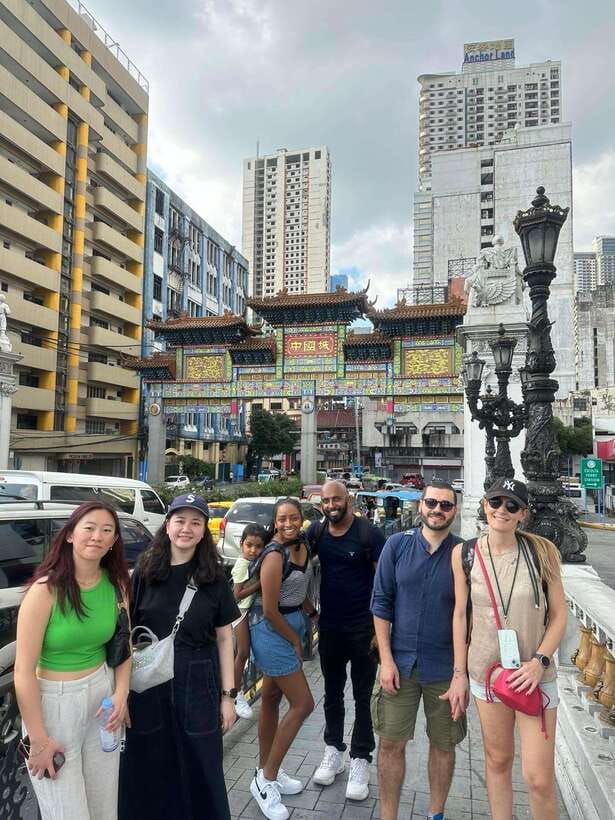
Binondo moves fast, and that’s the point. This 2-hour walk with Venus in Manila’s Chinatown (Binondo) mixes landmarks and street food in a way that’s hard to copy on your own. You start at the old heart of the district and then head into the lanes where everyday life, religion, and shopping all overlap.
I especially like the context Venus gives you, including how Binondo formed and what daily life looks like in the surrounding communities. I also love the practical food route, with stops tied to well-known places like Eng Bee Tin and Dong Bei Dumplings, plus sampling classics such as dim sum, hopia, and hand-pulled noodles.
One consideration: this tour is fast-paced. If you’re the type who likes to linger and take your time, you may need to keep close to the group and pay attention as you hop from one area to the next.
In This Review
- Key highlights you should care about
- Why Binondo feels like a living crossroads
- Entering Binondo Church, built in 1596
- Ongpin Street: herbs, treats, and the everyday shopping loop
- Food stops that teach you what to order
- Seng Guan Temple: the faith side of Chinatown
- Getting around with jeepneys, tricycles, and tuk tuk
- Venus as a guide: why the stories matter
- Price and logistics: what $65 buys you in two hours
- Who should book this and who should skip it
- Should you book the Manila Chinatown with Venus?
- FAQ
- How long is the tour?
- What does the tour cost?
- Where does the tour meet?
- What is included in the experience?
- What language is the guide?
- Is the group small?
- Can I cancel and get a refund?
Key highlights you should care about
- Start at Binondo Church (dating to 1596), a natural anchor for understanding the district
- Ongpin Street herbal and food shops, where you’ll see what locals actually buy
- Temple visit at Seng Guan Temple, for the religious practices and architecture
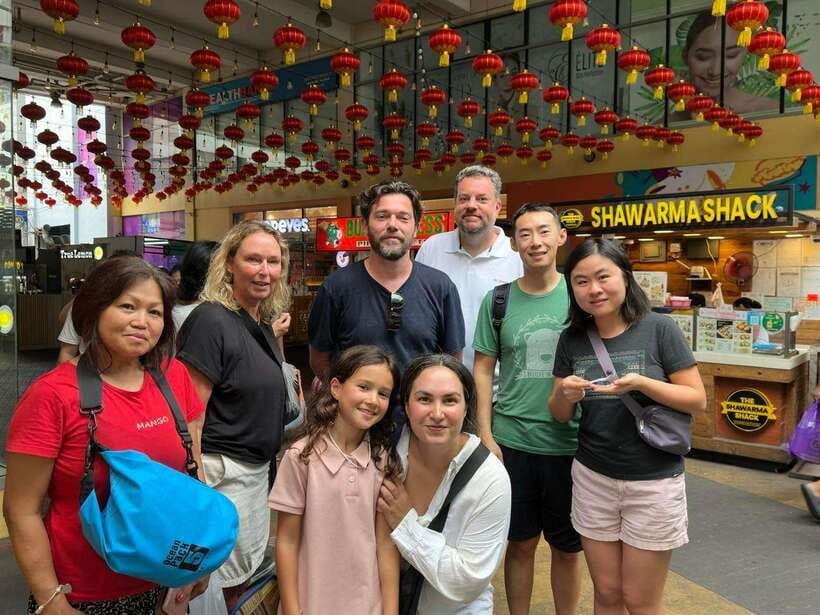
- Food tastings focused on dim sum, hopia, and hand-pulled noodles
- Public transport rides including jeepneys, electric tricycle, and tuk tuk
- Small group feel led in English by Venus, with lots of room for questions
Still hungry? More Manila eating
- Manila: Intramuros, Chinatown, and Old Manila Half-Day Tour★ 4.8 · 475 reviews
- Manila Food Tour: Introduction to Philippine Street Food★ 5.0 · 417 reviews
- Manila Food Tour: Explore World’s Oldest Chinatown★ 5.0 · 158 reviews
- Manila: Street Food and Drinks Walking Tour with Tastings★ 4.8 · 114 reviews
Why Binondo feels like a living crossroads
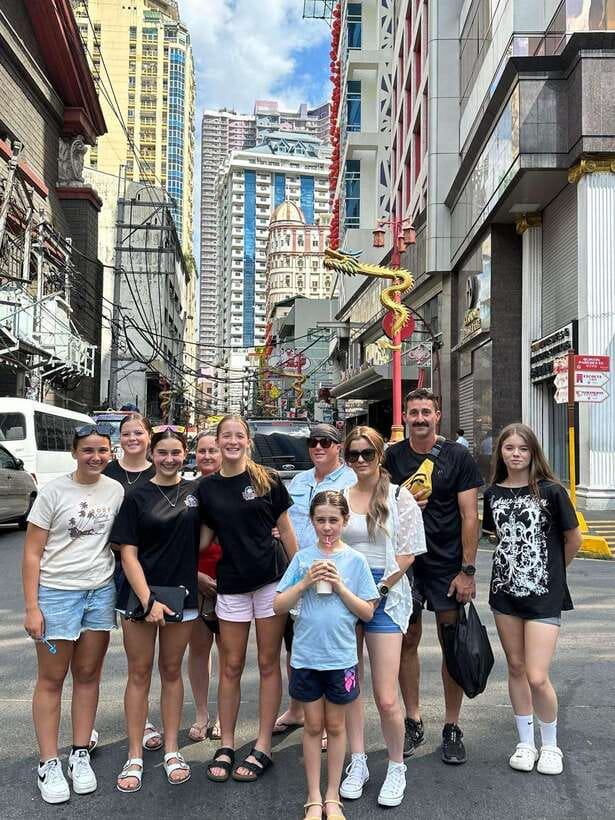
Manila’s Chinatown, known as Binondo, is not just a place to snack. It’s where Chinese and Filipino culture rub shoulders in the real world, on the same streets, with the same traffic patterns, and the same mix of old and new.
What makes this tour work is the balance between story and motion. You’ll spend time at major landmarks, but you’ll also move through the smaller streets where you can spot daily habits, shop styles, and the kinds of goods people carry home.
Venus guides the experience in a way that helps you connect dots fast. Instead of treating Chinatown like a museum, she frames it as a neighborhood with lived-in routines, including the tougher parts of the area too.
Entering Binondo Church, built in 1596
Most Chinatown tours rush past the big buildings. This one starts at the Binondo Church, dating to 1596, so you get a reference point early on.
That matters because the neighborhood’s layout makes more sense once you have a landmark in your head. You can look at side streets and think, Okay, this is how the district grew around key locations.
The church stop also sets a respectful tone for the rest of the tour. You’re not just chasing photos. You’re learning how people have organized worship and community life in this area over a long time.
Ongpin Street: herbs, treats, and the everyday shopping loop
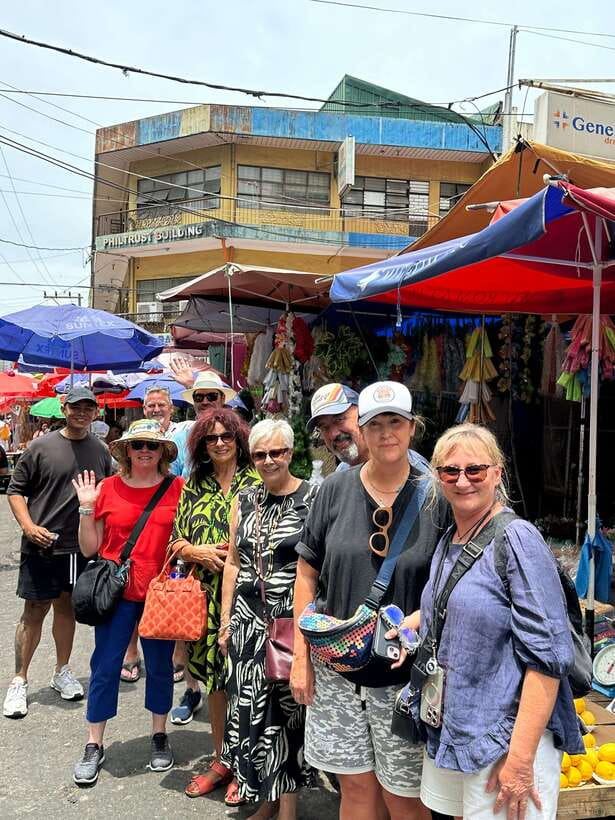
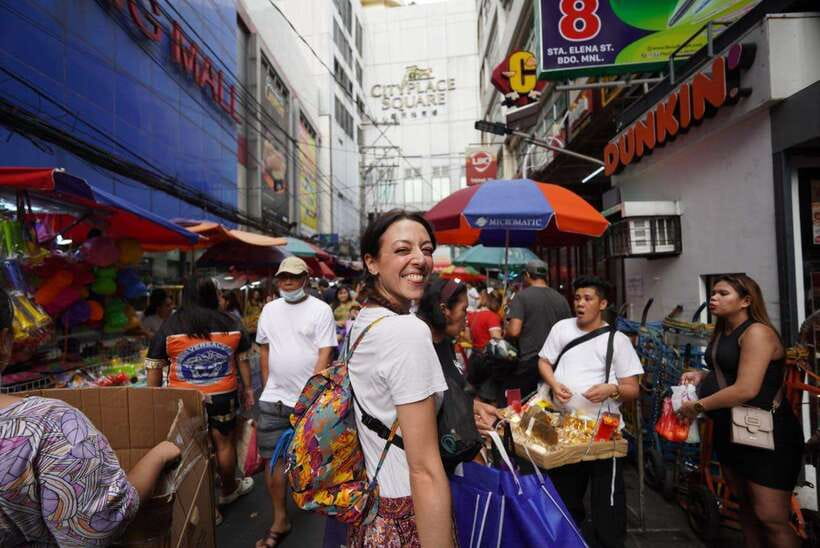
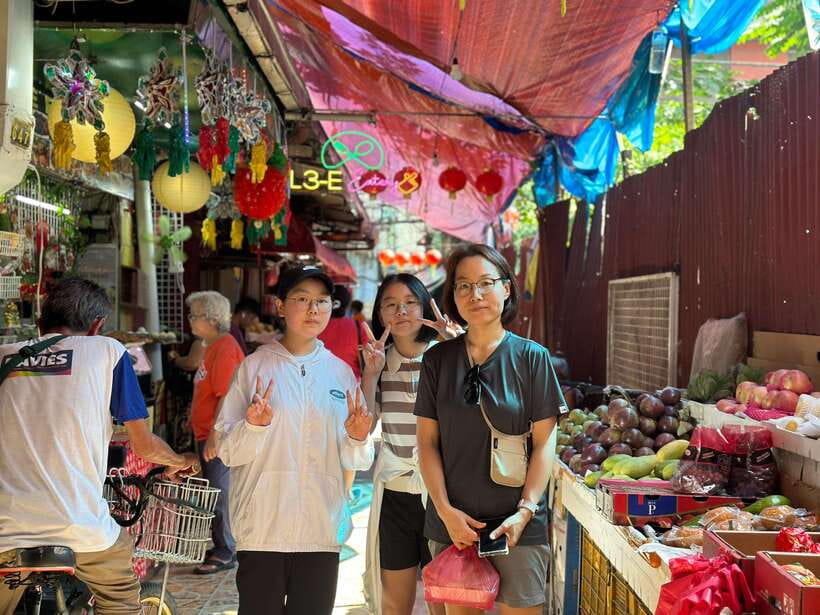
After the church, you head to Ongpin Street, where storefronts spill into the sidewalk and the shopping focus is obvious. This is the street where you’ll see shops selling Chinese herbs, delicacies, and small items that feel tied to tradition rather than tourist souvenirs.
This is one of the best parts of the tour for people who like to understand local choices. You can watch what goods are displayed, how they’re presented, and how the shops differ from one another even when they’re only a few doors apart.
Venus also helps you read the scene without getting overwhelmed. The streets can feel like sensory overload on your first visit, so having a guide who knows which corners to prioritize makes the walk smoother and safer.
Food stops that teach you what to order
The tour’s center of gravity is food, and it’s not random. You’ll sample Chinese favorites and you’ll learn what to look for, including dim sum, hopia, and hand-pulled noodles.
Two named spots stand out in the experience. Eng Bee Tin is part of the plan, and Dong Bei Dumplings is another major stop. Those choices help you taste the kinds of dishes that have earned loyal followings, not just the ones that happen to be near a hotel.
You should also expect a mix of flavors: sweet, savory, and spicy Chinese dishes show up as part of the tasting plan. That combo is a good way to understand Chinatown food beyond one single style.
A practical tip: if you’re sensitive to spice, pace yourself. In a tour like this, you’re tasting through multiple moments close together, so you’ll want to manage your heat tolerance and not rush through everything at once.
Seng Guan Temple: the faith side of Chinatown
Food is only one chapter here. The tour also visits Seng Guan Temple, which gives you a look at local religious practices and the kind of detailed architecture you tend to miss when you’re walking without a plan.
This stop matters because it balances what you’re seeing. Markets and shops can create the impression that the area is only about commerce, but temples show you how deeply community life is structured around faith and ritual.
You’ll also get a better feel for why certain streets and businesses cluster where they do. People do not build neighborhoods randomly. Religious and social centers shape the flow of everyday movement.
Getting around with jeepneys, tricycles, and tuk tuk
One reason I think this tour delivers value is transportation is built in. You’re not just walking in place for two hours and calling it a day.
You’ll ride jeepneys, an electric tricycle, and a tuk tuk during the experience. That’s a meaningful part of understanding Manila, because public transport is part of how the city functions, not a side show.
The reviews point out two key things here: the rides feel genuinely fun, and Venus helps you feel safe as you move through busy areas. If you’ve never used these modes of transport before, this is a smarter way to try them than figuring it out alone while also looking for the right street.
The tradeoff is attention. Since you’re moving quickly and switching transport and streets, you’ll need to stay alert and keep close, especially if you’re the type who likes to stop and stare for long stretches.
Venus as a guide: why the stories matter
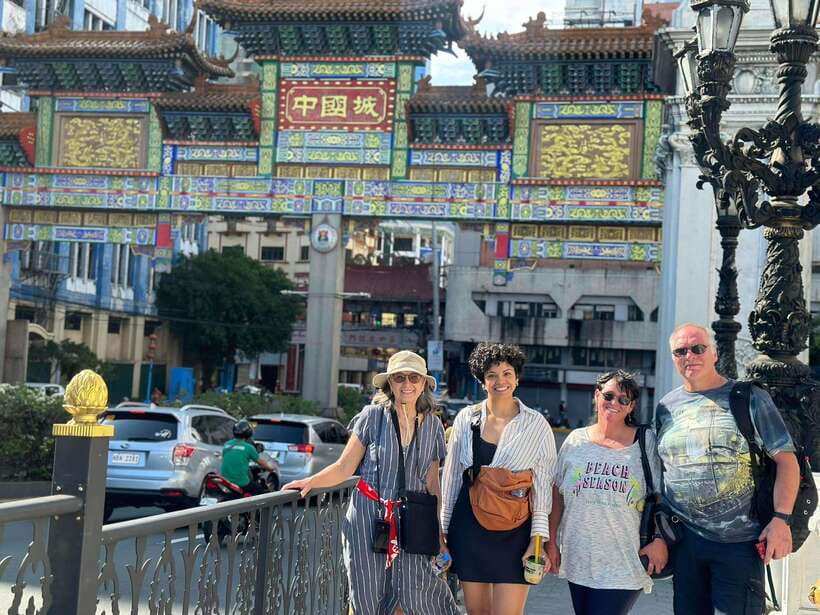
Venus is the reason the tour goes beyond a checklist. She’s friendly, and she creates an easy space for questions, including questions about what you’re seeing and how it connects to the district’s past and present.
What I value most is the way she ties the walk to daily life, including context about the areas around the neighborhood and how people live their day-to-day. It gives you a more honest view of Chinatown than a purely food-focused approach.
You’ll also get historical background on how Binondo came to be, which helps you understand why the neighborhood feels the way it does today. Old buildings and temples make more sense when someone explains what they represented to the community at different points in time.
And after the tour, Venus shares practical recommendations, including a list of restaurant and bar suggestions. That’s useful because it gives you a next step while you’re still in the area.
Price and logistics: what $65 buys you in two hours
At $65 per person for a 2-hour tour, the big question is value. The answer here is that this price is not just for walking and talking. It includes a local guide, bottle water, and local transportation.
When transportation is included, it changes the math. DIY Chinatown exploring can cost you more in time and confusion, especially if you end up paying multiple rides without a clear route.
Also, the group size is small. The experience is limited to 1 participant, which is rare and helps keep the pacing flexible while still staying structured. Even if you’re traveling solo, this can feel less like a crowded group tour and more like a guided route made for you.
Time-wise, the two hours are tight on purpose. You’ll cover key spots, plus food stops, plus temple time, plus transport. That means you won’t get unlimited wandering time, so come ready to move.
Who should book this and who should skip it
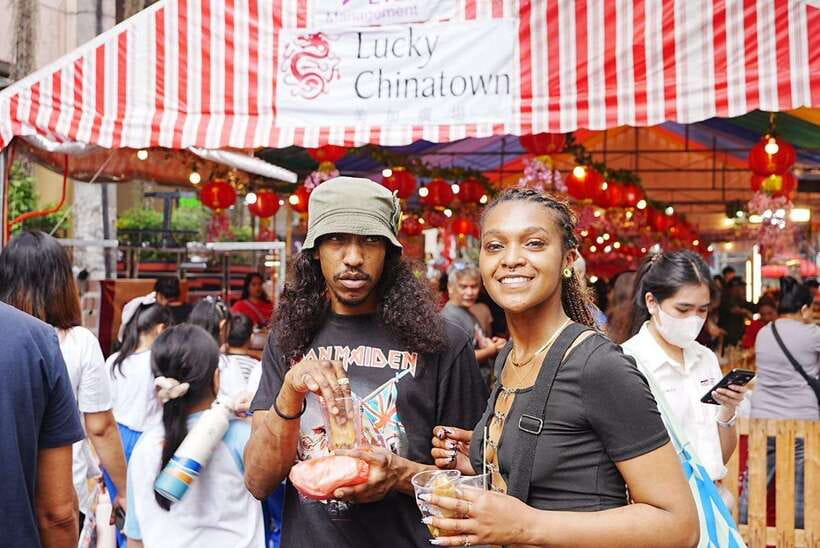
This tour is a great fit if you want a guided Chinatown experience that hits the main points quickly, without losing the human side. You’ll enjoy it most if you like street food, enjoy learning how neighborhoods work, and you’re comfortable with a fast pace.
It’s also a good choice if you’re new to Manila transport. Riding jeepneys, electric tricycle, and tuk tuk with a guide takes away some of the stress.
The only group I’d caution is slow-paced travelers who need long pauses to soak everything in. One downside you should plan for is speed. Venus zips through streets expertly, but you still need to keep up and stay aware.
Should you book the Manila Chinatown with Venus?
If you want Binondo to feel like a real neighborhood, not a quick photo stop, I’d book it. The strongest reasons are Venus’s on-the-street guidance, the food route with recognized stops, and the fact that transportation is part of the experience, not an afterthought.
Go for it if you’re hungry for dim sum, hopia, and noodle flavors, and if you want context behind the landmarks like Binondo Church and Seng Guan Temple. Skip it only if your travel style is slow and you really need lots of unstructured time and lingering.
If you want the best results, set your expectations for a concentrated two-hour route. Show up ready to walk, taste, and move, and you’ll get a lot out of it.
FAQ
How long is the tour?
The tour runs for 2 hours.
What does the tour cost?
The price is $65 per person.
Where does the tour meet?
The meeting point is Tutuban Center Mall, Bonifacio Monument. Ask mall security where to find it.
What is included in the experience?
It includes a local guide, bottle water, and experience local transportation.
What language is the guide?
The live tour guide speaks English.
Is the group small?
Yes. The tour is a small group and is limited to 1 participant.
Can I cancel and get a refund?
Yes. Free cancellation is available up to 24 hours in advance for a full refund.
More Tour Reviews in Manila
- Intramuros, Manila: Historical Bamboo Bike Tour★ 4.8 · 583 reviews
- Experience Intramuros with Bamboo Bicycle – Ecotours★ 5.0 · 508 reviews
- Manila: Intramuros, Chinatown, and Old Manila Half-Day Tour★ 4.8 · 475 reviews
- Manila: Old & New 4-Hour City Tour★ 4.5 · 458 reviews
Manila by the Plate
- Manila: Intramuros, Chinatown, and Old Manila Half-Day Tour★ 4.8 · 475 reviews
- Manila Food Tour: Introduction to Philippine Street Food★ 5.0 · 417 reviews
- Manila Food Tour: Explore World’s Oldest Chinatown★ 5.0 · 158 reviews
- Manila: Street Food and Drinks Walking Tour with Tastings★ 4.8 · 114 reviews
More of Manila, reviewed
- Private Departure Airport Transfer in Manila Bay and Makati Area
★ 5.0 · 3 reviews - Embark on a 7-Day Banaue-Sagada Adventure of a Lifetime
★ 5.0 · 3 reviews - From Manila: Philippines Private Tour Guide
★ 4.1 · 3 reviews - Unforgettable Manila Fishing Village Day Excursion 2024
★ 5.0 · 4 reviews - Tagaytay + Hidden Valley Springs: A Scenic Escape w/ Transfers
★ 4.0 · 4 reviews
Manila Food and Chinatown Tours, start to finish.
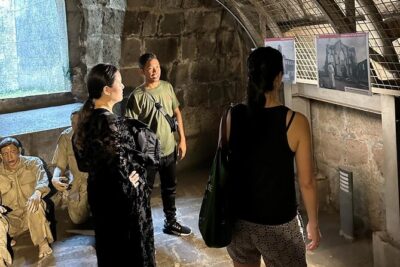 ★ 4.8Manila: Intramuros, Chinatown, and Old Manila Half-Day TourFrom $68475 reviews
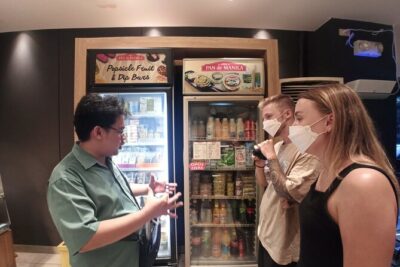 ★ 5.0Manila Food Tour: Introduction to Philippine Street FoodFrom $60417 reviews
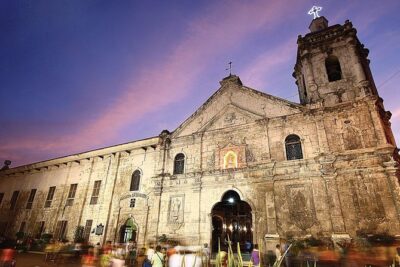 ★ 4.5Private Cebu & Lapu-Lapu City Tour with Uphill Spots & Lunch at House of LechonFrom $75168 reviews
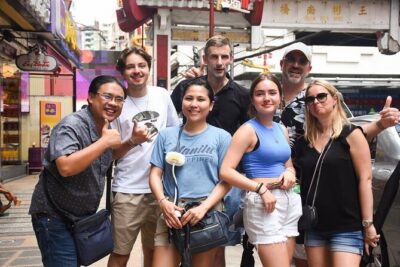 ★ 5.0Manila Food Tour: Explore World’s Oldest ChinatownFrom $60158 reviews
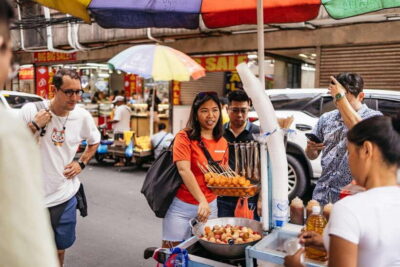 ★ 4.8Manila: Street Food and Drinks Walking Tour with TastingsFrom $68114 reviews
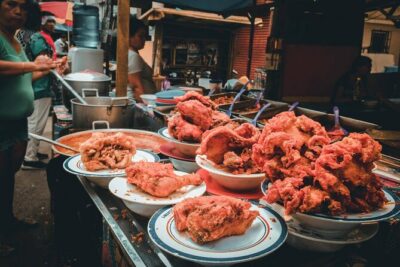 ★ 4.5The Original Cebu City Historical and Food Walking TourFrom $6981 reviews
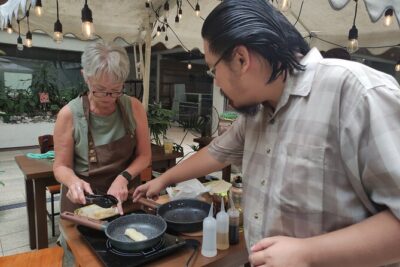 ★ 5.0Manila Filipino Cooking Class: Meryenda FavoritesFrom $6080 reviews
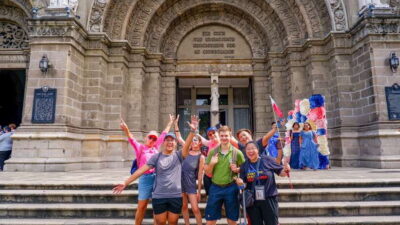 ★ 4.7Manila: Sightseeing and Food Walking Tour with TastingsFrom $5868 reviews
Where this one shows up