
REVIEW · MANILA
Manila: Intramuros Myths and Nights Tour
Intramuros gets a lot scarier after dark. This Myths and Nights tour pairs Philippine folklore with the places that shaped the nation, from Plaza Moriones to Jose Rizal’s cell, with Jerome guiding you through stories many of you heard as kids, now explained in a historical frame. I love the way the tour treats myths as more than spooky entertainment, and connects them to the long struggle for independence.
Two things I really liked: first, the storytelling is equal parts funny and thoughtful, and it makes names like Aswang, Kapres, Tikbalang, Duwende, and white ladies feel real, not like random trivia. Second, the tour keeps pushing you to question what colonial powers wanted people to believe, especially around nationalism and faith. One possible drawback is that the content leans spooky and political, so if you want a straightforward facts-only history walk, this may feel too story-first.
In This Review
- Key highlights to look forward to
- Intramuros at night: why myths belong with history
- Starting at Plaza Moriones, acacia tree, and the Aswang stories
- Fort Santiago under the Balete tree: fear, folk spirits, and mindset control
- Jose Rizal’s chapel-cell and the weight of the agimat story
- Manila Cathedral and San Agustin: when Catholicism and local spirits collide
- Puerta del Parian: the night ends where uprisings begin to feel real
- Price and value: is $49 for 2 hours worth it?
- Who should book this tour
- Practical tips so your night run feels smooth
- Should you book the Intramuros Myths and Nights Tour?
- FAQ
- How long is the Intramuros Myths and Nights Tour?
- How much does it cost?
- Where does the tour start?
- What languages are the tours offered in?
- What should I bring?
- Is the tour wheelchair accessible?
- Is the tour suitable for very elderly participants?
- What’s included in the price?
Key highlights to look forward to
- Plaza Moriones myths tied to Aswang, Kapres, and other childhood creatures
- Fort Santiago under the Balete tree, including white ladies and duwendes
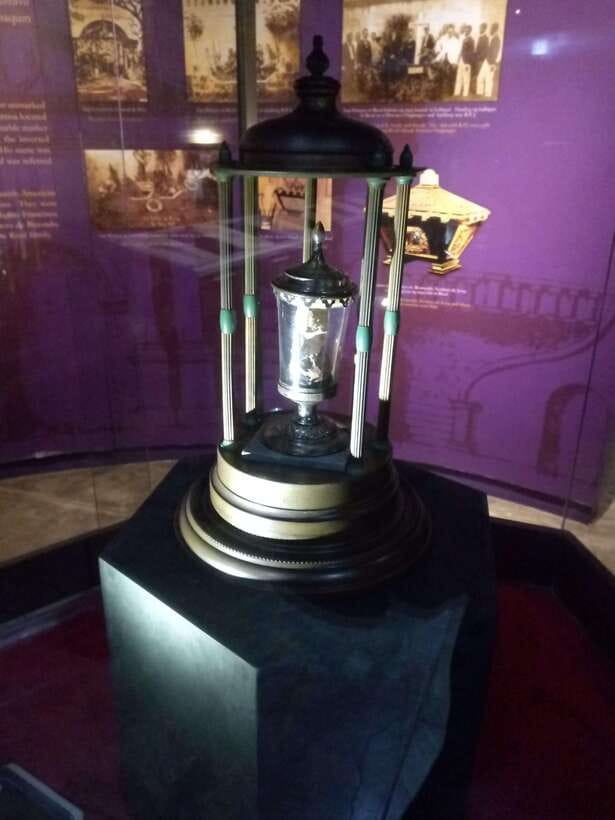
- Rizal’s chapel-cell and the dungeon story, focused on agimat and monasticism
- Manila Cathedral and San Agustin, where Catholic ideas blended and local spirits were re-framed
- Puerta del Parian ending, with the feel of uprisings and resistance
Other walks inside the old walls
- Intramuros, Manila: Historical Bamboo Bike Tour★ 4.8 · 583 reviews
- Manila: Intramuros, Chinatown, and Old Manila Half-Day Tour★ 4.8 · 475 reviews
- Manila: Guided Sunset Bamboo Bike Tour in Intramuros★ 4.8 · 119 reviews
- Viva Old Manila: Intramuros Walking Tour★ 4.9 · 104 reviews
Intramuros at night: why myths belong with history
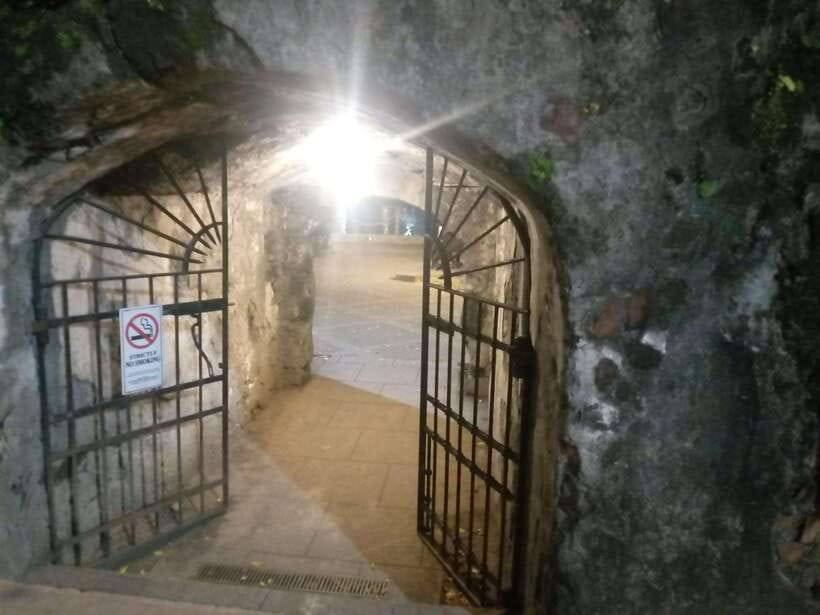
If you’ve only toured Intramuros in daylight, this night version is a different experience. The same stones and walls feel less like a museum and more like a stage where fear, faith, and power all played roles.
What makes this work is the focus on how stories are used. You’re not just hearing legends like Aswang or Kapres. You’re also learning how Spanish colonial authorities allegedly shaped horror tales to suppress nationalism, and how people were pushed to view conquerors as superior. It’s a strong reminder that propaganda rarely announces itself as propaganda.
Starting at Plaza Moriones, acacia tree, and the Aswang stories
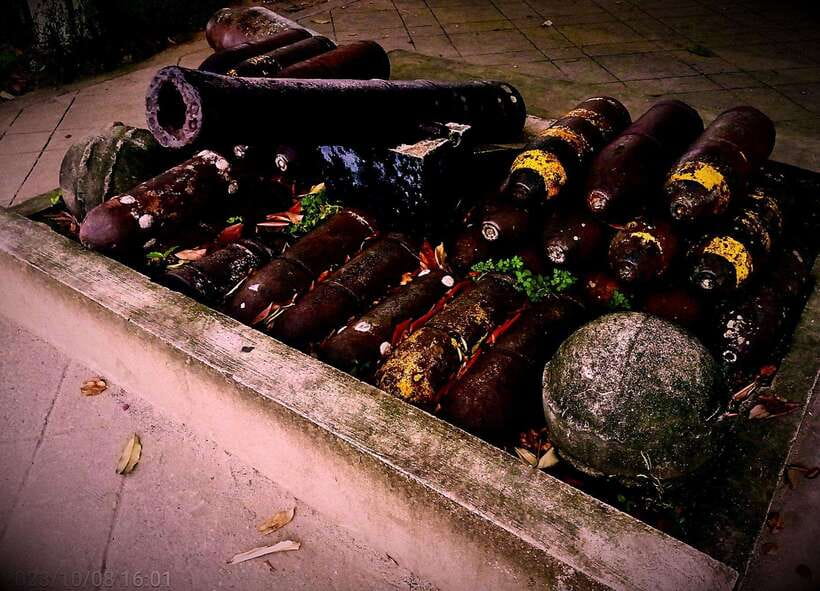
The tour starts at Plaza Moriones, and right away you’re in the right mindset: listen closely, because the night makes everything sound sharper. Beneath the acacia tree in the square, the guide walks you through Filipino mythology that many people grow up hearing, including Aswang and Kapres.
I like how the stories are framed to feel personal and cultural, not imported horror movie stuff. You get the sense that folklore can carry community memory, even when outsiders try to overwrite it. And because the guide is live and English or German speaking, you can ask questions and get answers in real time.
A small practical consideration: this stop is early, so if you’re sensitive to suspenseful storytelling, pace yourself. The tour builds mood step by step, not all at once.
Fort Santiago under the Balete tree: fear, folk spirits, and mindset control
Next comes Fort Santiago, one of the most recognizable Intramuros sites for its links to detention and history. The tour stops under the Balete tree and uses that setting to talk about legends like white ladies and duwende, along with other spirits that appear in childhood folklore.
This is where the tour does something clever: it connects superstition and storytelling to the way people were trained to interpret reality. The message is not that Filipinos were naïve. It’s that authorities could manipulate mindset, pushing narratives that put locals below their rulers. When the myths are explained like tools for meaning, they stop being childish and start feeling strategic.
If you’re the type who likes to know why people believed what they believed, this section will hold your attention. If you prefer strict chronology and dates, you might wish for more of that. But the tradeoff is a more human, lived feeling to history.
Jose Rizal’s chapel-cell and the weight of the agimat story
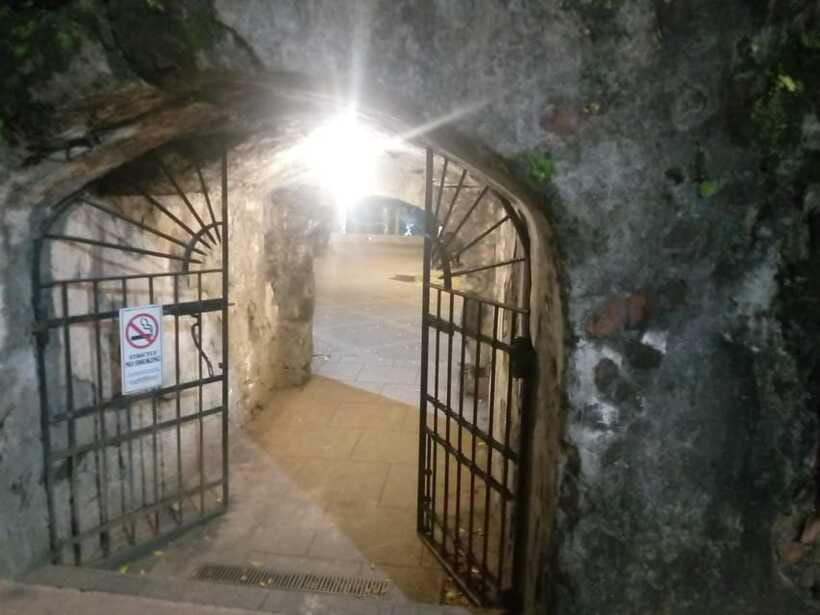
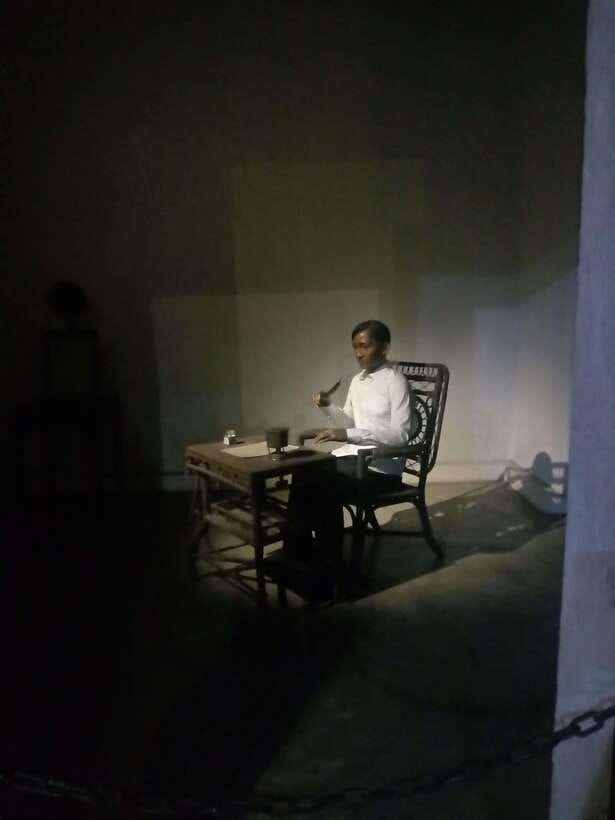
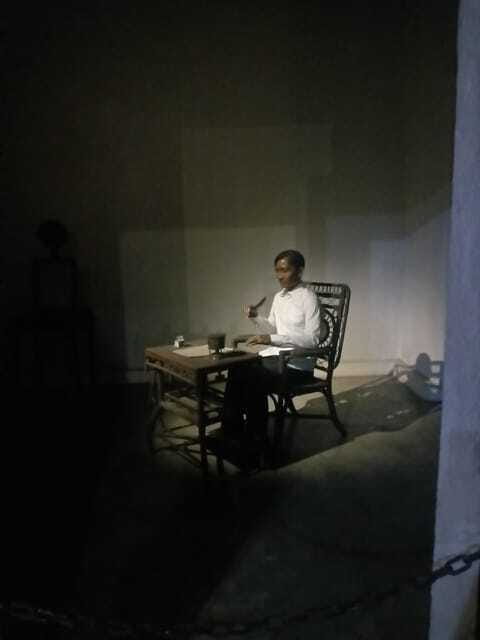
After Fort Santiago, the tour moves to the chapel-cell of Jose Rizal. This stop matters because Rizal represents a very specific kind of resistance: education, moral courage, and symbolism in action.
Here, the tour brings in stories about agimat and monasticism and how these ideas may have played a role in the independence struggle. The core takeaway is that spirituality and personal belief systems were not separate from politics. They often served as sources of strength, identity, and resolve.
Then comes the dungeons. You’re told not to fear the ghosts tied to the civilians who died there, but instead to fear something quieter, the idea that their memories could be buried in oblivion. That shift is what I’d call the tour’s emotional center. It turns folklore energy into a reminder about human cost.
One caution for you: the dungeon portion can feel heavy. Even if you’re excited by myths, you should be ready for a reflective mood.
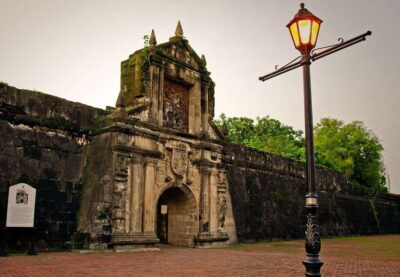

Manila Cathedral and San Agustin: when Catholicism and local spirits collide
The tour continues to Manila Cathedral and San Agustin, both major church landmarks inside the walled area. Rather than focusing only on architecture, the storytelling looks at how Catholicism merged with local religions.
You also hear the idea that supreme beings of the natives were reframed into demons of the conquerors. Whether you see this as religious transformation, forced interpretation, or a mix of both, it’s an important lens. It helps you understand why conversion and control often traveled together.
If you’ve ever wondered why belief systems overlap in the Philippines the way they do, this section gives you a reason. It’s not random syncretism. It’s the result of long, unequal encounters and cultural negotiation.
Puerta del Parian: the night ends where uprisings begin to feel real
The tour finishes at Puerta del Parian, and that ending matters. The stories land with a sense of forward motion, as if the old walls are not just reminders of the past but proof that resistance kept happening.
The guide’s emphasis here is on reviving the spirit of uprisings. Even if you don’t remember every myth name, you’ll probably remember the emotional arc: fear, manipulation, suffering, and then refusal to disappear.
Price and value: is $49 for 2 hours worth it?
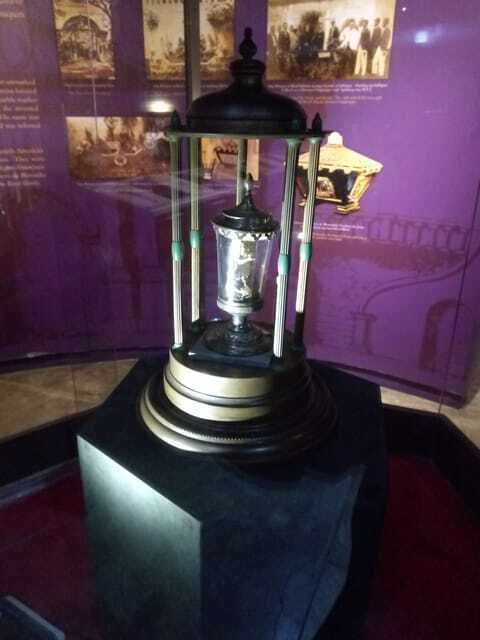
For $49 per person, you’re paying for a live guide, entrance fees, and a snack, plus the convenience of a separate entrance to help skip the line. The duration is 2 hours, which is a sweet spot for Intramuros at night. You get enough stops to connect themes, but not so long that the walk turns into a drag.
Where the value really shows is in the format. A standard history tour might tell you what happened. This one also tries to show you how people made sense of what happened, through folklore and fear. If you’re interested in the cultural side of history, that extra layer is worth something.
Also, the tour offers both day and night options, so you can match the mood to your schedule. Two hours also makes it easier to stack with other Intramuros plans without your evening getting too packed.
Who should book this tour
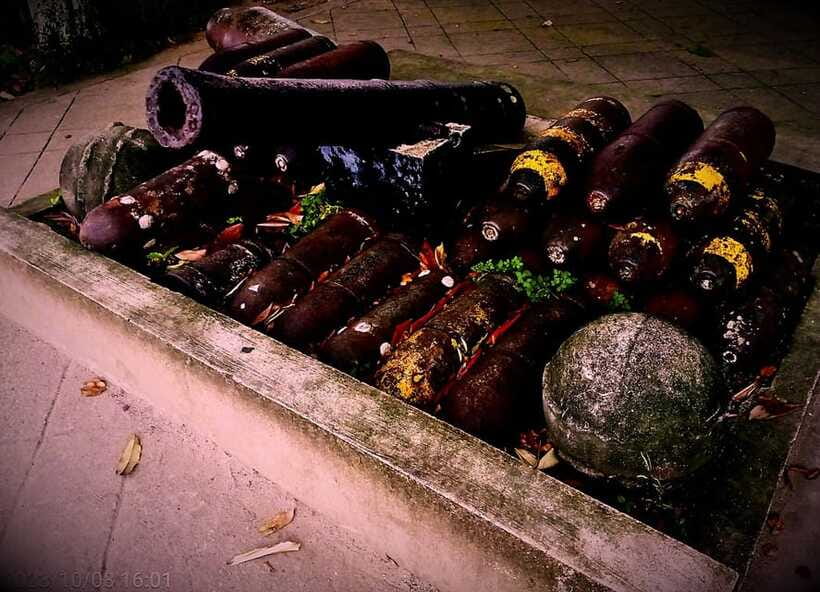
This is a great choice if you want Intramuros to feel like a story you can carry, not just a checklist of sites. You’ll enjoy it if you like myths such as Aswang, Kapres, Tikbalang, Duwende, and the idea of “white ladies” being part of how people talk about fear and power.
It’s also a good pick if you’re Filipino or have Filipino roots, especially if you think you already know the history but want a different lens. The tour’s biggest strength is the way it blends cultural memory with the political pressure stories were under.
On the other hand, I’d skip it if you want a purely academic walking lecture with lots of dates and military detail. This tour is story-led, then history-supported.
Practical tips so your night run feels smooth
A few small things can make this far more comfortable. Bring biodegradable insect repellent since you’ll be walking and stopping outside.
Wear shoes you can stand in for a couple of hours. Intramuros streets can be uneven, and at night your attention will be on the guide’s words, not where you put your feet.
If you’re sensitive to spooky mood and darker themes, treat this like a storytelling event with moments of reflection, not a casual stroll. The tour includes dungeons and the fate of civilians, so it gets serious.
Good news for mobility: it’s wheelchair accessible. Still, if you’re near the upper age limit, note that it’s not suitable for people over 95 years.
Language coverage is also helpful. The live guide is available in English and German, so you’re not stuck reading along in silence.
Should you book the Intramuros Myths and Nights Tour?
Yes, if you want your Intramuros time to feel personal, cultural, and slightly eerie in a smart way. This tour’s main value is the connection between folklore and power, plus the way the guide brings the myths to life while keeping the historical themes understandable.
Book it if you’re curious about how colonial authorities could shape what people feared and believed, and how local stories survived inside that pressure. Skip it only if you want a facts-only tour, or if you dislike the darker side of history and storytelling.
FAQ
How long is the Intramuros Myths and Nights Tour?
The tour lasts 2 hours.
How much does it cost?
It costs $49 per person.
Where does the tour start?
It departs from Plaza Moriones.
What languages are the tours offered in?
The live tour guide is available in English and German.
What should I bring?
Bring biodegradable insect repellent.
Is the tour wheelchair accessible?
Yes, the tour is wheelchair accessible.
Is the tour suitable for very elderly participants?
It is not suitable for people over 95 years old.
What’s included in the price?
Entrance fee, guide’s fee, and a snack are included.
More Tours in Manila
- Intramuros, Manila: Historical Bamboo Bike Tour★ 4.8 · 583 reviews
- Manila: Intramuros, Chinatown, and Old Manila Half-Day Tour★ 4.8 · 475 reviews
- Manila: Old & New 4-Hour City Tour★ 4.5 · 458 reviews
- Manila Food Tour: Introduction to Philippine Street Food★ 5.0 · 417 reviews
More Tour Reviews in Manila
- Intramuros, Manila: Historical Bamboo Bike Tour★ 4.8 · 583 reviews
- Experience Intramuros with Bamboo Bicycle – Ecotours★ 5.0 · 508 reviews
- Manila: Intramuros, Chinatown, and Old Manila Half-Day Tour★ 4.8 · 475 reviews
- Manila: Old & New 4-Hour City Tour★ 4.5 · 458 reviews
Inside the Old Walls
- Intramuros, Manila: Historical Bamboo Bike Tour★ 4.8 · 583 reviews
- Experience Intramuros with Bamboo Bicycle – Ecotours★ 5.0 · 508 reviews
- Manila: Intramuros, Chinatown, and Old Manila Half-Day Tour★ 4.8 · 475 reviews
- Manila: Guided Sunset Bamboo Bike Tour in Intramuros★ 4.8 · 119 reviews
More of Manila, reviewed
- Private Departure Airport Transfer in Manila Bay and Makati Area
★ 5.0 · 3 reviews - Embark on a 7-Day Banaue-Sagada Adventure of a Lifetime
★ 5.0 · 3 reviews - From Manila: Philippines Private Tour Guide
★ 4.1 · 3 reviews - Unforgettable Manila Fishing Village Day Excursion 2024
★ 5.0 · 4 reviews - Tagaytay + Hidden Valley Springs: A Scenic Escape w/ Transfers
★ 4.0 · 4 reviews
Intramuros and Old Manila Walking Tours, start to finish.
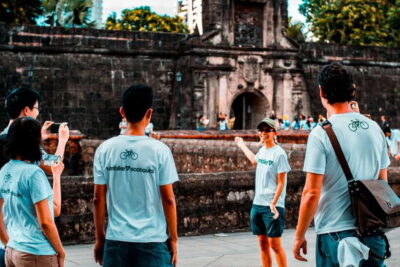 ★ 4.8Intramuros, Manila: Historical Bamboo Bike TourFrom $27583 reviews
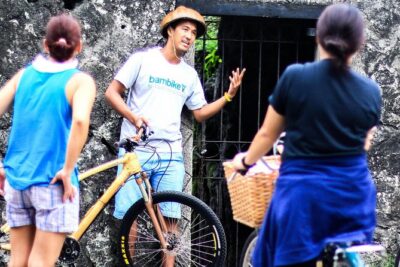 ★ 5.0Experience Intramuros with Bamboo Bicycle – EcotoursFrom $39508 reviews
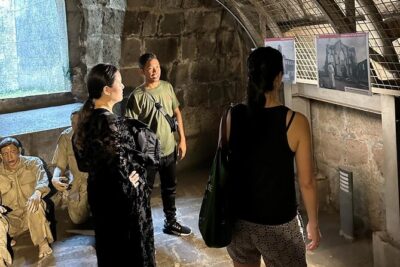 ★ 4.8Manila: Intramuros, Chinatown, and Old Manila Half-Day TourFrom $68475 reviews
 ★ 4.5Manila Old and New: Sightseeing Tour Including Intramuros and Fort SantiagoFrom $103377 reviews
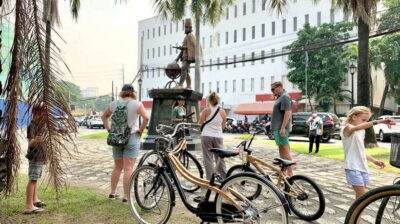 ★ 4.8Manila: Guided Sunset Bamboo Bike Tour in IntramurosFrom $40119 reviews
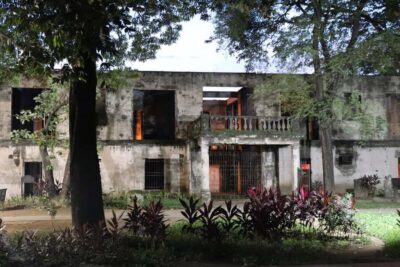 ★ 4.9Viva Old Manila: Intramuros Walking TourFrom $27104 reviews
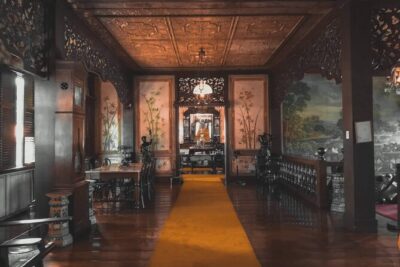 ★ 5.0Manila’s Walled City: Intramuros Walking TourFrom $3582 reviews
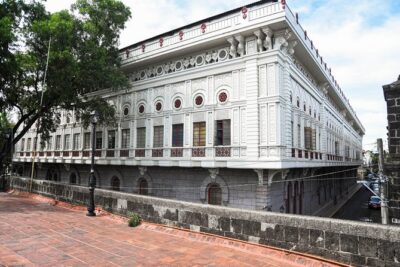 ★ 5.0Explore Intramuros: Introduction to Philippine HistoryFrom $5580 reviews
Where this one shows up