
REVIEW · MANILA
Revolutionary Tour of Manila
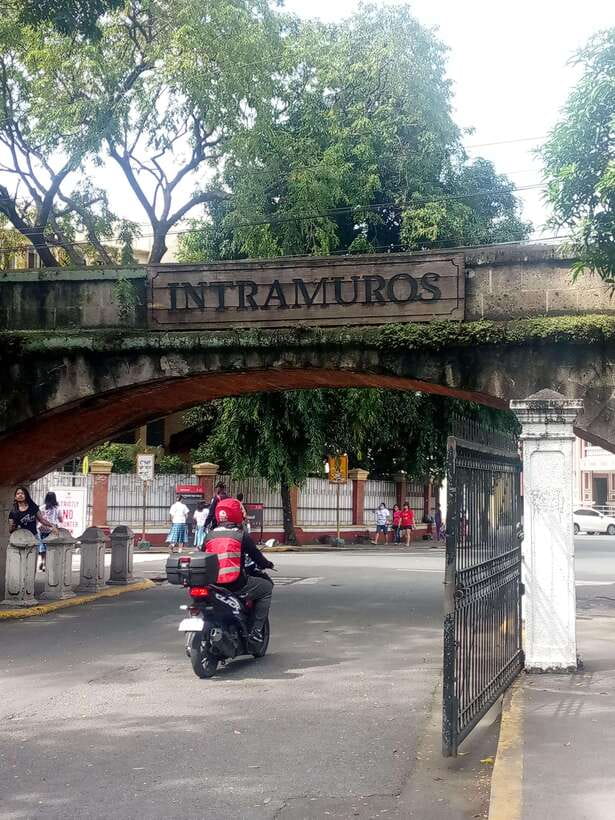
Manila’s walls tell a serious story. This Intramuros revolution tour turns landmarks like Fort Santiago, Manila Cathedral, and San Agustin Church into a clear timeline of struggle, from early resistance to the Japanese occupation. I especially like the way the route keeps moving, so you are not stuck in one museum room, and I also appreciate the attention to unsung heroes, not just the headline names.
A smart heads-up: church stops can be affected by services, so you might not always get full access or maximum time inside. That can make the whole experience feel a bit shorter than you planned, even if the guide still explains the big points well.
In This Review
- Key things I’d plan around
- Starting at Fort Santiago: the fast route into Intramuros
- Fort Santiago dungeons, Rizal’s cell, and the POW chambers
- Manila Cathedral: when religion and government were in a power fight
- Walking General Luna Street and reading the Philippine-American War
- San Agustin Church and the resilience story that keeps returning
- Calle Real finish: the old downtown vs what it became
- Price and included perks: is $60 worth it?
- Who this tour fits best, and what to bring
- Should you book the Revolution Tour of Manila?
- FAQ
- How long is the Revolution Tour of Manila?
- Where do I meet the guide?
- What stops are included on the tour?
- What’s included in the $60 price?
- Are meals and drinks included?
- Can I cancel for a refund?
Key things I’d plan around
- Fort Santiago first: you start in the thick of the story, right at the fort gate.
- A prison-cell reality check: you’ll see Rizal’s last detention cell and learn what the dungeons were like.
- Church-state tension explained: Manila Cathedral becomes a lesson in who held power and why.
- General Luna Street storytelling: the Philippine-American War is framed in walking, not lecturing.
- Calle Real contrast on the finish: you end where old Intramuros street life meets what the area became.
Other walks inside the old walls
- Intramuros, Manila: Historical Bamboo Bike Tour★ 4.8 · 583 reviews
- Manila: Intramuros, Chinatown, and Old Manila Half-Day Tour★ 4.8 · 475 reviews
- Manila: Guided Sunset Bamboo Bike Tour in Intramuros★ 4.8 · 119 reviews
- Viva Old Manila: Intramuros Walking Tour★ 4.9 · 104 reviews
Starting at Fort Santiago: the fast route into Intramuros
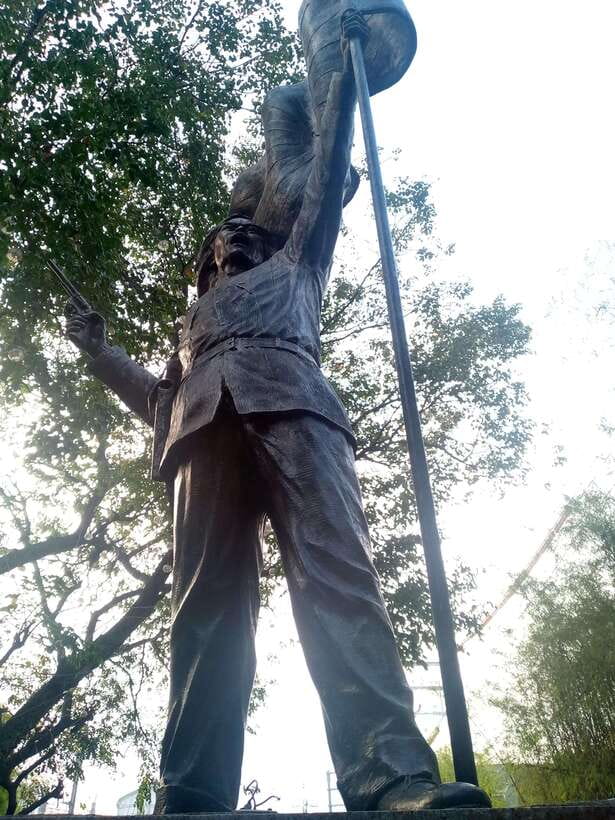
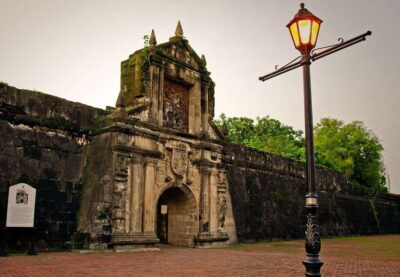
You meet at the Fort Santiago Gate, and the guide will have a poster so you can spot them without a guessing game. The tour is built for a compact 3 hours, which matters in Manila, where heat and crowds can change your day fast. With transportation included, you also avoid spending your precious time figuring out the best way to hop between sites.
One thing I like about the start is that it sets the tone immediately. You are not waiting for the background lecture before you see the place where the story gets dark. You begin at a landmark that was used for control, imprisonment, and pressure, which makes the later parts of the route feel connected rather than like separate sightseeing stops.
If you prefer a big introductory briefing before anything starts, consider that this tour can feel action-first. Instead of a long warm-up, you are led straight into key points and names, then guided through the sites. It can still be very coherent, but you might want to mentally prepare for history told while you walk.
Fort Santiago dungeons, Rizal’s cell, and the POW chambers
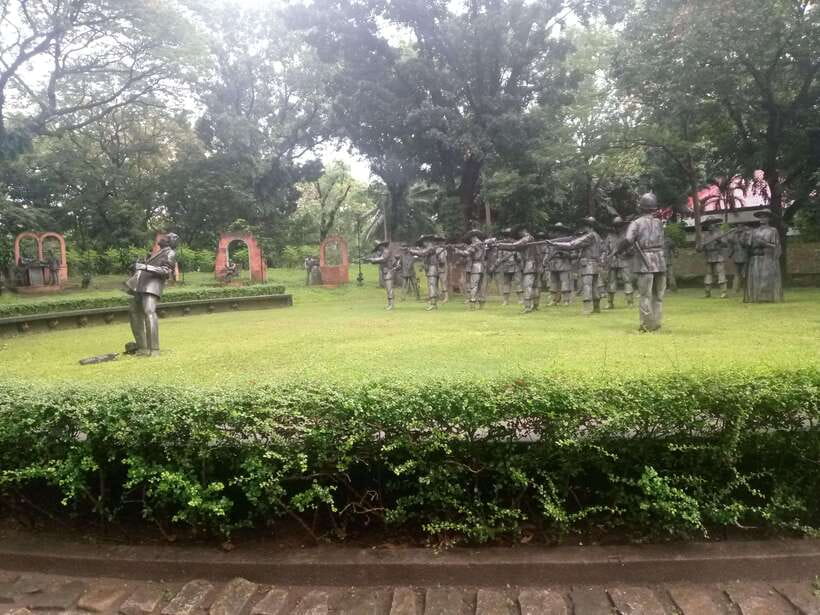
Fort Santiago is where the tour really earns its name. You spend about an hour here, and it is packed. You trace how Manila rose and then how it was fought over, with the guide pointing out turning points that shaped the nation’s thinking about freedom. The most effective part is that it is not just one era. You move from pre-Hispanic era resistance to later struggles, including the Japanese occupation.
The tour’s centerpiece at this stop is the fort’s prison story. You’ll be shown the last prison cell where Dr. Jose Rizal was detained. That alone is worth the trip for many people, but the tour keeps going. You learn about the revolution and reformism threads that helped shape the nation’s direction.
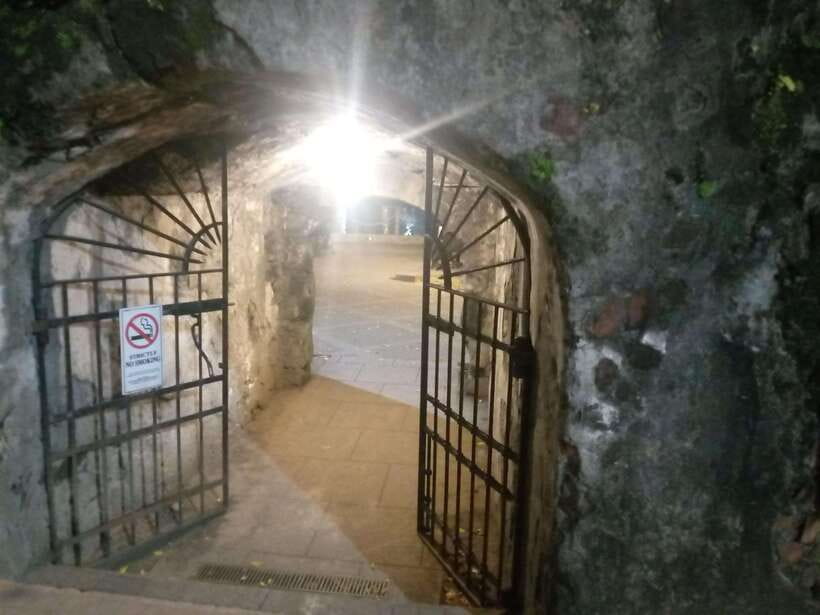
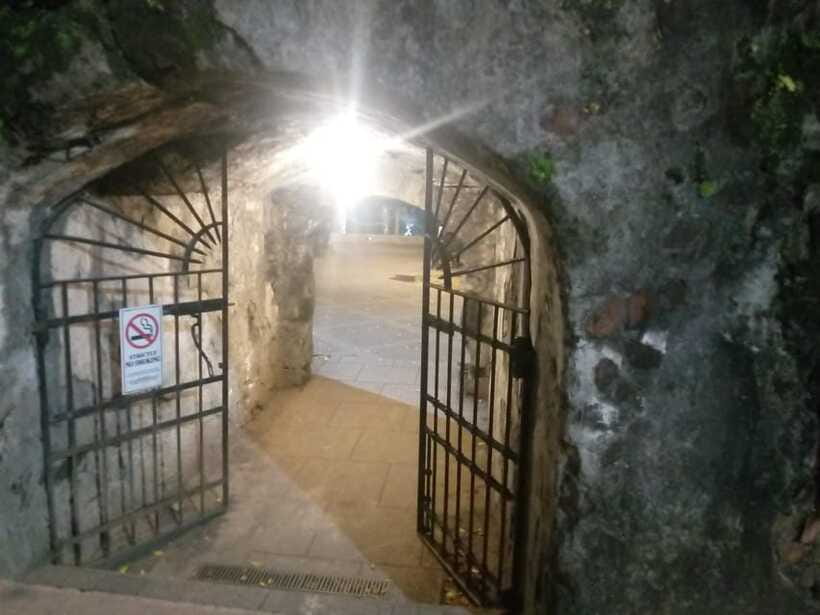
Then comes the part that feels physically real, not just academically real. The dungeons are described as airless and punishing, with limited oxygen, and the chambers are linked to the deaths of 600 Filipino and American civilian prisoners of war. The guide also points you toward the mass grave and tells their stories, so you are not just looking at walls. You are learning the human cost tied to those walls.
Practical note: wear covered, supportive footwear and keep your head up for the details. The key moments tend to be tied to specific rooms and cells, so if you wander even a little, you may miss a name or a key fact.
Manila Cathedral: when religion and government were in a power fight
After Fort Santiago, you move to Manila Cathedral for a guided visit. Plan for roughly 30 minutes here, which is enough for the essentials if your guide keeps the story moving. The cathedral stop is not only about architecture or religious art. You learn about the power struggle between the church and the government, and you see how that tension shaped decisions that affected ordinary people.
This stop helps you understand why independence was complicated. It was not just armed conflict and foreign rulers. Authority also lived in institutions, and those institutions influenced what was allowed, what was taught, and what was considered legitimate. When you hear the story framed this way, the cathedral stops being a static landmark. It becomes part of the political machinery.
You might also face a real-world wrinkle here. Church services can affect access, and if you cannot enter during a Mass, your guided time inside can shrink. Even so, the story is still worth it. Just go in with flexible expectations about time inside the building, and you will have a smoother experience.
Language tip: the tour runs with live guides in English and German, and a previous guide named Jerome was praised for speaking both languages clearly. If you want accuracy with names and dates, it helps that the guide can explain them without sounding rushed.
Walking General Luna Street and reading the Philippine-American War
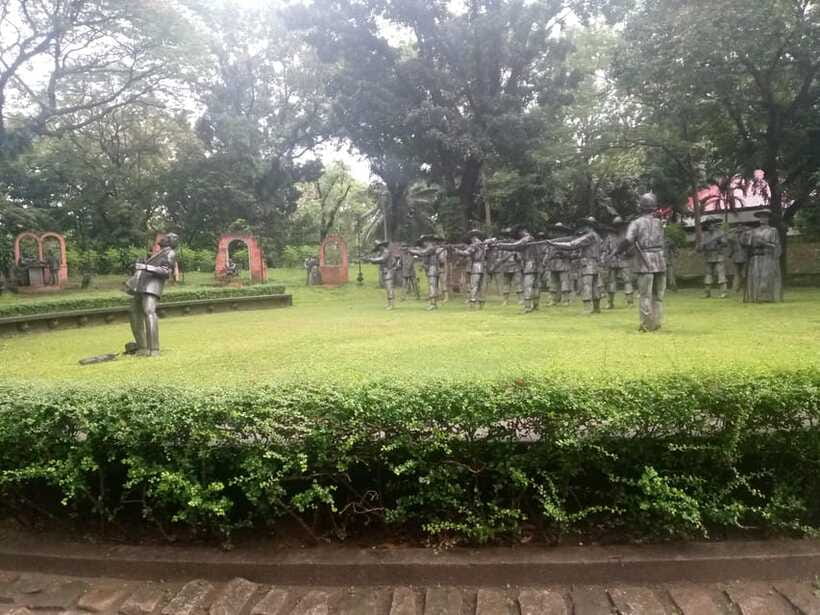
Between the cathedral and San Agustin Church, you get a stroll along General Luna Street. This is where the tour shifts from “look at the site” to “picture the era in motion.” You listen to tales of courage and sacrifice during the Philippine-American War, and the walking format makes the stories feel less like a timeline on a page and more like something that happened around you.
General Luna Street is a smart choice for a tour like this because it sits in the fabric of Intramuros. You are not only standing at points of authority, you are moving through the space where people would have had to survive daily life. That contrast is powerful. It is one thing to hear about war and reform. It is another to connect it to street-scale movement and survival.
This part of the route also gives you a mental breather. Fort Santiago can hit heavy topics fast, then the cathedral brings in power dynamics, and the street walk ties it together with people and events at human scale. If you are traveling with someone who worries that “history tours” are just speeches, this section helps show you can still learn while you move.

San Agustin Church and the resilience story that keeps returning
San Agustin Church is another guided stop for about 30 minutes. If you care about endurance, this is a strong place to spend it. You are mesmerized by the stories of its resiliency through different periods of history. The guide uses the building as a lens, connecting how power shifted, how conflicts came and went, and how the community kept finding ways to persist.
This is also a chance to notice details without turning it into a speed-challenge. The church visit is shorter than you might want, but the guide’s job is to focus on what matters for the tour theme. You are learning how a place survives, not just admiring it from the outside.
Keep in mind the same practical issue from the cathedral. Depending on services, entrances can be restricted. Even if you cannot go fully inside, the guide can still explain what you should be looking for and how the site fits the broader story.
The emotional payoff here is that resilience is framed as something people did, not something that just happened to walls.
Calle Real finish: the old downtown vs what it became
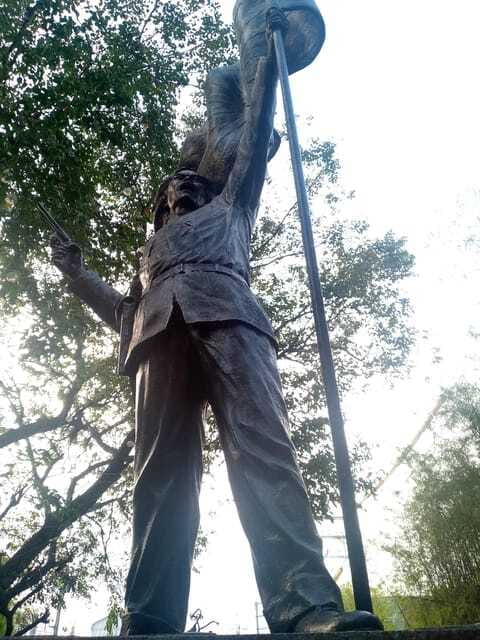
The tour ends at Calle Real. This is where the contrast idea becomes real. You “witness how much the former downtown of Intramuros has changed into its actual opposite,” which is a great way to say the area is not frozen in time. It evolved. You can feel the shift between the past and the present just by where you end up, and that gives your whole 3-hour loop extra meaning.
If you like leaving a tour with something you can keep thinking about on your own, this finish helps. You can step away and look at the street again with new questions in mind, like how people adapted when power structures changed.
If your feet are tired, you will be glad transportation is part of the deal. The tour supports drop-off options back near 18 Sta. Clara St or Fort Santiago, so you do not have to solve logistics right after your last stop.
Price and included perks: is $60 worth it?
At $60 per person for about 3 hours, the value depends on what you want from the time you have in Manila. For this price, you are not just buying entry tickets. You get a professional live guide, entrance fees, and transportation. You also get a practical perk that matters in Intramuros: skip-the-line through a separate entrance.
What makes that feel like real value is that the route packs high-impact locations together. Fort Santiago, Manila Cathedral, and San Agustin are major stops, and a good guide makes the difference between seeing buildings and understanding why those buildings mattered.
Here is how I think about it as a decision tool. If you are comfortable reading history on your own, you might be able to do Intramuros independently. But if you want names, connections, and explanations tied to specific spaces, the guided format justifies the cost fast. This is especially true for the prison-cell and POW chambers content, where the “what you are looking at” is hard to decode without someone explaining it.
Also, live guidance in English and German is a plus if you are traveling with friends who prefer one of those languages. If you want a guide who can speak clearly in both languages, a past guide named Jerome is a good example of what that looks like.
Who this tour fits best, and what to bring
This is a good fit if you want history that is story-driven and place-based. You should enjoy it if you like walking tours that connect politics, religion, and war to real locations instead of just reading a wall plaque. It is also a solid option for travelers who want a short time commitment. Three hours in Intramuros is long enough to feel like you covered the core, but not so long that it drains your day.
You will also appreciate it if you care about honoring less-publicized parts of the independence story, including unsung patriots from earlier periods and later resistance through the Japanese occupation.
What to bring:
- Sunscreen or mosquito repellant, since you’ll be outdoors.
- Comfortable, closed-toe shoes. Bare feet are not allowed.
- Water if you can purchase it elsewhere, since meals and drinks are not included.
Rules to note: no alcohol and no drugs, and you’ll need to follow site rules for clothing. Those basics sound obvious, but on hot days they can be easy to forget.
Accessibility is supported, too. The tour is wheelchair accessible, which is a real advantage for travelers who want to experience Intramuros without handling every step and distance alone.
Should you book the Revolution Tour of Manila?
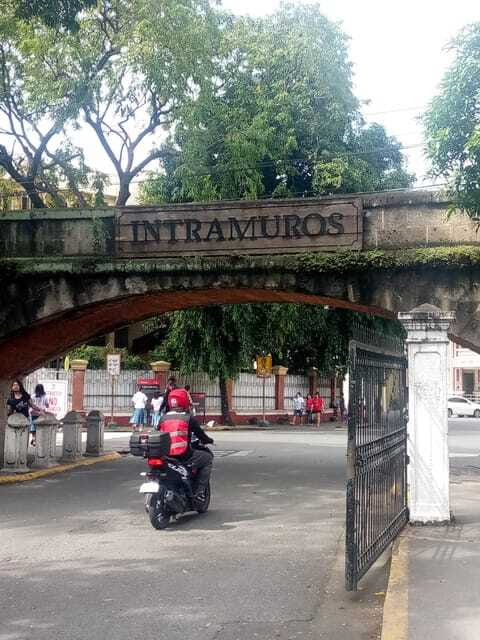
Yes, if your priority is a guided, emotionally grounded history walk through the most important Intramuros sites, this is worth booking. The Fort Santiago portion alone is a compelling anchor, and the way the tour connects the Rizal detention story, POW chamber accounts, church-state power dynamics, and war-era street storytelling makes the route feel like one coherent lesson.
I’d book with one expectation managed: church access can be limited by services, so your time inside may vary. If you can stay flexible on that front, you will get a memorable, human-focused tour that goes beyond sightseeing and helps you understand why Manila’s walls still matter.
FAQ
How long is the Revolution Tour of Manila?
The tour lasts 3 hours.
Where do I meet the guide?
Meet at the Fort Santiago Gate. The guide has the tour poster.
What stops are included on the tour?
You visit Fort Santiago, Manila Cathedral, and San Agustin Church. You also walk along General Luna Street and finish at Calle Real.
What’s included in the $60 price?
The tour includes a professional guide, entrance fees, and transportation. It also includes skipping the line through a separate entrance.
Are meals and drinks included?
No, meals and drinks are not included.
Can I cancel for a refund?
Yes. You can cancel up to 24 hours in advance for a full refund.
More Tours in Manila
- Intramuros, Manila: Historical Bamboo Bike Tour★ 4.8 · 583 reviews
- Manila: Intramuros, Chinatown, and Old Manila Half-Day Tour★ 4.8 · 475 reviews
- Manila: Old & New 4-Hour City Tour★ 4.5 · 458 reviews
- Manila Food Tour: Introduction to Philippine Street Food★ 5.0 · 417 reviews
More Tour Reviews in Manila
- Intramuros, Manila: Historical Bamboo Bike Tour★ 4.8 · 583 reviews
- Experience Intramuros with Bamboo Bicycle – Ecotours★ 5.0 · 508 reviews
- Manila: Intramuros, Chinatown, and Old Manila Half-Day Tour★ 4.8 · 475 reviews
- Manila: Old & New 4-Hour City Tour★ 4.5 · 458 reviews
Inside the Old Walls
- Intramuros, Manila: Historical Bamboo Bike Tour★ 4.8 · 583 reviews
- Experience Intramuros with Bamboo Bicycle – Ecotours★ 5.0 · 508 reviews
- Manila: Intramuros, Chinatown, and Old Manila Half-Day Tour★ 4.8 · 475 reviews
- Manila: Guided Sunset Bamboo Bike Tour in Intramuros★ 4.8 · 119 reviews
More of Manila, reviewed
- Private Departure Airport Transfer in Manila Bay and Makati Area
★ 5.0 · 3 reviews - Embark on a 7-Day Banaue-Sagada Adventure of a Lifetime
★ 5.0 · 3 reviews - From Manila: Philippines Private Tour Guide
★ 4.1 · 3 reviews - Unforgettable Manila Fishing Village Day Excursion 2024
★ 5.0 · 4 reviews - Tagaytay + Hidden Valley Springs: A Scenic Escape w/ Transfers
★ 4.0 · 4 reviews
Intramuros and Old Manila Walking Tours, start to finish.
 ★ 4.8Intramuros, Manila: Historical Bamboo Bike TourFrom $27583 reviews
 ★ 5.0Experience Intramuros with Bamboo Bicycle – EcotoursFrom $39508 reviews
 ★ 4.8Manila: Intramuros, Chinatown, and Old Manila Half-Day TourFrom $68475 reviews
 ★ 4.5Manila Old and New: Sightseeing Tour Including Intramuros and Fort SantiagoFrom $103377 reviews
 ★ 4.8Manila: Guided Sunset Bamboo Bike Tour in IntramurosFrom $40119 reviews
 ★ 4.9Viva Old Manila: Intramuros Walking TourFrom $27104 reviews
 ★ 5.0Manila’s Walled City: Intramuros Walking TourFrom $3582 reviews
 ★ 5.0Explore Intramuros: Introduction to Philippine HistoryFrom $5580 reviews
Where this one shows up