
REVIEW · MANILA
Manila: Binondo Chinatown Food Tour with Free Food Samples
Binondo is one of Manila’s fastest ways to get hungry. On this Binondo Chinatown food tour, I like that you walk, snack, and learn at the same time, with free food samples led by local guide Jane. You start at Binondo Church and then move through the streets and markets where Filipino-Chinese food shows up in real life, not on a brochure.
What I really love is the mix of tastes. You get savory bites like dim sum, plus sweet traditional pastries and other street snacks, so you are not just doing one style of food. I also like how the stops tie the food to the neighborhood, with explanations of landmarks like Ongpin Street and Plaza San Lorenzo Ruiz, so every bite comes with a story.
One consideration: this is a walk-first tour. You should plan on being on your feet for the full 3 hours, and it is not set up for wheelchair users, so comfy shoes and water matter.
In This Review
- Key highlights to look forward to
- Why Binondo food tastes different
- The 3-hour walking plan, starting at Binondo Church
- Ongpin Street and street snacks you would skip on your own
- Plaza San Lorenzo Ruiz, and why it matters for food
- The tastings: dim sum, siopao, and traditional sweets
- What you learn from a live guide like Jane
- Price and value: is $80 worth it?
- What to bring for a 3-hour food walk
- Who this tour suits best
- A few tips so you enjoy every stop
- Should you book this Binondo Chinatown food tour?
- FAQ
- How long is the Binondo Chinatown food tour?
- Where do I meet, and where does the tour end?
- What is included in the price?
- What language is the live guide?
- What food can I expect to try?
- Do I need to tip?
- What should I bring, and is the tour accessible?
Key highlights to look forward to
- Meet at Binondo Church and get the neighborhood context before you start eating
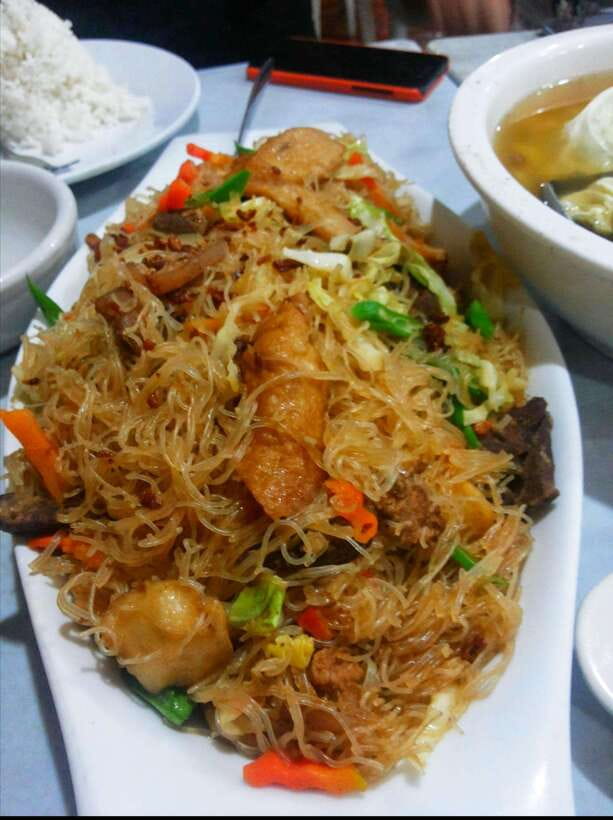
- Free food samples that range from savory dim sum to sweet traditional pastries
- Ongpin Street and Plaza San Lorenzo Ruiz stops that connect snacks to the area’s identity
- Street-food pacing with multiple stops, so you can try without committing to one full meal
- English or Tagalog guide support with a live local guide who shares stories along the way
Still hungry? More Manila eating
- Manila: Intramuros, Chinatown, and Old Manila Half-Day Tour★ 4.8 · 475 reviews
- Manila Food Tour: Introduction to Philippine Street Food★ 5.0 · 417 reviews
- Manila Food Tour: Explore World’s Oldest Chinatown★ 5.0 · 158 reviews
- Manila: Street Food and Drinks Walking Tour with Tastings★ 4.8 · 114 reviews
Why Binondo food tastes different
Binondo is Manila’s old Chinatown, and it has been around since 1594. That matters because the food culture here is not a single trend. It is layers of trade, migration, and everyday cooking that still show up in the flavors you eat today.
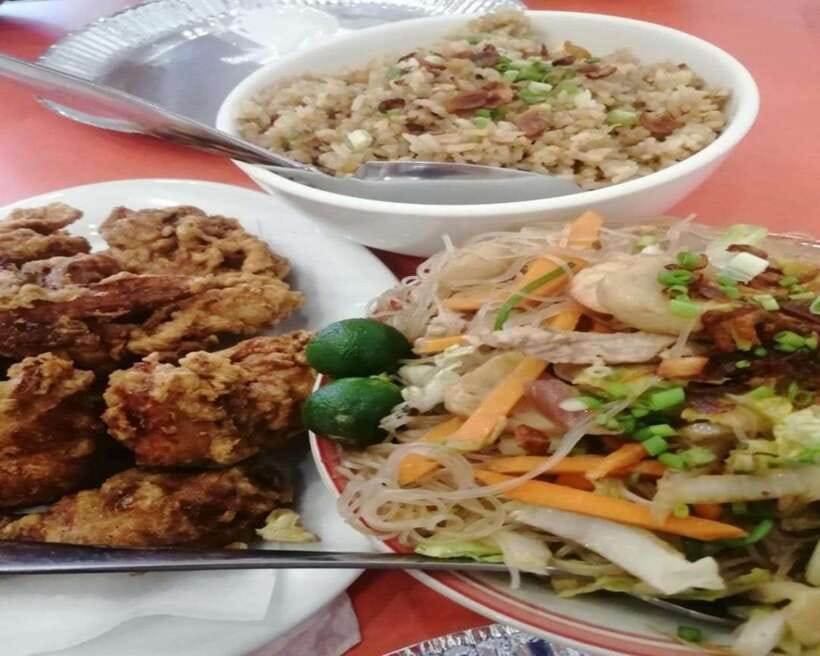
This tour is built around that idea. You are not just collecting photos of dishes. You are tasting across the spectrum: savory snacks, dim sum style foods, and traditional sweets. That balance is one of the best ways to understand Chinatown food, because Filipino-Chinese cooking often shifts from salty to sweet fast, and the contrast is part of what makes it fun.
I also like that the tour gives you landmark context as you go. When you learn why a place is there and what it means locally, food stops feeling random. It becomes a map you can taste.
The 3-hour walking plan, starting at Binondo Church
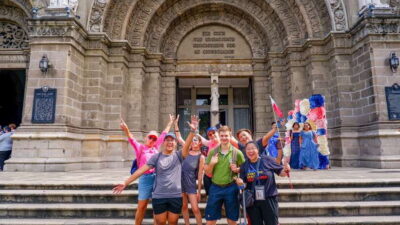
You begin at the Minor Basilica and National Shrine of Saint Lorenzo Ruiz, often called Binondo Church. That is a smart starting point. It gives you a clear anchor before the streets start to blur, and it sets the tone with history and stories before you jump into the first snack.
From there, the tour stays hands-on and street-level. You walk through Binondo’s commercial lanes where you can actually see the rhythm of the area. Markets, storefronts, and small food counters are all part of what you are experiencing, and it helps you understand why certain dishes fit this neighborhood so naturally.
A practical note: because the tour is a walking loop, you will end back at Binondo Church. If you have a tight schedule after, plan your time around that return point.
Ongpin Street and street snacks you would skip on your own
One of the most iconic names on the route is Ongpin Street. Even if you only know the name, Ongpin has that feel of an old trading street where people come for daily needs and food at the same time. On this tour, it is also a food corridor, not just a sightseeing stop.
As you stroll, you are meant to stop at popular stalls and places where locals pick up bites. This is the kind of route where you might otherwise walk right past a counter because you do not know what to order. The guide helps you connect what you see with what you should try.
You can expect snack variety rather than one giant meal. The goal is sampling, so you can taste multiple flavors in 3 hours. That also helps you avoid the common beginner problem in Chinatown food, where you accidentally over-order from one category and miss the sweet stuff entirely.
Plaza San Lorenzo Ruiz, and why it matters for food
You also visit Plaza San Lorenzo Ruiz, which pairs well with the earlier stop at Binondo Church. Together, these landmarks help explain why the neighborhood has its particular identity, including how community life and religious spaces sit close to daily commerce.
Why this matters for your food experience: when a guide explains the meaning behind a landmark, you start noticing details you would otherwise ignore. You notice the flow of foot traffic, the way stalls cluster near major walkways, and how food choices reflect the pace of the neighborhood.
Even if you are not a history person, this part helps you slow down. It makes the route feel intentional instead of random. And it sets you up for the next tastings so you appreciate not just the taste, but why the neighborhood cooks this way.
Other Manila outings that kept coming up while we researched this one
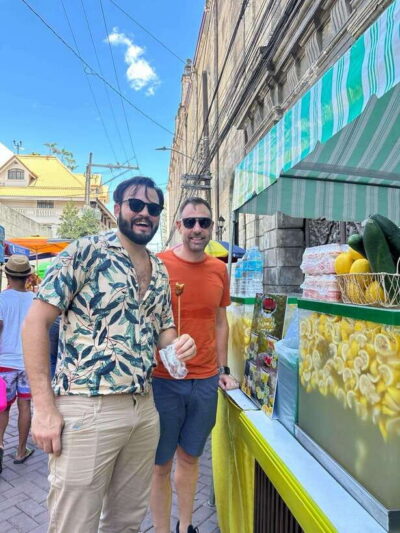
The tastings: dim sum, siopao, and traditional sweets
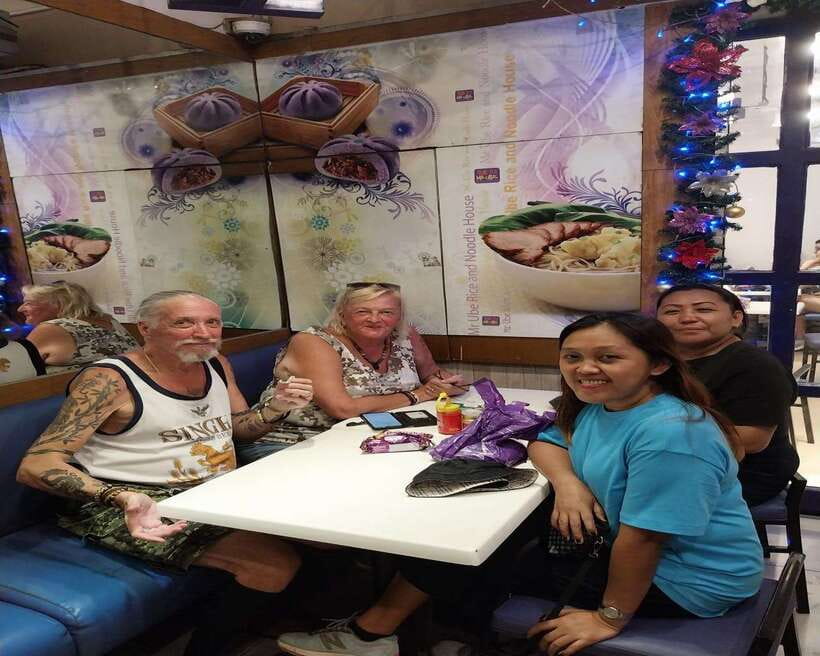
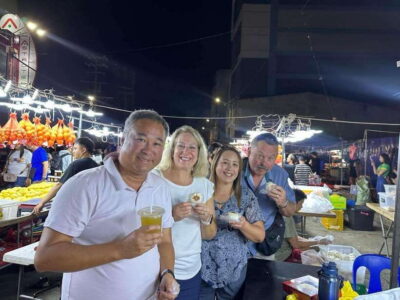
Let’s talk about the part you actually came for: the food samples. This tour is clearly designed for contrast, so you are not only eating dumplings or only sweets.
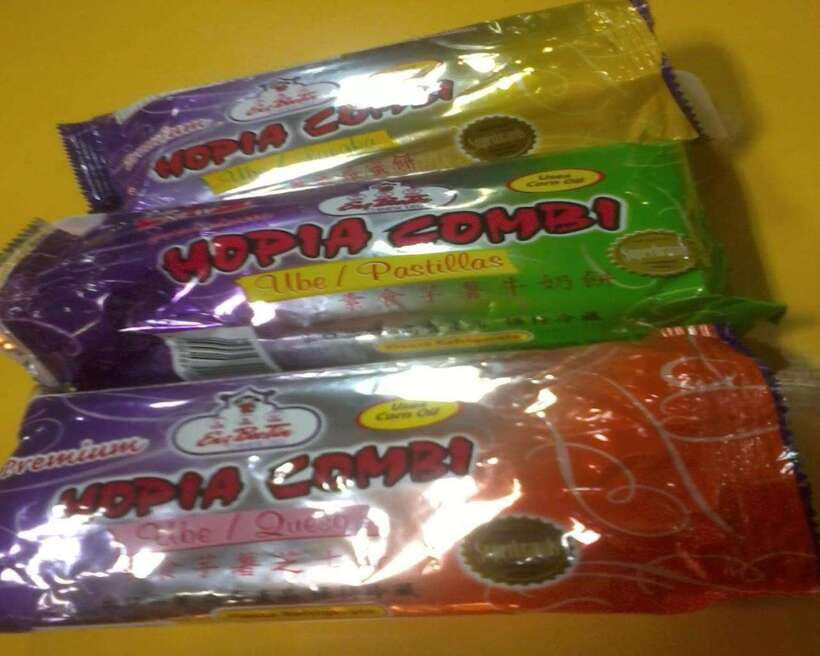
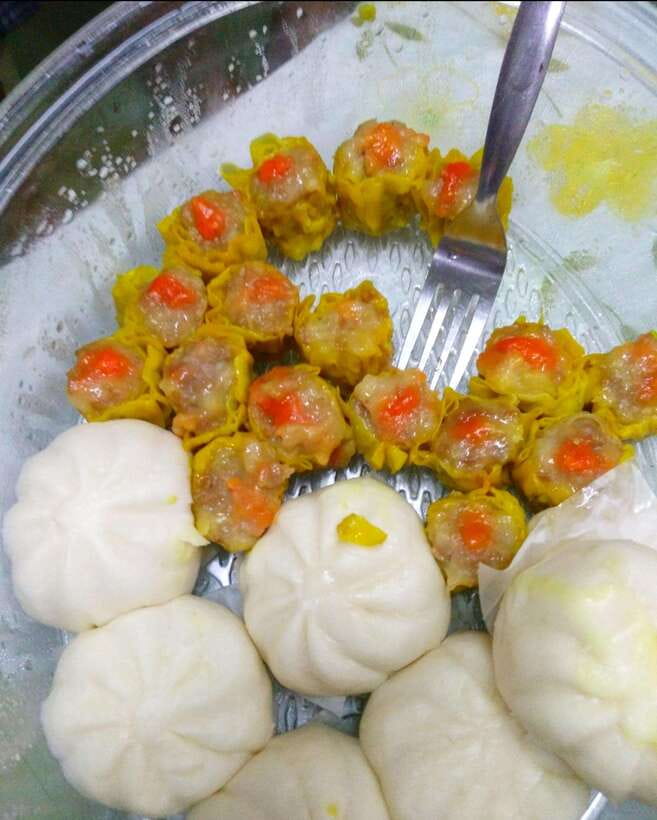
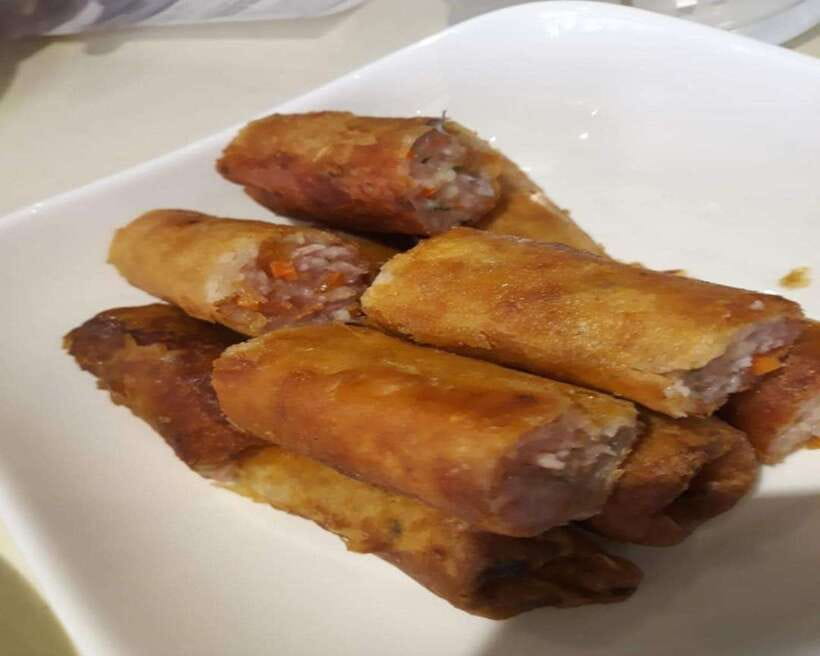
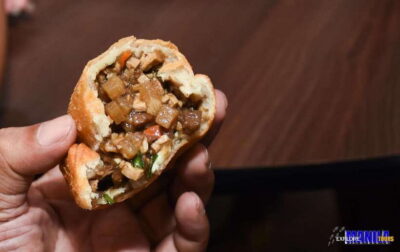
You can expect savory options like dim sum and other street snacks, plus sweet traditional pastries. One review specifically highlighted siopao as amazing. That lines up with the kind of comforting, filling food Chinatown is known for, especially when you are walking and need something that hits the spot without weighing you down too much.
Here is the smart way to approach the tastings: treat each stop like a mini lesson. You will likely get several small portions, so you can compare textures and flavors. If one dish is your favorite, pay attention to what it has in common with the next one, like seasoning style or how the filling balances salt and aroma.
Also, plan to eat slowly. You are moving from stop to stop, and you want your first bites to still taste good when you reach later ones. Bring water, because you will likely want to reset between tastings.
What you learn from a live guide like Jane
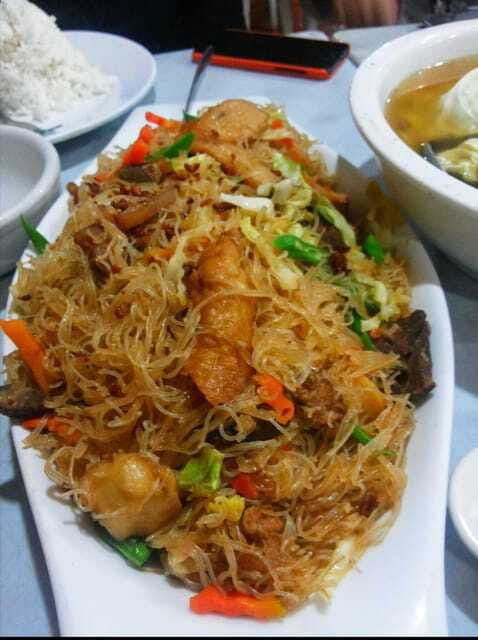
A big reason this tour scores so well is the human factor. The guide name that comes up again and again is Jane, and the feedback points to her being friendly and effective at getting people oriented to Chinatown food.
You will get stories alongside the food, including landmark context and explanations tied to dishes you are tasting. In a place like Binondo, that matters because food culture here has its own logic. Even when dishes look familiar, small differences in preparation and ingredients can change everything.
If you prefer tours where you talk to a person and not just follow a script, this style works. You will also hear information in English and Tagalog, which helps when you want clarity without feeling rushed.
Price and value: is $80 worth it?
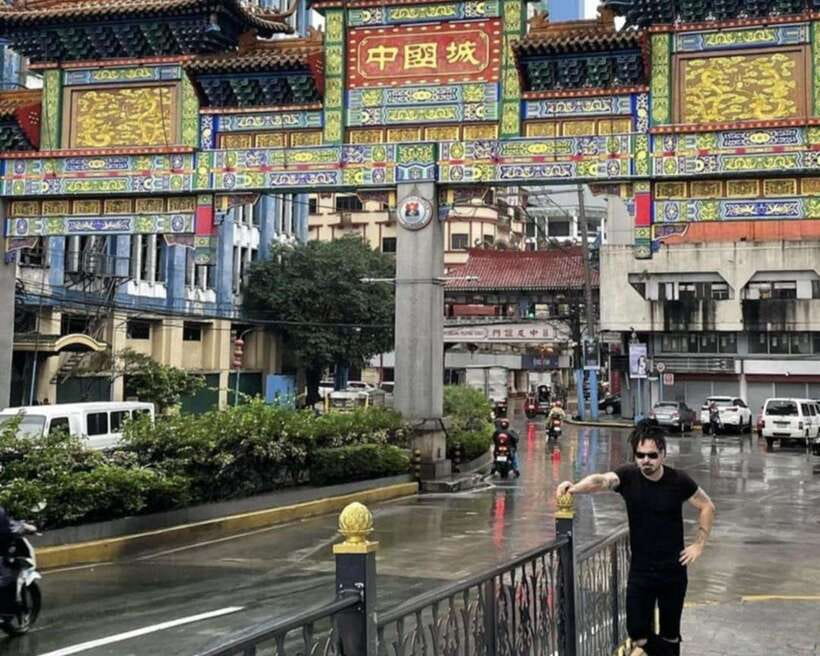
At $80 per person for about 3 hours, the real question is value, not just cost. You are paying for a guided walking experience with multiple free food samples, plus stops at historical and popular areas like Ongpin Street and Plaza San Lorenzo Ruiz.
The value is strongest if you are someone who wants to eat your way through a neighborhood without doing heavy research first. If you plan to pay for a handful of individual snacks and also want a guide to point you toward the right kinds of bites, the math tends to work out better than piecemeal self-guided eating.
You should also remember that tips or gratuity are not included. If you like the guide, you will want to budget a tip yourself. That is normal for tours, but it does change the effective total price.
Private group also affects value. You still get the full route and stops, but it can feel more personal than large group formats.
What to bring for a 3-hour food walk
This is a walking tour, so pack like you are going out for a long meal, not a quick photo stop.
Bring:
- Comfortable shoes (you will be on your feet)
- Water (helpful between tastings)
- A camera if you want pictures of stalls and landmarks
If you tend to get thirsty easily, add a little extra water. Chinatown streets can be busy on foot, and tasting can make you want to rinse your palate.
If you are sensitive to strong smells from food counters, give yourself permission to pause and breathe while you decide. Sampling is the goal, not speed.
Who this tour suits best
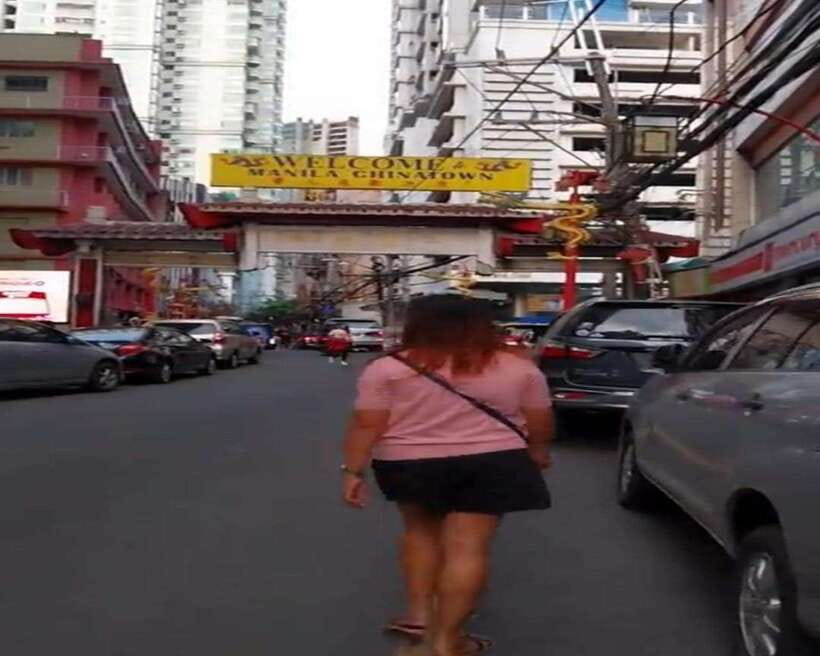
This tour is a great match if:
- You want to eat Filipino-Chinese food without guessing what to order
- You like short, structured walks with clear stops
- You enjoy learning through food, especially at landmarks like Binondo Church
- You want a guide who helps you connect the neighborhood to the dishes
It might not be your best choice if:
- You have limited mobility, since it is not suitable for wheelchair users
- You cannot comfortably walk for the full 3 hours
- You prefer sitting down for a long meal rather than doing multiple tastings on the go
A few tips so you enjoy every stop
The best tours feel easy because you are prepared. Here are practical moves that fit this exact style:
- Eat at a lighter pace before you go, if you can. You do not want to arrive stuffed.
- Keep your water handy. It makes the sweet pastries and savory bites easier to enjoy in sequence.
- Stick with the tasting choices your guide recommends. This is one of the few times where trusting the plan pays off immediately.
- Wear shoes you can stand in for a while. This tour is not designed for minimal walking.
Also, since you meet and end at Binondo Church, you can plan your next activity nearby. That reduces the headache of figuring out where you will be when the tour finishes.
Should you book this Binondo Chinatown food tour?
I recommend booking if you want a guided way to experience one of the world’s oldest Chinatowns through real food. The strongest reasons to go are the variety of free food samples, the clear focus on recognizable places like Ongpin Street and Binondo Church, and the way the guide ties everything together for you.
Book it especially if you are thinking, I want to eat my way through Binondo, but I do not want to waste time figuring it out alone. The tour is built for that.
Skip it if walking for 3 hours is tough for you, or if you want a sit-down restaurant meal rather than multiple street-level tastings.
If you are ready for comfort-food hits like dim sum and siopao, plus traditional sweets, this is one of the better ways to spend a few hours in Manila.
FAQ
How long is the Binondo Chinatown food tour?
It lasts about 3 hours.
Where do I meet, and where does the tour end?
You meet at the Minor Basilica and National Shrine of Saint Lorenzo Ruiz, also known as Binondo Church, and the tour ends there as well.
What is included in the price?
The tour price includes free food samples, a guided walking tour, and stops at historical landmarks and popular food stalls or restaurants.
What language is the live guide?
The guide speaks English and Tagalog.
What food can I expect to try?
You can expect authentic local dishes, including savory dim sum and sweet traditional pastries, along with other street food samples during the walk.
Do I need to tip?
Tip or gratuity is not included.
What should I bring, and is the tour accessible?
Bring comfortable shoes, a camera, and water. This walking tour is not suitable for wheelchair users.
More Tours in Manila
- Intramuros, Manila: Historical Bamboo Bike Tour★ 4.8 · 583 reviews
- Manila: Intramuros, Chinatown, and Old Manila Half-Day Tour★ 4.8 · 475 reviews
- Manila: Old & New 4-Hour City Tour★ 4.5 · 458 reviews
- Manila Food Tour: Introduction to Philippine Street Food★ 5.0 · 417 reviews
More Tour Reviews in Manila
- Intramuros, Manila: Historical Bamboo Bike Tour★ 4.8 · 583 reviews
- Experience Intramuros with Bamboo Bicycle – Ecotours★ 5.0 · 508 reviews
- Manila: Intramuros, Chinatown, and Old Manila Half-Day Tour★ 4.8 · 475 reviews
- Manila: Old & New 4-Hour City Tour★ 4.5 · 458 reviews
Manila by the Plate
- Manila: Intramuros, Chinatown, and Old Manila Half-Day Tour★ 4.8 · 475 reviews
- Manila Food Tour: Introduction to Philippine Street Food★ 5.0 · 417 reviews
- Manila Food Tour: Explore World’s Oldest Chinatown★ 5.0 · 158 reviews
- Manila: Street Food and Drinks Walking Tour with Tastings★ 4.8 · 114 reviews
More of Manila, reviewed
- Private Departure Airport Transfer in Manila Bay and Makati Area
★ 5.0 · 3 reviews - Embark on a 7-Day Banaue-Sagada Adventure of a Lifetime
★ 5.0 · 3 reviews - From Manila: Philippines Private Tour Guide
★ 4.1 · 3 reviews - Unforgettable Manila Fishing Village Day Excursion 2024
★ 5.0 · 4 reviews - Tagaytay + Hidden Valley Springs: A Scenic Escape w/ Transfers
★ 4.0 · 4 reviews
Manila Food and Chinatown Tours, start to finish.
 ★ 4.8Manila: Intramuros, Chinatown, and Old Manila Half-Day TourFrom $68475 reviews
 ★ 5.0Manila Food Tour: Introduction to Philippine Street FoodFrom $60417 reviews
 ★ 4.5Private Cebu & Lapu-Lapu City Tour with Uphill Spots & Lunch at House of LechonFrom $75168 reviews
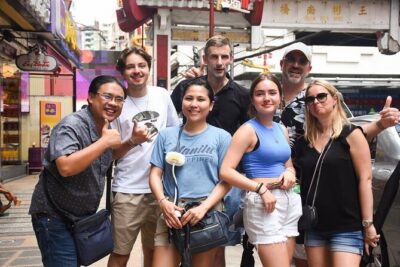 ★ 5.0Manila Food Tour: Explore World’s Oldest ChinatownFrom $60158 reviews
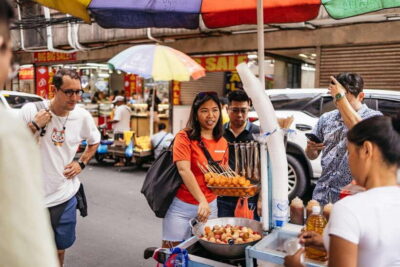 ★ 4.8Manila: Street Food and Drinks Walking Tour with TastingsFrom $68114 reviews
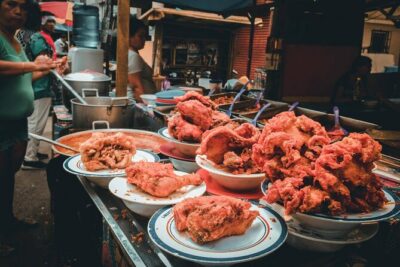 ★ 4.5The Original Cebu City Historical and Food Walking TourFrom $6981 reviews
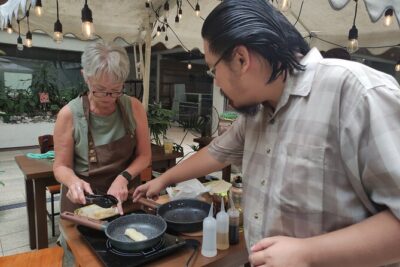 ★ 5.0Manila Filipino Cooking Class: Meryenda FavoritesFrom $6080 reviews
 ★ 4.7Manila: Sightseeing and Food Walking Tour with TastingsFrom $5868 reviews
Where this one shows up