
REVIEW · MANILA
Manila: Filipino Historic Walking Tour in Intramuros
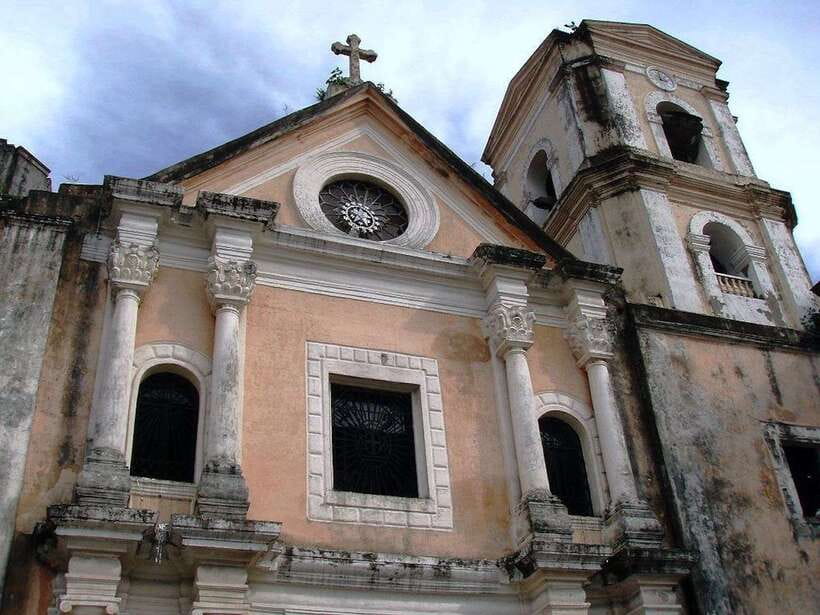
San Agustin in Intramuros has a way of making history feel close. This tour connects colonial Manila, the Catholic Church, and the wartime and independence chapters by walking real streets and stopping at the places where stories were made. It is led by a professional guide who keeps things lively, and you get a practical route that makes the old city make sense fast.
I especially like the way you move from landmark to landmark with built-in context, so you are not just looking at buildings. The best part is the mix of sites, including a museum look at objects and an aristocrats’ home at Casa Manila. A possible drawback: this is a walking tour with outdoor time, so you will want comfortable shoes and good weather.
In This Review
- Key highlights worth planning around
- San Agustin Church Museum: your colonial story starts where the stones are oldest
- San Agustin Museum stop: how artifacts add weight to the big stories
- Casa Manila: a 19th-century house that shows east-meets-west in plain sight
- Intramuros wall and the history museum link: why the stones keep telling you stories
- WWII memorial, Manila Cathedral, and the independence thread toward Fort Santiago
- Fort Santiago as the finish: the most satisfying ending for history lovers
- Price and value: what $55 buys you in a 3-hour small-group format
- Practical tips for a smooth Intramuros walk
- Language and guide style: Tagalog and English, plus a friendly pace
- Who this tour is best for (and who might want a different plan)
- Should you book this Intramuros historic walking tour?
Key highlights worth planning around
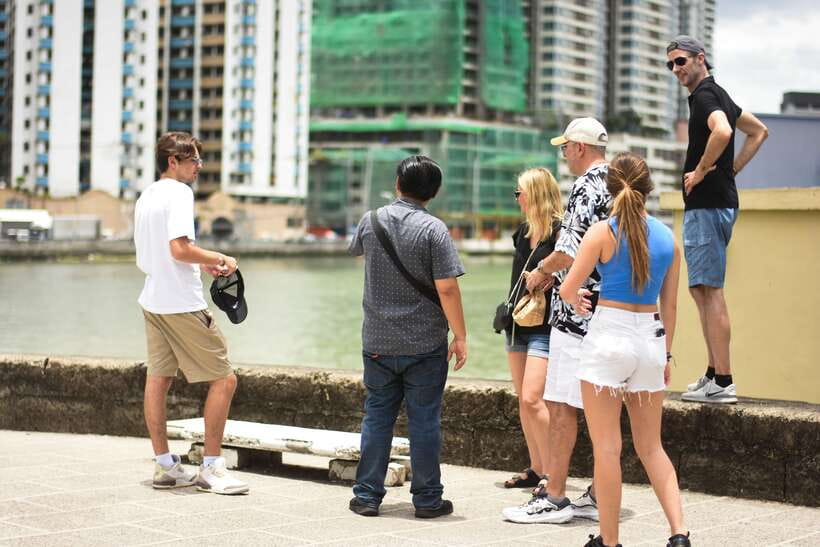
- A pro guide on a small group tour, capped at 15 people for easier questions
- San Agustin Church and Museum as your starting point, including the oldest stone church intro
- Casa Manila for a restored 19th-century aristocrats’ home and design details on east-west influences
- Intramuros wall viewpoints plus a history museum tied to the Church in old Manila
- WWII memorial, Manila Cathedral, and Fort Santiago for the last chapters in the same walk
Other walks inside the old walls
- Intramuros, Manila: Historical Bamboo Bike Tour★ 4.8 · 583 reviews
- Manila: Intramuros, Chinatown, and Old Manila Half-Day Tour★ 4.8 · 475 reviews
- Manila: Guided Sunset Bamboo Bike Tour in Intramuros★ 4.8 · 119 reviews
- Viva Old Manila: Intramuros Walking Tour★ 4.9 · 104 reviews
San Agustin Church Museum: your colonial story starts where the stones are oldest
Most Intramuros tours start with great photo spots, but this one starts with meaning. You meet in the lobby of San Agustin Church’s museum, then your guide sets the tone right away by framing the colonial story in a way that stays human, not textbook. One of the first themes you hear is the arrival of the Spanish and why they ended up on this side of the world, followed by the lasting marks left after more than 300 years of occupation.
The big win here is that the tour does not treat the Spanish era as something far away. Instead, you connect it to what you see today, including the Catholic footprint that shaped daily life, politics, and education. If you like history that explains how people lived, you will appreciate how quickly the guide makes the connections.
San Agustin Museum stop: how artifacts add weight to the big stories
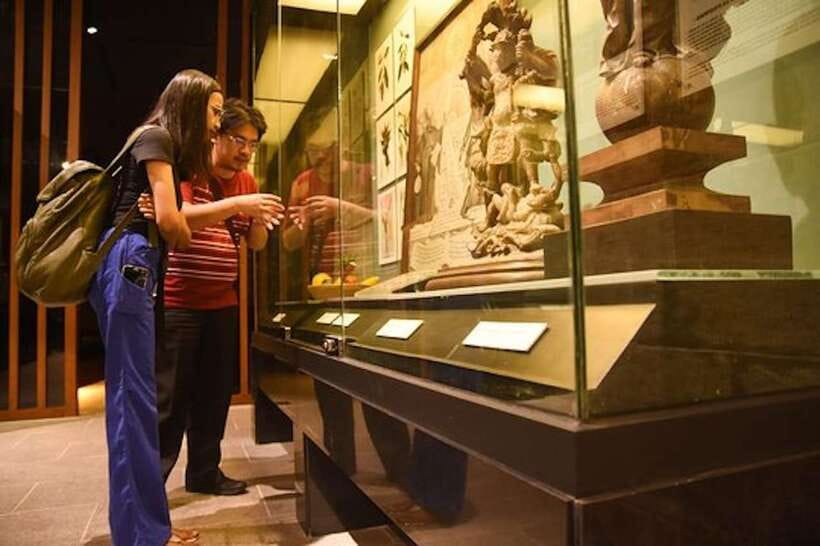
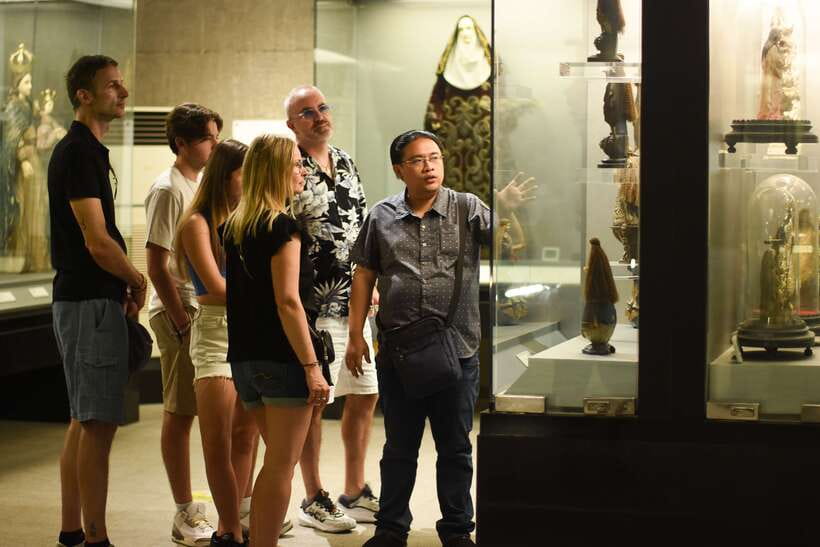
Right near the start, you get a guided look inside the San Agustin Museum. This is where the tour turns from street-level impressions into something you can actually hold onto. The museum portion gives you old artifacts and context, so when you later hear about Manila’s old city and the role of the Catholic Church, it lands better.
I also like that this museum stop helps you understand why the Church was more than just worship. It was tied to art, power, and community life, and the guide nudges you toward noticing those layers as you walk. If you usually skip museums because you want to get outdoors, this one is short enough to stay fun, but focused enough to be worth it.
Casa Manila: a 19th-century house that shows east-meets-west in plain sight
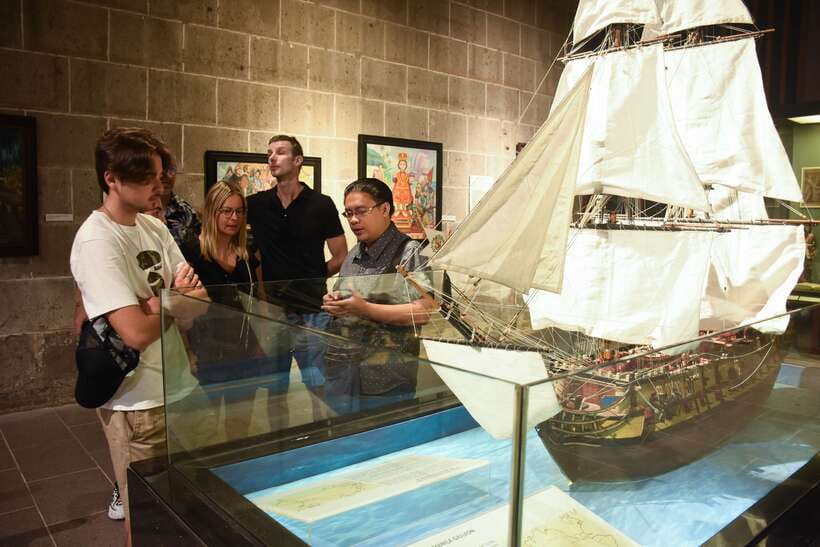
Next up is Casa Manila, a carefully restored 19th-century home. This stop matters because it is not only about what happened in history, it is also about how people decorated their lives. You get to see furnishings and design choices, and the guide points out the interesting blend of east and west influences.
This is a great moment for photos, sure, but it is also a chance to slow down. The house gives you a visual vocabulary for colonial-era wealth and taste. When you later stand by churches or war memorials, you will have a better sense of what everyday comfort, status, and craftsmanship looked like for at least some of the population.
One small consideration: this is an active walking tour, so keep an eye on your energy. The Casa Manila stop is not long, but it is detailed enough that you should be ready to look up from your phone and actually take it in.
Intramuros wall and the history museum link: why the stones keep telling you stories
After Casa Manila, the route shifts to a part of the historic Intramuros wall that many people do not get to linger at. You get a glimpse of the wall’s past, and the guide uses it to reinforce how defensive design and colonial power shaped the city’s layout.
Then you step into another history museum experience that ties the city’s story to the Catholic Church again. This part works because it repeats one theme you already heard, but with new objects and framing. That repetition is useful. It turns scattered facts into a clearer picture.
I like how the guide keeps the pace: walk, stop, learn, and move on. You are not stuck listening in one place for too long. The result is a steady rhythm that suits most people who want a concentrated old-city overview.
Other Manila outings that kept coming up while we researched this one

WWII memorial, Manila Cathedral, and the independence thread toward Fort Santiago
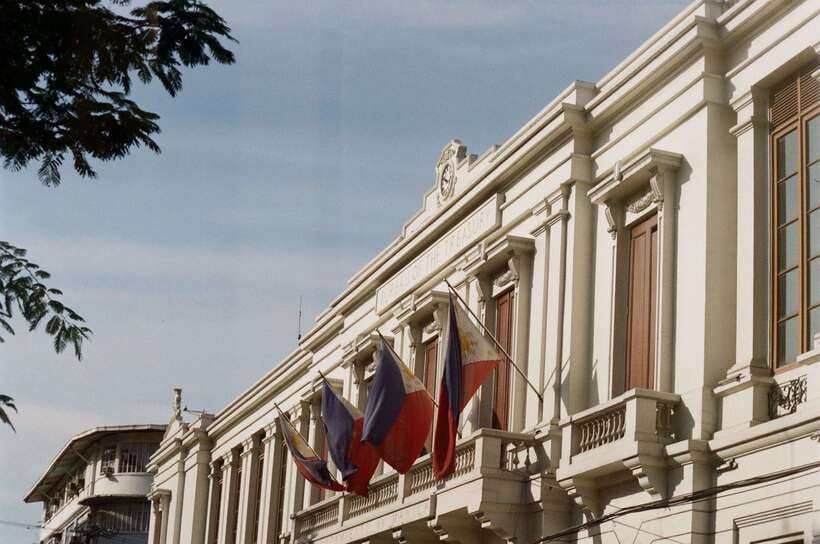
At one point the tour takes you to Memorare Manila 1945, a WWII memorial stop. Here you hear about the role of the Philippines in the war, which adds a necessary 20th-century layer to what you have already learned about colonial rule and church influence. If you only think of WWII as something that happened far away, this stop helps you understand it as something deeply local.
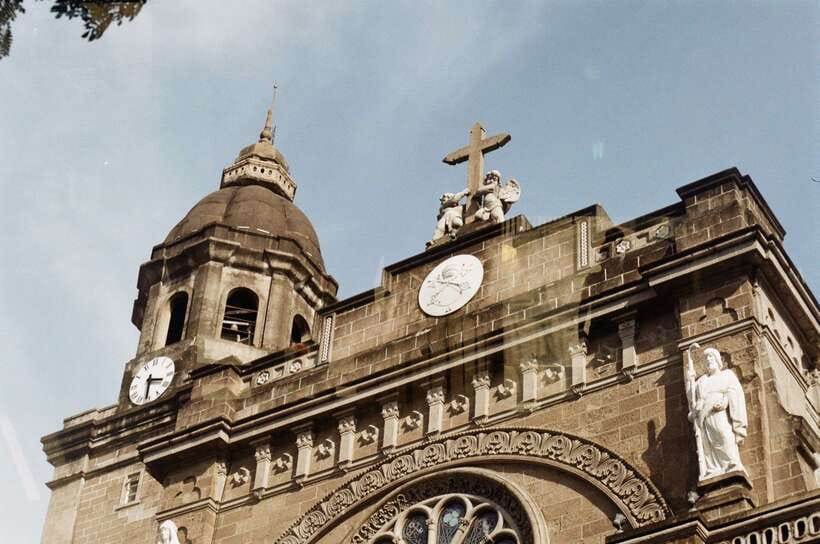
From there, you go to Manila Cathedral, the seat of the Catholic Church in the Philippines. Even if you are not religious, this stop is still worth your attention because it shows how institutions shaped public space. The cathedral helps you see that the Church is not just buildings and ceremonies. It is also part of Manila’s identity.
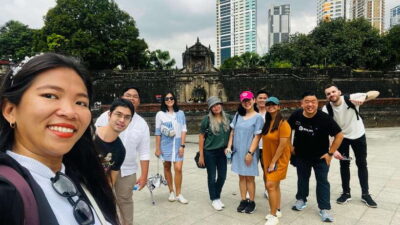
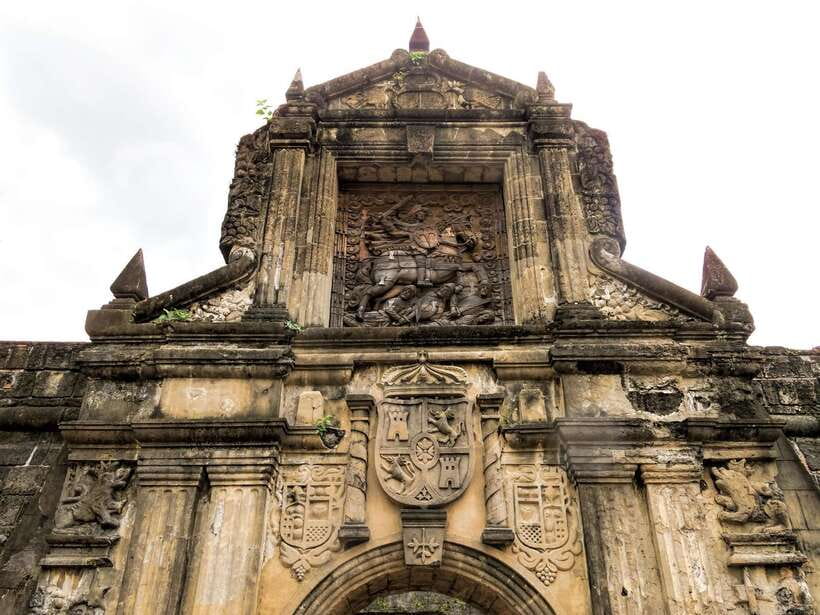
Finally, the tour heads to the old military garrison area at Fort Santiago and connects the walking route back to Filipino independence. The guide shows how these walls and defenses fit into the larger story of resistance and nation-building. Ending at Fort Santiago also gives you a natural, dramatic closer, because the site is tied to both colonial defense and later national struggles.
Fort Santiago as the finish: the most satisfying ending for history lovers
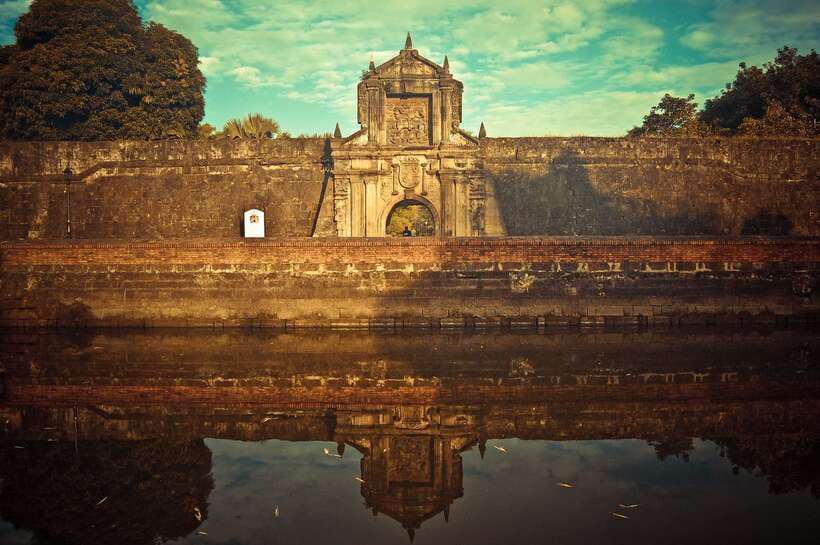
Finishing at Fort Santiago is a smart move. You end with a place that feels like the whole story has been compressed into one spot, from Spanish-era presence to wartime reality and the push for independence. The guide’s direction helps you read the site in sequence, not as a random fortress.
If you like tours where the last stop feels earned, this one does. You start at San Agustin with the earliest stone church focus, you trace the Church and elite home details through museums, and you bring it all together with WWII and independence. By the time you reach Fort Santiago, you are not just walking in circles. You are walking with purpose.
Price and value: what $55 buys you in a 3-hour small-group format
The price is $55 per person for a 3-hour tour, and that includes a professional guide plus entrance fees to Fort Santiago, San Agustin Church and Museum, and Casa Manila Museum. Hotel pickup is not included, so you do need to get yourself to the meeting point in time.
For me, the value comes from the combo: guided context plus paid access to multiple key sites. Self-guided Intramuros wandering can be fun, but it often turns into guesswork, especially when you want the “why” behind what you see. This tour compresses the explanations into the places where those explanations matter, which is exactly what you want if you are short on time.
Group size is capped at 15 participants, which is another hidden value perk. It is small enough to keep the tone conversational and lets you ask questions without waiting for a break in the flow.
Practical tips for a smooth Intramuros walk
A few things can make or break your comfort on this type of old-city route.
Wear comfortable shoes. The tour is about walking, and Intramuros surfaces can be uneven. Also, plan for the weather. The activity requires good weather, and if it gets canceled due to bad weather you will be offered a different date or a full refund.
Dress matters too. You are not allowed short skirts or sleeveless shirts. If you arrive in something too casual or too bare, you could end up needing a quick solution before you start.
If you want the experience to feel easy, be ready to show up at the meeting place in time. You meet at the San Agustin Church’s museum lobby, and you are supposed to look for your guide using the WhatsApp contact number shared for your tour.
Language and guide style: Tagalog and English, plus a friendly pace
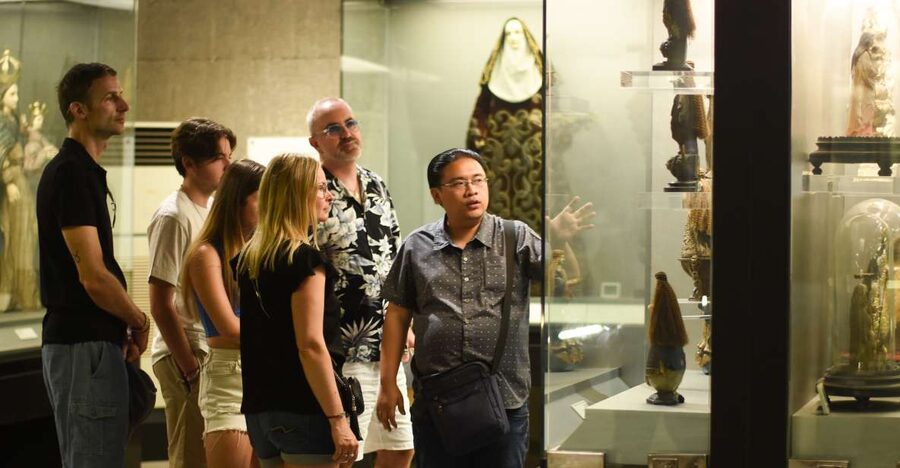
The tour runs with a live guide in Tagalog and English. That matters because the guide can adjust explanations based on what you ask, not just what the schedule says.
One detail I appreciate is the guide’s tone. The tour is described as funny and engaging, and that style helps when you are hearing serious topics like colonial occupation and WWII. You do not have to be a history specialist to follow along, because the explanations are delivered in a way that stays approachable.
Also, the tour is flexible enough that the guide can adapt what you want to emphasize during the walk. If you care more about the Church, lean into those moments. If you prefer wartime and independence, ask for time on the WWII memorial and Fort Santiago sections.
Who this tour is best for (and who might want a different plan)
This tour is ideal if you want a guided introduction to Intramuros that connects sites, objects, and major historical themes in one go. It is also a strong pick if you want to understand how today’s culture links back to Spanish occupation, Catholic influence, WWII, and the independence movement.
It is not suitable for people with mobility impairments or wheelchair users, since it is a walking route. If walking is an issue for you, it is worth looking for an alternative format.
Should you book this Intramuros historic walking tour?
If you want an organized 3-hour path through Intramuros that includes major stops and guided context, I think booking makes sense. The price feels reasonable because it bundles a professional guide and several paid entrance sites into one short outing.
Book it if:
- you want San Agustin, Casa Manila, WWII, Manila Cathedral, and Fort Santiago in one trip
- you prefer a guide who keeps the tone light and the explanations clear
- you like small-group tours with room for questions
Skip it or consider another option if:
- you cannot do a walking tour with outdoor time
- the weather forecast looks rough
- your plans include stops that require a more flexible route than a set 3-hour experience
If your goal is to leave Intramuros with stories you can actually repeat, this tour is a solid way to get there.
More Tours in Manila
- Intramuros, Manila: Historical Bamboo Bike Tour★ 4.8 · 583 reviews
- Manila: Intramuros, Chinatown, and Old Manila Half-Day Tour★ 4.8 · 475 reviews
- Manila: Old & New 4-Hour City Tour★ 4.5 · 458 reviews
- Manila Food Tour: Introduction to Philippine Street Food★ 5.0 · 417 reviews
More Tour Reviews in Manila
- Intramuros, Manila: Historical Bamboo Bike Tour★ 4.8 · 583 reviews
- Experience Intramuros with Bamboo Bicycle – Ecotours★ 5.0 · 508 reviews
- Manila: Intramuros, Chinatown, and Old Manila Half-Day Tour★ 4.8 · 475 reviews
- Manila: Old & New 4-Hour City Tour★ 4.5 · 458 reviews
Inside the Old Walls
- Intramuros, Manila: Historical Bamboo Bike Tour★ 4.8 · 583 reviews
- Experience Intramuros with Bamboo Bicycle – Ecotours★ 5.0 · 508 reviews
- Manila: Intramuros, Chinatown, and Old Manila Half-Day Tour★ 4.8 · 475 reviews
- Manila: Guided Sunset Bamboo Bike Tour in Intramuros★ 4.8 · 119 reviews
More of Manila, reviewed
- Private Departure Airport Transfer in Manila Bay and Makati Area
★ 5.0 · 3 reviews - Embark on a 7-Day Banaue-Sagada Adventure of a Lifetime
★ 5.0 · 3 reviews - From Manila: Philippines Private Tour Guide
★ 4.1 · 3 reviews - Unforgettable Manila Fishing Village Day Excursion 2024
★ 5.0 · 4 reviews - Tagaytay + Hidden Valley Springs: A Scenic Escape w/ Transfers
★ 4.0 · 4 reviews
Intramuros and Old Manila Walking Tours, start to finish.
 ★ 4.8Intramuros, Manila: Historical Bamboo Bike TourFrom $27583 reviews
 ★ 5.0Experience Intramuros with Bamboo Bicycle – EcotoursFrom $39508 reviews
 ★ 4.8Manila: Intramuros, Chinatown, and Old Manila Half-Day TourFrom $68475 reviews
 ★ 4.5Manila Old and New: Sightseeing Tour Including Intramuros and Fort SantiagoFrom $103377 reviews
 ★ 4.8Manila: Guided Sunset Bamboo Bike Tour in IntramurosFrom $40119 reviews
 ★ 4.9Viva Old Manila: Intramuros Walking TourFrom $27104 reviews
 ★ 5.0Manila’s Walled City: Intramuros Walking TourFrom $3582 reviews
 ★ 5.0Explore Intramuros: Introduction to Philippine HistoryFrom $5580 reviews
Where this one shows up