
REVIEW · MANILA
Manila: Intramuros Walled City Guided Walking Tour
Intramuros feels like a time machine. This 2.5-hour guided walk turns Manila from a blur into legible history, with stops that connect Spanish-era architecture, forts, and stories you can actually place on a map. I really like how the tour keeps moving but still leaves room to take photos and ask questions, and you get a local guide in English who can shape what you see into something you remember.
Two things I especially appreciate: the focus on big-picture context inside the walled city layout, and the way the guide brings named places to life at each stop, including Manila Cathedral and San Agustin Church. One possible drawback: the experience is mostly walking and sightseeing, so it is not ideal if you want a slow, minimal-steps tour or if you have mobility limits.
In This Review
- Key highlights that make this tour worth your time
- Casa Manila start: the best way to orient yourself before you walk the walls
- Intramuros at walking speed: how the walls shaped streets, squares, and defenses
- Manila Cathedral and San Agustin Church: two landmarks, one storyline you can follow
- Casa Manila and the Jose Rizal Museum: turning portraits and politics into context
- Fort Santiago finish: ending on the fortress, not just another gate
- Guide impact: Jane, English explanations, humor, and the right pace
- Price and value: what you get for about $50 in 2.5 hours
- Who this tour is for, and who should look elsewhere
- Should you book this Intramuros walking tour with Jane?
- FAQ
- How long is the Intramuros walled city guided walking tour?
- Where do I meet the guide?
- What are the main places you visit?
- Is the tour in English?
- What is included in the price?
- Is hotel pickup and drop-off included?
- What should I bring?
- Is the tour refundable if I change my plans?
Key highlights that make this tour worth your time
- Meet Jane at Casa Manila in front of Barbaras Restaurant, then start right where you need context
- Intramuros, explained by design, including why streets were built tight and defensive elements shaped the area
- Manila Cathedral and San Agustin Church on one route, including a UNESCO World Heritage connection
- Casa Manila and the Jose Rizal Museum stop, which helps connect architecture to people and ideas
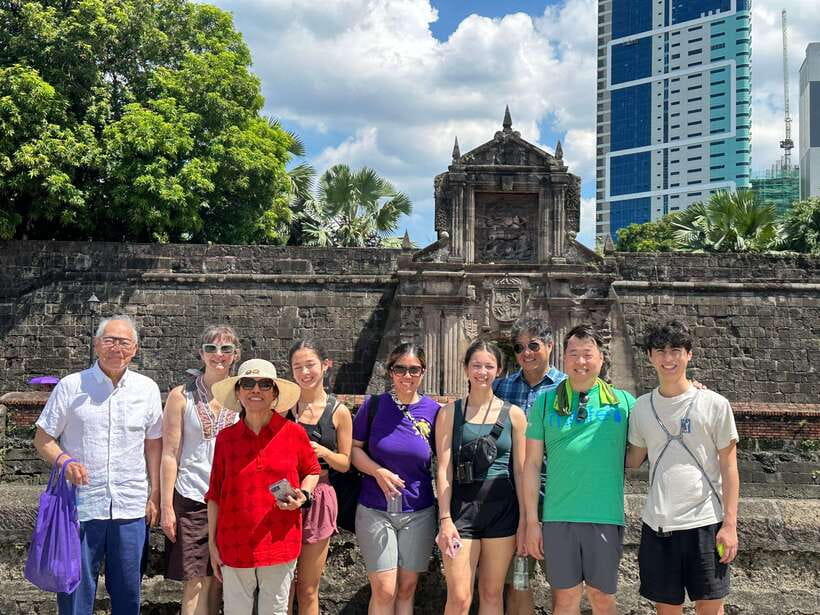
- Finish at Fort Santiago, so the walk lands on a fortress-ending viewpoint
- Water and photo support included, so you can focus on seeing instead of scrambling
Other walks inside the old walls
- Intramuros, Manila: Historical Bamboo Bike Tour★ 4.8 · 583 reviews
- Manila: Intramuros, Chinatown, and Old Manila Half-Day Tour★ 4.8 · 475 reviews
- Manila: Guided Sunset Bamboo Bike Tour in Intramuros★ 4.8 · 119 reviews
- Viva Old Manila: Intramuros Walking Tour★ 4.9 · 104 reviews
Casa Manila start: the best way to orient yourself before you walk the walls
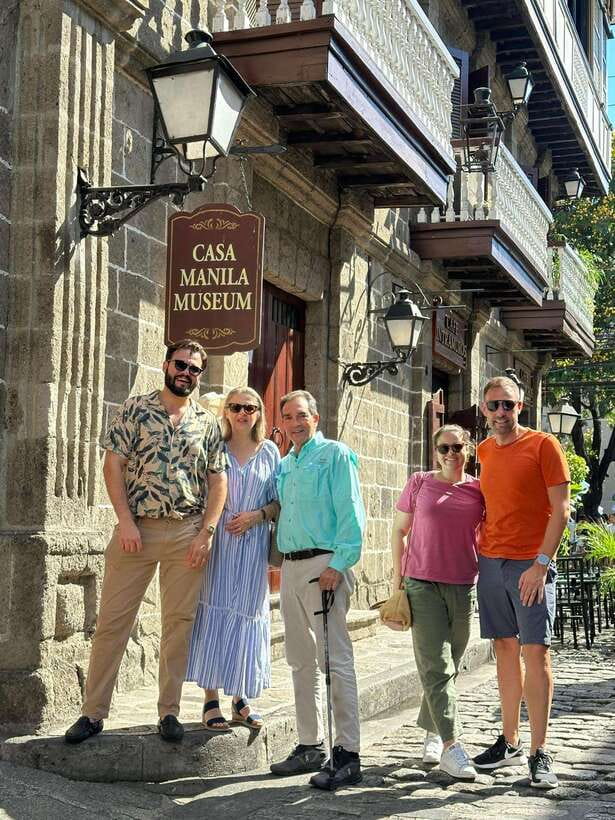
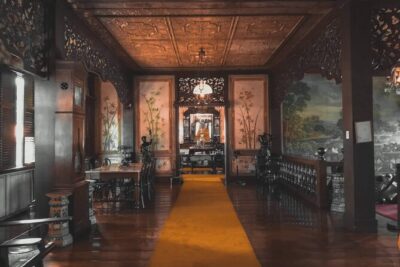
Starting at Casa Manila is smart because it gives you a human-scale entry point to a place that can feel confusing at first. Casa Manila sits right in the Intramuros orbit, and it is an easy place to find your guide. In the meeting instructions, you are told to look for Jane at Casa Manila, right in front of Barbaras Restaurant. That small detail matters, because you do not waste the first 20 minutes of your tour playing phone-tag in a busy area.
This opening stop also matters for pacing. You are not just showing up to a fortress maze and hoping it clicks. Instead, you start with a structured introduction and then you move into the tight streets and major landmarks that define Intramuros. If you like tours that give you a framework, you will probably find it easier to enjoy the walk instead of only snapping pictures.
One more practical point: the tour reminds you to bring a passport or ID card and wear comfortable clothes and shoes. That may sound basic, but it is exactly the kind of detail that helps you stay relaxed early. If you show up prepared, your head stays in sightseeing mode.
Intramuros at walking speed: how the walls shaped streets, squares, and defenses
Intramuros is famous as a walled city, and your guide will explain it in plain terms: it was built mainly as a defensive curtain, a protective shell against outside aggression. That one idea changes how you look at everything. When you understand the goal was defense, the layout stops feeling random and starts feeling intentional.
As you move through the walled area, you learn how the city fits a compact street framework, with a central square surrounded by government offices. You also hear the defensive story, including mentions of cannons, moats, bulwarks, and ravelins. Even if you do not remember every term, you will remember the pattern: the walls and the geometry were meant to control movement, visibility, and protection.
You will also experience the street feel of Intramuros. The streets are described as compressed, almost like a tight web. That is why a guided route helps. If you walk on your own, you might see the walls and churches, but you might miss how everything connects as a system.
The best part here is that the tour keeps the pace manageable for a half-day window. You get time for a photo stop, guided talking, and some free time while you are inside Intramuros. That blend is useful because you can both learn and then reset your eyes to capture the architecture on your own terms.
If your goal is to understand Manila beyond headline landmarks, this section is the backbone. You will come away with a mental map that makes later stops easier to place.
Manila Cathedral and San Agustin Church: two landmarks, one storyline you can follow
The tour highlights two headline churches: Manila Cathedral and San Agustin Church. These stops are not just photo ops. They are part of the reason Intramuros became a cultural center, and your guide will help you connect the sites to the larger story of the area.
Manila Cathedral is described as the most recent version of the long-standing Church of Manila. That is helpful context because it gives you permission to notice layers. You are not just staring at one building. You are looking at continuity, with later versions replacing earlier ones while the site stayed important.
San Agustin Church is tied to a major global reference point, described as a National Historical Landmark Church designated as a UNESCO World Heritage site. That matters because it signals why this place is preserved and discussed internationally. When a UNESCO designation is involved, it also often means the site is treated as more than local nostalgia. It becomes part of a broader heritage conversation, and a good guide will point out why.
In practice, what I like about pairing these two stops is the variety of architectural feel and the way the guide can thread the narrative between them. You get to compare, not just collect. If you pay attention, you start noticing how each site supports a different function in the community, while still belonging to the same walled-city world.
One small consideration: church visits often bring crowds, and the tour includes sightseeing time. If you prefer quiet moments, plan to be flexible with timing, and use the guided points to aim for the best photo angles rather than trying to win the best shot every time.
Casa Manila and the Jose Rizal Museum: turning portraits and politics into context
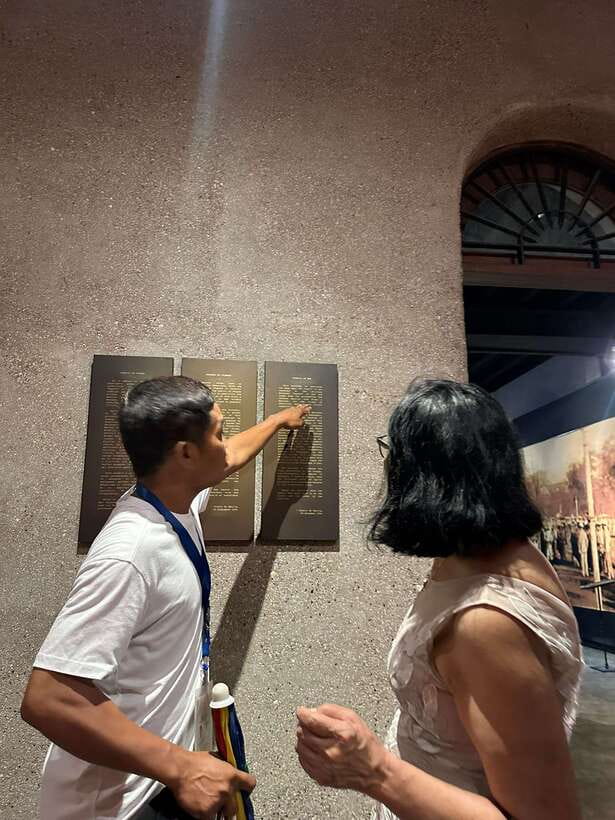
Casa Manila is listed as a highlight, and the Jose Rizal Museum is also part of what you will see. This combination is valuable because it pushes you beyond buildings and into the people side of the story.
Rizal is a key name for understanding Philippine identity and the tension between Spanish rule and Filipino aspirations. When a tour includes both the museum site and major religious and civic landmarks, you start to connect how ideology and power lived side by side. You see the strong institutional buildings, then you pivot to a museum context that helps explain why those institutions mattered to real lives.
Even if you are not a museum person, I think this stop works because it gives you a way to interpret what you already saw. The cathedral and church stops can feel like architecture first. The museum context helps those walls and squares feel like they belonged to actual history, not just travel scenery.
Also, because Casa Manila is your starting point, it gives you continuity. You meet your guide there and you finish with another major landmark later at Fort Santiago. That start-end rhythm can make your notes easier to keep straight in your mind, especially when you are traveling quickly.
Other Manila outings that kept coming up while we researched this one


Fort Santiago finish: ending on the fortress, not just another gate
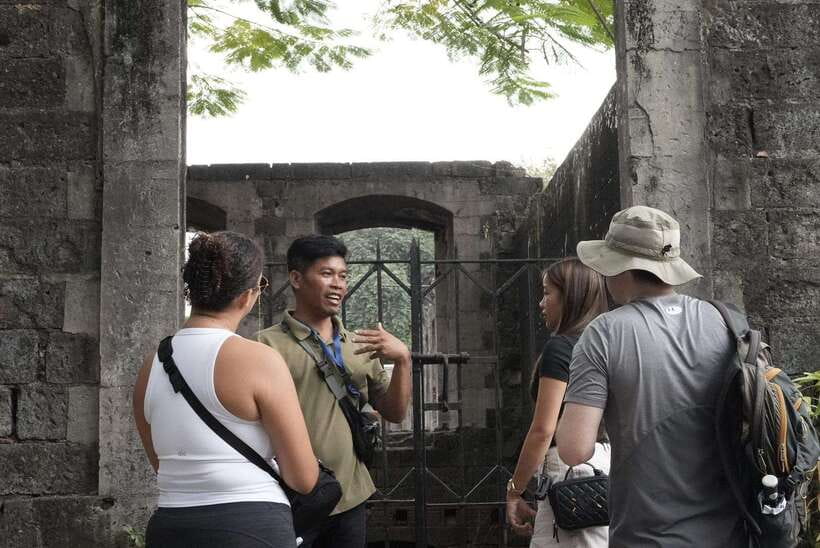
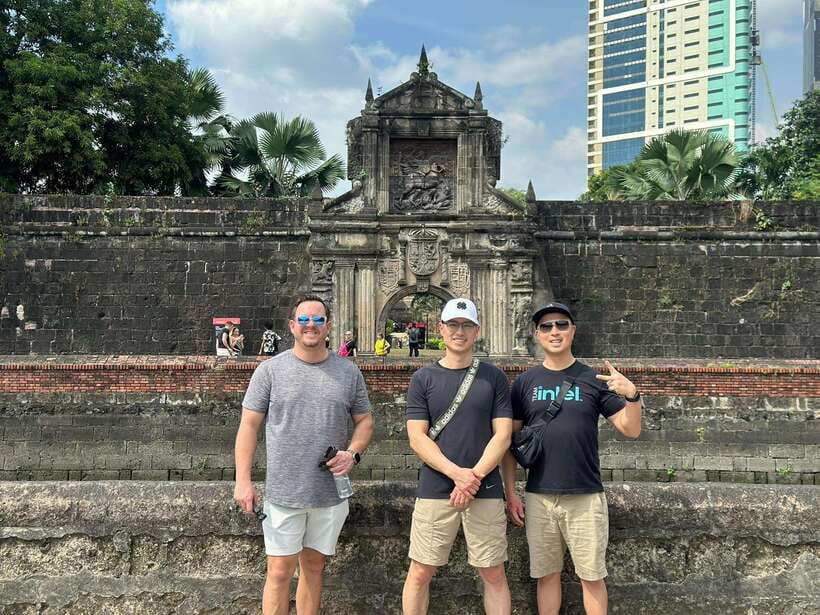
Finishing at Fort Santiago is a strong decision because it closes your Intramuros story with a defense-focused payoff. You start with a cultural and museum-oriented context, then you move through churches and city layout, and you end at a fort.
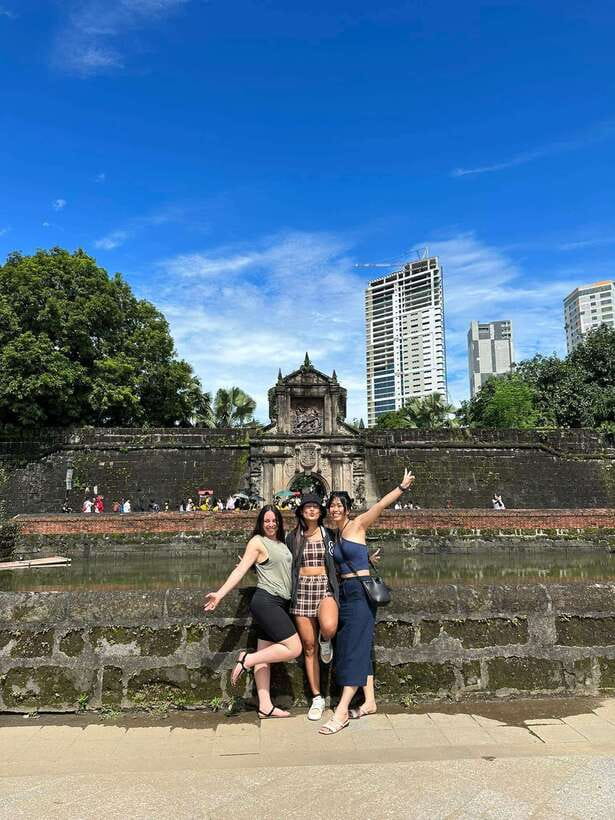
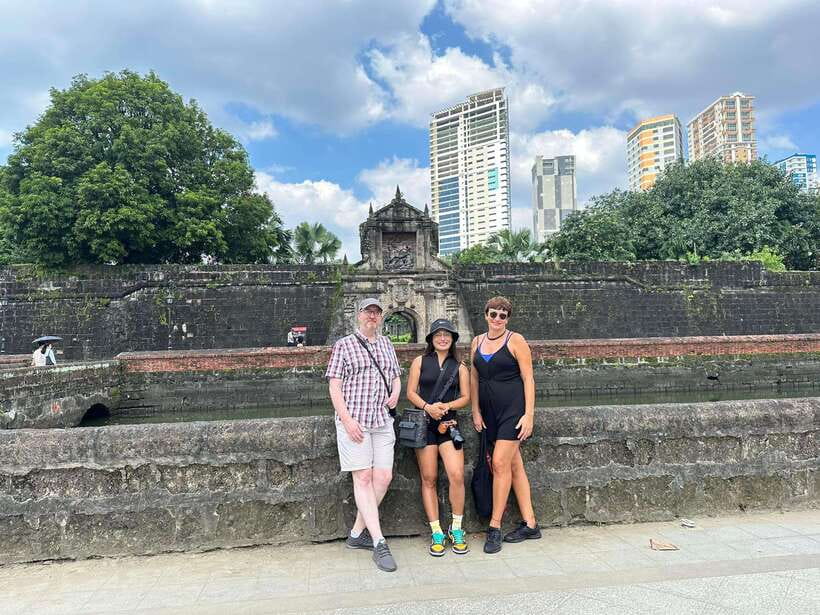
If the goal is to understand why Intramuros is called a walled city, Fort Santiago is the final proof. Even without turning it into a battlefield reenactment, you can feel the function of a stronghold. It makes sense of the defensive terms your guide mentions earlier, like bulwarks and moats, because you are ending in a place designed for protection and control.
This ending also helps if you have limited time in Manila. A walking tour that ends at a fort can be easier to build around than one that ends back at the start point. You can decide what to do next based on where you will be physically standing, not just where you began.
One practical note: since the tour is described as mostly walking and sightseeing, make sure you treat the fort ending as part of the physical plan. Wear shoes that do not punish you late in the route.
Guide impact: Jane, English explanations, humor, and the right pace
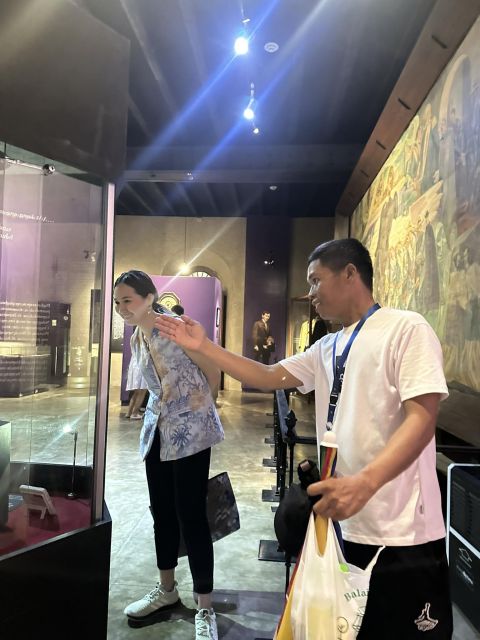
The guide is not a small detail here. Across multiple positive accounts, Jane is repeatedly singled out for her English command, humor, and passion for Filipino history. That combination is a big deal in a place where people often want both facts and flow.
I also like that the guide approach can handle different group needs. One account mentions adjusting for a senior in the group. That tells me the best version of this tour is not just scripted. It adapts in real time, which can make your visit feel more human.
There is also a helpful note about the route covering more ground in one case, where the guide used a Tuk Tuk within the walled city. The official duration is 2.5 hours, so do not assume transportation like that will always happen. But it does suggest that the guide may use practical shortcuts if it helps you see more without rushing you.
Balanced caution: one low rating points to a situation where the guide was not seen as well trained on facts, and the person felt it was not worth the price. That is rare, but it is a reminder that tour quality can depend on who leads your group. If you care a lot about precision and you end up with a guide who is less strong, ask follow-up questions and be direct about what you want to learn at each stop.
Price and value: what you get for about $50 in 2.5 hours
At $50 per person for a 2.5-hour guided walk, the value is mostly about what is included and what you avoid. You are paying for a live English guide, water, and photo support. You are also paying for structure, which is not free when you are learning a layout like Intramuros.
For me, the main value lever is the guide. Intramuros is walkable, but it is not necessarily easy to interpret without help. When you get a guide who can explain the why behind the walls, the streets and landmarks start clicking. That is where $50 can feel fair, even if you could technically wander the area on your own.
There are a couple of things to factor in. Hotel pickup and drop-off are not included, so you need to get to Casa Manila on your own. Also, the tour is not aimed at people who want a minimal walking experience. If that is you, you might feel the time cost more than the content value.
Overall, if you want a guided route that hits Manila Cathedral, San Agustin Church, the Rizal-related stop at Casa Manila, and ends at Fort Santiago, then you are paying for convenience, interpretation, and time efficiency.
Who this tour is for, and who should look elsewhere
This is a good fit if you want a focused introduction to Manila’s colonial-era heart. It is especially suitable for first-timers who have a short window and want named stops with context, not random sightseeing.
You also get a strong language advantage since the tour is English. If English is a must for you, this is a clear point in the tour data.
It is less suitable if you need wheelchair access, since the tour is not designed for wheelchair users. People over 95 years old are also noted as not suitable, and because it is a walking and sightseeing format, older visitors should take that warning seriously.
If you travel for quiet self-paced roaming, you may feel boxed in. The tour includes free time inside Intramuros, but it is still guided. In other words, this is for people who like to walk with a plan and learn as they go.
Should you book this Intramuros walking tour with Jane?
Book it if you want a short, guided route that connects Intramuros defenses, major churches, the Jose Rizal Museum context at Casa Manila, and a finishing stop at Fort Santiago. I think it is especially worth it when you value a guide who can explain what you are looking at, with humor and clear English.
Skip it or consider alternatives if walking distance is an issue for you, or if you only want self-guided time and do not plan to ask questions. Also, if you are very sensitive to tour quality and you cannot tolerate a weaker guide, you should keep your expectations flexible and come ready to engage.
If you do go, wear comfortable shoes, bring sunscreen and a sun hat, and show up at Casa Manila looking for Jane. Then walk with your curiosity turned on, because Intramuros is much easier to enjoy once the walls are translated into story.
FAQ
How long is the Intramuros walled city guided walking tour?
The tour duration is 2.5 hours.
Where do I meet the guide?
Meet your guide at Casa Manila in front of Barbaras Restaurant. Look for Jane.
What are the main places you visit?
You will spend time in Intramuros and see key sites including Manila Cathedral, San Agustin Church, Casa Manila, Jose Rizal Museum, and Fort Santiago.
Is the tour in English?
Yes, the live tour guide speaks English.
What is included in the price?
Included items are a live guide, photography, and water.
Is hotel pickup and drop-off included?
No, hotel pickup and drop-off are not included.
What should I bring?
Bring a passport or ID card, comfortable shoes, sunglasses, a sun hat, sunscreen, water, and comfortable clothes.
Is the tour refundable if I change my plans?
You can cancel up to 24 hours in advance for a full refund.
More Tours in Manila
- Intramuros, Manila: Historical Bamboo Bike Tour★ 4.8 · 583 reviews
- Manila: Intramuros, Chinatown, and Old Manila Half-Day Tour★ 4.8 · 475 reviews
- Manila: Old & New 4-Hour City Tour★ 4.5 · 458 reviews
- Manila Food Tour: Introduction to Philippine Street Food★ 5.0 · 417 reviews
More Tour Reviews in Manila
- Intramuros, Manila: Historical Bamboo Bike Tour★ 4.8 · 583 reviews
- Experience Intramuros with Bamboo Bicycle – Ecotours★ 5.0 · 508 reviews
- Manila: Intramuros, Chinatown, and Old Manila Half-Day Tour★ 4.8 · 475 reviews
- Manila: Old & New 4-Hour City Tour★ 4.5 · 458 reviews
Inside the Old Walls
- Intramuros, Manila: Historical Bamboo Bike Tour★ 4.8 · 583 reviews
- Experience Intramuros with Bamboo Bicycle – Ecotours★ 5.0 · 508 reviews
- Manila: Intramuros, Chinatown, and Old Manila Half-Day Tour★ 4.8 · 475 reviews
- Manila: Guided Sunset Bamboo Bike Tour in Intramuros★ 4.8 · 119 reviews
More of Manila, reviewed
- Private Departure Airport Transfer in Manila Bay and Makati Area
★ 5.0 · 3 reviews - Embark on a 7-Day Banaue-Sagada Adventure of a Lifetime
★ 5.0 · 3 reviews - From Manila: Philippines Private Tour Guide
★ 4.1 · 3 reviews - Unforgettable Manila Fishing Village Day Excursion 2024
★ 5.0 · 4 reviews - Tagaytay + Hidden Valley Springs: A Scenic Escape w/ Transfers
★ 4.0 · 4 reviews
Intramuros and Old Manila Walking Tours, start to finish.
 ★ 4.8Intramuros, Manila: Historical Bamboo Bike TourFrom $27583 reviews
 ★ 5.0Experience Intramuros with Bamboo Bicycle – EcotoursFrom $39508 reviews
 ★ 4.8Manila: Intramuros, Chinatown, and Old Manila Half-Day TourFrom $68475 reviews
 ★ 4.5Manila Old and New: Sightseeing Tour Including Intramuros and Fort SantiagoFrom $103377 reviews
 ★ 4.8Manila: Guided Sunset Bamboo Bike Tour in IntramurosFrom $40119 reviews
 ★ 4.9Viva Old Manila: Intramuros Walking TourFrom $27104 reviews
 ★ 5.0Manila’s Walled City: Intramuros Walking TourFrom $3582 reviews
 ★ 5.0Explore Intramuros: Introduction to Philippine HistoryFrom $5580 reviews
Where this one shows up