
REVIEW · MANILA
Manila: Intramuros and Chinatown Food Tour with Food Samples
Manila goes from stone walls to street snacks. This Intramuros and Binondo walk pairs real-history stops with a Chinatown food crawl, led in English and Tagalog over about 5 hours. One thing to weigh: you cover a lot of walking, and this is not the right choice if you have food allergies.
I like how the route mixes big sights with practical breaks, like a tuk-tuk ride between neighborhoods. The group stays small, limited to 8 people, so your guide can keep things on track and still answer questions.
In This Review
- Key highlights at a glance
- How this 5-hour Intramuros and Chinatown tour fits together
- Fort Santiago: start where Jose Rizal’s story took shape
- Manila Cathedral and San Agustin Church in one walking stretch
- The tuk-tuk ride: a breezy shortcut from Intramuros to Chinatown
- Binondo’s food tasting: seven classic Chinese dishes, explained as Filipino-Chinese fusion
- Ending at Binondo Church: a calm finish after the snacks
- Price and value: what $80 really buys you
- Tips that make the tour feel easier (and better photos)
- Who should book this tour, and who should skip it
- Should you book? My practical take
- FAQ
- Where does the tour start and end?
- How long is the tour?
- How big is the group?
- What food will I try in Chinatown?
- Does the tour include a guide and what languages are offered?
- Is the tuk-tuk ride included?
- What is included in the price?
- What should I bring, and what is not allowed?
- Is this tour suitable for wheelchair users or people with food allergies?
Key highlights at a glance
- Fort Santiago first, so you start with the Jose Rizal era before you hit Chinatown bites.
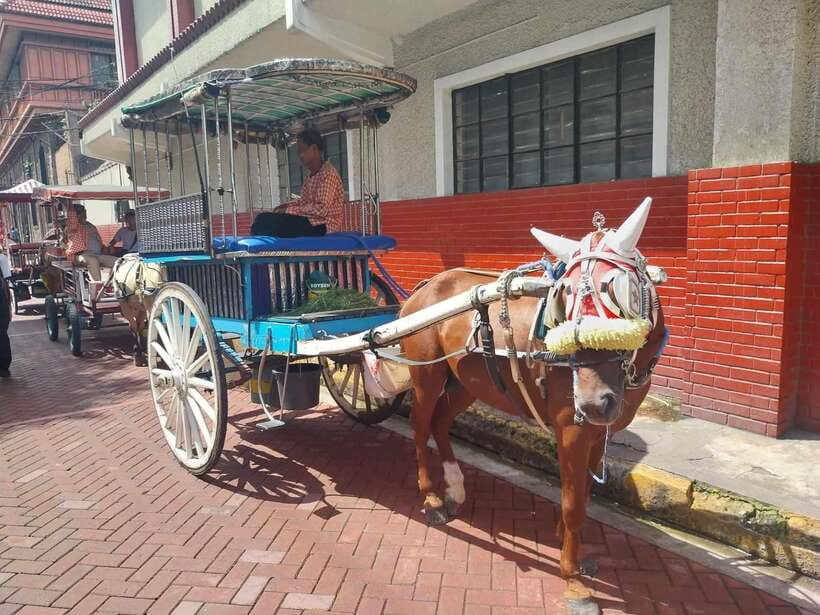
- Tuk-tuk transfer from Intramuros to Binondo, a quick, breezy break on cobblestones.
- Seven Chinese tastings in Binondo, including siopao, siomai, lumpia, hopia, pansit, egg tart, and buchi (availability varies).
- Stops at major churches, including San Agustin Church (UNESCO World Heritage) and the historic Manila Cathedral.
- Small-group pacing, capped at 8 participants, which makes the walking parts feel manageable.
- Photo support and rules, you can bring your camera, but flash photography is not allowed.
Other walks inside the old walls
- Intramuros, Manila: Historical Bamboo Bike Tour★ 4.8 · 583 reviews
- Manila: Intramuros, Chinatown, and Old Manila Half-Day Tour★ 4.8 · 475 reviews
- Manila: Guided Sunset Bamboo Bike Tour in Intramuros★ 4.8 · 119 reviews
- Viva Old Manila: Intramuros Walking Tour★ 4.9 · 104 reviews
How this 5-hour Intramuros and Chinatown tour fits together
This tour is built like a short story arc. You begin at Fort Santiago, move through the nearby historic churches, then cross town by tuk-tuk to Chinatown for the food portion, ending at Binondo Church.
The schedule is about 5 hours total. You’ll spend roughly an hour at Fort Santiago, about 40 minutes combined at Manila Cathedral and San Agustin Church, then about 3 hours on the food tasting in Binondo, finishing right at the church.
What makes it feel efficient is the mix of walking and quick transport. Even with the walking, the stops are close enough that you do not feel like you are constantly transferring.
Fort Santiago: start where Jose Rizal’s story took shape
You start at the Fort Santiago Gate, and that matters because it sets the tone fast. Fort Santiago was central to the Philippines colonial past, and your guide brings that context to the preserved ruins you’ll explore.
You’ll walk through the fort grounds and take in the atmosphere of a place that holds layers of Manila’s modern identity. The focus here is not just photos, it is how the site connects to national hero Jose Rizal and the larger story of the city.
This is also where the tour earns its historical weight without turning into a lecture marathon. With an expert guide in English, and Tagalog also available, you get clear storytelling that helps the rest of the route make sense.
Practical note: wear shoes with real grip. The area is historic, so you are on surfaces that can be uneven.
Manila Cathedral and San Agustin Church in one walking stretch
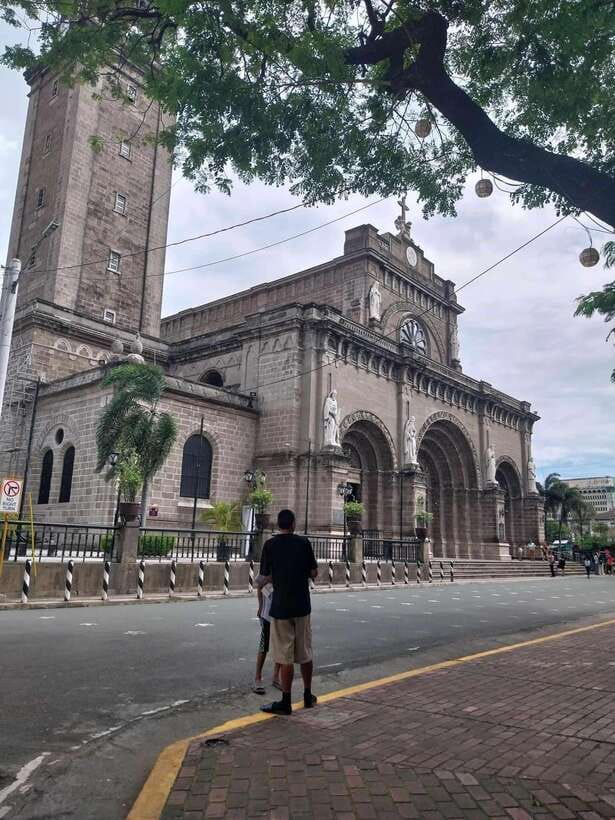
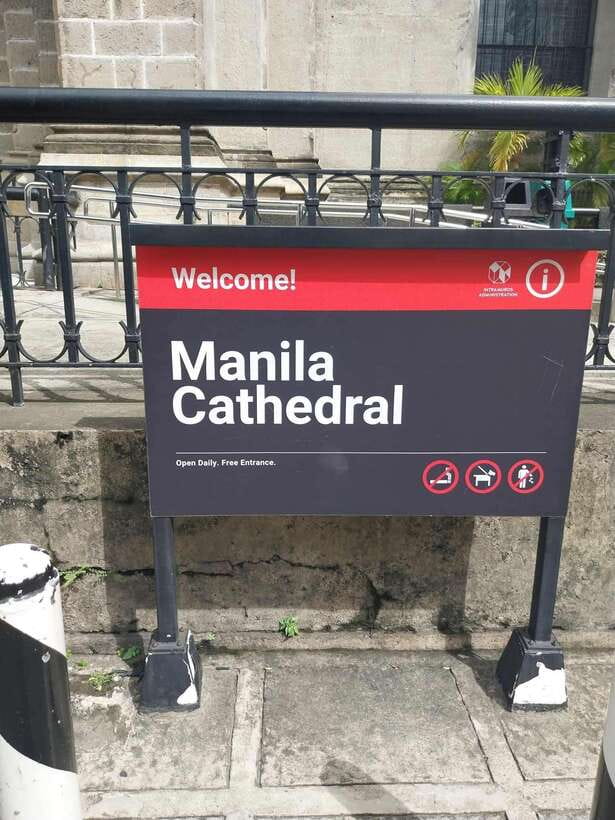
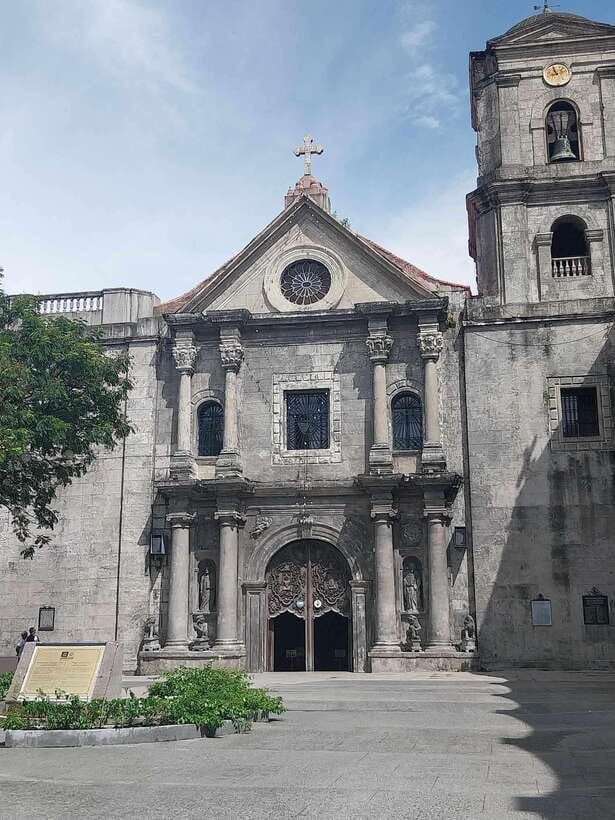
From Fort Santiago, you head to Manila Cathedral for a short walk. The cathedral is known for enduring through time, including periods of damage from natural disasters, and it functions as both a spiritual and historical landmark.
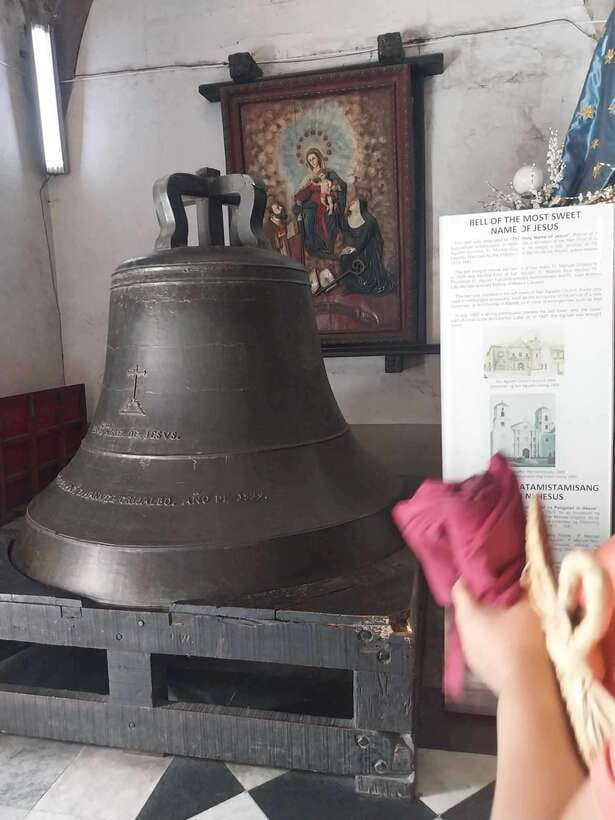
Then it is on to San Agustin Church, the oldest stone church in the Philippines. It is a UNESCO World Heritage site, and the guide helps you notice what makes it feel distinct, including its baroque design and its long heritage.
These two stops are close, which is a smart move for a half-day tour. You get architectural variety without losing time to long travel between far-flung areas.
If you care about photography, bring your camera but remember the rule: no flash. Also, if you tend to overpack, keep it simple since you will be walking between sites.
The tuk-tuk ride: a breezy shortcut from Intramuros to Chinatown
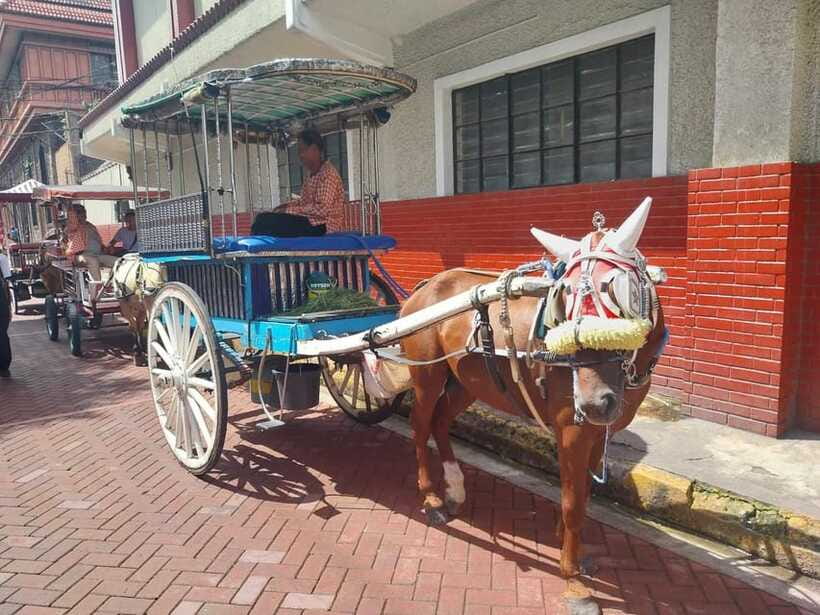
After the church stops, you hop into a tuk-tuk for the transfer to Chinatown. It is not a long ride, but it changes the feel of the day, turning the route into something you actually enjoy rather than just endure.
This part is also useful because you pass by familiar city scenes while still staying inside the historical vibe of Intramuros. The cobblestone streets make walking feel a bit slower, so the tuk-tuk is a welcome reset.
You do not need to be a thrill-seeker here. The ride is brief and meant to keep energy up for the food portion that comes next.
Tip for comfort: keep water handy, and use sunscreen. The tour includes time outdoors, and Chinatown energy tends to ramp up after you arrive.
Still hungry? More Manila eating
Binondo’s food tasting: seven classic Chinese dishes, explained as Filipino-Chinese fusion
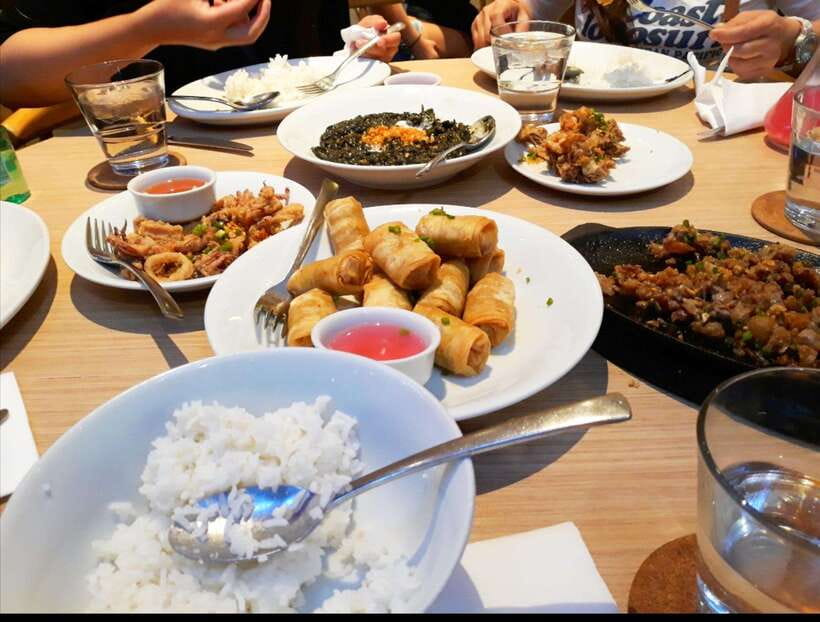
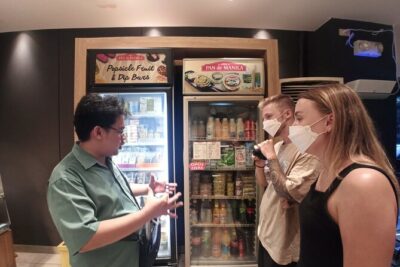
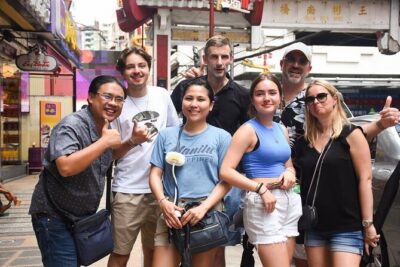
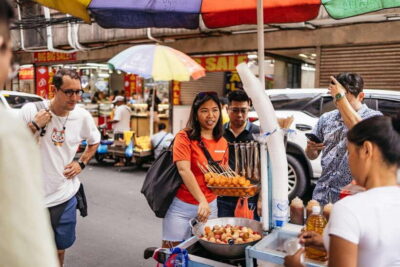
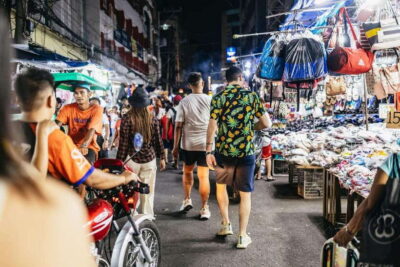
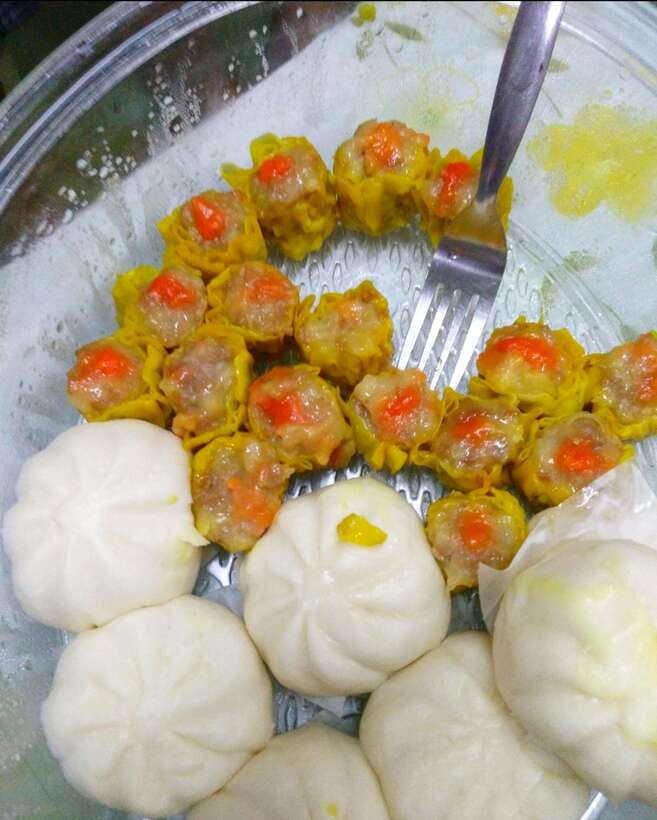
The heart of the tour is Binondo, the world’s oldest Chinatown. This is where history becomes taste, and you get at least 7 authentic Chinese delicacies as part of the experience.
The menu can vary depending on availability, but the typical lineup includes:
- Fried siopao
- Pork siomai
- Lumpia (spring rolls)
- Hopia (mung bean pastry)
- Pansit (stir-fried noodles)
- Egg tart
- Buchi
What I like is that you are not just handed food. Your guide connects the dishes to how Chinese culture influenced Filipino cuisine, and why Binondo became the busy cultural crossroads it is today.
A smart way to approach tastings is to pace yourself. Start with one savory item, then cleanse with a sip of water, then move into the next bite. You will likely be tempted to keep ordering in your head, because everything smells good and a few items tend to hit your craving switch fast.
Also, this tour is listed as not suitable for people with food allergies. Even though you are asked to inform the operator of dietary restrictions in advance, the safest move if you have serious allergies is to skip this style of tasting tour and choose something that can guarantee ingredient-by-ingredient control.
Ending at Binondo Church: a calm finish after the snacks
You finish at Binondo Church, officially the Minor Basilica and National Shrine of Saint Lorenzo Ruiz. After the food portion, this ending works well because it slows the day down.
It is a chance to reset your senses, look around without constant eating pressure, and take in one more layer of Manila’s heritage. In a tour that starts with fortress walls and ends with church steps, the “story circle” feels natural.
You can also take a few final photos here, since you already received guidance earlier about photography expectations.
If you are staying nearby, this is a practical drop-off point, since Chinatown has lots of onward options.
Price and value: what $80 really buys you
At $80 per person for about 5 hours, you are paying for more than walking and snacks. You are getting:
- A professional English-speaking guide (with English and Tagalog availability)
- Entrance fees for Fort Santiago
- A tuk-tuk ride
- Food tastings in Binondo, at least 7 samples
- Photography assistance
- A small group size limited to 8 participants
- Skip-the-ticket-line support
Food tours can feel expensive if the list is vague, but here the tasting items are specific, and you know it is built around real Chinatown classics. Add in the fort and church entrances plus the tuk-tuk transfer, and the total feels more like a “guided day” than a simple snack stop.
For me, the best value is the blend of guided context and pacing. If you just walked on your own, you could absolutely eat in Binondo, but you would likely miss the connections your guide makes between the Chinese influence and what shows up on Filipino tables.
Tips that make the tour feel easier (and better photos)
This is a walking tour, so plan like it. The essentials to bring are comfortable shoes, a camera, sunscreen, and water.
If you want sharp photos, bring your camera but do not plan on using flash. Indoors at churches, light can be low, so a steady hand helps, and you might rely more on natural light and avoiding glare than on flash.
Keep your phone protected during the tuk-tuk ride. Even a short ride can mean bumps on older streets. A small crossbody bag or zipped pocket is a simple safety move.
For the food part, go with an open mind and a small strategy. Ask your guide which items are most filling first, then choose your pace. The sampling style means you can try a variety without needing to commit to one big meal right away.
Who should book this tour, and who should skip it
This tour is ideal if you want Intramuros history and Binondo food in one half-day plan. If you like walking with a guide, appreciate architecture, and want a structured way to taste Chinatown specialties, you will probably enjoy the format.
It also suits people who want small-group attention. With a maximum of 8 participants, the guide can keep the group together, answer questions, and manage transitions between stops.
Skip it if wheelchair access is a requirement. The tour is listed as not suitable for wheelchair users, and the walking route across historic areas likely involves steps or uneven surfaces.
Skip it too if you have food allergies. The tour notes it is not suitable for people with food allergies, and tasting menus always carry risk when ingredients are not fully controlled.
Should you book? My practical take
I think this is a strong choice if you want a focused 5-hour plan that balances history with food. Starting at Fort Santiago gives you a clear Manila storyline, then the route naturally shifts into church architecture before the day lands in Binondo for specific tastings.
Book it if you:
- Want 7 Chinese food samples with guidance on what you’re eating
- Prefer a small group, capped at 8
- Like historical sites, especially Fort Santiago, Manila Cathedral, and San Agustin Church
Do not book it if you:
- Need wheelchair access
- Have food allergies you are not comfortable managing in a tasting format
If your goal is to leave Manila knowing more than just where things are, this tour is built for that. You get context, you get variety, and you end the day full, with a final stop at Binondo Church to round everything off.
FAQ
Where does the tour start and end?
The tour starts at the Fort Santiago Gate and ends at Binondo Church.
How long is the tour?
The duration is 5 hours.
How big is the group?
The tour is a small group limited to 8 participants.
What food will I try in Chinatown?
You’ll enjoy 7 food tastings in Binondo. The listed items include fried siopao, pork siomai, lumpia, hopia (mung bean pastry), pansit, egg tart, and buchi depending on availability.
Does the tour include a guide and what languages are offered?
Yes. It includes a live tour guide with English and Tagalog.
Is the tuk-tuk ride included?
Yes. The tour includes a tuk-tuk ride between Intramuros and Chinatown.
What is included in the price?
Included are a professional guide, the tuk-tuk ride, 7 Chinatown food tastings, entrance fees to Fort Santiago, and photography assistance.
What should I bring, and what is not allowed?
Bring comfortable shoes, a camera, sunscreen, and water. Smoking and flash photography are not allowed.
Is this tour suitable for wheelchair users or people with food allergies?
No. The tour is listed as not suitable for wheelchair users and not suitable for people with food allergies.
More Tour Reviews in Manila
- Intramuros, Manila: Historical Bamboo Bike Tour★ 4.8 · 583 reviews
- Experience Intramuros with Bamboo Bicycle – Ecotours★ 5.0 · 508 reviews
- Manila: Intramuros, Chinatown, and Old Manila Half-Day Tour★ 4.8 · 475 reviews
- Manila: Old & New 4-Hour City Tour★ 4.5 · 458 reviews
Manila by the Plate
- Manila: Intramuros, Chinatown, and Old Manila Half-Day Tour★ 4.8 · 475 reviews
- Manila Food Tour: Introduction to Philippine Street Food★ 5.0 · 417 reviews
- Manila Food Tour: Explore World’s Oldest Chinatown★ 5.0 · 158 reviews
- Manila: Street Food and Drinks Walking Tour with Tastings★ 4.8 · 114 reviews
Inside the Old Walls
- Intramuros, Manila: Historical Bamboo Bike Tour★ 4.8 · 583 reviews
- Experience Intramuros with Bamboo Bicycle – Ecotours★ 5.0 · 508 reviews
- Manila: Intramuros, Chinatown, and Old Manila Half-Day Tour★ 4.8 · 475 reviews
- Manila: Guided Sunset Bamboo Bike Tour in Intramuros★ 4.8 · 119 reviews
More of Manila, reviewed
- Private Departure Airport Transfer in Manila Bay and Makati Area
★ 5.0 · 3 reviews - Embark on a 7-Day Banaue-Sagada Adventure of a Lifetime
★ 5.0 · 3 reviews - From Manila: Philippines Private Tour Guide
★ 4.1 · 3 reviews - Unforgettable Manila Fishing Village Day Excursion 2024
★ 5.0 · 4 reviews - Tagaytay + Hidden Valley Springs: A Scenic Escape w/ Transfers
★ 4.0 · 4 reviews
Intramuros and Old Manila Walking Tours, start to finish.
 ★ 4.8Intramuros, Manila: Historical Bamboo Bike TourFrom $27583 reviews
 ★ 5.0Experience Intramuros with Bamboo Bicycle – EcotoursFrom $39508 reviews
 ★ 4.8Manila: Intramuros, Chinatown, and Old Manila Half-Day TourFrom $68475 reviews
 ★ 4.5Manila Old and New: Sightseeing Tour Including Intramuros and Fort SantiagoFrom $103377 reviews
 ★ 4.8Manila: Guided Sunset Bamboo Bike Tour in IntramurosFrom $40119 reviews
 ★ 4.9Viva Old Manila: Intramuros Walking TourFrom $27104 reviews
 ★ 5.0Manila’s Walled City: Intramuros Walking TourFrom $3582 reviews
 ★ 5.0Explore Intramuros: Introduction to Philippine HistoryFrom $5580 reviews
Where this one shows up