
REVIEW · MANILA
Manila: Walled City Intramuros Walking Tour
Intramuros turns history into a walk. I like how the route starts at Fort Santiago and connects directly to José Rizal, and I also love how the guide explains the hard truths of World War II in 1945 in clear, human terms. With a live guide like Andre, the story feels organized, not like a lecture.
The tradeoff is physical, plan for about 5,000 steps on cobblestones and uneven ground, plus modest dress rules for churches.
In This Review
- Key things I’d plan around first
- Intramuros in 3 to 3.5 hours: what this tour gets right
- Fort Santiago first, plus Rizal’s final days by the river
- Manila Cathedral and Plaza Roma: where the colonial city still breathes
- The WWII part: Memorare Manila 1945 and what happened in 1945
- San Agustin Church (UNESCO) for architecture fans and quick worship-stops
- The kalesa or tranvia ride: a welcome break inside the walls
- Casa Manila Museum: 19th-century living you can actually picture
- Price and value: is $31 a good deal for this route?
- What the day feels like: pacing, group size, and organization
- Comfort checklist: shoes, weather, and modest dress rules
- Who this tour suits, and who should skip it
- Should you book this Intramuros walking tour?
- FAQ
- How long is the Manila: Walled City Intramuros Walking Tour?
- What’s included in the price?
- How much walking is involved?
- Which main stops are part of the route?
- Are there dress rules for the churches?
- Does the tour run in bad weather?
- Is it suitable for wheelchair users or limited mobility?
Key things I’d plan around first
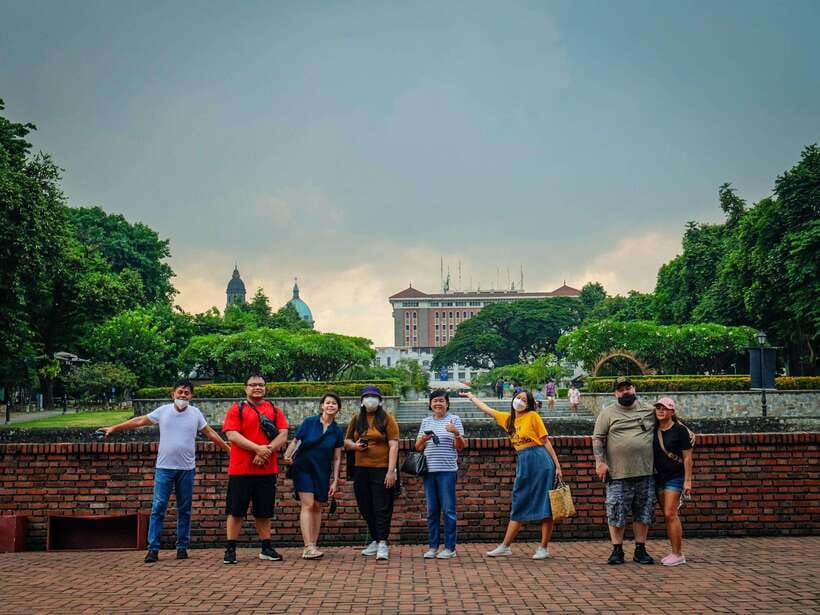
- Fort Santiago as the anchor, with river views and the Rizal shrine nearby
- World War II stops that explain Manila’s 1945 ordeal without sugarcoating
- UNESCO San Agustin Church, a quick but memorable photo and visit moment
- Casa Manila Museum, where 19th-century home life becomes easy to picture
- A short kalesa or tranvia ride, so you get a break from walking
Other walks inside the old walls
- Intramuros, Manila: Historical Bamboo Bike Tour★ 4.8 · 583 reviews
- Manila: Intramuros, Chinatown, and Old Manila Half-Day Tour★ 4.8 · 475 reviews
- Manila: Guided Sunset Bamboo Bike Tour in Intramuros★ 4.8 · 119 reviews
- Viva Old Manila: Intramuros Walking Tour★ 4.9 · 104 reviews
Intramuros in 3 to 3.5 hours: what this tour gets right
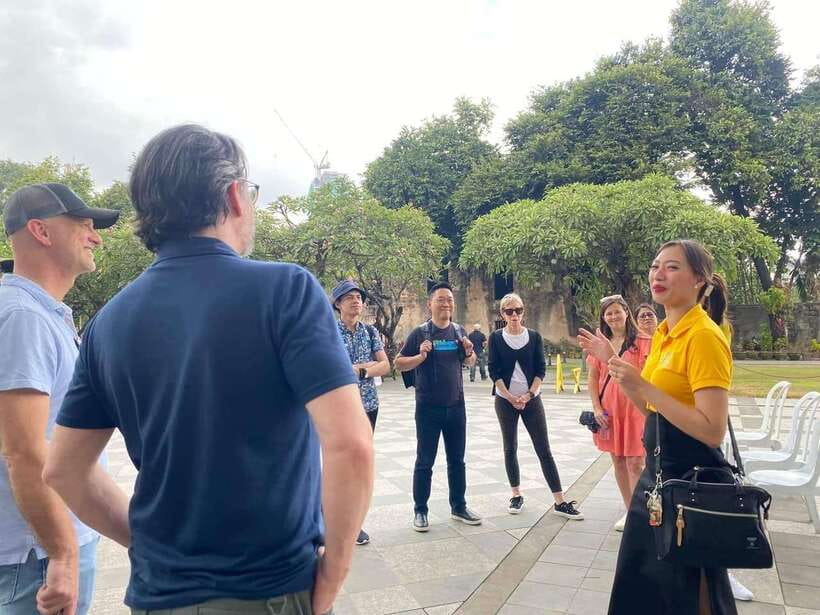
This is a compact, well-paced walking tour of Old Manila, focused on the walled city of Intramuros and the moments that shaped it. You are not trying to see everything across Manila, you are seeing the places that most clearly explain how the city developed, suffered, and rebuilt.
The best part is the way the guide ties stops together. Fort Santiago sets the frame. Then the tour moves from colonial-era stories into the realities of World War II, and it ends with Casa Manila to show what everyday living looked like later, under Spanish influence.
Fort Santiago first, plus Rizal’s final days by the river
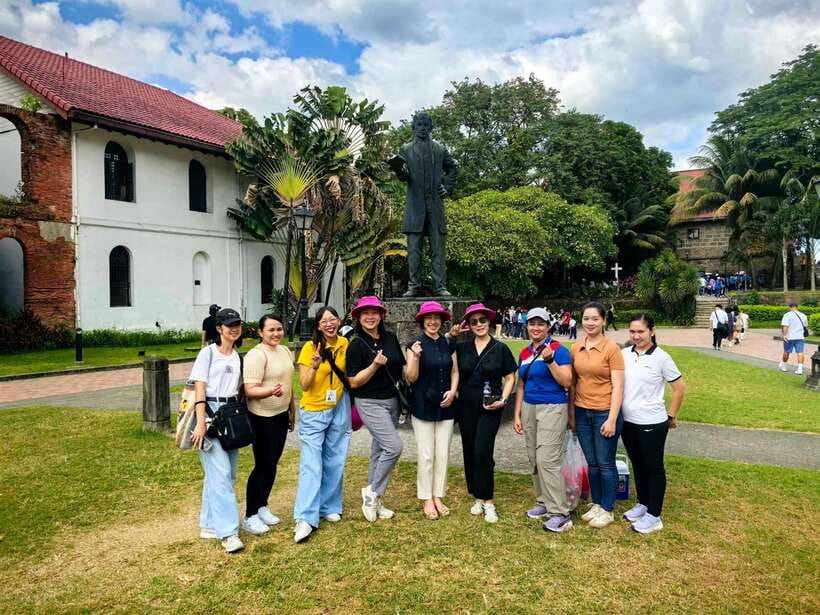
You begin at Fort Santiago, where the ground itself helps you understand why this area mattered. Expect a guided walk of the fort’s grounds for about an hour, with plenty of time for sightseeing and photos, including views near the river.
Then comes the José Rizal shrine stop at Fort Santiago. This is one of the most reflective parts of the route, with a photo stop and a guided visit that focuses on his final days. Even if you only know the basics of Rizal from school, the guide’s explanation helps you place the timeline in your head instead of treating it like a blur of dates.
Tip for your photos: the tour gives you a dedicated photo moment at the shrine, so you do not have to sprint. Wear shoes with good grip, because the fort area is the kind of place where your footing matters more than your camera settings.
Manila Cathedral and Plaza Roma: where the colonial city still breathes

Next you head toward Manila Cathedral, with a guided segment and a bit of free time. This stop works because it mixes context with breathing space. You get enough structure to understand why the cathedral matters, then you can look around at your own pace for a few minutes.
Plaza Roma shows up as part of the same Intramuros feel, open space framed by older walls and buildings. If you’ve ever found history tours too rigid, this pacing helps. You get moments to look, not just listen.
If you are sensitive to standing time, be aware that parts of the walk can involve waiting for the group to gather before moving on. The upside is that the guide keeps the flow moving at a human pace.
The WWII part: Memorare Manila 1945 and what happened in 1945
One reason to choose this tour is that it doesn’t treat the Battle of Manila as a vague background detail. You visit Memorare Manila 1945 with a guided explanation that focuses on the stark realities of World War II and what Manila endured in 1945.
This part matters because it reframes what you see later. When you look at buildings in Intramuros, you are not just seeing old architecture. You are seeing a city that had to rebuild after extreme destruction, and the tour gives you the context for why that rebuilding was so consequential.
One practical note: this segment may feel heavier than the rest of the route. If you prefer lighter sightseeing, I’d treat this as a moment to slow down mentally, not as a reason to rush the photos.
Other Manila outings that kept coming up while we researched this one


San Agustin Church (UNESCO) for architecture fans and quick worship-stops
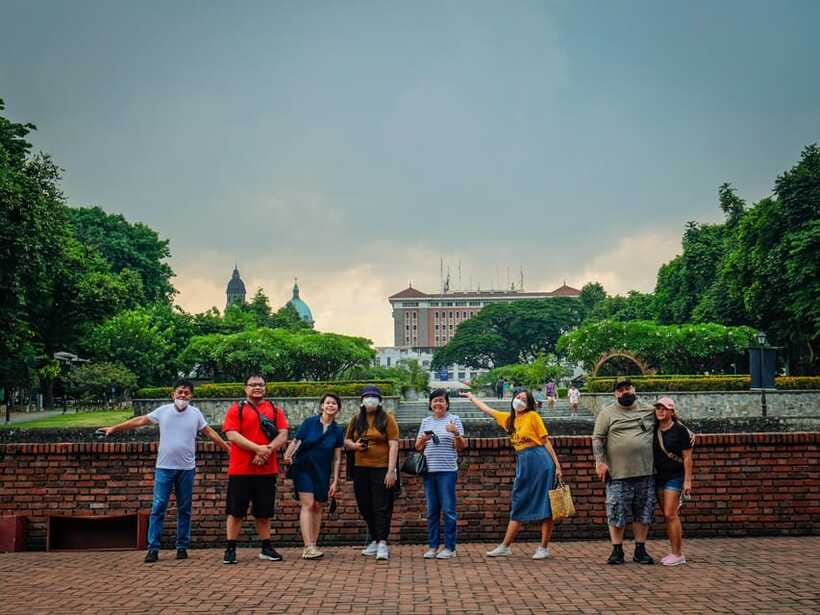
San Agustin Church is a UNESCO World Heritage Baroque church, and you get a short, focused visit with time for photos. The stop is brief, around 15 minutes, but it is long enough to take in the key details and still stay on schedule.
This is also a church, so dress code rules apply. You’ll want covered shoulders and clothing that fits through the visit, since the tour warns against sleeveless tops and revealing outfits.
Photo tip: plan to keep your phone steady and your movements quiet. The church stop is not designed as a photo marathon, it is designed as a respectful pause in the middle of a moving day.
The kalesa or tranvia ride: a welcome break inside the walls
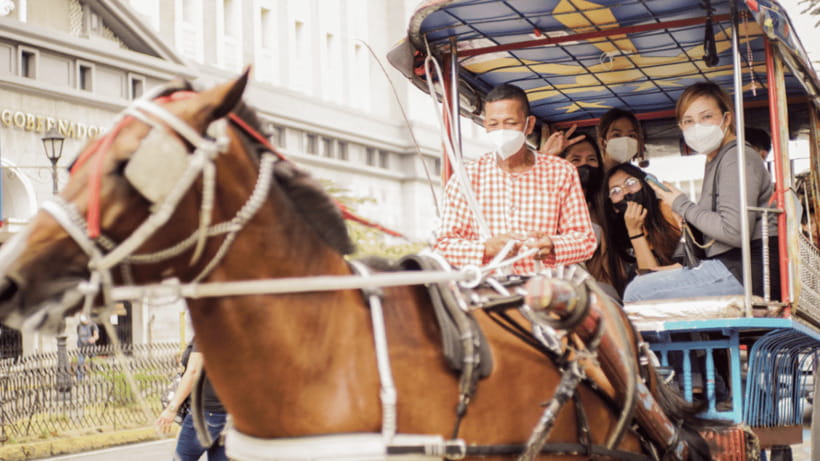
After the main cathedral area, you switch from feet to wheels for about 20 minutes. The tour includes a kalesa or tranvia ride, so you get a break from the walking and a different angle on Intramuros.
This ride is valuable because it resets your energy. After a few stops on cobblestones, even with comfortable shoes, you start to feel the route in your calves. The ride gives you a chance to keep going without turning the rest of the day into a punishment.
If you get motion slow-downs easily, choose to sit where you feel most stable. Also keep your bag secure, because on a moving ride you do not want to be constantly adjusting straps.
Casa Manila Museum: 19th-century living you can actually picture

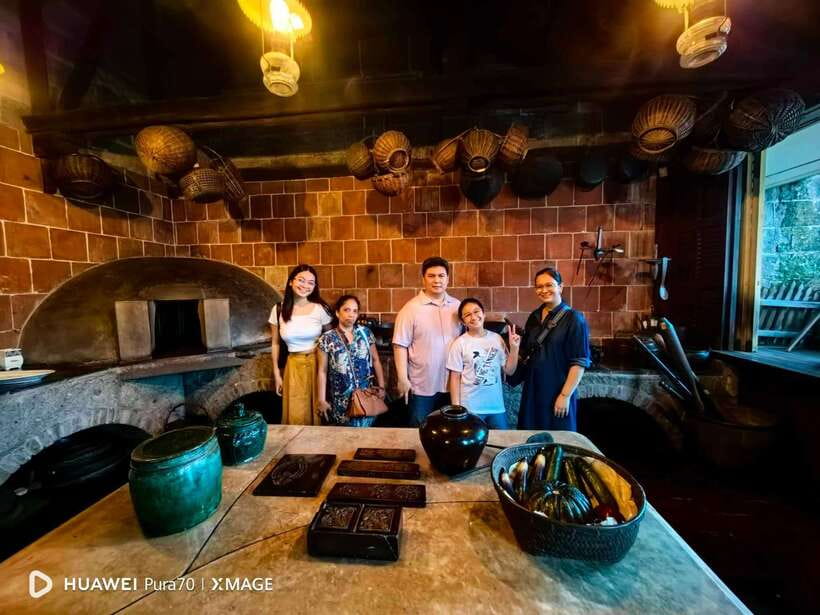
The tour ends at Casa Manila Museum, with a guided visit of about 30 minutes. This is where the experience shifts from major events to daily life.
Casa Manila is a recreated 19th-century home, and that matters. A lot of history tours focus on rulers, battles, and churches. Here, you get the texture of how families lived, what the home might have felt like, and how Spanish colonial life shaped routines.
You also finish at Casa Manila, so you’re not forced to locate your way back through a maze. It’s a clean ending point for a half-day walking plan.
Small planning help: if you are planning to eat right after, give yourself a few minutes at the museum end to regroup. The museum portion is the last scheduled stop, so it’s a good time to decide what you want to do next in Manila.
Price and value: is $31 a good deal for this route?
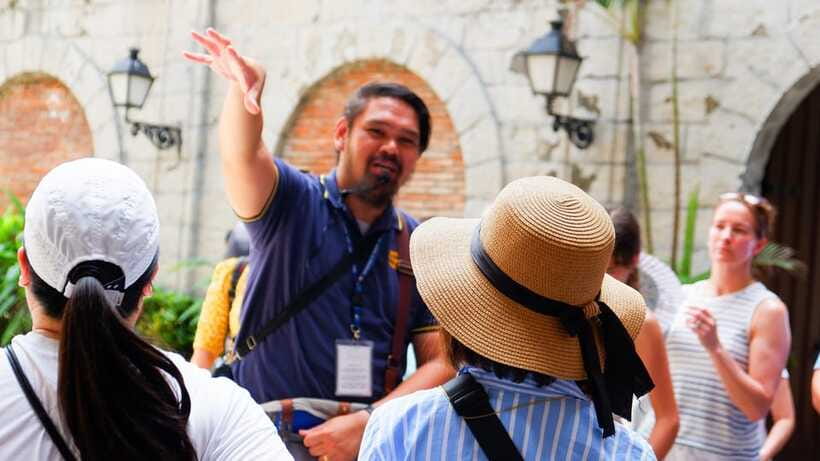
At about $31 per person for a 3 to 3.5 hour tour, you are paying for more than a stroll. The price includes a live English guide, walking time through multiple major sights, Fort Santiago entry, José Rizal shrine entry, and Casa Manila Museum entry.
You also get refreshments and the kalesa or tranvia ride. In other words, you’re covering the entry costs and the transport slice, which is where small tours often surprise you with add-ons later.
One note worth factoring in: the tour also says entrance fees may apply at certain sites and are payable on the day. The big-ticket entries listed are included, but it’s smart to keep a little extra cash or a card for anything that comes up unexpectedly.
What the day feels like: pacing, group size, and organization
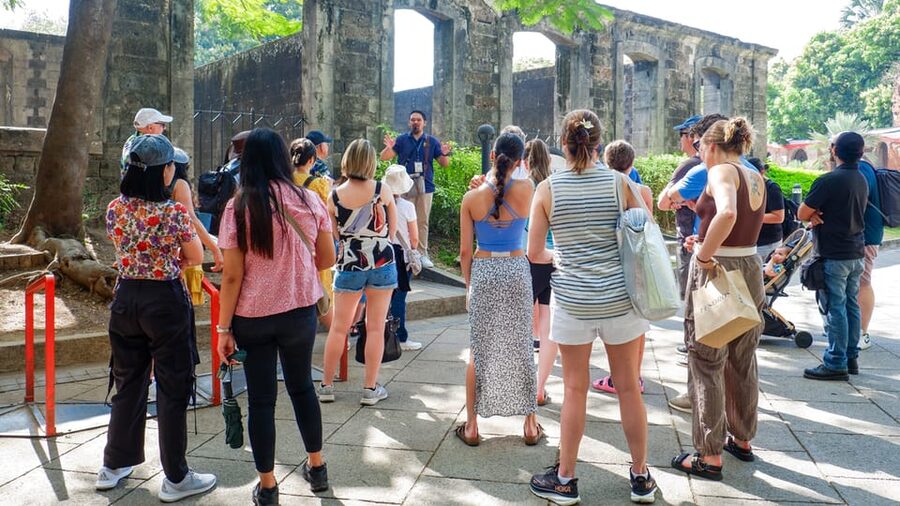
This is set up as a relaxed walking tour, not a sprint between landmarks. Still, it covers about 5,000 steps, and Intramuros streets can be uneven and slippery depending on rain.
Group size tends to stay manageable, and the guide’s job is to keep everyone together and on time. In practice, that means you get enough explanation at each stop without the group shuffling for long periods.
English is the tour language, and the experience is structured so the guide can answer questions as you go. If you like asking why things happened, you’ll probably enjoy this format more than a stop-by-stop audio guide.
Comfort checklist: shoes, weather, and modest dress rules
You’ll want comfortable shoes. The tour explicitly flags cobblestones and uneven surfaces, and it estimates around 5,000 steps.
Dress matters for church stops. Avoid sleeveless tops and short shorts or revealing outfits, since modest clothing is required for entry to churches and selected sites.
Because it runs rain or shine, pack for weather. Bring water and sun protection, and consider a small umbrella if skies look iffy. Also, don’t underestimate how quickly it can cool down or heat up while you’re walking in open areas.
Quick sanity check: if you hate walking in discomfort, do not rely on sandals. Choose shoes you can handle for a few hours on rough pavement.
Who this tour suits, and who should skip it
This tour is a great fit if you want a guided way to understand Old Manila, without spending your whole day planning routes or ticket timing. It’s especially good if you like history told through real locations, and you want the WWII context alongside the architectural highlights.
It is not ideal for wheelchair users, people with respiratory issues, visually impaired people, or anyone over 95 years. If you fall into any of those categories, I’d look for a more flexible option with less uneven walking.
For everyone else, the key is comfort. Bring the right shoes, dress appropriately, and accept that a walking tour means you will feel it by the end.
Should you book this Intramuros walking tour?
Book it if you want a clean, well-structured half-day in Intramuros with a guide who explains what you see and why it matters. The combination of Fort Santiago, Rizal’s final days, WWII context, San Agustin Church, and Casa Manila Museum makes this more than a checklist of landmarks.
Skip it if you cannot handle cobblestones and uneven ground, or if modest dress rules for church visits would be a hassle. If that sounds like you, you’ll likely be happier with a lighter sightseeing plan.
And if you’re short on time in Manila, this is a strong use of it. Three to three and a half hours can give you a much clearer sense of Old Manila than wandering alone, especially when the guide’s storytelling keeps the timeline understandable.
FAQ
How long is the Manila: Walled City Intramuros Walking Tour?
The tour lasts about 3 to 3.5 hours.
What’s included in the price?
The tour includes a walking tour with a guide, Fort Santiago entry, José Rizal shrine entry, Casa Manila Museum entry, refreshments, and a kalesa or tranvia ride.
How much walking is involved?
It covers approximately 5,000 steps, with cobblestone streets and uneven surfaces.
Which main stops are part of the route?
You’ll visit Fort Santiago, the José Rizal shrine at Fort Santiago, Manila Cathedral, a horse-drawn carriage ride inside Intramuros, Memorare Manila 1945, San Agustin Church, and Casa Manila.
Are there dress rules for the churches?
Yes. You should avoid sleeveless tops and short shorts or revealing outfits, since modest dress is required to enter churches and selected sites.
Does the tour run in bad weather?
The tour operates rain or shine.
Is it suitable for wheelchair users or limited mobility?
No. It is not suitable for wheelchair users, and it may not be ideal for guests with limited mobility. It is also listed as not suitable for people with respiratory issues and visually impaired people.
More Tours in Manila
- Intramuros, Manila: Historical Bamboo Bike Tour★ 4.8 · 583 reviews
- Manila: Intramuros, Chinatown, and Old Manila Half-Day Tour★ 4.8 · 475 reviews
- Manila: Old & New 4-Hour City Tour★ 4.5 · 458 reviews
- Manila Food Tour: Introduction to Philippine Street Food★ 5.0 · 417 reviews
More Tour Reviews in Manila
- Intramuros, Manila: Historical Bamboo Bike Tour★ 4.8 · 583 reviews
- Experience Intramuros with Bamboo Bicycle – Ecotours★ 5.0 · 508 reviews
- Manila: Intramuros, Chinatown, and Old Manila Half-Day Tour★ 4.8 · 475 reviews
- Manila: Old & New 4-Hour City Tour★ 4.5 · 458 reviews
Inside the Old Walls
- Intramuros, Manila: Historical Bamboo Bike Tour★ 4.8 · 583 reviews
- Experience Intramuros with Bamboo Bicycle – Ecotours★ 5.0 · 508 reviews
- Manila: Intramuros, Chinatown, and Old Manila Half-Day Tour★ 4.8 · 475 reviews
- Manila: Guided Sunset Bamboo Bike Tour in Intramuros★ 4.8 · 119 reviews
More of Manila, reviewed
- Private Departure Airport Transfer in Manila Bay and Makati Area
★ 5.0 · 3 reviews - Embark on a 7-Day Banaue-Sagada Adventure of a Lifetime
★ 5.0 · 3 reviews - From Manila: Philippines Private Tour Guide
★ 4.1 · 3 reviews - Unforgettable Manila Fishing Village Day Excursion 2024
★ 5.0 · 4 reviews - Tagaytay + Hidden Valley Springs: A Scenic Escape w/ Transfers
★ 4.0 · 4 reviews
Intramuros and Old Manila Walking Tours, start to finish.
 ★ 4.8Intramuros, Manila: Historical Bamboo Bike TourFrom $27583 reviews
 ★ 5.0Experience Intramuros with Bamboo Bicycle – EcotoursFrom $39508 reviews
 ★ 4.8Manila: Intramuros, Chinatown, and Old Manila Half-Day TourFrom $68475 reviews
 ★ 4.5Manila Old and New: Sightseeing Tour Including Intramuros and Fort SantiagoFrom $103377 reviews
 ★ 4.8Manila: Guided Sunset Bamboo Bike Tour in IntramurosFrom $40119 reviews
 ★ 4.9Viva Old Manila: Intramuros Walking TourFrom $27104 reviews
 ★ 5.0Manila’s Walled City: Intramuros Walking TourFrom $3582 reviews
 ★ 5.0Explore Intramuros: Introduction to Philippine HistoryFrom $5580 reviews
Where this one shows up