
REVIEW · MANILA
Private Filipino cooking class in a local Manila Home
Manila smells like citrus and grilled garlic. This private Filipino cooking class in Isi’s home is a hands-on way to learn traditional flavors while also getting the story behind them, from market staples to garden-grown ingredients. You’ll pick things like calamansi and lemongrass, cook with Isi in her kitchen, and then sit down to eat the meal you made.
What I really like is the attention you get. Isi has more than ten years in the food world and brings that background into the lesson, plus she learned cooking from her Nanay (grandmother), the kind of real “day-to-day” training you do not get from a typical demo class.
My main caution is the format. This is not a pro, technique-heavy cooking school, more of an insider home visit where you learn by doing. If you want strict, chef-style instruction on knife skills, timing, and advanced methods, you might find the pace more casual than you expected.
In This Review
- Key things that make this class worth your time
- A Manila Home Where Filipino Citrus Leads the Menu
- Meet Isi, and Why Her Stories Change How You Cook
- The 3-Hour Flow: Garden Pick, Kitchen Cook, Sit Down to Eat
- Hands-On Prep Versus Cooking Demonstration: Pick Your Comfort Level
- What You Might Cook, and the Flavor Logic Behind It
- Price and Value: What $90 Really Buys You
- What to Know Before You Go (So It Feels Easy)
- Who This Cooking Class Is Best For
- The Bottom Line on Booking This in Manila
- FAQ
- How long is the Filipino cooking class in Isi’s Manila home?
- Where does the experience start and end?
- What’s included in the price?
- Is hotel pickup and drop-off included?
- Can I choose between hands-on cooking and watching?
- What dishes might be served?
- Is there a vegetarian option?
- What should I wear?
- Can I cancel for a full refund?
- When will I receive confirmation after booking?
Key things that make this class worth your time
- Garden-to-plate ingredients like calamansi and lemongrass set the tone fast.
- Isi’s home-kitchen teaching focuses on Filipino family recipes, not classroom theory.
- Choose hands-on or demonstration depending on how you like to learn.
- You eat what you cook, with lunch or dinner included.
- Coconut milk, fish sauce, chilies, and citrus show up in the flavor logic.
- A dessert finish includes homemade calamansi pie made by Isi’s best friend, Earnest.
Still hungry? More Manila eating
- Manila: Intramuros, Chinatown, and Old Manila Half-Day Tour★ 5.0 · 37 reviews
- Makati Street Food Experience end with a Rooftop Bar★ 5.0 · 33 reviews
- Intramuros & Chinatown Manila Tour – Walking, Food & Culture★ 4.5 · 32 reviews
- Manila: Binondo Walking Tour ( Oldest Chinatown )★ 5.0 · 30 reviews
A Manila Home Where Filipino Citrus Leads the Menu
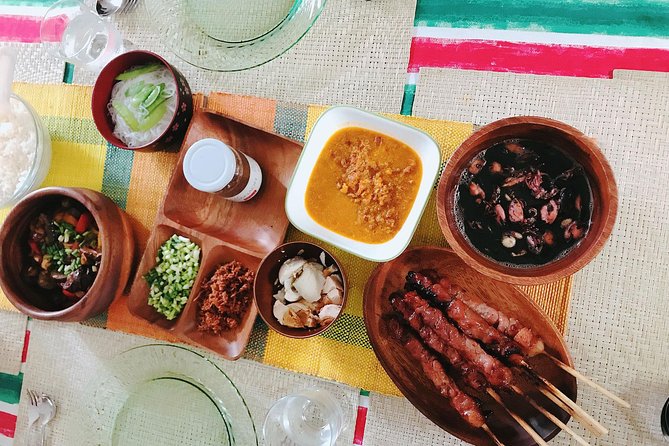
This experience is built around the simple idea that Filipino cooking starts with ingredients that feel local, seasonal, and personal. In Isi’s case, that means you begin with the garden first, so the flavors you’ll cook with do not arrive as mysterious “recipe items.” They come from a place you can see and smell.
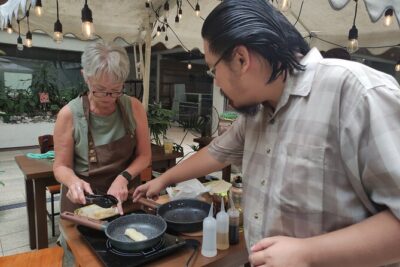
Expect a home setting, not a restaurant kitchen and not a studio. That matters because the lesson feels like a conversation at your table, not a performance on a stage. Isi talks through what she’s doing and why, so you start learning the patterns behind the dishes, like the way citrus, garlic, chilies, coconut milk, and fish sauce can work together without tasting like one overpowering ingredient.
And yes, it’s fun. You’re not just tasting. You’re building a meal step by step, then winding down with a sit-down lunch or dinner that tastes like something you helped create.
Meet Isi, and Why Her Stories Change How You Cook
Isi is the host and guide here, and she brings a rare mix of practical experience and family memory. She’s been in the food business for over ten years, working on recipes for dairy companies and restaurants, doing food styling and photography, and selling spices online. More recently, she started Chili Asylum, an effort focused on fresh chilies and chili products sourced directly from Filipino farmers.
That background matters because she cooks like someone who understands both tradition and flavor-building. You will hear how she learned from her Nanay, watching fresh lunches and dinners get cooked everyday while she grew up. That kind of everyday training often shows up in details like balancing sourness with saltiness, or knowing when chili needs to bloom in heat and when it should stay brighter.
From the reviews and the way the experience is described, Isi is also the “get your questions answered” type. People highlight her invitation into the kitchen and her willingness to let them do as much of the prep and cooking as they want. If you like learning by trying, you should feel comfortable asking what replaces what, why a sauce is simmered, or how to scale a flavor for your own kitchen later.
The 3-Hour Flow: Garden Pick, Kitchen Cook, Sit Down to Eat
The timing is tight and friendly, about three hours total. Starting at 10:00 am in Taguig, your day runs in a simple rhythm that keeps you engaged instead of waiting around.
Here’s how the experience typically unfolds:
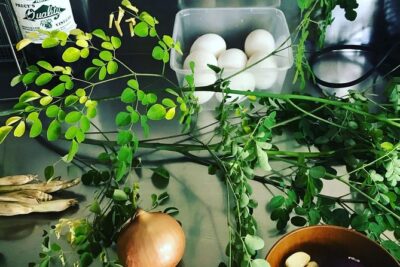
- Ingredient picking in Isi’s vegetable garden. You’ll go out with Isi and learn what she grows, including lemongrass and calamansi. This sets a clear “ingredients first” mindset.
- Cooking in the kitchen. You’ll work through Filipino family recipes with Isi guiding you. The description also notes that the class can be hands-on or demonstration-style, so you can match your comfort level.
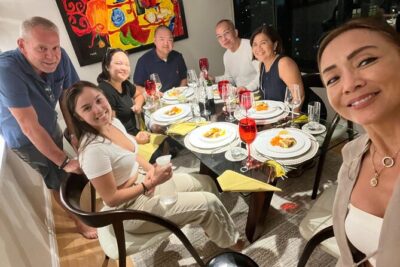
- Meal time in the home. After you cook, you sit down and enjoy the recipes you made. Lunch or dinner is included, plus alcoholic beverages like beer.
That meal-at-the-end piece is not an afterthought. It’s part of the value. Many cooking experiences stop at the tasting portion or the quick plate moment. Here, the sit-down format helps you connect what you cooked to how it actually eats, like how sauces cling, how citrus pops, and how a stew feels as a finished dish, not as ingredients on a cutting board.
Hands-On Prep Versus Cooking Demonstration: Pick Your Comfort Level
One of the smartest parts of this class is that you can choose between two styles:
- Hands-on lesson, where you do prep and cooking with Isi.
- Cooking demonstration, where you watch and learn more through observation.
If you’re the type who remembers best through doing, go hands-on. The reviews are full of praise for how Isi lets people get involved, with one guest specifically saying they did real prep and cooking in her home. You’ll get a feel for texture changes, like when something thickens from coconut milk or how a marinade behaves in the pan.
If you prefer to watch first and only do limited tasks, the demonstration option can still give you a lot. You’ll follow along, learn ingredients and steps in order, and then you still get to eat what’s prepared. Since this is not built as a rigid technical course, the learning style flexibility is practical, especially if you are on vacation and do not want a stressful class.
Other Luzon outings that kept coming up while we researched this one


What You Might Cook, and the Flavor Logic Behind It
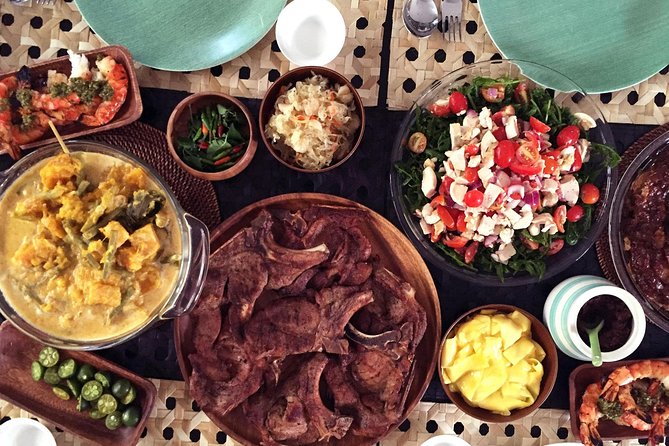
Your exact menu can vary, but it often includes Filipino family recipes built around a few repeatable flavor moves. Isi’s food is described as using notes like calamansi, garlic, chilies, coconut milk, and fish sauce. Once you understand how those components work together, you can adapt dishes at home even if you only remember parts of the process.
Possible dishes include:
- Ensaladang pako: a local fern salad dressed with calamansi and raw honey. This is a good example of sour meeting sweet, so it teaches balance, not just taste.
- Grilled shrimp with a cilantro chimichurri (an Isi creation): this is where you see “Filipino approach” plus a fresh herb sauce concept. You’ll learn how bright flavors can keep grilled seafood from feeling heavy.
- Ginataang kalabasa at sitaw: squash and green beans in a coconut milk stew. Coconut milk shows up here as comfort, but it’s not bland, because it’s tied to aromatics and savory elements.
- Mechado: soy marinated beef in an onion and tomato sauce. This kind of dish teaches the idea of layering flavor, not dumping everything in at once.
- Inihaw na baboy: grilled pork chops. Expect a direct, grill-forward style that lets seasoning and heat do the work.
- Calamansi pie dessert, homemade by Isi’s best friend, Earnest. This is a satisfying way to close the loop, since calamansi reappears as dessert brightness instead of savory tang.
If you’re wondering what to expect flavor-wise: you’ll likely get sour, salty, and chili heat in different ratios depending on the dish. The class description emphasizes that you’ll be learning Filipino food and culture through the recipes and the guide’s commentary as you eat.
And that commentary piece is where the value often lives. Many people can follow a recipe, but fewer learn why the recipe makes sense in its local context.
Price and Value: What $90 Really Buys You
At $90 per person, this is not “budget entertainment,” but it also isn’t priced like a luxury restaurant tasting. The value comes from what’s included and what’s focused on.
Your price includes:
- A private Filipino cooking class with Isi
- Lunch or dinner
- Beer (alcoholic beverages)
- All taxes and fees
- Gratuities
What’s not included is hotel pickup and drop-off, and your meeting point starts in Taguig. That’s the main practical hit, but it also keeps the schedule simple.
So what are you paying for, in plain terms?
- A home setting plus an expert host who teaches ingredients and stories, not just steps.
- Real time in the kitchen, either hands-on or through a demo.
- A full meal that you get to eat after cooking.
If you’ve ever done a group tour that mostly shows you things and rushes the meal, this feels different. You’re spending the money on a focused experience with time to ask questions, cook, and sit down together.
What to Know Before You Go (So It Feels Easy)
A few details can make or break your comfort level.
Dress code: smart casual. Home kitchens can be warm and a little informal, but you should still plan to look neat and wear something you can move in.
Dietary needs: there is a vegetarian option available, and you should advise at booking if you need it. The experience also asks you to share any dietary requirements ahead of time. If you have allergies or strict restrictions, do not wait. Send the details early so Isi can plan.
Group format: it is private, and only your group participates. That tends to improve the experience because you can go at your own pace and ask questions without feeling like you’re sharing airtime.
Home comfort and animals: service animals are allowed.
One more practical note: because there’s ingredient picking in the garden, you should be ready to spend at least part of the time outdoors or near it. Bring a polite, flexible attitude. This is a home visit, not a sterile food lab.
Who This Cooking Class Is Best For
This is a great fit if you want a Filipino food day that feels personal and hands-on.
You’ll especially like it if:
- You enjoy cooking with guidance and want to understand flavor choices.
- You like local ingredients and want the story behind things like calamansi and lemongrass.
- You want a sit-down meal that ends the class, not a quick bite and run.
It might be less ideal if:
- You’re chasing a formal, professional-style curriculum with strict technical training.
- You want hotel pickup convenience, since transportation is not included.
The Bottom Line on Booking This in Manila
If your idea of a good vacation includes being fed and learning something you can actually use, I’d book this. The standout strength is the combination of local home experience and a chef-host who teaches traditions with real context. You get garden-to-kitchen ingredients, a choice between hands-on and demonstration, and a meal that feels like the point.
This is also a smart pick for travelers who want Manila beyond malls and monuments, a day that connects food to people. You’re paying for time, attention, and a finished dinner. That tends to be the kind of souvenir that lasts longer than photos.
FAQ
How long is the Filipino cooking class in Isi’s Manila home?
It runs for about three hours.
Where does the experience start and end?
It starts in Taguig, Metro Manila, Philippines, and ends back at the meeting point.
What’s included in the price?
Your booking includes the private cooking class with Isi, lunch or dinner, alcoholic beverages (beer), all taxes and fees, and gratuities.
Is hotel pickup and drop-off included?
No, hotel pickup and drop-off are not included.
Can I choose between hands-on cooking and watching?
Yes. You can choose a hands-on lesson or a cooking demonstration. Let the host know your preference.
What dishes might be served?
The menu can include dishes like ensaladang pako, grilled shrimp with cilantro chimichurri, ginataang kalabasa at sitaw, mechado, inihaw na baboy, and homemade calamansi pie for dessert.
Is there a vegetarian option?
A vegetarian option is available, and you should advise at booking if you need it.
What should I wear?
Smart casual is recommended.
Can I cancel for a full refund?
Yes. You can cancel for free up to 24 hours in advance for a full refund.
When will I receive confirmation after booking?
Confirmation is received within 48 hours of booking, subject to availability.
More Private in Luzon
- Private Market Tour and Filipino Cooking Class in Manila with Isi★ 4.5 · 15 reviews
- Manila Private Walking Tour With A Local Guide (Private Tour)★ 4.5 · 7 reviews
- Private Filipino Cooking Class in the Heart of Manila,Makati City★ 5.0 · 5 reviews
- Private Airport Transfer Manila to Hotel in Manila or vice versa★ 5.0 · 3 reviews
More Tour Reviews in Luzon
- Manila Old and New: Sightseeing Tour Including Intramuros and Fort Santiago★ 4.5 · 377 reviews
- Manila’s Walled City: Intramuros Walking Tour★ 5.0 · 82 reviews
- Manila Filipino Cooking Class: Meryenda Favorites★ 5.0 · 80 reviews
- Batad Guided Tour★ 5.0 · 78 reviews
Manila by the Plate
- Manila Filipino Cooking Class: Meryenda Favorites★ 5.0 · 80 reviews
- Manila: Intramuros, Chinatown, and Old Manila Half-Day Tour★ 5.0 · 37 reviews
- Makati Street Food Experience end with a Rooftop Bar★ 5.0 · 33 reviews
- Intramuros & Chinatown Manila Tour – Walking, Food & Culture★ 4.5 · 32 reviews
More of Luzon, reviewed
- Private Airport Transfer Manila to Hotel in Manila or vice versa
★ 5.0 · 3 reviews - Angeles City / Clark Airport to La Union (Bauang, San Fernando, San Juan)
★ 3.5 · 4 reviews - The Jeepney & Tuk Tuk Adventure ride with Local Guide
★ 4.5 · 4 reviews - The Oldest Chinatown in Manila with Local Guide
★ 5.0 · 4 reviews - Manila Social and Political Walk
★ 5.0 · 4 reviews
Manila Food and Chinatown Tours, start to finish.
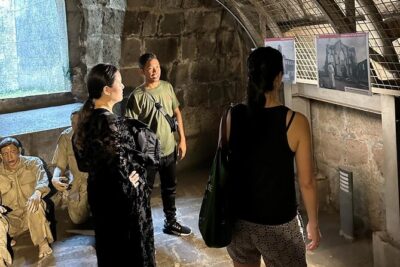 ★ 4.8Manila: Intramuros, Chinatown, and Old Manila Half-Day TourFrom $68475 reviews
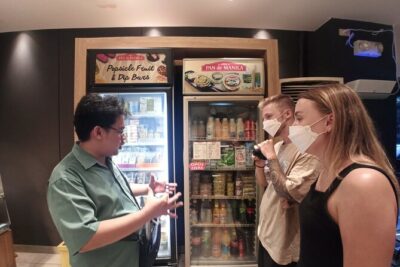 ★ 5.0Manila Food Tour: Introduction to Philippine Street FoodFrom $60417 reviews
 ★ 4.5Private Cebu & Lapu-Lapu City Tour with Uphill Spots & Lunch at House of LechonFrom $75168 reviews
 ★ 5.0Manila Food Tour: Explore World’s Oldest ChinatownFrom $60158 reviews
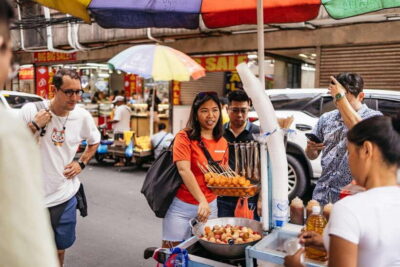 ★ 4.8Manila: Street Food and Drinks Walking Tour with TastingsFrom $68114 reviews
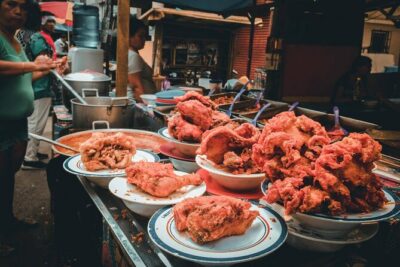 ★ 4.5The Original Cebu City Historical and Food Walking TourFrom $6981 reviews
 ★ 5.0Manila Filipino Cooking Class: Meryenda FavoritesFrom $6080 reviews
 ★ 4.7Manila: Sightseeing and Food Walking Tour with TastingsFrom $5868 reviews
Where this one shows up