
REVIEW · MANILA
Private Market Tour and Filipino Cooking Class in Manila with Isi
Cooking Filipino food starts at the market. This private Manila experience with Isi pairs a local ingredient walk with a home-cooked lesson rooted in family recipes and Filipino flavors. You get a real feel for how people shop, season, and eat, not just how a dish is made, with private access and an easygoing pace.
I especially like two parts: the stop where you learn key ingredients, and the home segment where Isi shows how she uses her own calamansi and lemongrass. One thing to consider upfront, this is not a formal, professional cooking class, so if you want heavy technique training, you should treat it as an insider cultural meal rather than a school-style lesson.
In This Review
- Key things that make this tour worth your time
- How a private market tour changes the whole cooking class
- Traveling from ingredients to flavor at Traveling Spoon
- Isi’s home garden: tasting the kitchen before you cook
- Cooking class style: hands-on, demo, or a mix
- What you’ll actually cook and why the flavors make sense
- The best part: eat what you made, with drinks
- Vegetarian and gluten-free options, handled in advance
- Price and value: what $120 gets you in Manila
- Who should book this Isi market-and-cooking experience
- Should you book this private market tour and Filipino cooking class with Isi?
- FAQ
- What is the duration of the tour?
- Where does the tour start and end?
- What is included in the price?
- Is hotel pickup or drop-off included?
- Can I choose a hands-on cooking lesson or a demonstration?
- Are vegetarian and gluten-free options available?
- What kind of food will I eat at the end?
- Do I get a ticket, and will I need to print anything?
- What is the cancellation policy?
Key things that make this tour worth your time
- Market shopping first, so every ingredient in your meal has a clear reason to be there
- Isi’s home garden focus, with lemongrass and calamansi you can taste the idea of right away
- Choice of hands-on vs. demonstration, so you can match your comfort level in the kitchen
- Family-recipe cooking in a home setting, where learning happens naturally while you chop and stir
- Beer is included, and you can ask about wine if you want that pairing for cooking and eating
- Calamansi pie to finish, giving the whole experience a memorable Filipino ending
More ways to take Manila in a day
- Manila Old and New: Sightseeing Tour Including Intramuros and Fort Santiago★ 4.5 · 377 reviews
- Manila Super Saver: Manila Sightseeing plus Tagaytay Tour with Taal Volcano★ 4.0 · 75 reviews
- The Hidden Gems of Manila Guided Tour★ 5.0 · 42 reviews
- Manila: Intramuros, Chinatown, and Old Manila Half-Day Tour★ 5.0 · 37 reviews
How a private market tour changes the whole cooking class
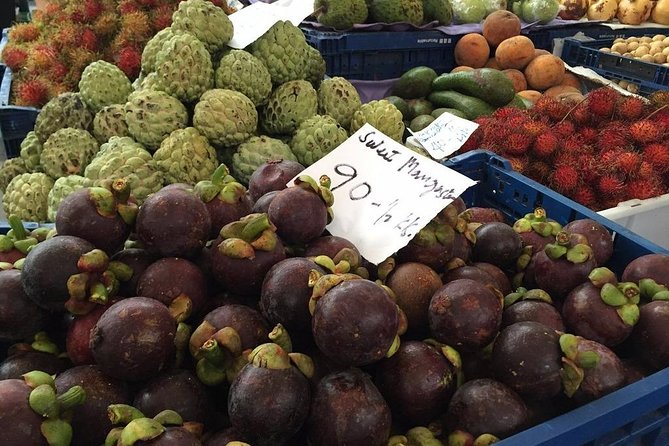
Manila food experiences can be all show and no substance, but this one starts with ingredients. When you see what people actually buy, you stop guessing why something tastes the way it does. Instead of memorizing a list, you learn what shapes Filipino cooking, like citrus brightness, garlic heat, chili punch, coconut creaminess, and the salty depth of fish sauce.
The private format matters more than it sounds. It means Isi can slow down when you have questions, adjust if you are vegetarian or need gluten-free options (with advance notice), and tailor the pace to your group. It also keeps the experience personal, you are not rushing through a scripted checklist while someone else’s tastes get ignored.
Logistics are refreshingly simple too. You start in Taguig around 9:30 am, and the activity ends back at your meeting point. There’s no hotel pickup included, so plan to arrive on time on your own.
Traveling from ingredients to flavor at Traveling Spoon
Your first stop is at Traveling Spoon, where you meet up and begin the market portion of the experience. The goal here is not just sightseeing. You’re there to learn the core ingredients behind Filipino dishes and to understand what’s seasonal and local.
Markets in the Philippines reward curiosity. You will likely notice that Filipino cooking depends on a blend of flavors that can feel unfamiliar if you mostly cook Western-style at home. The market walk helps you connect the dots, like why calamansi is used for tang, why aromatics like garlic matter, and how chilies are part of everyday flavor rather than a last-minute add-on.
Also, this is practical learning. You are not just told what to buy, you’re guided through how those ingredients show up in real meals. That helps when you get home and try to recreate dishes, because you’ll know what to prioritize if you are shopping in a different country.
A small but important point: after the market, you’ll ride to Isi’s home in her car. That transition keeps the day flowing, and it also means you’re not carrying groceries around while everyone is hungry.
Isi’s home garden: tasting the kitchen before you cook
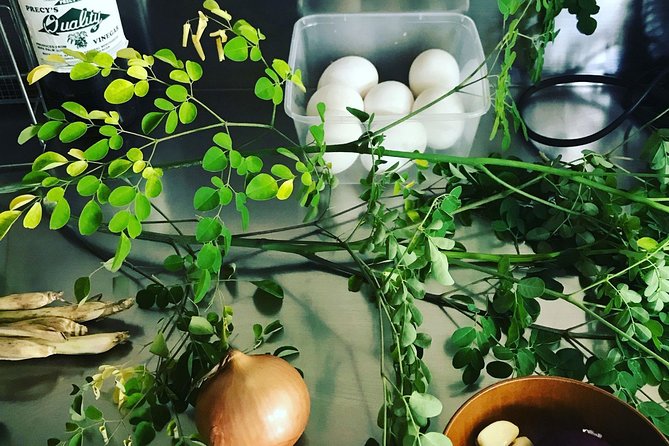
Once you arrive at Isi’s home, the experience gets more personal fast. Isi walks you through her small vegetable garden first, including lemongrass and calamansi. This is one of those moments that makes the whole tour click, because you can connect the scent and flavor to a real plant instead of an abstract ingredient.
Lemongrass brings a citrusy, herbal aroma that Filipino cooking uses to build fragrance early. Calamansi, a distinctive Filipino citrus fruit, is the kind of flavor that changes the mood of a dish. Even if you have eaten calamansi in bottled form before, tasting or smelling it in context makes it easier to understand why it’s so central.
Isi’s kitchen flavor profile is built around a familiar set of Filipino staples, calamansi, garlic, chilies, coconut milk, and fish sauce. You’ll hear these ingredients come up in the lesson because they’re not random. They’re the framework that gives many Filipino dishes their signature balance, tang, heat, creaminess, and savory depth.
Cooking class style: hands-on, demo, or a mix
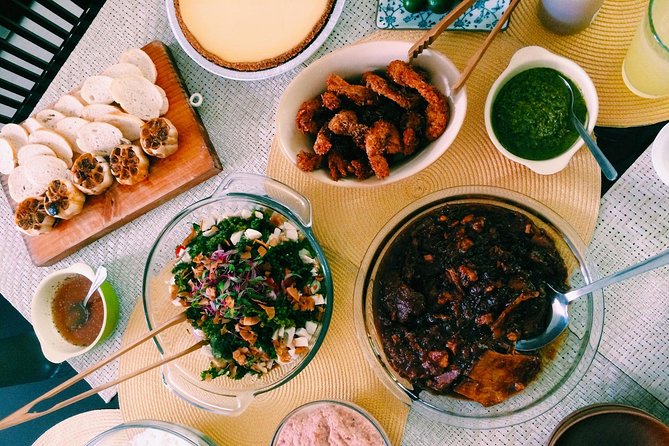
The cooking part happens in Isi’s kitchen, where she shares traditional Filipino family recipes that have been passed down through generations. That “family” element matters, because you’re learning from how dishes are actually made at home, not just from a culinary textbook.
You can choose between two learning styles:
- Hands-on, where you actively help prepare the meal
- A cooking demonstration, where you watch Isi prepare the meal
If you’re the type who likes to learn by doing, hands-on will feel empowering. If you prefer to observe first and jump in later, the demonstration style can be calmer and still very educational. Either way, the key is that you get context for each step, not just a sequence of instructions.
Also, do keep expectations realistic. This is described as an insider glimpse into Filipino culture and cuisine with a local expert cook in her home, not a professional cooking class. So while you’ll learn techniques and ingredient roles, you’re not signing up for advanced knife skills or culinary chemistry. Think “helpful home cooking lesson,” not “cookery school.”
Still hungry? More Manila eating
What you’ll actually cook and why the flavors make sense
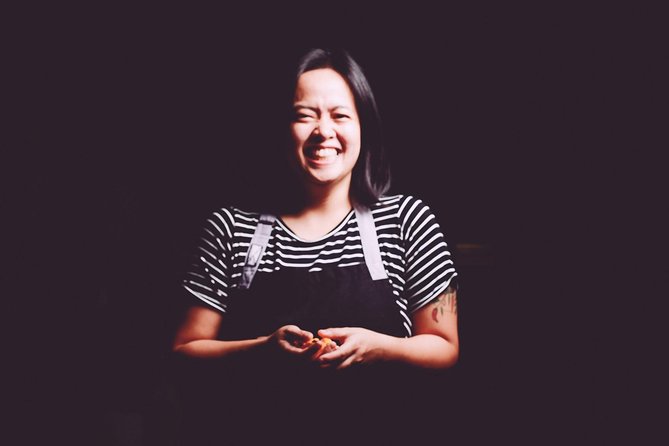
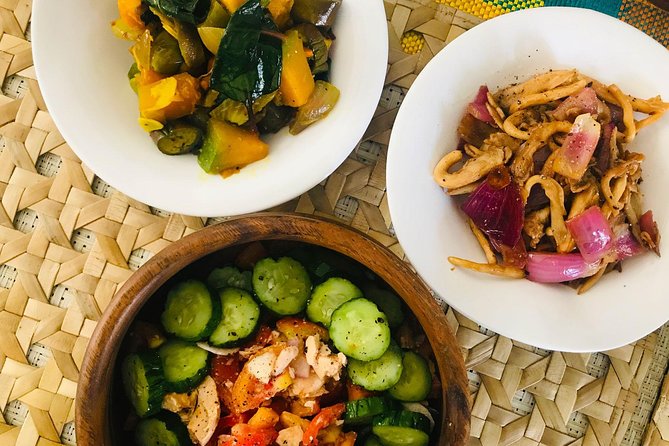
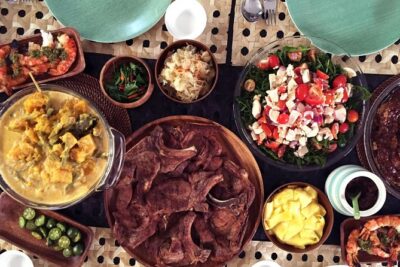
Your menu includes a variety of homemade Filipino dishes, and the experience includes a dessert like calamansi pie. Beyond the exact dishes, what makes this cooking session valuable is the logic behind the flavors.
Filipino cooking often relies on building flavor in layers. Garlic and chilies are frequently part of that early base. Coconut milk adds body and smoothness, balancing tang and heat. Fish sauce contributes salty umami that can make dishes taste more complete, even when the recipe doesn’t look complicated on paper.
Calamansi is the one that many visitors notice most. It’s a citrus that brings brightness without turning everything into a sour sauce. It can work like a finishing touch, but it can also show up during cooking depending on the dish. Seeing how Isi uses it helps you understand when to add it and why it matters.
If you want to recreate these meals at home, focus less on exact brand names and more on the flavor roles. After this tour, you’ll know what you’re trying to achieve: fresh tang, aromatic depth, controlled heat, creamy richness, and savory depth.
The best part: eat what you made, with drinks
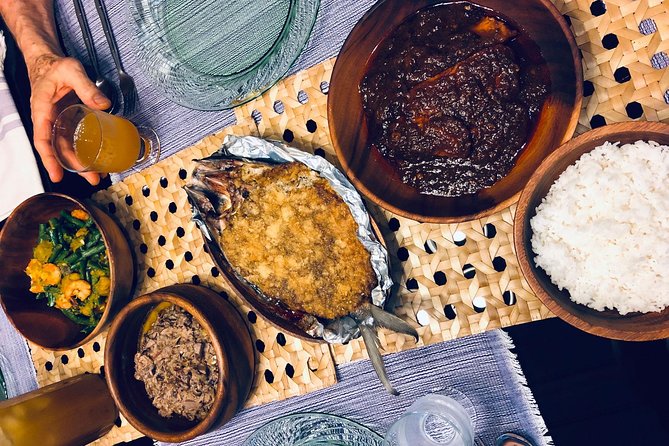
After cooking, you sit down to enjoy the authentic Filipino meal you helped prepare at Isi’s dining table. This is one of those experiences where the meal isn’t an afterthought. It’s the payoff, and it’s also part of the lesson because you get to taste the final balance right after learning how it’s built.
Alcoholic drinks are included, with beer provided. In one review highlight, a guest asked about having wine while cooking and eating, and Isi brought a selection. So if you have a preference, it’s worth mentioning it during the experience. This is a home setting, and small adjustments can happen.
Dessert is an important closer. Calamansi pie adds a tangy sweet finish that feels very Filipino. It also gives you something tangible to remember, not just a meal that fades after the last bite.
Vegetarian and gluten-free options, handled in advance
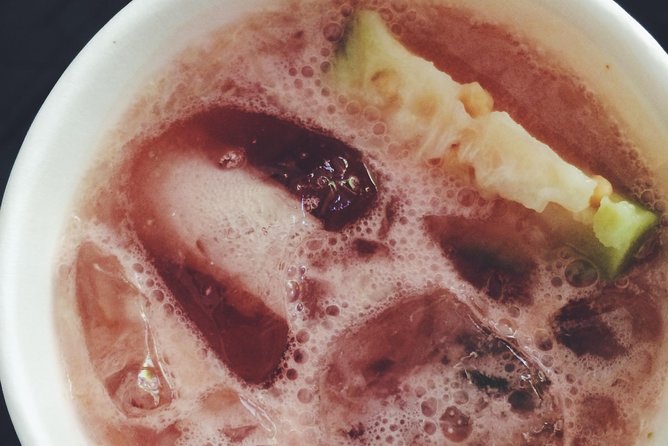
If you need vegetarian and gluten-free options, you can request them at booking. That’s a big deal for two reasons.
First, Filipino cooking can include fish sauce and other animal-based ingredients. If you wait until you arrive to explain dietary restrictions, you risk ending up with an improvised plate. Pre-requesting options makes it far more likely Isi can adjust the meal properly.
Second, when dietary changes are handled thoughtfully, the goal becomes flavor balance, not just removing ingredients. You’re still there to learn Filipino cuisine. The best-case scenario is that you get a full menu experience that stays true to the Filipino flavor framework.
If you are gluten-free, make sure you clearly state your needs when you book. The tour information asks you to advise dietary requirements ahead of time, which is exactly the kind of detail that prevents unpleasant surprises.
Price and value: what $120 gets you in Manila
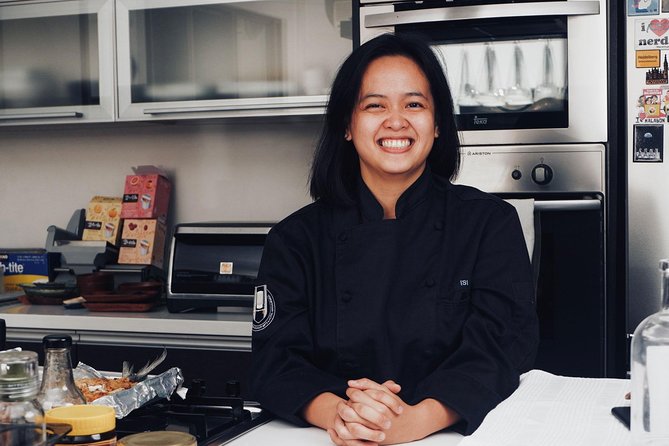
At $120 per person for a duration of about 4 hours and 30 minutes, you’re paying for three things: private time, market-based ingredient education, and a home-cooked meal with drinks.
Compared with standard cooking classes, this is usually better value if you care about context. A typical class might teach you a recipe. This one teaches you where ingredients come from, how they behave in Filipino flavor combinations, and how a real local home meal is assembled. The market walk adds a layer of learning that many cooking experiences skip.
The private aspect also raises value. You’re not sharing the moment with strangers, and your questions are less likely to get lost in a group dynamic. That helps especially if you have dietary needs or want to understand why certain flavors are used.
One tradeoff: since it is not a professional cooking class, you might not get the same depth of technical instruction you’d expect from a culinary school. If your goal is simply learning to make a dish fast and clean, you may feel it is more about culture and flavor context than technique drills.
But if your goal is to eat well and learn real-world cooking, the cost feels reasonable for what you receive: market sourcing, home garden context, cooking time, and the full meal finale.
Who should book this Isi market-and-cooking experience
This fits best if you want an authentic food day that connects ingredients to culture. I’d point you toward it if you like:
- Hands-on learning or a friendly explanation while you cook
- Flavor-forward cooking, especially with citrus, garlic, chilies, coconut, and savory sauces
- Home-style meals over restaurant-style performances
- Small, personal experiences where the host can adjust to you
It may be less ideal if you want a strict, professional course with formal skill progression, or if you dislike markets and prefer to skip straight to the kitchen. This tour starts with shopping for a reason, and it works best when you are open to that process.
Also, keep in mind there’s no hotel pickup included. If you’re staying far from Taguig or you prefer everything door-to-door, factor in your time and transport planning so you arrive relaxed.
Should you book this private market tour and Filipino cooking class with Isi?
If you’re coming to Manila and you want one food experience that actually changes how you cook back home, I’d seriously consider booking. The combination of a local market ingredient walk, a home garden tasting context with lemongrass and calamansi, and a meal you sit down to with beer (and possibly wine if you ask) is a strong payoff for the price.
Book it when you want authenticity, not just recipes. And if you have dietary needs, book it even sooner, so you can communicate requirements in advance and get the full menu experience.
FAQ
What is the duration of the tour?
The private market tour and Filipino cooking class runs for about 4 hours and 30 minutes.
Where does the tour start and end?
It starts in Taguig, Metro Manila, Philippines, and ends back at the meeting point.
What is included in the price?
The tour includes the private market tour and Filipino cooking class with Isi, beer (alcoholic beverages), and all fees and taxes.
Is hotel pickup or drop-off included?
No. Hotel pickup and drop-off are not included.
Can I choose a hands-on cooking lesson or a demonstration?
Yes. You can choose between a hands-on lesson or a cooking demonstration, and you can let Isi know your preference.
Are vegetarian and gluten-free options available?
Vegetarian and gluten-free options are available upon request. You should advise any dietary requirements at the time of booking.
What kind of food will I eat at the end?
You’ll enjoy a variety of homemade Filipino dishes that you help prepare, and the meal concludes with a dessert such as calamansi pie.
Do I get a ticket, and will I need to print anything?
The tour uses a mobile ticket.
What is the cancellation policy?
Free cancellation is available. You can cancel up to 24 hours in advance for a full refund, with cut-off times based on local experience time.
More Tour Reviews in Luzon
- Manila Old and New: Sightseeing Tour Including Intramuros and Fort Santiago★ 4.5 · 377 reviews
- Manila’s Walled City: Intramuros Walking Tour★ 5.0 · 82 reviews
- Manila Filipino Cooking Class: Meryenda Favorites★ 5.0 · 80 reviews
- Batad Guided Tour★ 5.0 · 78 reviews
Manila by the Plate
- Manila Filipino Cooking Class: Meryenda Favorites★ 5.0 · 80 reviews
- Manila: Intramuros, Chinatown, and Old Manila Half-Day Tour★ 5.0 · 37 reviews
- Makati Street Food Experience end with a Rooftop Bar★ 5.0 · 33 reviews
- Intramuros & Chinatown Manila Tour – Walking, Food & Culture★ 4.5 · 32 reviews
Manila in a Day
- Manila Old and New: Sightseeing Tour Including Intramuros and Fort Santiago★ 4.5 · 377 reviews
- Manila Super Saver: Manila Sightseeing plus Tagaytay Tour with Taal Volcano★ 4.0 · 75 reviews
- The Hidden Gems of Manila Guided Tour★ 5.0 · 42 reviews
- Manila: Intramuros, Chinatown, and Old Manila Half-Day Tour★ 5.0 · 37 reviews
More of Luzon, reviewed
- Private Airport Transfer Manila to Hotel in Manila or vice versa
★ 5.0 · 3 reviews - Angeles City / Clark Airport to La Union (Bauang, San Fernando, San Juan)
★ 3.5 · 4 reviews - The Jeepney & Tuk Tuk Adventure ride with Local Guide
★ 4.5 · 4 reviews - The Oldest Chinatown in Manila with Local Guide
★ 5.0 · 4 reviews - Manila Social and Political Walk
★ 5.0 · 4 reviews
Manila Food and Chinatown Tours, start to finish.
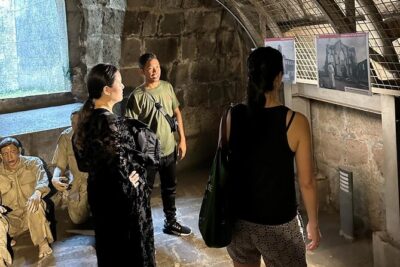 ★ 4.8Manila: Intramuros, Chinatown, and Old Manila Half-Day TourFrom $68475 reviews
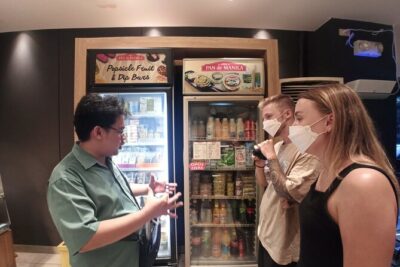 ★ 5.0Manila Food Tour: Introduction to Philippine Street FoodFrom $60417 reviews
 ★ 4.5Private Cebu & Lapu-Lapu City Tour with Uphill Spots & Lunch at House of LechonFrom $75168 reviews
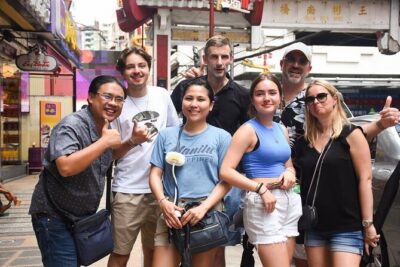 ★ 5.0Manila Food Tour: Explore World’s Oldest ChinatownFrom $60158 reviews
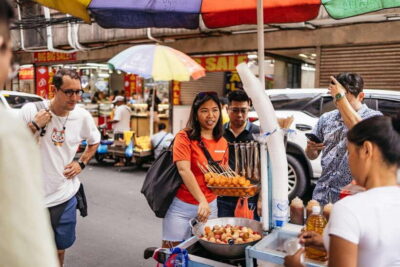 ★ 4.8Manila: Street Food and Drinks Walking Tour with TastingsFrom $68114 reviews
 ★ 4.5The Original Cebu City Historical and Food Walking TourFrom $6981 reviews
 ★ 5.0Manila Filipino Cooking Class: Meryenda FavoritesFrom $6080 reviews
 ★ 4.7Manila: Sightseeing and Food Walking Tour with TastingsFrom $5868 reviews